
The question “可丽耐人造石价格多少钱一吨” – “How much does Corian solid surface cost per ton?” – might seem like a straightforward inquiry about material pricing. However, for those considering this innovative material, the true value of Corian extends far beyond a simple per-unit cost. It’s an investment in a surface that marries unparalleled aesthetics with remarkable functionality, transforming spaces into expressions of personal style and enduring quality. To truly understand the “price” of Corian, we must look at it through a lens of comprehensive value, considering its manufacturing, its diverse applications, and the long-term benefits it offers.

Corian, a brand name for a solid surface material developed by DuPont, is not simply “stone” in the traditional sense. It’s a composite, meticulously engineered from acrylic polymer and alumina trihydrate (ATH), a derivative of bauxite ore. This composition is key to its unique properties. Unlike natural stone that is quarried and then processed, Corian is manufactured under controlled conditions, ensuring consistency in color, pattern, and performance. This manufacturing process, while contributing to its initial cost, also lays the foundation for its superior qualities. The “per ton” metric, though an interesting way to conceptualize bulk material, doesn’t fully capture the intricate production involved. Imagine the precision required to create a material that is non-porous, thermoformable, and seamless. This isn’t simply mining and cutting; it’s a sophisticated chemical and physical process.
The aesthetic versatility of Corian is a significant factor in its perceived value. Available in an astonishing array of colors, patterns, and textures – from the purest whites and deepest blacks to intricate veining that mimics natural marble or granite, and even translucent options that can be backlit – Corian offers designers and homeowners a virtually limitless palette. This ability to replicate the look of natural materials without their inherent drawbacks (like porosity and susceptibility to staining) is a major selling point. When considering the “price,” one must also consider the aesthetic freedom it provides. A kitchen or bathroom clad in a premium natural stone might be stunning, but the cost of obtaining a specific rare veining pattern can be astronomical, and the ongoing maintenance to preserve its beauty can be a significant burden. Corian offers a consistent, high-end look that is far more attainable and manageable.
Furthermore, the seamless nature of Corian installations contributes significantly to its overall value. Because it can be fabricated and joined with invisible seams using specialized adhesives, the resulting surfaces are a continuous, unbroken plane. This not only creates a sleek, modern aesthetic but also eliminates grout lines, which are notorious breeding grounds for bacteria and mold. This is a crucial consideration for kitchens and bathrooms, where hygiene is paramount. The “price” of seamless integration is embedded in the fabrication and installation process, which requires skilled craftsmanship. However, the long-term benefits of reduced cleaning effort, enhanced hygiene, and a refined visual appeal are undeniable. When comparing it to materials that require visible, often grouted, seams, the value proposition of Corian becomes clearer.
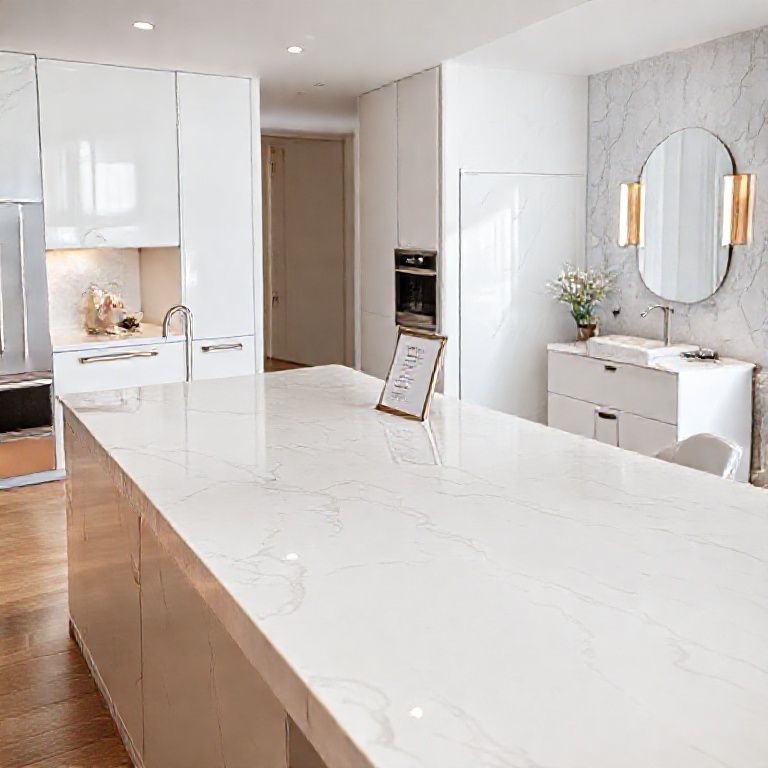
The inherent durability and longevity of Corian are also critical components of its economic equation. While it might have a higher upfront cost than some laminate or vinyl alternatives, its resistance to impact, staining, and UV radiation means it will stand the test of time. It’s less prone to chipping and cracking than many natural stones, and its non-porous surface means spills from wine, coffee, or cooking ingredients won’t penetrate and cause permanent stains. This means less money spent on repairs, replacements, or specialized cleaning products over the lifespan of the material. When you factor in the decades of reliable performance, the “cost per year” of Corian often proves to be significantly lower than many competing materials. This is the essence of true value – a long-term return on investment that continues to pay dividends in terms of both aesthetics and functionality. The initial “price per ton” pales in comparison to the years of satisfaction and minimal upkeep.
Beyond countertops, Corian’s applications are vast, further contributing to its perceived value and utility. It’s used in wall cladding, integrated sinks and basins, shower surrounds, furniture, and even artistic installations. This adaptability means a single material can be used throughout a project, creating a cohesive and harmonious design language. The ability to thermoform Corian allows for curved edges, custom shapes, and intricate designs that are impossible with rigid materials. This design freedom, while potentially increasing fabrication costs, unlocks creative possibilities that can elevate a project from ordinary to extraordinary. When considering the “price,” it’s important to think about what you can create with the material, not just its raw material cost. The ability to seamlessly integrate sinks, for example, eliminates the unsightly rim of a drop-in sink and makes cleaning a breeze – a tangible benefit that adds to the overall value proposition.
Understanding the “可丽耐人造石价格多少钱一吨” requires a shift in perspective. It’s not about the weight of the material alone, but about the innovation, the design potential, the hygienic advantages, the durability, and the enduring beauty that Corian solid surface offers. It’s an investment in a surface that is as practical as it is beautiful, designed to enhance living spaces for years to come. The true cost is not just in the dollars spent, but in the enhanced lifestyle and peace of mind that comes with choosing a material of such caliber.
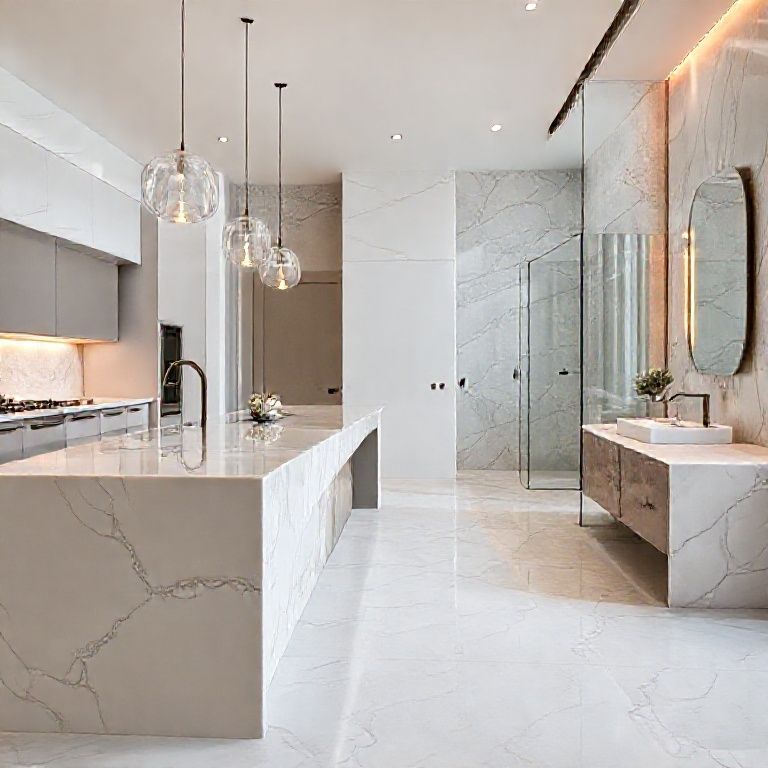
Continuing our exploration of “可丽耐人造石价格多少钱一吨” – the price of Corian solid surface per ton – it becomes increasingly evident that this query is a jumping-off point for a deeper appreciation of the material’s multifaceted value proposition. While the raw material cost per unit is a starting point, the true economic and aesthetic narrative of Corian unfolds when we consider the intricacies of fabrication, installation, and the long-term cost of ownership. This isn’t merely about acquiring material; it’s about investing in a sophisticated surface solution that integrates seamlessly into modern living.
The fabrication process for Corian is a significant component of its overall price and a key differentiator from other countertop materials. Unlike natural stone, which is primarily cut and polished, Corian can be worked with techniques similar to woodworking. It can be cut, routed, sanded, and even heated and shaped into complex curves and forms. This thermoforming capability opens up a world of design possibilities, allowing for bespoke solutions that are unique to each project. Integrated sinks that flow seamlessly from the countertop, curved reception desks, or intricate wall panels are all achievable with Corian. This level of customization, while demanding skilled labor and specialized equipment, is where much of the material’s value is realized. The “price per ton” doesn’t account for the artistry and engineering involved in transforming a flat sheet into a sculpted masterpiece.
Skilled craftsmanship is paramount in the fabrication and installation of Corian. Because of its seamless joining capabilities and the need for precise cuts and finishes, experienced fabricators are essential. They understand how to work with the material, ensuring invisible seams, perfectly flush installations, and a flawless final product. This expertise comes at a cost, but it’s an investment in the longevity and aesthetic integrity of the surface. A poorly installed Corian surface, while perhaps initially cheaper, will quickly reveal its flaws through visible seams, uneven finishes, or chipping at vulnerable points. The “price” you pay for Corian should reflect the quality of the fabricator and installer, as this directly impacts the long-term performance and appearance of your investment. It’s akin to buying a high-performance car; you expect a certain level of engineering and precision, and that comes with a price tag reflecting that expertise.
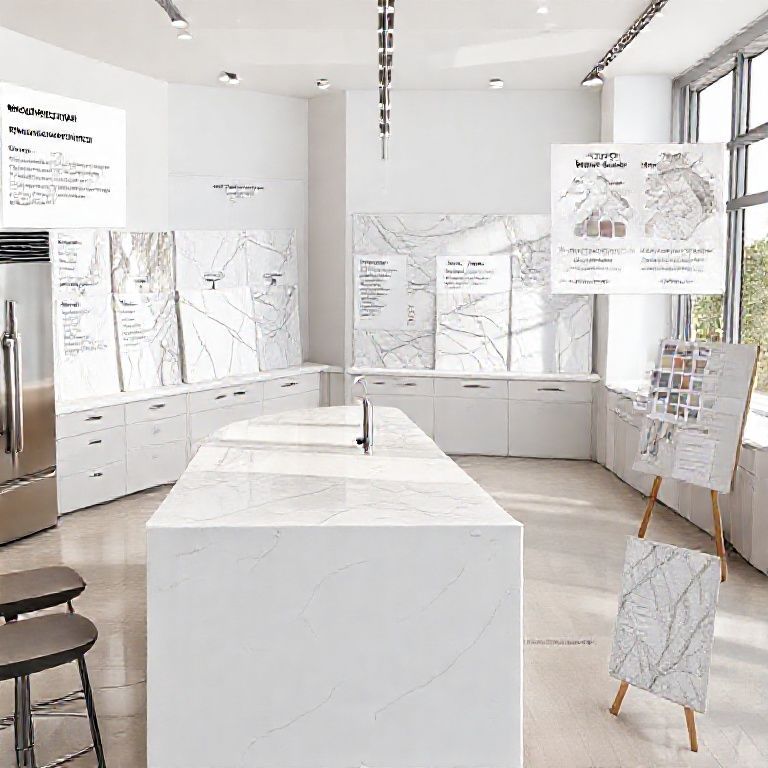
The concept of “cost of ownership” is where Corian truly shines, often justifying its initial price point. When compared to materials that require frequent sealing, polishing, or specialized cleaning, Corian offers a remarkably low maintenance lifestyle. Its non-porous nature means that common household spills, from red wine to kitchen grease, do not penetrate the surface and cause staining. A simple wipe-down with soap and water is usually sufficient to keep it looking pristine. This ease of care translates into significant savings over time, both in terms of cleaning supplies and the time spent on maintenance. Furthermore, its durability means that it is less prone to the wear and tear that can affect other materials. Unlike laminate, which can delaminate or chip, or softer natural stones that can etch or stain, Corian maintains its appearance with minimal effort. This resilience is a tangible economic benefit that extends for decades.
Repairability is another crucial aspect of Corian’s long-term value. Minor scratches or scuffs, which can be an inevitable part of daily use, can often be buffed out by a professional fabricator, restoring the surface to its original condition. Even deeper damage can sometimes be repaired by cutting out the damaged section and seamlessly inserting a new piece of matching Corian. This ability to repair and refinish the material is a significant advantage over many other solid surface options. Imagine a chipped edge on a granite countertop; it often requires replacement of the entire slab or a costly, visible repair. With Corian, the repair is often seamless and far more cost-effective, extending the life of the material and preserving its aesthetic appeal. This inherent reparability contributes to a lower overall cost of ownership.
When people inquire about “可丽耐人造石价格多少钱一吨,” they are often trying to benchmark the material against others. However, a direct per-ton comparison can be misleading. The weight of a material is not always indicative of its performance or its overall value. Corian’s unique composition and manufacturing process result in a material that offers a different set of benefits. It’s about more than just density; it’s about the engineered properties that make it suitable for a vast range of applications, from high-traffic commercial spaces to the most intimate home kitchens. The cost is a reflection of the advanced technology, the design flexibility, and the enduring performance it delivers.
The economic landscape also plays a role. Global supply chains, manufacturing costs, and market demand can all influence the price of Corian. However, the brand’s long-standing reputation for quality and innovation means that its value proposition remains consistent. When you invest in Corian, you are investing in a material that has been proven over decades, a material that is trusted by designers and homeowners worldwide for its aesthetic appeal, hygienic properties, and longevity. The “price” is an acknowledgement of this established quality and the continuous research and development that ensures Corian remains at the forefront of solid surface technology.
In conclusion, to truly understand the “可丽耐人造石价格多少钱一吨,” one must look beyond the literal interpretation of weight and price per unit. Corian solid surface represents an investment in a material that offers unparalleled design freedom, exceptional hygiene, remarkable durability, and ease of maintenance. The “price” encompasses the sophisticated engineering, the skilled fabrication, the seamless installation, and the long-term value that continues to appreciate over the lifespan of the material. It is a choice for those who value aesthetics, functionality, and an enduring legacy in their living and working spaces, a testament to the fact that true value often lies in more than just the initial cost.









