
In the realm of interior design, where form and function dance a perpetual waltz, certain materials emerge as true stars, capable of transforming ordinary spaces into extraordinary ones. Among these luminaries, Corian, a DuPont™ original solid surface material, shines with an undeniable brilliance. It’s more than just a countertop; it’s a canvas for creativity, a testament to innovation, and a smart investment for any discerning homeowner or designer. If you’ve ever found yourself captivated by seamless designs, vibrant colors, and surfaces that feel as luxurious as they look, then the allure of Corian is likely speaking to you.

The magic of Corian lies in its unique composition. A blend of natural minerals and acrylic polymers, it possesses an inherent versatility that few other materials can match. Unlike natural stone, which comes with its own set of limitations and variations, Corian offers a controlled and consistent aesthetic. This means that the dream color you envision is precisely the color you’ll get, and the seamless integration that so many designers strive for is not just achievable, but effortless. The non-porous nature of Corian is a significant draw. This characteristic is paramount in areas like kitchens and bathrooms, where hygiene and ease of maintenance are non-negotiable. Spills, stains, and even tougher grime are no match for Corian’s resilient surface. A simple wipe with soap and water is often all that’s needed to restore its pristine appearance. This is a stark contrast to materials like granite or marble, which require regular sealing and can be susceptible to etching and staining if not meticulously cared for.
The design possibilities with Corian are truly expansive. The material can be thermoformed, meaning it can be heated and shaped into gentle curves, dramatic sweeps, and even intricate three-dimensional forms. This ability opens up a world of creative potential, allowing for countertops that wrap around islands, integrated sinks that appear to grow organically from the surface, and backsplashes that flow seamlessly into countertops. The absence of visible seams is another hallmark of Corian’s design superiority. Through a specialized process, pieces of Corian can be joined together so expertly that the seams become virtually invisible. This creates a continuous, flowing surface that not only looks elegant but also prevents the buildup of dirt and bacteria in grout lines or adhesive gaps. Imagine a kitchen island that looks like a single, monolithic sculpture, or a bathroom vanity that presents a smooth, uncluttered expanse. This is the power of Corian’s seamless design.
The palette of Corian is as diverse as the imaginations that employ it. From the stark purity of whites and the deep sophistication of blacks to a spectrum of earthy neutrals, vibrant solids, and subtly veined patterns that mimic natural stone, there’s a Corian color to suit every aesthetic. Whether you’re aiming for a minimalist, modern look, a warm and inviting farmhouse feel, or a bold, contemporary statement, Corian offers the hue and texture to bring your vision to life. Beyond its visual appeal, Corian is also remarkably durable. It’s resistant to impact and wear, making it a practical choice for high-traffic areas. While it is not indestructible, it is designed to withstand the rigors of daily life. Minor scratches or scuffs, which can occur with any surface, can often be buffed out, preserving the beauty of your Corian for years to come. This inherent resilience, coupled with its aesthetic appeal, makes Corian a compelling choice for a variety of applications.
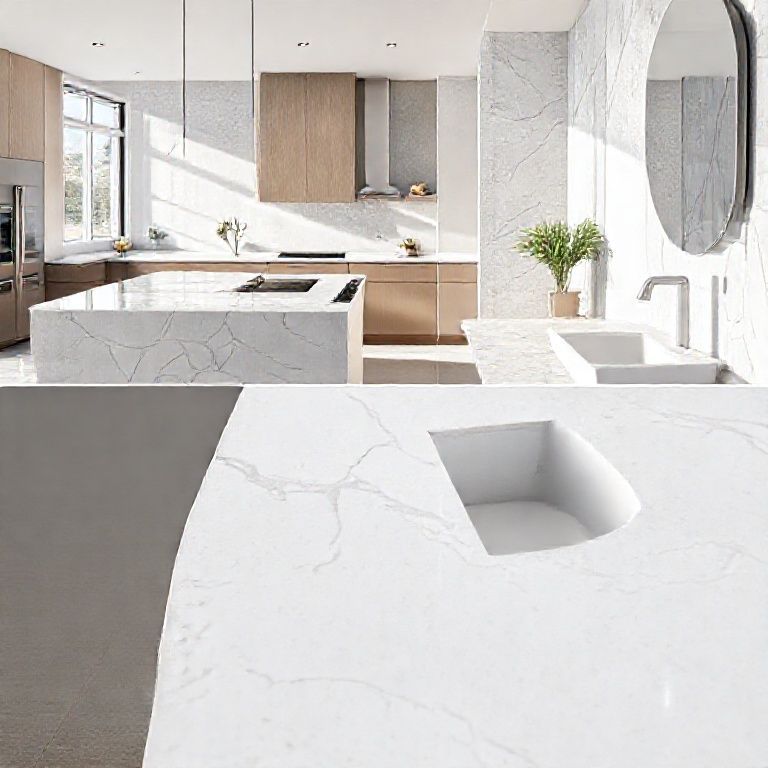
In kitchens, Corian countertops offer a clean, hygienic, and visually stunning workspace. Integrated sinks, as mentioned, are a game-changer, eliminating the dreaded gunk that can collect around sink edges. This seamless integration creates a streamlined look and simplifies cleaning immensely. For bathrooms, Corian’s non-porous nature is a significant advantage, resisting moisture and mildew, which are common concerns in humid environments. Vanities, shower surrounds, and even bathtubs can be fashioned from Corian, offering a cohesive and luxurious feel. But Corian’s applications extend far beyond the domestic sphere. In commercial settings, its durability, hygiene, and aesthetic flexibility make it ideal for reception desks, laboratory benches, healthcare surfaces, and retail displays. The ability to create custom shapes and integrate branding elements adds another layer of appeal for businesses. The inherent qualities of Corian make it a material that truly performs as beautifully as it looks, offering a sophisticated and practical solution for a multitude of design challenges. Its enduring popularity is a testament to its ability to harmonize beauty, performance, and enduring value.
The initial allure of Corian solid surface often leads to a natural question: what about the price? Understanding the cost associated with Corian is essential for anyone considering it for their home or commercial project. It’s important to preface this by saying that Corian is a premium material, and its pricing reflects its superior quality, manufacturing process, and design versatility. However, when viewed in the context of its longevity, performance, and the value it adds to a space, many find it to be a worthwhile investment.
The price of Corian can fluctuate based on several key factors. The most significant driver is, of course, the specific color or pattern chosen. Corian offers a vast array of options, and these range from solid, foundational colors to more intricate patterns that mimic the look of natural stone, such as marble or granite. The simpler, more basic colors are generally at the lower end of the Corian price spectrum, while the more complex patterns, especially those with detailed veining or special effects, tend to be more expensive. This is a common pricing structure across many material types; the more intricate the aesthetic, the higher the cost.
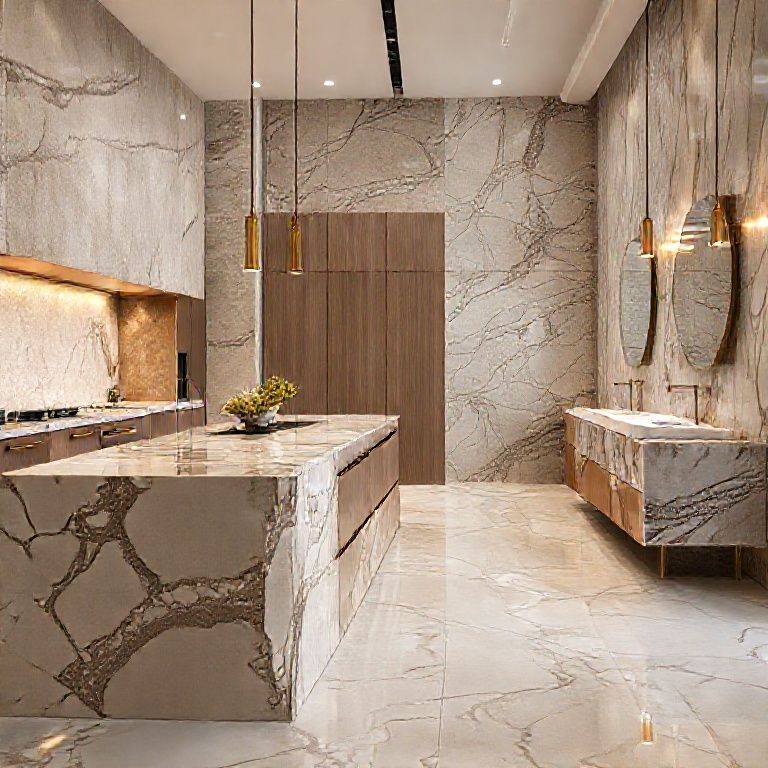
Beyond the color, the complexity of the fabrication and installation process also plays a role. A simple, straight-edged countertop with a standard sink cut-out will be less costly to produce and install than a custom-designed piece with intricate curves, thermoformed elements, or integrated features like drainboards or specialized edge profiles. The more bespoke and elaborate the design, the more skilled labor and precise manufacturing are required, which naturally translates to a higher price point. For instance, an integrated Corian sink, while offering unparalleled aesthetic and hygienic benefits, will add to the overall cost compared to a standard undermount sink fabricated from a different material.
The thickness of the Corian sheet can also influence the price. While standard countertops are typically fabricated from 1/2-inch thick material, thicker applications or specialized structural needs might call for thicker Corian, which will naturally increase the material cost. Furthermore, the specific edge treatment chosen can impact the final price. Simple eased edges are usually standard, but more decorative options like ogee, bullnose, or custom profiles can add to the labor and material cost.
When comparing Corian to other countertop materials, it’s helpful to consider its position in the market. Corian is generally priced higher than laminate, which is its most budget-friendly alternative. However, it typically falls within a similar price range or is slightly more affordable than many types of natural stone, such as granite or marble, especially when factoring in the cost of fabrication, installation, and sealing for those materials. Quartz, another popular solid surface material, often has a comparable price point to Corian, with variations depending on the specific brand and pattern. The key differentiator often lies in Corian’s unique ability for seamless integration and thermoforming, capabilities that set it apart from some competing materials.
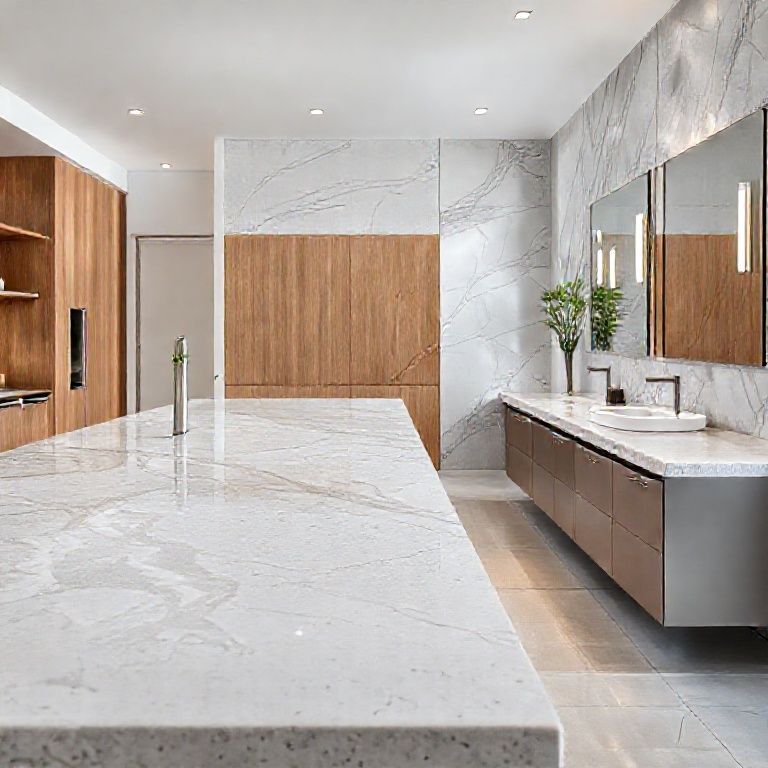
So, what can you expect to pay? While it’s impossible to give a precise figure without a detailed project quote, a general guideline for Corian solid surface, including fabrication and installation, can range from approximately $50 to $150 per square foot. This wide range accounts for the variations in color complexity, edge profiles, fabrication intricacy, and regional labor costs. The most budget-friendly Corian colors and simpler designs might fall closer to the $50-$75 mark, while more premium patterns, custom shapes, and elaborate installations could reach or exceed $150 per square foot. It’s always recommended to obtain multiple quotes from reputable Corian fabricators in your area for the most accurate pricing for your specific project.
When you receive a quote, ensure it clearly outlines what is included: the material itself, the fabrication of edges and sink cut-outs, the installation, and any templating or design consultation. Don’t hesitate to ask questions about the materials and processes used. The beauty of Corian is that it’s not just about the initial cost; it’s about the long-term value. Its durability means it resists chipping and cracking more effectively than some other materials. Its non-porous nature means no expensive sealing or special cleaning agents are required, saving you time and money over the years. And its repairability – the ability to buff out scratches or repair damage – means that minor mishaps don’t necessitate a complete replacement. In essence, Corian offers a blend of aesthetic sophistication and practical resilience that translates into enduring value, making it a compelling choice for those who appreciate quality and enduring design.









