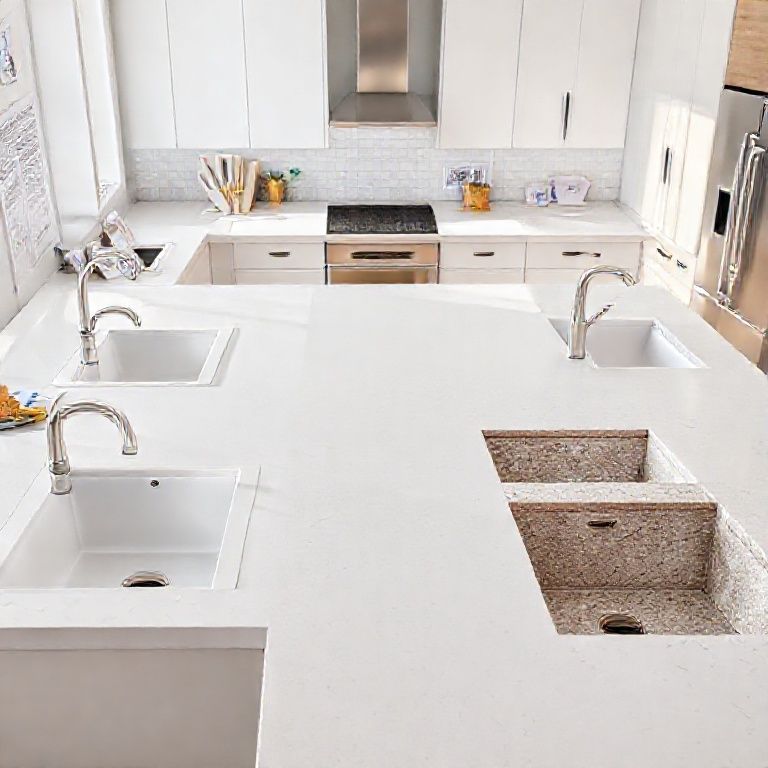
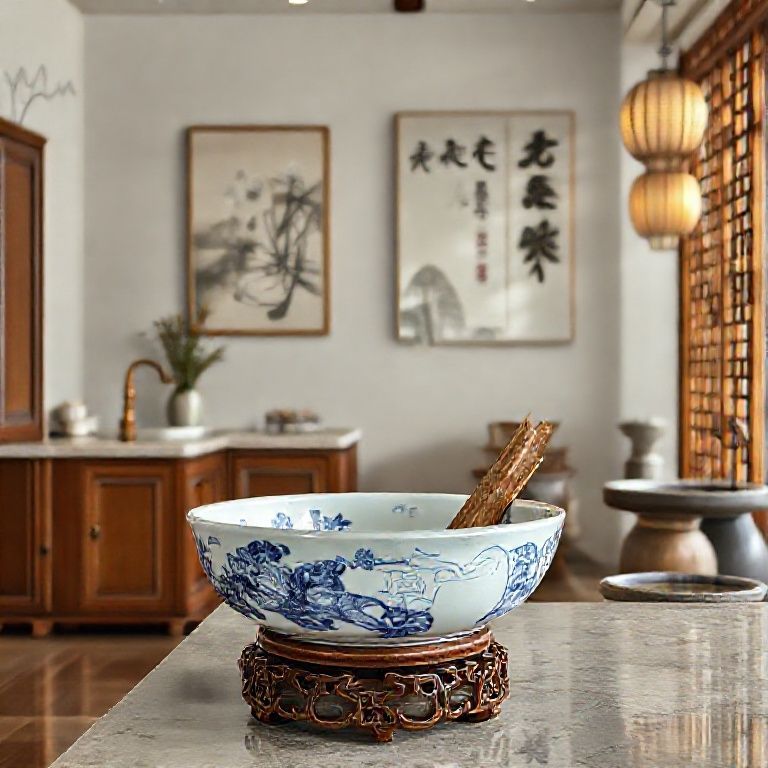
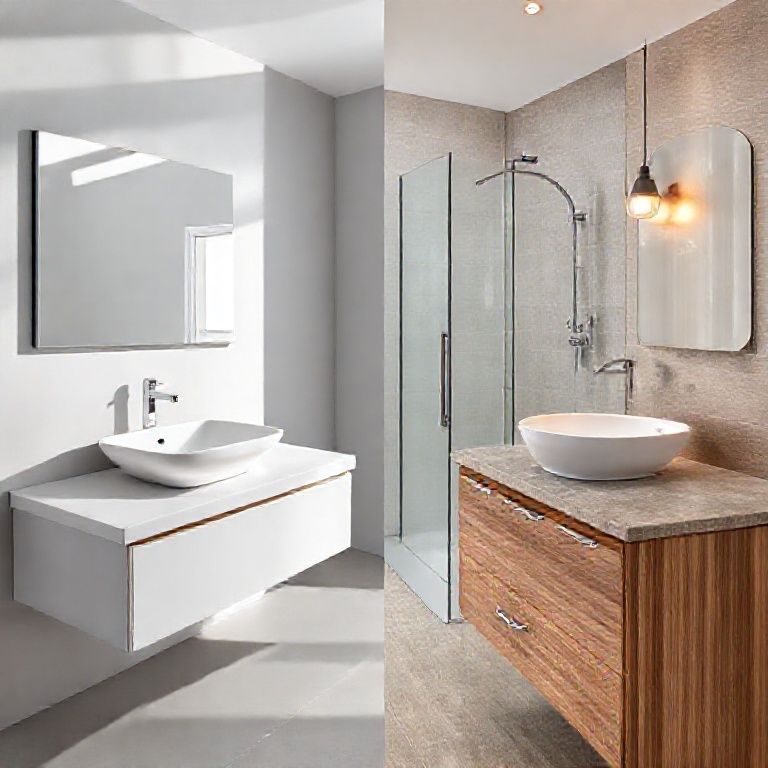
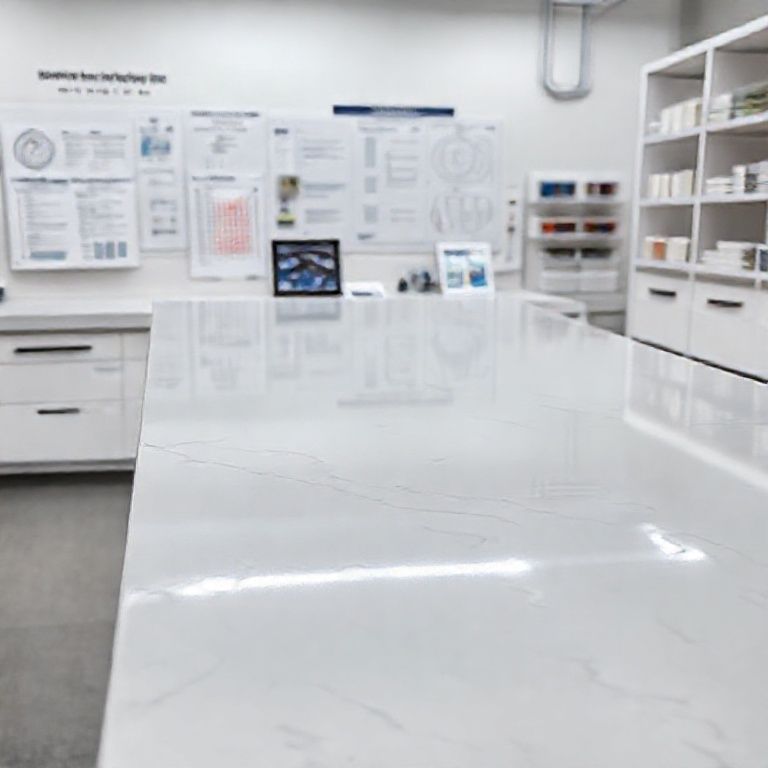
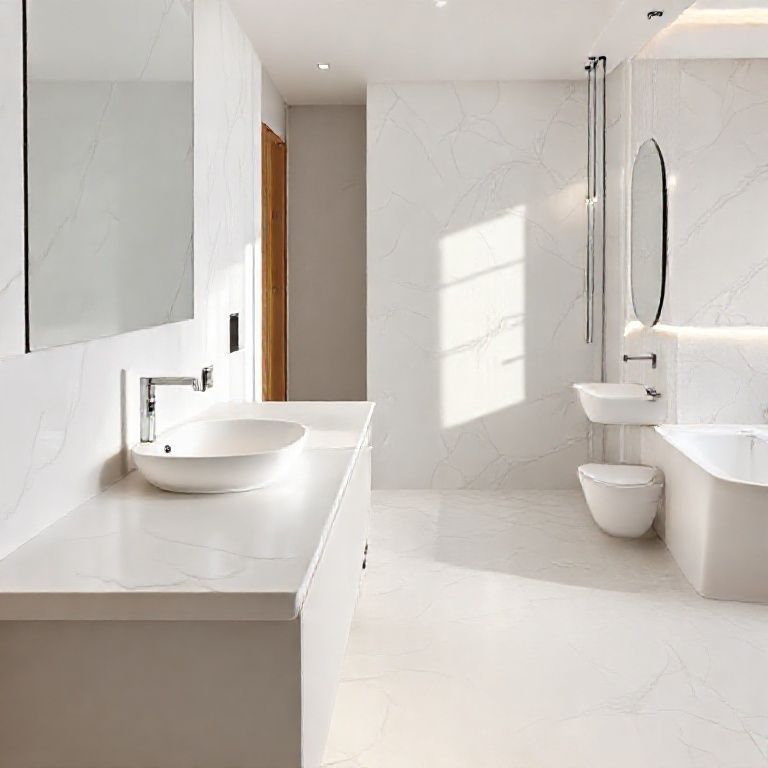
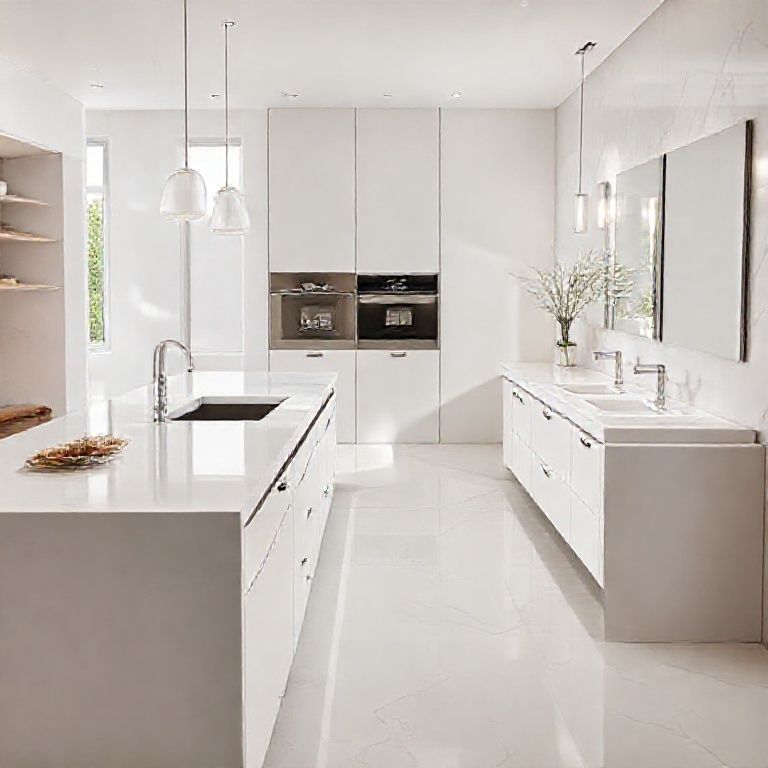
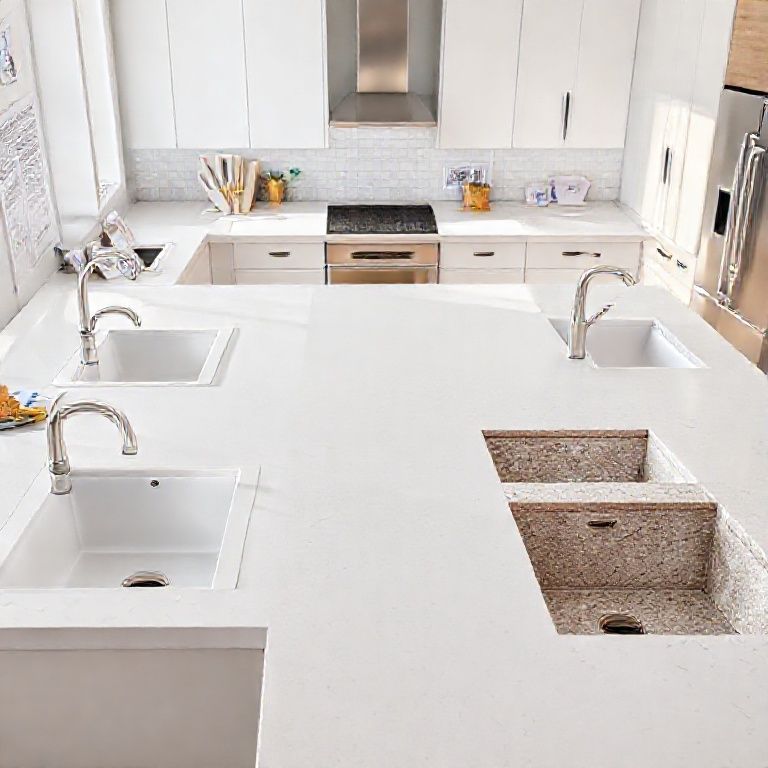
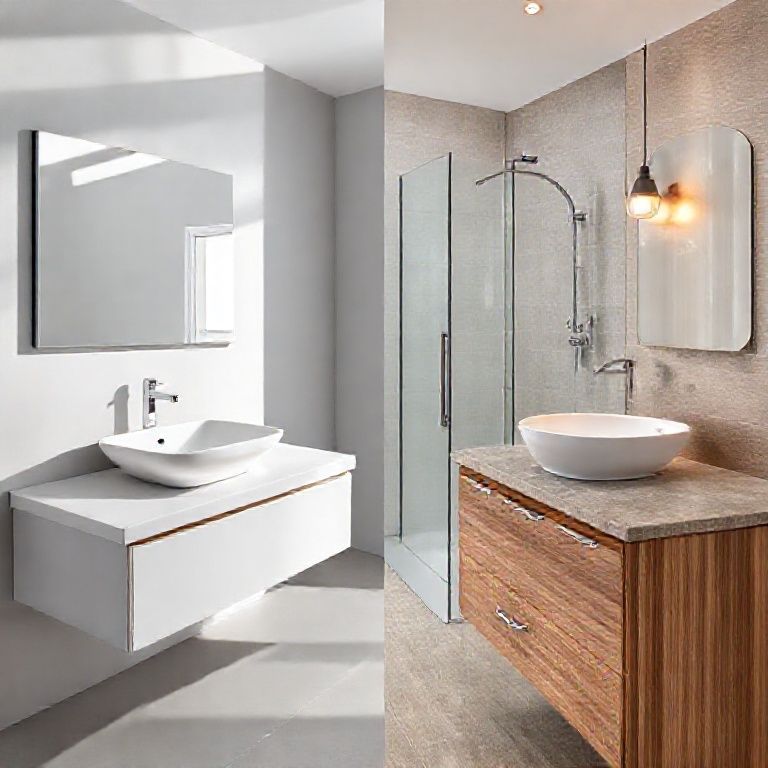
In today’s world of home renovation and interior design, countertops play a pivotal role in defining the aesthetic and functionality of your kitchen and bathroom spaces. Among the various options available, artificial stone and quartz countertops have emerged as top contenders. While both materials offer exceptional durability and a range of design possibilities, they cater to different preferences and requirements. This first part of our detailed comparison will delve into the characteristics, benefits, and considerations of artificial stone versus quartz countertops.
What is Artificial Stone?
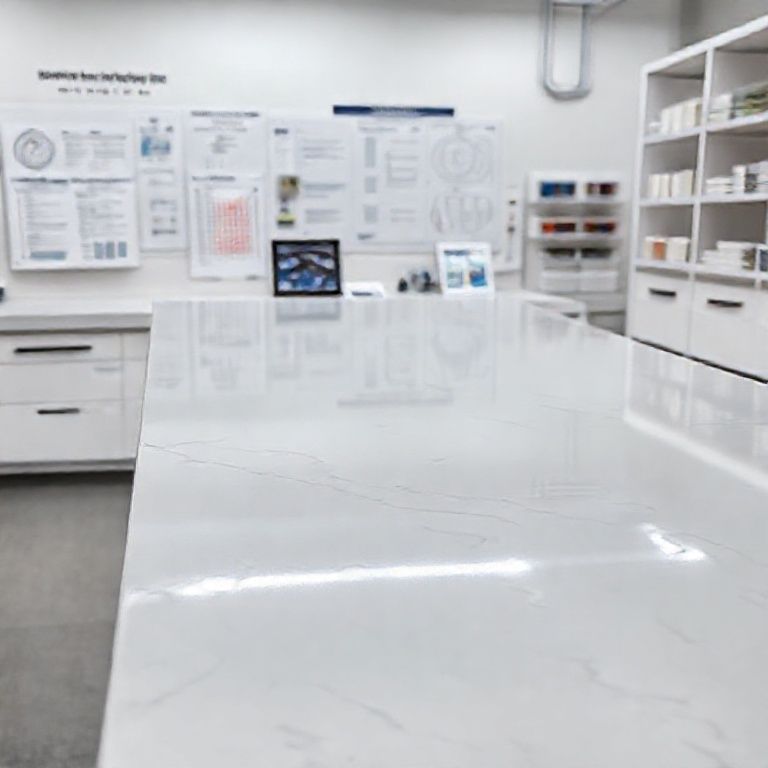
Artificial stone, often referred to as cultured marble, is a composite material that combines natural marble dust with resin. This combination produces a stone that mimics the appearance of natural stone while offering superior durability and cost-effectiveness. Artificial stone is crafted in a laboratory setting, allowing manufacturers to control the quality and consistency of the final product.
Key Characteristics of Artificial Stone
Durability and Strength: Artificial stone is known for its impressive strength and durability. It is less prone to scratches and chips compared to natural stone, making it an excellent choice for high-traffic areas. The resin binding in artificial stone provides added resistance to stains and impact.
Variety of Designs: The process of creating artificial stone allows for an extensive range of colors, patterns, and textures. This versatility means that you can mimic the appearance of virtually any natural stone, providing flexibility in design choices.
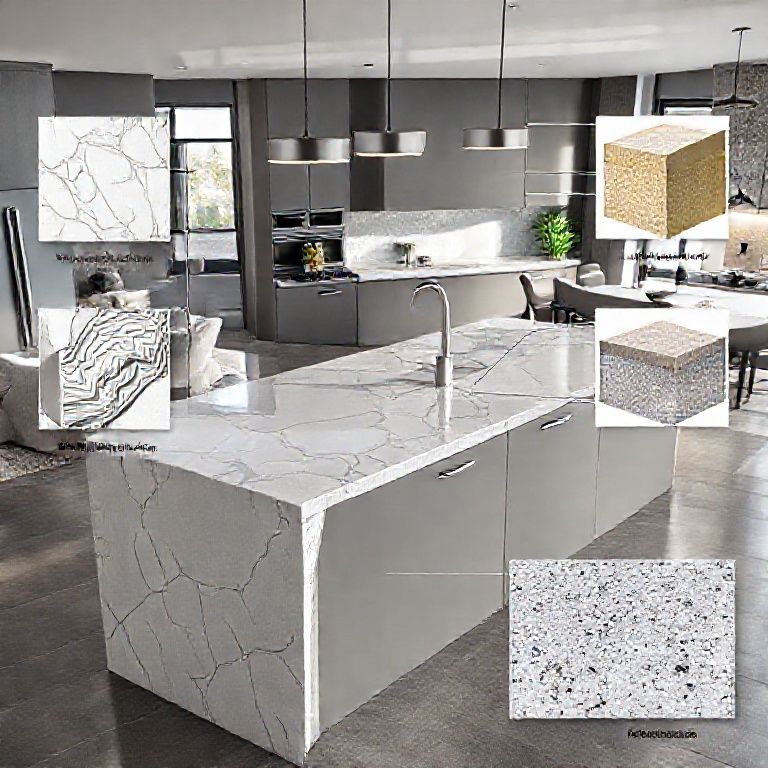
Cost-Effectiveness: Generally, artificial stone is more affordable than natural stone. Its lower cost can make it a more accessible option for homeowners looking to enhance their space without breaking the bank.
Maintenance: Artificial stone requires minimal maintenance. It is easy to clean with basic household cleaning supplies and does not require sealing or special treatments to maintain its appearance.
What is Quartz?
Quartz, a material composed of 93% natural quartz and 7% resin, is a high-performance countertop material that has gained immense popularity for its durability, beauty, and ease of maintenance. Manufactured by companies like Stoneware and Cosentino, quartz countertops are formed through a proprietary process that fuses the natural quartz with resin to create a solid surface.
Key Characteristics of Quartz
Unmatched Durability: Quartz is one of the hardest natural materials available, ranking 7 on the Mohs scale. This makes it highly resistant to scratches, stains, and heat. Quartz countertops can withstand everyday wear and tear without showing signs of damage.
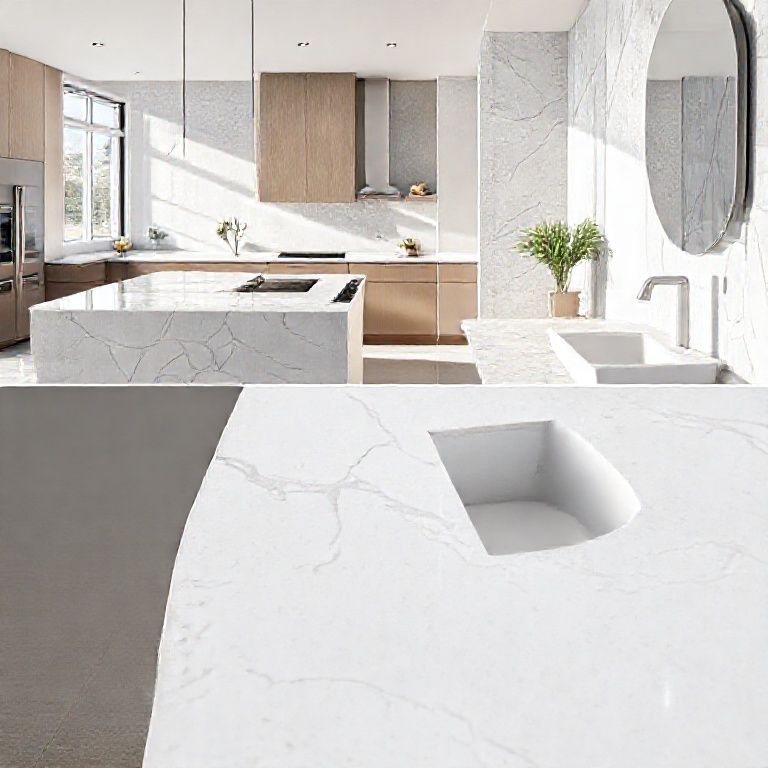
Sophisticated Aesthetics: Quartz offers an unparalleled level of design flexibility. Its ability to be colored and patterned at the molecular level allows for an array of stunning visual effects. The result is a countertop that can blend seamlessly with modern, contemporary, or traditional styles.
Low Maintenance: One of the standout features of quartz is its ease of maintenance. Unlike natural stone, quartz does not require sealing, which eliminates the risk of staining. It is also resistant to bacteria and mold, making it a hygienic choice for kitchen and bathroom countertops.
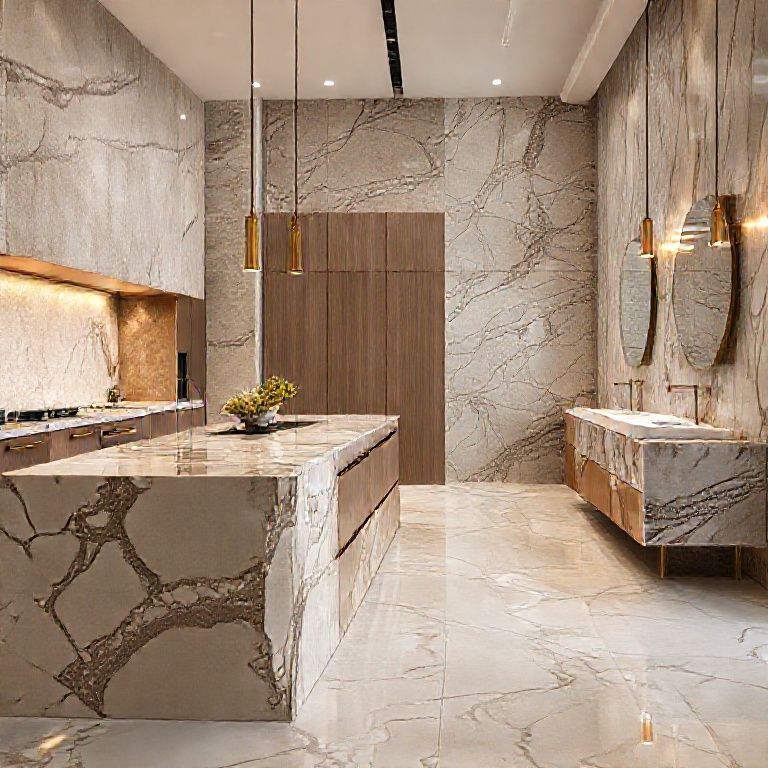
Cost-Effectiveness: While quartz can be more expensive than artificial stone, it offers long-term value due to its durability and low maintenance requirements. The initial investment is offset by the material’s longevity and minimal upkeep.
Comparing Artificial Stone and Quartz
When deciding between artificial stone and quartz, several factors come into play, including aesthetic preferences, budget considerations, and functional requirements.
Aesthetics
Both materials offer impressive design flexibility, but quartz often provides a more refined and sophisticated look. The molecular coloring process in quartz allows for intricate patterns and a wide range of colors that can enhance the visual appeal of your space. Artificial stone, while versatile, may not match the depth and complexity of quartz’s aesthetic possibilities.
Budget
If budget is a primary consideration, artificial stone may be the more practical choice. It offers a cost-effective solution without sacrificing much in terms of appearance or durability. Quartz, while more expensive, provides a premium look and superior performance that can justify the higher price tag over time.
Durability and Maintenance
In terms of durability, quartz takes the lead due to its hardness and resistance to scratches, stains, and heat. Artificial stone, while strong, is not as durable as quartz. When it comes to maintenance, both materials are low-maintenance, but quartz’s lack of need for sealing makes it even easier to care for.
Installation and Flexibility
Both materials are available in various shapes and sizes, making them versatile for different design needs. However, quartz’s ability to be colored and patterned at the molecular level provides unmatched flexibility in creating custom designs. Artificial stone, while flexible, may not offer the same level of customization as quartz.
Conclusion
Choosing between artificial stone and quartz countertops depends on your specific needs and preferences. Artificial stone offers a cost-effective and versatile option that can mimic the look of natural stone, while quartz provides unmatched durability, sophisticated aesthetics, and low maintenance. The next part of our comparison will explore more detailed considerations, including environmental impact, installation processes, and long-term value, to help you make an informed decision for your home renovation project. Stay tuned!