
Corian, a name that has become almost synonymous with “solid surface,” has carved out a significant niche in the world of interior design, particularly for countertops and surfaces. Developed by DuPont in the late 1960s, this man-made material has steadily gained popularity due to its unique blend of form and function. But like any material, it’s not a one-size-fits-all solution. Understanding its strengths and weaknesses is key to making an informed decision for your home or project. Let’s embark on a journey to uncover the compelling advantages that make Corian a darling of designers and homeowners alike, and then we’ll temper that enthusiasm with a realistic look at its potential downsides.

One of the most celebrated aspects of Corian is its seamless appearance and design flexibility. Unlike natural stones or laminate, Corian can be fabricated with virtually invisible seams. This is achieved through specialized adhesives that, when cured, create a bond that is as strong as the material itself and visually indistinguishable. Imagine a kitchen island that appears to be carved from a single, monumental block, or a bathroom vanity that flows effortlessly into the sink basin – this is the magic of seamless Corian. This inherent characteristic also means that dirt and grime have fewer places to hide, contributing to a more hygienic surface. Beyond the seams, Corian’s design potential is vast. It’s non-porous, meaning it won’t absorb liquids, a critical feature for kitchens and bathrooms. This also translates to excellent stain resistance. While some substances might cause a temporary discoloration, most common household spills – coffee, wine, juice – can be wiped away with ease. The material’s uniformity means that scratches or chips, which can occur with any countertop material, can often be repaired relatively easily by a qualified fabricator. Minor scratches can be buffed out, and deeper damage can sometimes be filled and re-sanded to match the surrounding surface, often restoring the material to its original glory.
The aesthetic versatility of Corian is another major draw. It comes in an astonishing array of colors and patterns, ranging from solid, vibrant hues to intricate designs that mimic the look of granite, marble, or even abstract art. This breadth of choice allows designers and homeowners to achieve a wide range of looks, from minimalist and modern to classic and traditional. Whether you’re aiming for a dramatic waterfall edge on your island or a simple, clean-lined vanity, Corian can adapt. Furthermore, Corian is thermoformable. This means it can be heated and molded into curves and complex shapes that are impossible with many other solid materials. This opens up a world of creative possibilities, allowing for unique architectural features, integrated sinks that blend seamlessly with the countertop, and furniture pieces with organic, flowing lines. This ability to be shaped and sculpted adds a bespoke touch to any space, setting it apart from the ordinary.
Hygiene and ease of maintenance are paramount in many living spaces, and Corian truly shines in this regard. Its non-porous nature is a significant advantage. Unlike granite or marble, which require regular sealing to prevent staining and bacterial growth, Corian is inherently resistant to moisture and doesn’t harbor germs. This makes it an excellent choice for healthcare environments, food preparation areas, and family homes where cleanliness is a top priority. For everyday cleaning, a damp cloth and mild soap are usually sufficient. Tougher stains can often be tackled with an ammonia-based cleaner or a non-abrasive scrubbing pad. This low-maintenance aspect appeals to those who prefer to spend less time cleaning and more time enjoying their homes. The durability, while a nuanced topic, is also a significant plus. While not impervious to damage, Corian is generally robust enough to withstand the rigors of daily use in a busy household. Its solid composition means that it won’t delaminate or chip like some laminates, and its resistance to UV rays makes it a suitable option for areas that receive a lot of sunlight.
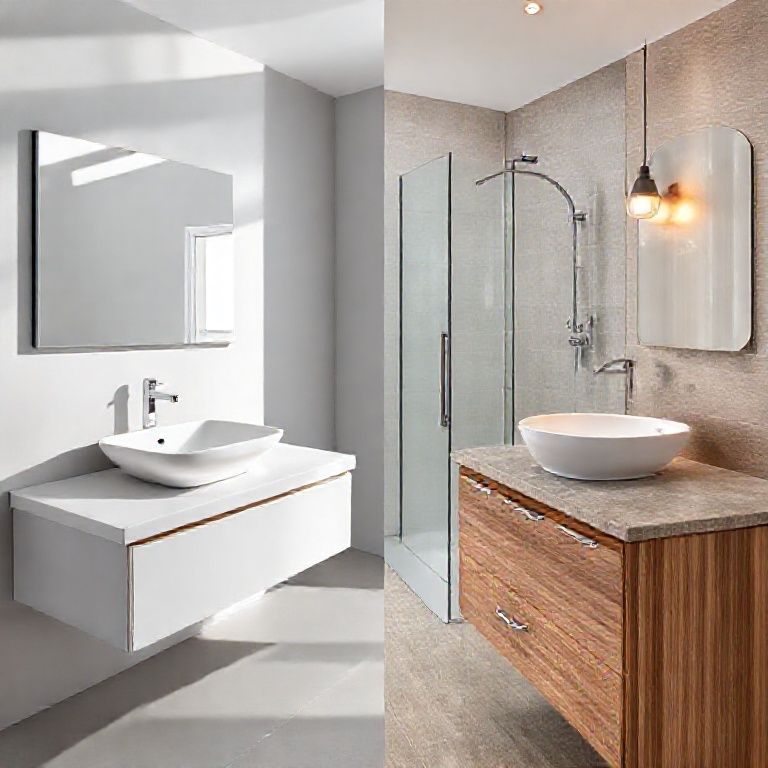
Finally, the integrated sink options are a game-changer for many. Corian sinks can be fabricated and seamlessly bonded to the countertop, creating a continuous, unbroken surface. This not only enhances the aesthetic appeal by eliminating the visible grout lines and edges found with undermount or drop-in sinks but also significantly improves hygiene. There are no crevices for food particles or bacteria to accumulate, making cleaning a breeze. This integrated design is particularly popular in bathrooms and kitchens where both style and practicality are highly valued. The ability to customize sink shapes and sizes further adds to the appeal, allowing for a truly bespoke solution that perfectly fits the user’s needs and design vision.
These advantages – seamless beauty, design flexibility, aesthetic variety, hygienic properties, and integrated functionality – paint a compelling picture of why Corian remains a popular choice. It offers a blend of practical benefits and creative freedom that is hard to match, making it a material that can elevate the look and feel of any interior space. However, as we’ll explore in the next part, no material is without its compromises, and understanding these potential drawbacks is just as crucial as appreciating its strengths.
While the seamless integration, design versatility, and hygienic benefits of Corian are undeniably attractive, it’s important to approach any material choice with a balanced perspective. Understanding the potential drawbacks of Corian solid surface ensures that you’re making a decision that aligns with your lifestyle, budget, and expectations. Let’s delve into the aspects where Corian might not be the perfect fit for everyone.
One of the most significant considerations for many is susceptibility to scratches and heat damage. While Corian is durable, it’s not impervious. Its relatively soft composition, compared to natural stone like granite or quartz, means it can be scratched by sharp objects or abrasive cleaning materials. While minor scratches can often be buffed out by a professional, deeper gouges or significant surface damage might require more extensive repairs or even replacement of sections. This necessitates a mindful approach to kitchen and bathroom use. Using cutting boards for food preparation and being cautious with abrasive cleaners are essential practices when working with Corian. Similarly, extreme heat can pose a problem. While Corian can withstand moderate temperatures, placing extremely hot pots or pans directly from the stove or oven onto the surface can cause thermal shock, leading to discoloration, cracking, or warping. Using trivets or hot pads is a non-negotiable requirement for preserving the integrity of Corian surfaces, especially in a busy kitchen environment. This is a marked difference from materials like granite, which are far more resistant to heat.
The cost of Corian can also be a deciding factor. While it’s often positioned as a mid-range material, it’s typically more expensive than laminate options. The price can vary significantly depending on the color and pattern chosen, with more complex or exotic designs often commanding a higher price tag. Furthermore, the cost of fabrication and installation can be substantial, especially for custom designs, intricate shapes, or integrated sinks. This makes Corian a significant investment, and it’s important to factor in the total cost, including the professional installation, which is crucial for achieving the seamless look and ensuring proper fit. When comparing it to other materials, it falls into a competitive bracket, often priced similarly to entry-level granite or engineered quartz, but it’s a step up from more budget-friendly options.
Another point of consideration is potential for discoloration from harsh chemicals. While Corian is generally stain-resistant to common household substances, prolonged exposure to certain harsh chemicals can lead to discoloration or surface damage. This includes strong solvents, oven cleaners, drain cleaners, and some paint removers. While accidental spills are usually manageable, intentional or prolonged contact with these substances should be avoided. This requires a certain level of vigilance in product selection for cleaning and maintenance, ensuring that you’re using appropriate and non-damaging cleaning agents. Again, this is a contrast to some natural stones which might be more resilient to a wider range of chemical exposures, though they often come with their own set of maintenance requirements.
While Corian can be repaired, the repair process might not always be perfect. While minor scratches can be effectively buffed out, and small chips can be filled, achieving a perfectly seamless repair for significant damage can be challenging. The color and pattern of the repair material must be an exact match to the surrounding Corian, and the skill of the fabricator plays a crucial role. In some cases, especially with older installations or complex patterns, even professional repairs might be subtly noticeable, particularly under certain lighting conditions. This means that while the material offers repairability, it’s not a guarantee of invisibility for all types of damage. This is an important distinction from materials that might simply be replaced in sections or are more forgiving of minor imperfections.
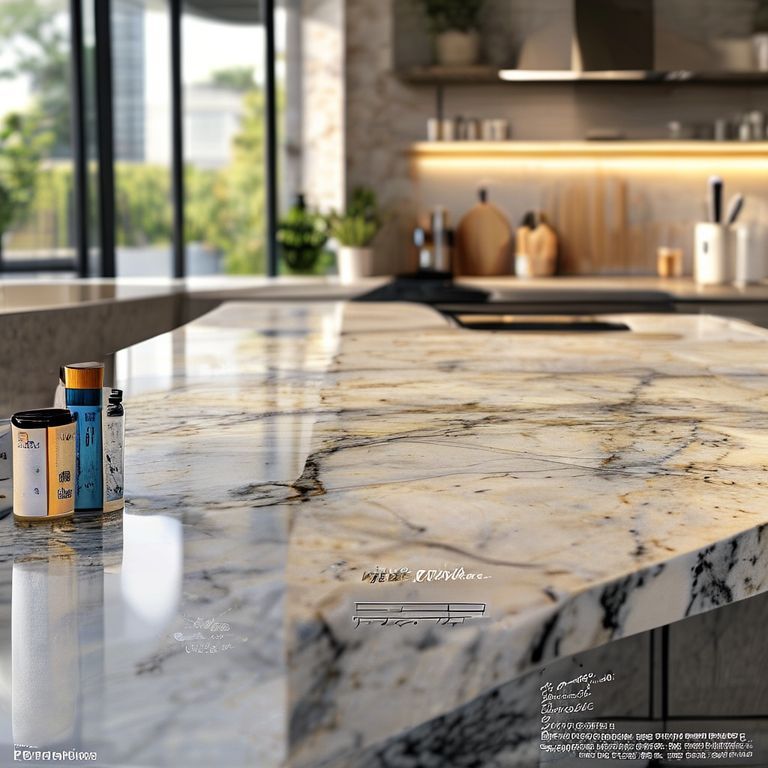
Finally, while the color and pattern options are extensive, there’s a degree of uniformity in its appearance that some might find less appealing than natural stone. Natural materials like granite and marble possess unique veining and mineral patterns that are formed over millennia, creating a one-of-a-kind aesthetic. Corian, being a manufactured product, replicates these patterns. While the replication is often very good, true aficionados of natural materials might notice the lack of that organic, geological uniqueness. For those who value the inherent imperfections and singular beauty of natural stone, Corian might feel a little too predictable or uniform. This is a matter of personal preference, but it’s a distinction worth noting for those drawn to the raw artistry of nature.
In conclusion, Corian solid surface offers a compelling combination of aesthetic appeal, design flexibility, and hygienic advantages. Its seamless nature, thermoformability, and low maintenance make it an excellent choice for many applications. However, it’s vital to weigh these benefits against its susceptibility to scratches and heat, its cost, and the potential limitations of its repairability and uniformity. By carefully considering both the pros and cons, you can determine if Corian is the ideal material to bring your design vision to life, ensuring a beautiful and functional outcome that you’ll be happy with for years to come.









