
The allure of a beautifully crafted surface has captivated homeowners and designers for centuries. From the opulent marble of ancient palaces to the robust granite gracing modern kitchens, natural stone has long been the benchmark for elegance and durability. However, the pursuit of such aesthetic grandeur often comes with a hefty price tag, a considerable installation challenge, and sometimes, a compromise on practicality. Enter artificial stone, a material that has quietly, yet powerfully, revolutionized the world of interior design by offering a compelling blend of breathtaking beauty and surprising affordability. The question on many minds, echoing across design forums and renovation wishlists, is: “人造石多少钱一平方米” – how much does artificial stone cost per square meter? This inquiry is not merely about a price point; it signifies a growing desire for accessible luxury, for surfaces that can elevate a space without breaking the bank.
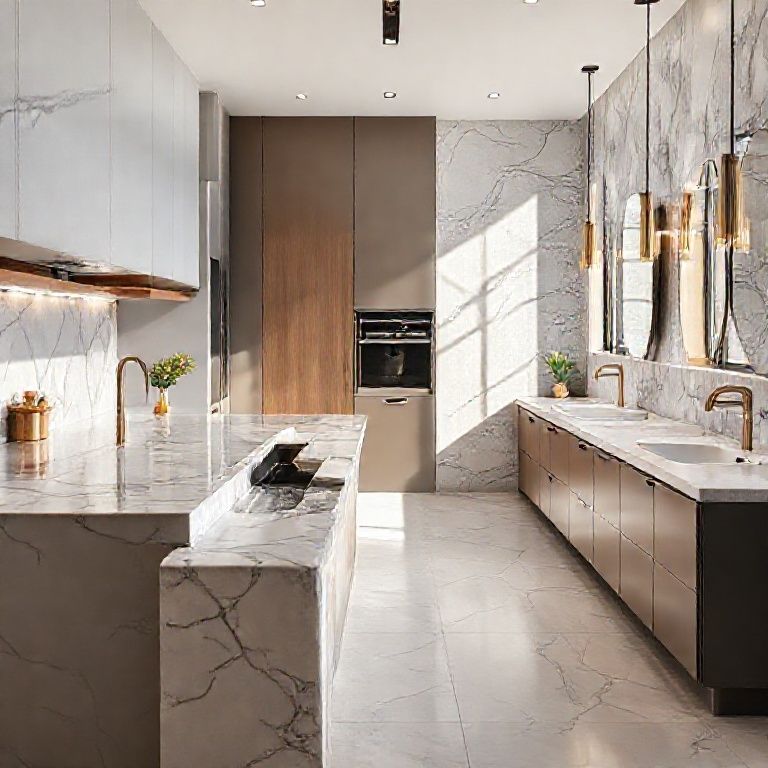
Artificial stone, often referred to as engineered stone or solid surface, is a sophisticated composite material. Unlike its natural counterparts, it’s a product of human ingenuity, meticulously crafted to mimic the desirable qualities of natural stone while overcoming its inherent limitations. The primary component is typically quartz crystals (for quartz surfaces), bound together with resins and pigments. Other forms of artificial stone might utilize other mineral fillers or polymers, each formulation offering a unique set of characteristics. This engineered nature is precisely what allows for such a vast spectrum of colors, patterns, and textures, from the subtle veining of imitation marble to the bold, abstract designs that are impossible to find in nature. This creative freedom is a significant part of artificial stone’s appeal, allowing designers and homeowners to achieve a bespoke look that perfectly complements their vision.
The cost of artificial stone per square meter is a multifaceted equation, influenced by several key factors. At the forefront is the type of artificial stone itself. Quartz surfaces, due to the high concentration of natural quartz and the advanced manufacturing process, generally command a higher price than some other engineered stone options. These are often considered the premium tier of artificial stone, prized for their exceptional hardness, non-porosity, and resistance to stains and scratches. Then there are other composite materials, sometimes grouped under the broader “artificial stone” umbrella, which might utilize different binders or fillers. These can offer a more budget-friendly entry point while still delivering a durable and attractive surface.
Beyond the material composition, the complexity of the design plays a crucial role in determining the per-square-meter cost. A solid, uniform color will typically be more economical than a complex pattern that requires precise alignment and color matching during manufacturing. Intricate veining, subtle gradients, and multi-tonal effects often involve more sophisticated production techniques and thus contribute to a higher price. Furthermore, the thickness of the slab is another variable. Thicker slabs, while offering a more substantial feel, will naturally cost more per square meter than their thinner counterparts.
The brand and manufacturer also exert a significant influence on pricing. Well-established, reputable brands that invest heavily in research and development, quality control, and marketing often have premium pricing. These brands are typically associated with superior performance, extended warranties, and a wider selection of cutting-edge designs. Conversely, lesser-known brands or generic options might offer a more competitive price point, which can be an attractive proposition for those working with a tighter budget. However, it’s always prudent to investigate the quality and long-term performance of these more affordable alternatives.
The geographical location of purchase can also subtly impact the price. Import duties, shipping costs, and local market demand can all contribute to variations in the cost per square meter from one region to another. When researching “人造石多少钱一平方米,” it’s essential to consider whether the quoted prices are inclusive of installation, fabrication, and any necessary edge treatments. These additional services can significantly add to the overall project cost, and understanding what is included in the per-square-meter price is critical for accurate budgeting. A seemingly low material cost can quickly escalate once these essential services are factored in.
One of the most compelling arguments for choosing artificial stone is its exceptional durability and low maintenance. Unlike natural stone, which can be porous and prone to staining if not properly sealed, many types of artificial stone, particularly quartz, are inherently non-porous. This means that spills like wine, coffee, or oil are unlikely to penetrate the surface, making them remarkably resistant to staining. This is a game-changer for busy kitchens and bathrooms where longevity and ease of cleaning are paramount. The consistent, engineered nature of the material also means it’s less susceptible to chipping or cracking compared to some natural stones. This robustness translates into a surface that not only looks good for years but also withstands the rigors of daily life with remarkable resilience. The thought of investing in a surface that will endure, that will maintain its pristine appearance with minimal effort, adds significant value to the initial investment. This is where the “value for money” aspect of artificial stone truly shines, making the initial inquiry of “人造石多少钱一平方米” morph into a deeper consideration of long-term benefits and lifestyle enhancement. The ability to enjoy a luxurious aesthetic without the constant worry of damage or intensive upkeep is a significant draw for modern living.
Continuing our exploration into the fascinating world of artificial stone and its surprisingly accessible cost per square meter, we delve deeper into the practical applications and the overarching value proposition that has propelled this material to the forefront of contemporary design. The initial question, “人造石多少钱一平方米,” is more than just a curiosity about a price; it’s a gateway to understanding how a material can offer both aspirational aesthetics and attainable functionality. The answer, as we’ve begun to uncover, is not a single figure but a spectrum, a landscape of possibilities shaped by material type, design complexity, brand reputation, and geographical factors.
The versatility of artificial stone extends far beyond its attractive price point and robust nature. In the kitchen, it has become the material of choice for countertops, backsplashes, and even integrated sinks. The ability to create seamless, non-porous surfaces in kitchens is a significant advantage, minimizing grout lines where bacteria can accumulate and making cleaning a breeze. Imagine a large kitchen island fabricated from a single slab of striking quartz, its intricate veining flowing uninterrupted, creating a stunning focal point. The uniformity of color and pattern ensures that the finished product will precisely match the sample viewed in the showroom, a level of predictability that can be a welcome relief in the often unpredictable world of home renovation. This consistency is a hallmark of engineered materials and a key differentiator from natural stone, where variations can be both a blessing and a curse.
In bathrooms, artificial stone offers a luxurious yet practical solution for vanity tops, shower surrounds, and flooring. Its resistance to moisture and stains makes it ideal for these humid environments. Picture a sleek, minimalist bathroom vanity topped with a cool, elegant artificial stone surface, its clean lines enhancing the sense of serenity. The ability to fabricate custom shapes and sizes means that even the most unique bathroom layouts can be accommodated with ease, ensuring a cohesive and visually pleasing design. The seamless integration of a vanity top with an integrated sink, for example, eliminates the crevices and caulking that often mar traditional installations, creating a sophisticated and hygienic finish.
Beyond the core areas of kitchens and bathrooms, artificial stone is finding its way into a multitude of other applications. It’s used for wall cladding, creating accent walls that add depth and texture to living spaces. It can be found in commercial settings, adorning reception desks, bar tops, and retail displays, where its durability and aesthetic appeal are highly valued. In furniture design, it’s used for tabletops, consoles, and even decorative elements, demonstrating its adaptability to various forms and functions. This widespread adoption is a testament to its ability to meet diverse design needs while maintaining its core strengths of beauty and practicality.
The economic argument for artificial stone is compelling. While high-end quartz surfaces can indeed approach the price of some mid-range natural stones, they often surpass them in terms of performance and maintenance requirements. This means that over the lifespan of the material, the overall cost of ownership can be significantly lower. The need for regular sealing, the potential for etching from acidic substances, and the susceptibility to staining that can plague some natural stones are largely absent with artificial stone. This translates into fewer repair costs, less frequent replacement, and more time spent enjoying the beauty of the surface rather than maintaining it. For many, the “人造石多少钱一平方米” question becomes less about the initial outlay and more about the long-term return on investment in terms of durability, ease of care, and enduring aesthetic appeal.
Furthermore, the process of selecting and purchasing artificial stone is often more straightforward than dealing with natural stone. With natural stone, the client typically needs to visit a stone yard, select a specific slab, and accept its unique characteristics, which can sometimes lead to surprises once installed. Artificial stone, on the other hand, offers a much higher degree of predictability. Samples accurately represent the finished product, and the manufacturing process ensures consistency across entire projects. This predictability simplifies the design and renovation process, reducing potential for miscommunication and disappointment.
The trend towards more sustainable and eco-conscious building practices also plays a role in the increasing popularity of artificial stone. Many manufacturers of engineered stone are incorporating recycled materials into their products and employing energy-efficient manufacturing processes. While natural stone is inherently a natural product, the quarrying and transportation processes can have a significant environmental impact. Engineered stone, when produced responsibly, can offer a more localized and potentially less resource-intensive alternative, especially when considering the reduced need for harsh chemical sealants and frequent replacements.
In conclusion, the question “人造石多少钱一平方米” opens a door to a world of design possibilities that are both aspirational and achievable. The cost, while variable, consistently positions artificial stone as a smart investment for those seeking to enhance their living or working spaces. It offers a remarkable fusion of aesthetic diversity, exceptional durability, and low maintenance, all delivered at a price point that makes luxury surfaces accessible to a broader audience. Whether you’re embarking on a full kitchen renovation, a bathroom refresh, or simply looking to add a touch of elegance to a commercial space, artificial stone presents a compelling narrative of innovation, beauty, and enduring value, proving that you don’t need to compromise on quality or style to stay within budget. It is, in essence, a surface renaissance, making sophisticated design a reality for more people than ever before.









