The Art and Cost of Repairing Artificial Stone Countertops: A Comprehensive Guide
In today’s modern kitchen and bathroom design, artificial stone countertops have become a popular choice due to their durability, aesthetic appeal, and low maintenance. However, like any material, they can develop cracks and imperfections over time. When such issues arise, knowing how to repair artificial stone countertops becomes essential. In this comprehensive guide, we will delve into the art and cost of repairing these elegant surfaces, ensuring your countertops maintain their pristine appearance and functionality.

Understanding Artificial Stone Countertops
Before we dive into the repair process, it’s crucial to understand what artificial stone countertops are. Typically made from a combination of natural stone powder, resin, and other additives, these countertops mimic the look of natural stone while offering superior durability and resistance to stains and scratches. They come in various colors and finishes, making them a versatile choice for any interior design.
Why Repair is Necessary
Over time, artificial stone countertops may develop cracks due to heavy impact, improper installation, or natural wear and tear. These cracks not only detract from the visual appeal but can also lead to further damage if left untreated. Repairing these countertops is essential to maintain their integrity and extend their lifespan.
The Repair Process
The repair process for artificial stone countertops involves several steps, each requiring a specific skill set and tools. Here’s a detailed breakdown:

Assessment and Cleaning Assessment: The first step involves a thorough assessment of the damage. A professional repair technician will evaluate the extent of the cracks, determine the material composition, and identify any underlying issues that may have caused the damage. Cleaning: Before any repair work can begin, the countertop surface must be cleaned to remove any dirt, grease, or debris. This ensures that the repair material adheres properly. Material Preparation Material Selection: Depending on the type and severity of the crack, different repair materials may be used. Common materials include epoxy resins, stone fillers, or specialized stone repair compounds. Mixing: The repair material is mixed according to the manufacturer’s instructions to achieve the desired consistency and color match. Repair Application Application: Using a specialized tool, the technician applies the repair material into the crack. This process often involves careful blending to ensure a seamless finish. Curing: After application, the material is left to cure. Curing times vary depending on the product used, but typically range from several hours to overnight. Finishing Touches Smoothing and Polishing: Once cured, the repair area is smoothed and polished to blend seamlessly with the surrounding countertop. This step ensures that the repaired area is both visually appealing and functional. Sealing: To protect the repair and enhance the durability of the countertop, a sealing coat may be applied.
The Cost of Repair
Now, let’s discuss the cost of hiring a professional repair technician for artificial stone countertops. The price can vary widely based on several factors:
Extent of Damage Minor cracks or small imperfections are typically easier and less costly to repair compared to extensive damage that requires more material and time. Material Cost The type of repair material used can significantly impact the cost. High-quality, color-matched materials tend to be more expensive but provide a superior finish. Labor Cost The expertise and experience of the repair technician play a crucial role in the overall cost. Highly skilled technicians with a reputation for flawless repairs often charge more for their services. Location Geographic location can also influence the cost. Urban areas with a higher cost of living may have higher labor rates compared to rural areas. Additional Services Sometimes, additional services such as cleaning, sealing, or minor refinishing may be required, adding to the overall cost.
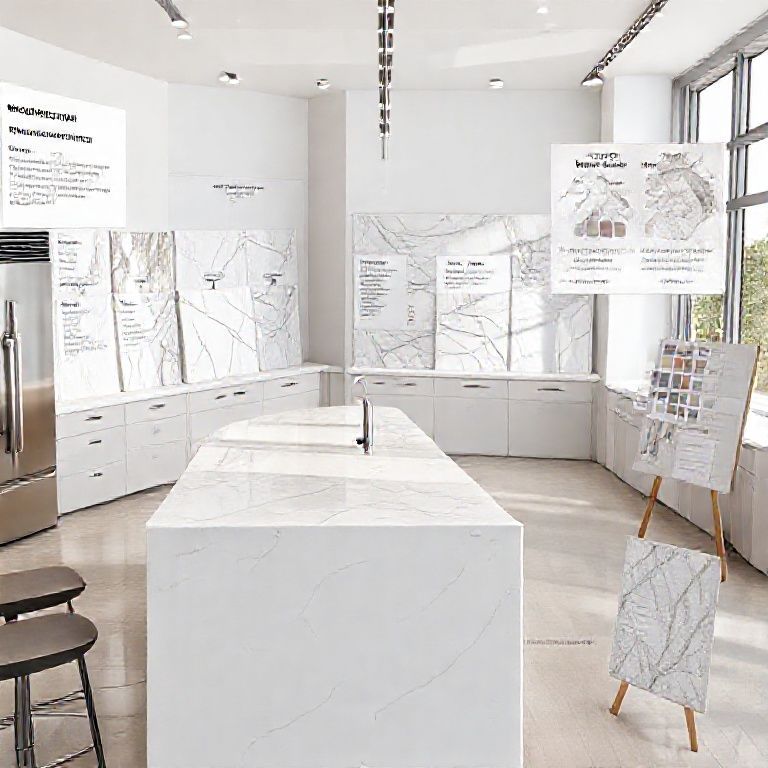
On average, the cost of repairing an artificial stone countertop ranges from $50 to $300, depending on the factors mentioned above. For minor repairs, the cost may be on the lower end, while extensive repairs can exceed $200.
Benefits of Professional Repair
Hiring a professional repair technician offers several benefits:
Expertise: Professionals have the knowledge and experience to repair artificial stone countertops effectively, ensuring a high-quality finish. Longevity: Properly repaired countertops are more durable and less likely to develop new cracks, extending the lifespan of your countertop. Aesthetic Appeal: Skilled technicians can achieve a seamless repair that blends perfectly with the existing surface, maintaining the countertop’s visual appeal. Warranty: Many professional services come with a warranty on their work, providing peace of mind and assurance of quality.
DIY vs. Professional Repair
While DIY repair kits are available for minor cracks, professional repair is generally recommended for several reasons:

Skill Level: Repairing artificial stone countertops requires a specific skill set that most DIY kits do not provide. Professionals can achieve a flawless finish that DIY repairs often cannot match. Material Quality: Professional technicians have access to high-quality repair materials that are not available to the general public. Long-term Results: Professional repairs tend to be more durable and long-lasting compared to DIY attempts.
The Art and Cost of Repairing Artificial Stone Countertops: A Comprehensive Guide
In the previous section, we explored the intricacies of repairing artificial stone countertops, including the repair process, factors affecting cost, and the benefits of professional repair. Now, we will delve deeper into the considerations and steps involved in hiring a professional repair technician, as well as discuss some common myths and misconceptions surrounding countertop repair.
Hiring a Professional Repair Technician
When it comes to repairing artificial stone countertops, hiring a professional technician can make a significant difference in the outcome. Here’s how to find and hire the right technician:
Research and Recommendations Online Reviews: Look for reviews and testimonials from previous customers. Websites like Google, Yelp, and Angie’s List offer valuable insights into the reputation and quality of repair services. Referrals: Ask for recommendations from friends, family, or neighbors who have had similar repairs done. Personal referrals can provide firsthand accounts of the technician’s work and professionalism. Qualifications and Experience Credentials: Verify the technician’s credentials and experience in repairing artificial stone countertops. Look for certifications or training in stone repair techniques. Portfolio: Request to see a portfolio of previous repair work. This will give you an idea of the technician’s skill level and the quality of their repairs. Pricing and Estimates Transparent Pricing: Ensure the technician provides a clear, detailed estimate that includes all costs involved, from materials to labor. Avoid technicians who offer vague or high-pressure pricing. Breakdown of Costs: Request a breakdown of the costs to understand what each part of the repair process entails. This helps in making an informed decision. Contract and Warranty Written Contract: Always obtain a written contract that outlines the scope of the work, costs, timeline, and any warranties provided. Warranty: Inquire about the warranty on the repair. A good technician should offer a warranty on their work, providing peace of mind and assurance of quality.
Common Myths and Misconceptions
There are several myths and misconceptions surrounding the repair of artificial stone countertops. Here’s a look at some of the most common ones:
DIY Repairs Are Always Cheaper While DIY kits may seem like a cost-effective solution, the long-term results are often subpar. Professional repairs are generally more durable and aesthetically pleasing, despite a higher upfront cost. All Cracks Should Be Repaired Immediately Not all cracks require immediate repair. Minor hairline cracks can often be left alone as they may not significantly impact the countertop’s appearance or functionality. However, larger cracks should be addressed promptly to prevent further damage. Professional Repair Is Always Necessary While professional repair is generally recommended, some minor repairs can be done by homeowners with the right tools and materials. However, for extensive damage or intricate repairs, professional expertise is invaluable.
Maintenance Tips to Prolong Countertop Lifespan
To extend the lifespan of your artificial stone countertops, consider the following maintenance tips:
Regular Cleaning Clean your countertops regularly to remove spills and stains promptly. Use a mild, non-abrasive cleaner to avoid scratching the surface. Avoid Heavy Objects Avoid placing heavy objects or sharp utensils directly on the countertop. Use cutting boards or trivets to protect the surface from impact. Use Coasters Place coasters under hot drinks to prevent thermal damage and stains. Seal Periodically Although artificial stone countertops are stain-resistant, sealing them periodically can enhance their durability and protect the surface from potential damage.
Future Trends in Countertop Repair
智能修复技术:随着物联网和传感器技术的发展,未来的修复可能会结合智能传感器,实现实时监测和预警。当检测到微小裂缝或其他损伤时,系统可以自动触发修复程序,提高修复的及时性和效率。
生物修复:研究者正在探索使用生物材料和微生物进行石材修复。这种方法可能在未来被用于人造石台面的裂缝修复,通过生物化学反应将修复材料自然融入材料中。
3D打印修复:3D打印技术可能被用于修复复杂的人造石结构。通过精确打印出修复所需的材料,可以实现高精度的修复,减少人工误差。
纳米技术:纳米材料具有优异的物理和化学性能,可以被用于制造高效的修复材料。纳米修复技术可能会提高修复效果,使修复后的台面恢复更接近原始状态。
环保材料:随着环保意识的增强,未来的修复材料将更加注重环保性能。使用低VOC(挥发性有机化合物)或无VOC的修复材料,将减少对环境和人体健康的影响。
自我修复材料:研究人员正在开发能够自我修复的新型材料。虽然这在当前还处于实验阶段,但未来的人造石台面可能会包含自我修复功能,当出现微小裂缝时,材料本身就能够自动修复。
高效清洁技术:与修复相关,高效的清洁技术也将得到改进。例如,采用超声波、激光等技术进行清洁,不仅能保持台面的美观,还能延长其使用寿命。
这些技术的发展不仅会提升修复质量,还可能降低整体成本,使得修复工作更加普及和便捷。随着这些技术的成熟,修复师的技能要求也将提高,需要更多专业知识和技能。