
The allure of marble has captivated interior designers and homeowners for centuries. Its natural veining, luxurious feel, and timeless elegance have made it a symbol of sophistication and opulence. However, the cost, maintenance, and environmental impact associated with natural marble can be prohibitive for many. Enter artificial marble, a revolutionary material that offers the aesthetic beauty of its natural counterpart with enhanced durability, versatility, and often, a more accessible price point. As you embark on a journey to transform your living spaces, a pivotal question inevitably arises: “人造大理石多少钱一平方?” – How much does artificial marble cost per square meter? This isn’t a simple question with a single answer; it’s an intricate dance of material composition, manufacturing processes, design complexity, and market dynamics.

At its core, artificial marble, often referred to as engineered stone or composite stone, is a manufactured product created by combining natural stone aggregates (like quartz or marble chips) with resins, pigments, and other additives. This fusion results in a material that can mimic the look and feel of natural marble with remarkable fidelity, while also offering superior performance characteristics. Unlike its natural counterpart, which is quarried from the earth and can have variations in color and pattern that are difficult to predict or control, artificial marble offers consistency and predictability. This is a significant advantage for designers and builders who require uniformity across large installations.
The primary driver behind the cost of artificial marble per square meter is its composition. The most popular forms of artificial marble are quartz surfaces, which are engineered from a very high percentage of natural quartz (typically 90-95%), bound together with polymer resins and pigments. Quartz itself is a hard, crystalline mineral, making quartz surfaces exceptionally durable, non-porous, and resistant to scratches, stains, and heat. The higher the percentage of quartz, generally the higher the cost. Other types of artificial marble might use marble chips, recycled glass, or other aggregates, and the quality and rarity of these secondary materials will also influence the price.
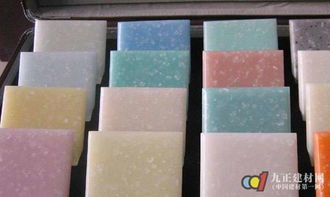
The manufacturing process itself is another significant cost factor. Producing high-quality artificial marble involves sophisticated techniques such as vacuum vibration compression molding. This process ensures a dense, homogenous material with minimal porosity, which is crucial for its durability and stain resistance. The energy required, the precision of the machinery, and the labor involved all contribute to the overall manufacturing cost. Furthermore, the quality of the resins and pigments used plays a vital role. Premium resins offer better UV resistance and longevity, while high-quality pigments ensure vibrant, consistent colors that won’t fade over time. Cheaper alternatives may use lower-grade materials, which can compromise the aesthetic and performance of the final product, and thus, its price.
Design complexity is where the aesthetic and economic aspects of artificial marble truly intersect. The sheer variety of colors, patterns, and finishes available in artificial marble is staggering. From classic Carrara and Calacatta imitations with their delicate veining to bold, contemporary designs with intricate marbling, the options are virtually limitless. The intricacy of the pattern directly impacts the manufacturing cost. Simple, solid colors or basic patterns are generally less expensive to produce than those that meticulously replicate the complex veining and subtle color shifts of natural marble. Designs that involve multiple colors or specialized techniques to achieve a unique visual effect will naturally command a higher price.
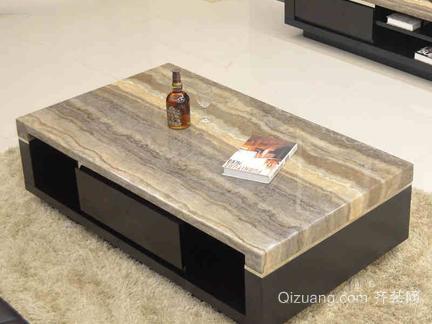
The finish of the artificial marble also affects its cost. While polished finishes are the most common and often the most budget-friendly, textured finishes like honed, leathered, or brushed can add a tactile dimension and visual depth that some designers prefer. These specialized finishes often require additional steps in the manufacturing or fabrication process, leading to a slight increase in price. The thickness of the slab is another consideration. Standard countertops are typically 2 cm or 3 cm thick, with thicker slabs naturally costing more per square meter due to the increased material and manufacturing effort.
Beyond the material itself, the fabrication and installation services are integral to the “per square meter” cost. Once the slabs are manufactured, they need to be cut, shaped, and polished to fit your specific project. This involves precise measurements, specialized cutting tools, edge profiling (e.g., bullnose, eased edge, ogee), and the creation of sink cutouts or other custom features. The complexity of the fabrication, the number of seams required, and the skill of the fabricator all contribute to the labor costs. Similarly, installation requires skilled professionals to ensure a seamless, level, and secure fit. The accessibility of the installation site, the complexity of the layout, and the need for specialized lifting equipment can also influence the final installation cost. Therefore, when inquiring “人造大理石多少钱一平方?”, it’s crucial to understand whether the quoted price includes fabrication and installation, or if these are separate charges.
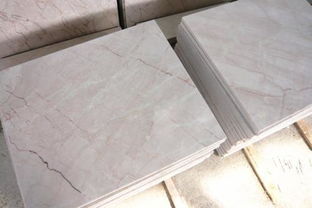
The geographical location and the supplier also play a role in pricing. Different regions may have varying labor costs, import duties, and transportation expenses, all of which can affect the price of artificial marble. Furthermore, the reputation and scale of the supplier matter. Larger, established manufacturers and distributors may offer more competitive pricing due to economies of scale and direct sourcing. Boutique suppliers or custom fabricators, while offering unique designs and personalized service, might have higher price points. It’s always advisable to obtain quotes from multiple reputable suppliers to compare not only the price per square meter but also the quality of the materials, the scope of services included, and the warranty offered.
The market demand for specific colors and patterns can also influence pricing. Popular, trending designs might see higher demand, potentially leading to slightly higher prices, while less common or older designs might be available at a discount. Understanding these various contributing factors will provide a clearer picture as we delve deeper into the specific price ranges and what to expect when budgeting for your artificial marble project. The journey to selecting the perfect surface is as much about understanding the economics as it is about appreciating the aesthetics, and with artificial marble, you’re investing in a material that offers a sophisticated blend of both.
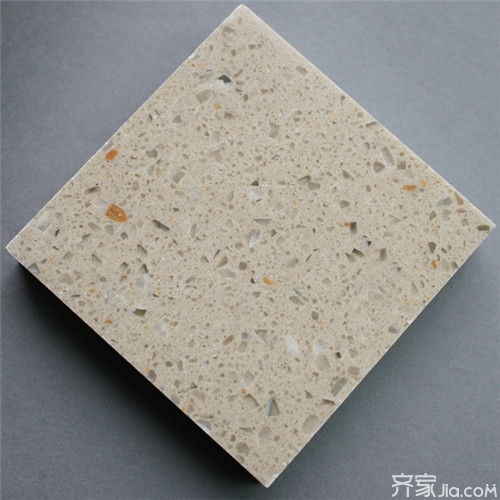
Continuing our exploration into the economics of artificial marble, the initial question of “人造大理石多少钱一平方?” – how much does artificial marble cost per square meter? – requires us to translate the influencing factors discussed into tangible price ranges. While precise figures can fluctuate significantly based on the variables we’ve outlined, we can establish general benchmarks to guide your budgeting process. It’s important to approach these numbers as estimates, understanding that the final cost will be unique to your project’s specific requirements.
Broadly speaking, the price of artificial marble per square meter can range from a more budget-friendly option, starting around $30-$50 USD per square meter for basic solid colors or simpler patterns with standard finishes, to the premium end, reaching $100-$200 USD per square meter or even higher for intricate designs, rare color combinations, or specialized finishes. These figures typically represent the material cost of the slab itself, and often do not include the crucial elements of fabrication and installation.
For standard engineered quartz surfaces, which are the most prevalent type of artificial marble used in residential and commercial applications, you can expect prices to fall within the $40-$100 USD per square meter range for the material. Within this spectrum, solid colors or patterns with a minimal, uniform veining are usually at the lower end. For instance, a classic white or grey engineered quartz with subtle speckling might be priced around $40-$60 per square meter. As the complexity of the pattern increases – think more pronounced veining, multi-color patterns, or designs that mimic specific natural stones like Calacatta Gold with its dramatic gold veining – the price per square meter will ascend. These more intricate designs, which require advanced manufacturing techniques to achieve their realistic appearance, can range from $70-$100 per square meter for the material alone.
Beyond quartz, other forms of artificial marble exist, though they are less common. For example, artificial marble made from crushed marble mixed with resins can sometimes be more affordable than high-quartz engineered stones, but they may also be less durable and more prone to staining. These might be found in the $30-$60 per square meter range for material, but it’s essential to scrutinize their performance characteristics. Similarly, some decorative artificial marbles might use recycled glass or other composite materials, offering unique aesthetic possibilities at varying price points, often within the $50-$120 per square meter bracket depending on the sophistication of the design and the quality of the binding agents.
Now, let’s layer in the fabrication and installation costs, which can often double or even triple the initial material price. Fabrication involves cutting the raw slab into the precise dimensions needed for your countertops, vanities, backsplashes, or other surfaces. This includes edge profiling, sink cutouts, and any custom shaping. Standard edge profiles like eased or bullnose are generally included in a basic fabrication quote. More elaborate edges, such as a mitered edge, ogee, or custom profiles, will add to the cost, potentially by $10-$30 per linear meter. Sink cutouts for undermount or farmhouse sinks are also more labor-intensive than standard drop-in cutouts and may incur additional charges, perhaps $50-$100 per cutout.
Installation is the final crucial step, and its cost is influenced by the project’s complexity, the accessibility of the site, and the labor rates in your region. For kitchen countertops, a typical installation might add anywhere from $50-$150 USD per square meter to the overall project cost, covering the skilled labor, adhesives, and any necessary support structures. Large, heavy slabs, multi-level countertops, or installations in high-rise buildings with difficult access can command higher installation fees. For bathrooms, where vanity tops are usually smaller and simpler, the per-square-meter cost of installation might be slightly higher due to the proportion of the work involved in relation to the total area.
Therefore, when you are looking at a total project cost for artificial marble countertops, it’s not uncommon to see figures ranging from $100 to $300 USD per square meter, or even more for very high-end designs and complex installations. For example, a beautiful quartz surface with intricate veining and a polished finish might cost $80 per square meter for the material. Add to that $70 per square meter for fabrication (including a standard edge and sink cutout) and $60 per square meter for installation, and you arrive at a total project cost of $210 per square meter.
When considering your options, remember to clarify what is included in the quote. Does the price per square meter cover the material only? Or does it include templating, fabrication, edge finishing, sink cutouts, and installation? A quote that seems significantly lower than others may be excluding essential services, leading to unexpected costs down the line. Always ask for a detailed breakdown of all charges.
Furthermore, consider the warranty. Reputable manufacturers and fabricators typically offer warranties on their artificial marble products, often ranging from 10 years to a lifetime, covering manufacturing defects. A strong warranty is a good indicator of product quality and a supplier’s confidence in their materials.
The choice of artificial marble is a significant investment in your home or business. By understanding the factors that influence its price – from material composition and design complexity to fabrication and installation services – you can approach the selection process with confidence. The question “人造大理石多少钱一平方?” opens a dialogue about value, durability, and aesthetic fulfillment. It’s a question that, when answered thoroughly, leads to a surface that is not just beautiful but also a wise and lasting addition to your environment. The beauty of artificial marble lies not only in its visual appeal but also in its practical advantages and the potential it offers to bring sophisticated design within reach.









