
The Art and Science Behind Artificial Marble: Unveiling its Composition and Appeal
Here you go:
The allure of marble has captivated civilizations for millennia, its veined elegance gracing ancient sculptures and stately palaces. However, the natural world’s exquisite offering often comes with a hefty price tag and inherent vulnerabilities. Enter the era of innovation, where science and artistry converge to create materials that echo the grandeur of nature while embracing the demands of modern living. Artificial marble, also known as engineered stone or composite stone, is a testament to this ingenious synthesis. Far from being a mere imitation, it is a sophisticated material meticulously crafted from a blend of raw components, offering a compelling alternative that rivals its natural counterpart in both aesthetics and performance.
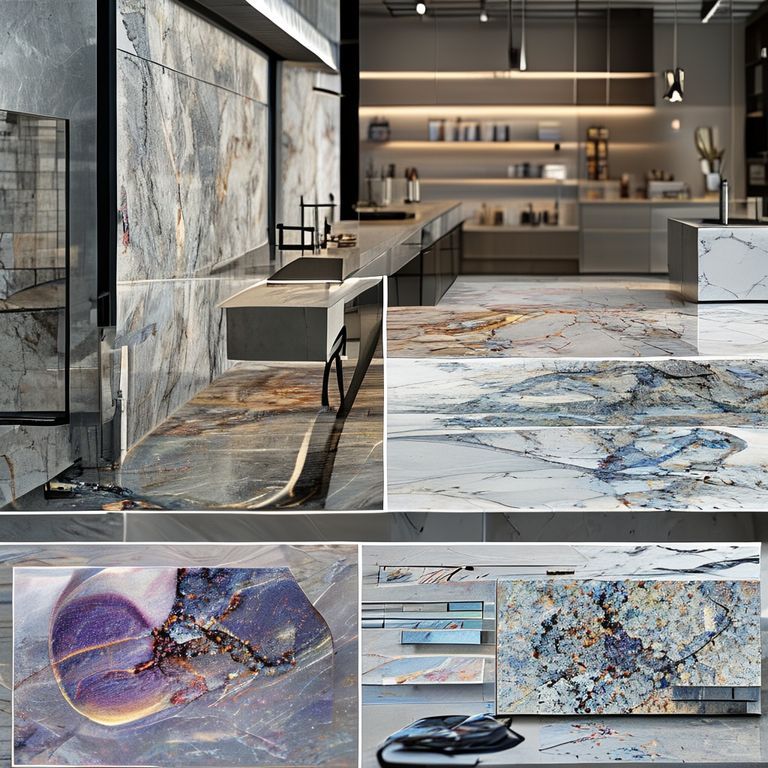
At its core, artificial marble is a composite material, meaning it is formed from two or more constituent materials with significantly different physical or chemical properties which remain separate and distinct at the macroscopic or microscopic level within the finished structure. The primary ingredients that give artificial marble its characteristic beauty and resilience are a binder and a filler. The binder, acting as the glue that holds everything together, is typically a resin. The two most prevalent types of resins used in its creation are acrylic resin and polyester resin. Acrylic resins, known for their exceptional clarity and resistance to UV radiation, lend a certain luminous quality to the finished product and are often preferred for applications where color stability and resistance to yellowing are paramount. Polyester resins, on the other hand, are generally more cost-effective and offer good mechanical strength and chemical resistance, making them a popular choice for a wide range of applications. The choice between acrylic and polyester resins often dictates the specific properties and intended use of the artificial marble. For instance, acrylic resins might be favored for high-end decorative elements or surfaces exposed to direct sunlight, while polyester resins can be perfectly suitable for interior flooring or less demanding countertop applications.
The filler component is where the visual character of artificial marble truly emerges. This is not merely inert sand; rather, it is a carefully selected aggregate that mimics the texture and appearance of natural stone. The most common filler is mineral aggregate, which can include crushed quartz, granite, or even actual marble chips. These aggregates are finely ground and mixed with the resin binder in precise ratios. The size, type, and distribution of these mineral particles are critical in determining the final look of the artificial marble. For instance, using larger, coarser aggregates will create a bolder, more speckled appearance, reminiscent of certain types of granite. Conversely, finer aggregates will result in a smoother, more subtle pattern, closer to the delicate veining of natural marble. The proportions of binder to filler are also crucial. Too much binder can lead to a more plastic-like feel and reduced durability, while too little can result in a brittle material that is prone to cracking. Manufacturers meticulously calibrate these ratios to achieve the desired balance of strength, aesthetics, and workability.
Beyond the resin and the mineral filler, pigments play an indispensable role in the creation of artificial marble. These colorants are added to the mixture to achieve an astonishing spectrum of hues and patterns. This is a significant advantage over natural marble, which is limited by the geological processes that formed it. With pigments, manufacturers can replicate the classic whites, blacks, and grays of natural stone, or they can venture into entirely new territories, producing vibrant blues, deep reds, or even custom color blends to match specific design schemes. The application of pigments is an art form in itself, with skilled technicians often employing techniques to create realistic veining, marbling, and other complex patterns that mimic the organic flow of natural stone. They might introduce different colored pigments at various stages of the mixing process or use specialized tools to create streaks and swirls that emulate the natural formation of mineral deposits. This level of control over color and pattern allows for unparalleled design flexibility, making artificial marble a truly adaptable material for any interior or exterior project. The ability to precisely control color also means that consistency is a key advantage. Unlike natural stone, where each slab can have variations, artificial marble can be produced in batches with highly consistent coloration, ensuring uniformity across large installations. This predictability is highly valued in architectural and interior design projects where a cohesive look is essential. The pigments used are typically high-quality, lightfast, and chemical-resistant, ensuring that the color remains vibrant and does not fade or degrade over time, even when exposed to light or common household cleaning agents. This meticulous attention to detail in both composition and coloration is what elevates artificial marble from a simple building material to a sophisticated design element.

The manufacturing process itself is a marvel of modern engineering. Typically, the raw ingredients – resin, mineral filler, and pigments – are precisely weighed and mixed in large industrial blenders. This creates a homogeneous slurry. This slurry is then poured into molds, which can be pre-shaped into slabs, tiles, or custom forms. Vibratory tables are often used to ensure that the mixture settles evenly and to remove any trapped air bubbles, which could compromise the structural integrity and aesthetic appeal of the finished product. For slabs, a continuous casting process might be employed, where the mixture is fed onto a conveyor belt and then passed through rollers to achieve a uniform thickness. Once the material has been molded, it undergoes a curing process. This can involve heat or a chemical reaction, depending on the type of resin used, to solidify the mixture and achieve its final hardness. After curing, the material is cut, polished, and finished to the desired specifications. The polishing stage is particularly important, as it brings out the luster and depth of the color and patterns, revealing the intricate beauty that has been engineered within. The precision of this manufacturing process allows for the creation of large, seamless slabs that are perfect for countertops and vanities, minimizing the need for unsightly seams. Furthermore, the controlled environment of the factory ensures a high level of quality control, minimizing defects and ensuring that each piece meets rigorous standards. This attention to detail throughout the production cycle is what imbues artificial marble with its characteristic strength, beauty, and consistency, making it a preferred choice for designers and builders seeking a reliable and visually stunning material.
The appeal of artificial marble extends far beyond its intriguing composition; it lies in the remarkable blend of aesthetic versatility, practical performance, and economic sensibility it offers. While natural marble commands a certain prestige, its susceptibility to staining, etching from acidic substances, and chipping can be a significant concern for busy households or high-traffic commercial spaces. Artificial marble, by contrast, is engineered to overcome many of these inherent limitations, providing a durable and low-maintenance alternative that doesn’t compromise on visual appeal. This robustness makes it an ideal candidate for a wide array of applications, transforming ordinary spaces into showcases of modern design and enduring quality.
One of the most prominent applications of artificial marble is in the realm of kitchen countertops and bathroom vanities. The kitchen, often the heart of the home, is a hub of activity where spills, heat, and constant use are par for the course. Artificial marble’s non-porous surface, a direct result of its resin binder, makes it highly resistant to stains from common culprits like coffee, wine, and oil. Unlike natural stone, which may require regular sealing to prevent absorption, artificial marble offers a sealed surface from the outset. This inherent resistance to liquids means that spills can be wiped away with ease, preventing unsightly discoloration and the potential for bacterial growth. Furthermore, the resin binder contributes to its resistance to etching from acidic foods and cleaning agents. While prolonged exposure to extremely harsh chemicals should still be avoided, artificial marble generally holds up far better than many natural stones against everyday kitchen acids like lemon juice or vinegar. For bathroom vanities, the benefits are equally compelling. The resistance to moisture and water is paramount in a humid environment, and artificial marble’s non-porous nature ensures it won’t absorb water, preventing potential damage or discoloration over time. The ease of cleaning also makes it a hygienic choice for bathrooms. The ability to achieve seamless, integrated sinks with countertops is another significant advantage, creating a sleek, modern look and eliminating grout lines where dirt and grime can accumulate. This design flexibility allows for highly customized solutions that cater to both the functional and aesthetic desires of homeowners.
Beyond countertops and vanities, artificial marble has found its way into a multitude of other design applications. Wall cladding, for instance, offers a dramatic way to elevate the ambiance of a room. Large slabs can be installed to create a striking feature wall in a living room, a sophisticated backdrop in a dining area, or a luxurious finish in a hotel lobby. Its consistent patterns and colors ensure a cohesive and high-impact visual statement. In bathrooms, it can be used for shower surrounds, creating a spa-like retreat that is both beautiful and highly functional, resisting water and mildew with ease. For commercial spaces, such as retail environments, restaurants, and offices, artificial marble’s durability and low maintenance are invaluable. It can be used for reception desks, display surfaces, and even flooring in high-traffic areas, offering a premium look that can withstand the rigors of constant use. Its ability to be manufactured in a wide range of colors and patterns allows businesses to create a distinct brand identity and an inviting atmosphere for customers and employees alike.
The flooring applications of artificial marble are also noteworthy. Engineered stone tiles or large format slabs can provide a stunning and durable flooring solution for both residential and commercial interiors. The material’s inherent strength and resistance to wear make it suitable for areas with heavy foot traffic. The smooth, polished surface, once installed and properly grouted, can create a seamless and elegant floor that is easy to clean and maintain. Imagine a grand foyer or a bustling restaurant floor finished with a material that embodies the richness of natural stone but with the practical advantages of modern engineering. The ability to create intricate inlay patterns or to seamlessly blend different colors adds another layer of design potential for flooring.
The economic advantage of artificial marble is another significant factor contributing to its widespread adoption. While the initial cost can vary depending on the specific resins and fillers used, it is often more budget-friendly than comparable natural stone options, especially when considering the long-term cost of maintenance and potential repairs. The consistency in manufacturing also means that wastage during installation can be minimized, as pieces are cut to precise dimensions and are less prone to defects than natural stone slabs, which can sometimes have flaws that render parts unusable. This cost-effectiveness, combined with its superior performance characteristics, makes artificial marble a smart investment for a wide range of projects. It allows designers and homeowners to achieve a high-end look and feel without breaking the bank, democratizing access to materials that were once exclusive to the elite. The ease of fabrication and installation also contributes to cost savings. Unlike some natural stones that require specialized tools and techniques, artificial marble is generally more straightforward to cut, shape, and install, reducing labor costs. Furthermore, its predictable behavior during fabrication means that fewer mistakes are made, leading to less material waste and fewer costly reworkings. The long lifespan and resistance to damage also mean that artificial marble surfaces are less likely to need replacement or extensive repairs over the years, offering excellent value for money.
In conclusion, artificial marble represents a triumph of material science and design innovation. By carefully selecting and combining its fundamental components – resins, mineral fillers, pigments, and binders – manufacturers have created a material that not only captures the timeless beauty of natural stone but also surpasses it in terms of practicality and adaptability. From the functional demands of a busy kitchen to the aesthetic aspirations of a designer’s vision, artificial marble offers a compelling solution. Its resistance to stains, etching, and moisture, coupled with its ease of maintenance and cost-effectiveness, makes it an intelligent choice for a diverse range of applications. As design continues to evolve, artificial marble stands poised to remain a favored material, a testament to the power of human ingenuity in crafting beauty and performance from the very elements of our world. It is a material that speaks to both the connoisseur of natural beauty and the pragmatist seeking enduring quality, a perfect harmony of art and science.









