
The allure of natural stone has long captivated homeowners and designers, with its unique veining, rich textures, and timeless elegance. However, the quest for this natural beauty often comes with a hefty price tag, concerns about maintenance, and potential environmental impact. Enter the realm of artificial stone, a sophisticated and versatile alternative that has revolutionized interior design and construction. Far from being a mere imitation, engineered stone, as it’s often called, represents a triumph of modern material science, offering a compelling blend of aesthetic appeal, exceptional performance, and often, a more accessible price point.
The term “artificial stone” is a broad umbrella encompassing a variety of materials that mimic the look and feel of natural stone but are manufactured through controlled processes. These materials can range from solid surfaces, known for their seamless appearance and repairability, to quartz composites, which boast unparalleled durability and a vast array of design possibilities. Each type of artificial stone possesses its own unique set of specifications that dictate its suitability for different applications and, consequently, its price. Understanding these nuances is key to unlocking the true potential of this remarkable material.
One of the most popular categories within artificial stone is quartz. Engineered quartz countertops, for instance, are a dominant force in modern kitchens and bathrooms. These surfaces are primarily composed of ground natural quartz (often upwards of 90%), bound together with polymers, resins, and pigments. This composition is the secret to its remarkable properties. The specifications for quartz often revolve around the percentage of quartz content, the type of resin used, and the manufacturing process. Higher quartz content generally translates to greater hardness, scratch resistance, and heat resistance. The resins play a crucial role in binding the quartz particles, influencing the slab’s flexibility, color consistency, and stain resistance.
When considering quartz specifications, one will encounter terms like “non-porous” and “low maintenance.” This is a significant advantage over natural stones like granite or marble, which can be porous and require regular sealing to prevent staining. Engineered quartz is inherently resistant to liquids, acids, and common household chemicals, making it an ideal choice for busy kitchens where spills are inevitable. Furthermore, its non-porous nature inhibits the growth of bacteria and mold, contributing to a more hygienic living environment.

The aesthetic specifications of quartz are perhaps its most appealing feature. Unlike natural stone, which is limited by geological formations, engineered quartz can be manufactured in an almost infinite spectrum of colors and patterns. From pristine whites and deep blacks to vibrant hues and intricate veining that rivals the most exquisite marble, the design possibilities are boundless. Manufacturers offer various finishes, including polished, honed, and brushed, each offering a distinct tactile and visual experience. The size and thickness of the slabs are also important specifications. Standard slab thickness often ranges from 2cm (3/4 inch) to 3cm (1 1/4 inch), with thicker options available for specific design requirements. The dimensions of the slabs themselves will influence the number of seams in a project, with larger slabs minimizing visible breaks in the surface.
Another prominent type of artificial stone is solid surface. Materials like Corian, manufactured by DuPont, are made from acrylic polymers and alumina trihydrate (ATH), a mineral derived from bauxite ore. Solid surfaces are known for their ability to be thermoformed, meaning they can be heated and molded into various shapes, allowing for seamless, integrated sinks, curved countertops, and intricate designs that are impossible with stone. This “seamless” aspect is a key specification. Unlike traditional countertops, solid surfaces can be joined together with special adhesives, creating a continuous, non-porous surface with no visible seams. This eliminates grout lines, making them incredibly hygienic and easy to clean.
The specifications for solid surfaces also include their repairability. Minor scratches or chips can often be buffed out or repaired in situ, a significant advantage for longevity and maintaining a pristine appearance. While not as heat-resistant as quartz, solid surfaces offer good durability and a wide range of color options, from solid, vibrant colors to patterns that mimic natural stone. Their translucency in certain formulations also opens up possibilities for creative lighting designs.

Beyond quartz and solid surfaces, the market offers other forms of artificial stone, such as engineered marble, which uses marble dust or chips bound with resin, and artificial granite, often made from a blend of granite dust, polymers, and pigments. Each of these materials comes with its own specific set of technical characteristics and aesthetic qualities, designed to address particular needs and preferences.
The pricing of artificial stone is a complex interplay of several factors. At the forefront is the type of material. Quartz, due to its high quartz content and sophisticated manufacturing process, generally commands a higher price than solid surfaces. Within each category, the complexity of the design also plays a significant role. Intricate patterns, rare color combinations, and sophisticated veining often come at a premium. The manufacturing process itself, including the quality of the resins and pigments used, will also influence the final cost. Premium brands and those with patented technologies may also carry a higher price point, reflecting their innovation and reputation.
The thickness of the slab is another direct determinant of price. Thicker slabs require more material and a more involved manufacturing process, thus increasing the cost. Similarly, specialized finishes, such as a highly polished mirror finish or a custom-textured honed surface, can add to the overall expense. The sheer size of the slabs is also a consideration. Larger slabs mean fewer seams, which is aesthetically desirable, but they also require more resources to produce and transport, potentially impacting the price.
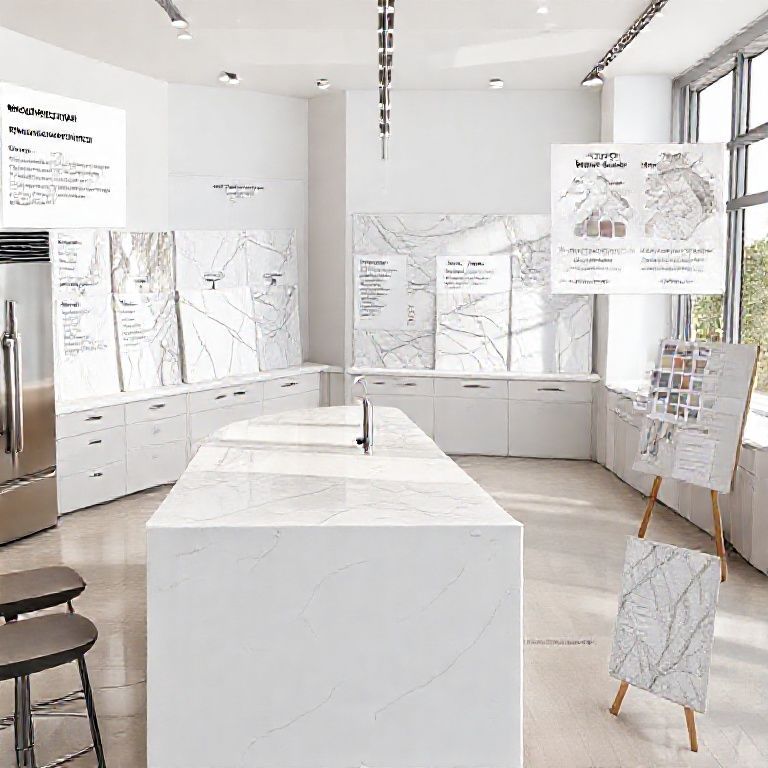
Beyond the material itself, the cost of fabrication and installation is a substantial part of the overall investment. Cutting, shaping, edge profiling, and seamless joining all require specialized tools and skilled labor. The complexity of the project, the number of cuts, the type of edge treatment chosen (e.g., a simple eased edge versus a more elaborate ogee or waterfall edge), and the accessibility of the installation site will all contribute to the final price. Transportation costs, especially for large or heavy slabs, are also factored in. Therefore, when comparing prices, it’s crucial to consider not just the per-square-foot cost of the material but the total project cost, encompassing everything from the raw slab to the finished installation.
Continuing our exploration into the fascinating world of artificial stone, the conversation around specifications and pricing deepens, revealing a landscape of options tailored to diverse budgets and design aspirations. Having touched upon the foundational elements of engineered quartz and solid surfaces, we now delve into the finer details that distinguish these materials and how they translate into tangible value for consumers.
The visual appeal of artificial stone is arguably its most immediate draw, and this is where specifications related to aesthetics become paramount. For quartz, the “pattern” is a critical factor. Manufacturers offer a spectrum from uniform, solid colors – perfect for minimalist interiors – to complex, veined patterns that mimic the organic beauty of natural marble or granite. The intricacy of these veins, the depth of their color, and their distribution across the slab all contribute to the perceived value and, consequently, the price. A slab with bold, dramatic veining that flows seamlessly across the entire surface will often be more expensive than one with a more subtle or repetitive pattern. The quality of the pigments used also affects the vibrancy and longevity of the color. High-quality pigments resist fading from UV exposure and maintain their richness over time, a specification that contributes to the material’s overall durability and aesthetic lifespan.
The finish, as mentioned earlier, is another aesthetic specification that impacts price. A high-gloss polished finish, while visually striking and easy to clean, can sometimes show fingerprints and minor scratches more readily than a honed or matte finish. Honed surfaces, which have a smoother, less reflective appearance, offer a more subdued elegance and can be more forgiving in high-traffic areas. The choice of finish is often a personal preference, but it can also be influenced by the intended use of the space and the desired overall look. Some specialized finishes, like textured surfaces that mimic leather or concrete, might involve additional manufacturing steps and thus incur a higher cost.
When it comes to solid surfaces, the specifications extend to their unique ability to be seamlessly integrated and shaped. The “thermoformability” of solid surfaces means that designers can create bespoke elements like curved countertops, integrated backsplashes, and even sculptural features. The complexity of these custom shapes directly influences the fabrication cost. A simple, straight countertop will be significantly less expensive to produce than a countertop with a curved edge, an integrated sink, or a waterfall edge where the material flows vertically down the side of the cabinet. The ability to achieve seamless joints is a hallmark of solid surfaces, and this requires precise cutting and specialized adhesives, adding to the labor cost but delivering a superior aesthetic and hygienic outcome.
The thickness of the material is a universally important specification across all types of artificial stone. While standard countertop thicknesses are common, custom thicknesses can be specified for certain applications, such as a dramatic waterfall island or a substantial desk surface. Thicker slabs not only require more raw material but also present greater challenges during fabrication and installation, including weight and handling. Consequently, thicker materials typically carry a higher price tag per square foot or square meter.
The durability and performance specifications are intrinsically linked to the material’s composition and manufacturing. For quartz, the “Mohs hardness scale” rating is a good indicator of its scratch resistance. While most engineered quartz scores very high on this scale, slight variations can exist between brands and product lines. Similarly, “heat resistance” is a key performance metric. While quartz is generally heat-resistant, prolonged exposure to extreme temperatures can cause discoloration or damage. Manufacturers will often provide specific guidelines regarding heat exposure, and products designed for enhanced heat resistance may command a premium.
“Stain resistance” is another critical performance specification. The non-porous nature of most artificial stones makes them highly resistant to staining from common household substances like wine, coffee, and oil. However, the specific types of resins and polymers used can influence the degree of this resistance. Some premium formulations may offer even greater protection against challenging stains. Warranty is also a crucial aspect of durability. Reputable manufacturers offer warranties that can range from 10 years to a lifetime, covering defects in material and workmanship. A longer and more comprehensive warranty often signifies a higher quality product and provides peace of mind.
The pricing structure for artificial stone is rarely a simple “per square foot” calculation. It’s more often a comprehensive quote that includes several components. The “material cost” is the base price of the slab, influenced by brand, color, pattern complexity, and thickness. “Fabrication costs” cover the labor and machinery involved in cutting the slab to size, shaping edges, cutting out sink and cooktop openings, and polishing or finishing the surfaces. “Installation costs” encompass measuring, templating, transporting the finished pieces to the site, and securing them in place. The complexity of the installation, such as fitting the countertop into an irregularly shaped space or dealing with difficult access, can add to these costs.
“Edge profiles” are a significant differentiator in pricing. Simple eased or square edges are the most economical. More intricate profiles like bullnose, half-bullnose, ogee, or custom-designed edges require more time and skill to fabricate, thus increasing the overall cost. Similarly, “sink cutouts” and “cooktop cutouts” add to fabrication complexity. An undermount sink cutout, for example, requires a more precise finish and edge detail than a top-mount sink cutout.
The choice between a local fabricator and a national supplier can also impact pricing, though not always in a straightforward manner. Local fabricators may offer more personalized service and potentially lower transportation costs for smaller projects. National suppliers, on the other hand, might have greater purchasing power and offer more competitive pricing on materials, but their fabrication and installation services might be standardized. When obtaining quotes, it’s always advisable to request a detailed breakdown of all costs to understand exactly what you are paying for. This transparency allows for a more informed comparison between different suppliers and materials.
Ultimately, selecting artificial stone is a decision that balances aesthetics, performance, and budget. By understanding the myriad specifications – from the percentage of quartz in a composite to the thermoformability of a solid surface, and the subtle nuances of color patterns and finishes – consumers can navigate the market with confidence. The pricing, though seemingly complex, becomes clearer when viewed as a reflection of the material’s quality, the intricacy of its design, and the skill involved in its transformation from a raw slab into a beautiful, functional element of a home or commercial space. The journey from choosing a slab to enjoying a finished installation is a testament to the innovation and artistry inherent in modern artificial stone.









