
The world of design is constantly evolving, seeking materials that offer both breathtaking beauty and enduring functionality. For decades, natural stone has held a revered position, prized for its unique veining, rich textures, and timeless appeal. However, the inherent limitations of natural stone – its cost, variability, porosity, and sometimes, its environmental impact – have paved the way for a revolution in material science. Enter artificial stone, a category of materials engineered to emulate, and in some ways, surpass the qualities of their natural counterparts. This isn’t just about imitation; it’s about innovation, offering designers, architects, and homeowners a palette of possibilities that are as practical as they are visually stunning.

At its core, artificial stone is an umbrella term for a wide array of composite materials. These are not simply poured concrete or plaster; rather, they are sophisticated amalgamations of minerals, resins, pigments, and binders, meticulously crafted to achieve specific properties. The beauty of artificial stone lies in its controlled manufacturing process, which allows for unparalleled consistency in color, pattern, and performance. Unlike natural stone, where each slab tells a unique, unpredictable story, artificial stone offers a predictable narrative of elegance and durability.
One of the most prominent stars in the artificial stone galaxy is engineered quartz. Often mistakenly referred to as “quartzite” (which is a natural stone), engineered quartz is a triumph of modern manufacturing. It’s composed of approximately 90-95% ground natural quartz, blended with polymer resins and pigments. This high quartz content is what grants engineered quartz its exceptional hardness, making it one of the most durable and low-maintenance surfacing materials available. Its non-porous nature means it actively resists stains from common household culprits like wine, coffee, and oil, a significant advantage over many natural stones. Furthermore, the manufacturing process allows for an astonishing range of colors and patterns, from classic marble imitations with intricate veining to bold, solid hues and contemporary abstract designs. The consistency of engineered quartz is a boon for large projects, ensuring that the color and pattern across multiple slabs will be virtually identical, a feat rarely achievable with natural stone. This predictability, coupled with its resilience, has made engineered quartz a go-to choice for kitchen countertops, bathroom vanities, and high-traffic commercial surfaces.
Then there’s solid surface, a material that truly lives up to its name. Primarily composed of acrylic or polyester polymers and aluminum trihydrate (ATH), solid surface materials offer a unique set of advantages. Their most striking feature is their ability to be seamlessly joined, creating a monolithic, non-porous surface with no visible seams. This makes them incredibly hygienic, as there are no grout lines or crevices for bacteria to accumulate. This seamless quality also extends to integrated sinks and backsplashes, allowing for a sleek, flowing aesthetic that is both practical and visually appealing. Solid surface is also thermoformable, meaning it can be heated and shaped into curves and complex forms, opening up a world of creative design opportunities. From undulating reception desks to custom-molded bathtubs, its pliability is a designer’s dream. While not as hard as engineered quartz, solid surface is more forgiving in terms of impact and is easily repairable. Minor scratches or gouges can often be buffed out, restoring the surface to its original condition. Its versatility makes it a popular choice for healthcare settings, laboratories, hospitality interiors, and residential kitchens where hygiene and seamless design are paramount.

Moving into a more advanced realm, we encounter sintered stone. This is a relatively newer but rapidly growing category that represents a significant leap in material performance. Sintered stone is made from a mixture of natural minerals, including feldspar, quartz, and clays, which are then subjected to an intense process of high pressure and extreme heat (mimicking geological processes like metamorphism). This sintering process fuses the particles together at a molecular level, creating an incredibly dense, hard, and durable material. The result is a surface that is virtually impervious to scratches, heat, stains, and UV rays. Its ultra-low porosity means it’s also highly resistant to chemicals and acids. Sintered stone can be manufactured in large slabs, often thinner than traditional stone options, making it versatile for a variety of applications, from countertops and flooring to cladding for both interior and exterior walls. Its ability to withstand extreme temperatures also makes it ideal for outdoor kitchens and barbecue areas. The aesthetic range of sintered stone is impressive, capable of replicating the look of natural marble, granite, and even concrete, often with a level of detail and realism that is captivating.
Each of these types of artificial stone – engineered quartz, solid surface, and sintered stone – represents a unique approach to material design, offering distinct advantages. Whether it’s the unyielding durability of quartz, the seamless hygiene of solid surface, or the extreme resilience of sintered stone, the world of artificial stone provides a rich tapestry of options for any project, promising beauty, performance, and longevity.
Continuing our exploration into the fascinating world of artificial stone, we delve deeper into the diverse array of materials that are revolutionizing how we design and build. Beyond the widely recognized engineered quartz, solid surface, and sintered stone, a spectrum of other innovative materials offers unique properties and aesthetic possibilities, catering to a broader range of design needs and preferences.
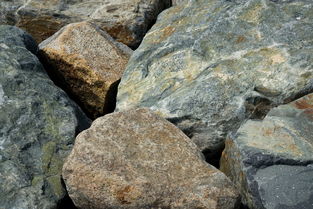
Consider resin-based artificial stone, also known as composite stone or cultured stone (though this term can sometimes be confused with cast stone for architectural elements). These materials typically consist of mineral fillers, such as quartz, granite, or marble dust, bound together with polymer resins, most commonly polyester or epoxy resins. Pigments are added to achieve a wide variety of colors and patterns. The manufacturing process for resin-based stones involves mixing these components and then casting them into molds. This allows for great flexibility in shape and design, and the resulting material is generally non-porous, stain-resistant, and relatively durable. Compared to engineered quartz, resin-based stones might be slightly less resistant to extreme heat and scratching, but they often come at a more accessible price point. Their versatility makes them a popular choice for a wide range of applications, including countertops, shower walls, decorative tiles, and even furniture components. The ability to create intricate designs and a smooth, seamless finish is a significant advantage. Furthermore, the resin binder can provide a certain degree of flexibility, making them less prone to cracking under stress compared to more brittle materials.
Another important category is artificial marble. While this can sometimes refer to engineered quartz or solid surface designed to mimic marble, there are also specific formulations focused on achieving the visual nuances of natural marble with enhanced practical benefits. These often involve a combination of marble dust, polymer resins, and pigments, processed to capture the characteristic veining and depth of real marble. The advantage here is clear: achieving the luxurious look of marble without its inherent porosity, susceptibility to acid etching, and higher cost. This allows designers to incorporate the elegance of marble into kitchens, bathrooms, and commercial spaces where the durability and low maintenance of traditional marble might be prohibitive. The consistency of artificial marble is a key selling point, ensuring that the desired aesthetic is replicated precisely across different batches and installations.
Beyond these, there are specialized artificial stones designed for specific aesthetic or functional goals. For instance, artificial granite aims to replicate the speckled appearance and robust nature of natural granite, often using granite aggregates bound by resins. These are typically very durable and cost-effective alternatives to natural granite. Similarly, artificial onyx offers the translucent beauty of natural onyx, allowing light to pass through, creating a luminous effect, often used for decorative panels or backlit features. The artificial versions achieve this translucency with resins and specialized pigments, providing a more consistent and often more affordable option.

The advent of artificial stone has also significantly impacted the realm of decorative and architectural elements. Artificial stone can be molded into intricate decorative panels, cornices, moldings, and even façade elements that mimic the appearance of natural stone, terracotta, or concrete. These can be significantly lighter than their natural counterparts, simplifying installation and reducing structural load. The ability to customize colors and textures further expands their decorative potential, allowing for unique architectural statements. For example, large-format panels can create seamless, monolithic walls that possess the visual gravitas of quarried stone but with enhanced performance characteristics like weather resistance and ease of maintenance.
The “why” behind the rise of artificial stone is multifaceted. Firstly, sustainability is becoming an increasingly important consideration. While the production of some artificial stones does require energy, many manufacturers are focusing on using recycled content (like recycled glass or post-consumer plastics) and developing more eco-friendly resin binders. The controlled manufacturing process also minimizes waste compared to quarrying natural stone. Secondly, performance and practicality are undeniable drivers. The non-porous, stain-resistant, and easy-to-clean nature of many artificial stones is a significant advantage in busy households and commercial environments. Their durability means they withstand the rigors of daily use, often outperforming natural stones in terms of longevity and maintenance requirements. Finally, design freedom and cost-effectiveness are powerful motivators. Artificial stones offer an unprecedented range of colors, patterns, and finishes, allowing designers to achieve specific looks without being limited by the availability or unpredictability of natural materials. This, combined with often more competitive pricing, makes luxurious aesthetics accessible to a wider audience.
In conclusion, artificial stone is not a monolithic entity but a vibrant and diverse category of materials. From the workhorse durability of engineered quartz and the seamless elegance of solid surface to the advanced resilience of sintered stone and the adaptable charm of resin-based composites, each type brings its own unique strengths to the table. As technology advances and our understanding of material science deepens, the possibilities within the realm of artificial stone will only continue to expand, offering ever more innovative and beautiful solutions for the spaces we live, work, and play in.









