
The allure of natural stone – its unique veining, its inherent imperfections, its timeless grandeur – has captivated humanity for millennia. From the majestic columns of ancient temples to the elegant countertops of modern kitchens, stone has always been a symbol of strength, beauty, and enduring quality. Yet, the very qualities that make natural stone so desirable can also present significant challenges. The extraction process is often environmentally taxing, the supply can be unpredictable, and the inherent variations can sometimes make large-scale, consistent applications difficult. Enter the realm of artificial stone, a marvel of modern material science and manufacturing that bridges the gap between nature’s artistry and human innovation.

The term “artificial stone” is a broad umbrella encompassing a variety of engineered materials designed to mimic the aesthetic and functional qualities of natural stone, often with enhanced properties and greater versatility. At its core, artificial stone is a testament to human ingenuity, a deliberate creation that leverages scientific understanding to produce surfaces that are not only beautiful but also remarkably durable, consistent, and adaptable. The manufacturers of artificial stone, the “人造石厂家” and “人造石生产厂家” as they are known in the industry, are at the forefront of this material revolution. They are not simply replicating nature; they are interpreting it, refining it, and ultimately, creating something new and profoundly useful.
The journey from raw materials to a finished slab of artificial stone is a fascinating blend of art and science. While the specific formulations and processes vary between different types of artificial stone, a common thread is the meticulous selection and combination of key ingredients. Typically, these include mineral fillers, binders, pigments, and sometimes resins. For instance, quartz surfaces, one of the most popular forms of artificial stone, are predominantly composed of ground quartz, a naturally occurring mineral. This quartz, often comprising over 90% of the final product, is mixed with polymers and pigments under immense pressure and heat. This process, known as vibrocompression, creates a non-porous, exceptionally hard, and highly uniform material. The result is a surface that rivals the beauty of natural quartz but with superior performance characteristics.
Another significant category is acrylic solid surface, often recognized by brand names. This type of artificial stone is created by combining acrylic polymers with mineral fillers, such as bauxite. The combination results in a material that is thermoformable, meaning it can be heated and shaped into seamless curves and intricate designs. This inherent malleability opens up a world of creative possibilities for architects and designers, allowing for the creation of integrated sinks, bespoke furniture, and complex architectural features that would be impossible with natural stone. The non-porous nature of acrylic solid surface also makes it highly hygienic, resistant to stains and mildew, and easy to repair, making it a practical choice for a wide range of applications.
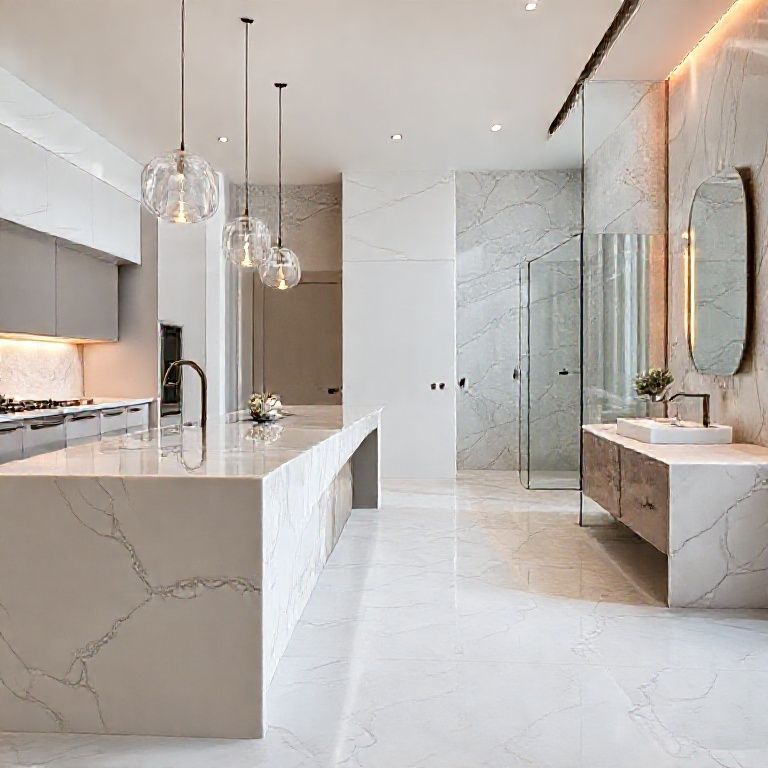
The production of artificial stone is a sophisticated industrial process. Manufacturers invest heavily in research and development to refine their formulations, enhance their aesthetic offerings, and optimize their production lines. The goal is not just to create a material that looks like stone but to engineer a surface that performs exceptionally well in its intended environment. This involves careful control of particle size distribution in the mineral fillers, precise ratios of binders and polymers, and sophisticated pigmenting techniques to achieve a vast spectrum of colors, patterns, and textures. From the subtle elegance of Calacatta-inspired veining to the bold drama of a dark, polished finish, the ability of artificial stone manufacturers to consistently replicate and even enhance natural stone aesthetics is a testament to their expertise.
The consistency of artificial stone is a major advantage over its natural counterpart. While the unique variations of natural stone are often celebrated, they can also pose challenges in projects requiring large, uniform surfaces or precise color matching. Artificial stone, by its very nature, offers a predictable and repeatable result. This is invaluable for large-scale commercial projects, such as hotel lobbies, airport terminals, or hospital environments, where a uniform aesthetic and reliable performance are paramount. It also provides homeowners with the confidence that the material they choose will look exactly as they envisioned, from the first slab to the last.
The environmental aspect is also an increasingly important consideration in the production of artificial stone. While the extraction of natural stone can have a significant ecological footprint, many artificial stone manufacturers are actively working to minimize their own impact. This can involve sourcing recycled materials, optimizing energy consumption in their manufacturing plants, and developing more sustainable production methods. The longevity and durability of artificial stone also contribute to its environmental credentials; a well-made artificial stone surface can last for decades, reducing the need for frequent replacement and the associated waste.
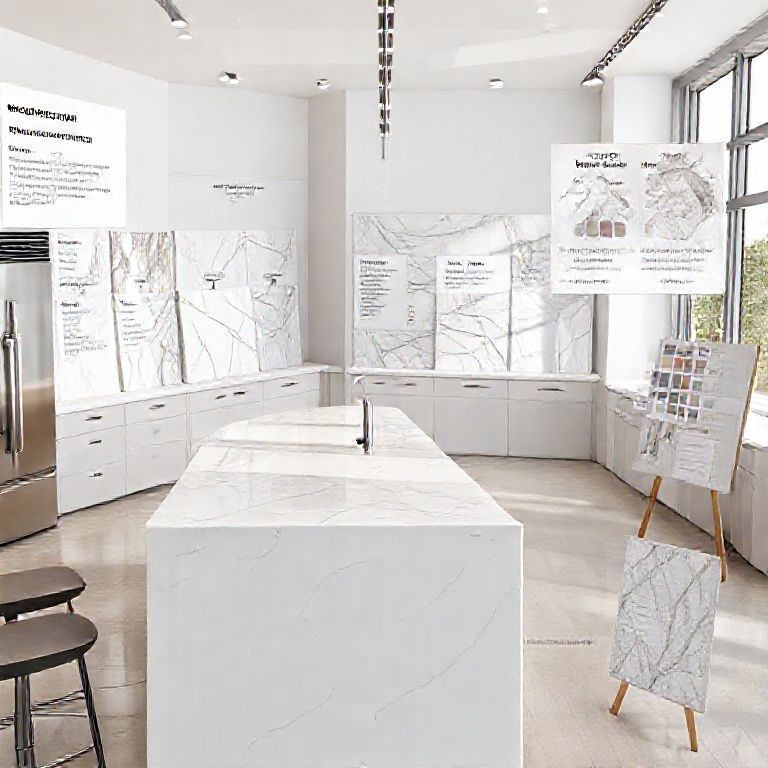
In essence, the “人造石厂家” and “人造石生产厂家” are not just factories churning out building materials; they are hubs of innovation, craftsmanship, and material science. They are the silent architects behind many of the most beautiful and functional surfaces we encounter daily, transforming raw elements into sophisticated materials that enrich our living and working spaces. The meticulous attention to detail, the commitment to quality, and the relentless pursuit of perfection are what define these manufacturers and elevate artificial stone from a mere imitation to a material in its own right, possessing a unique blend of aesthetic appeal and superior performance.
The versatility of artificial stone is perhaps its most compelling attribute. Thanks to the controlled manufacturing processes, artificial stone manufacturers can offer an almost limitless palette of colors, patterns, and finishes. This allows designers and homeowners to achieve a specific aesthetic without being constrained by the natural variations or limited availability of certain types of natural stone. Whether one desires the classic elegance of marble, the rugged beauty of granite, or a completely unique, avant-garde design, artificial stone can deliver. The ability to precisely control the color and veining patterns means that designers can specify materials that perfectly complement their overall vision, creating a cohesive and harmonious environment.
This adaptability extends beyond mere aesthetics. The functional properties of artificial stone can be tailored to specific applications. For example, in high-traffic commercial areas, surfaces can be engineered for extreme durability and scratch resistance. In healthcare settings, non-porous and antimicrobial surfaces are crucial for maintaining hygiene, a characteristic inherent in many types of artificial stone. In residential kitchens and bathrooms, the resistance to stains, heat, and moisture makes artificial stone an ideal choice for countertops, backsplashes, and vanities. The seamless integration possible with some types of artificial stone, like acrylic solid surfaces, also eliminates grout lines, which are notorious for harboring bacteria and being difficult to clean. This means fewer nooks and crannies for dirt and grime to accumulate, leading to a cleaner and more hygienic living space.
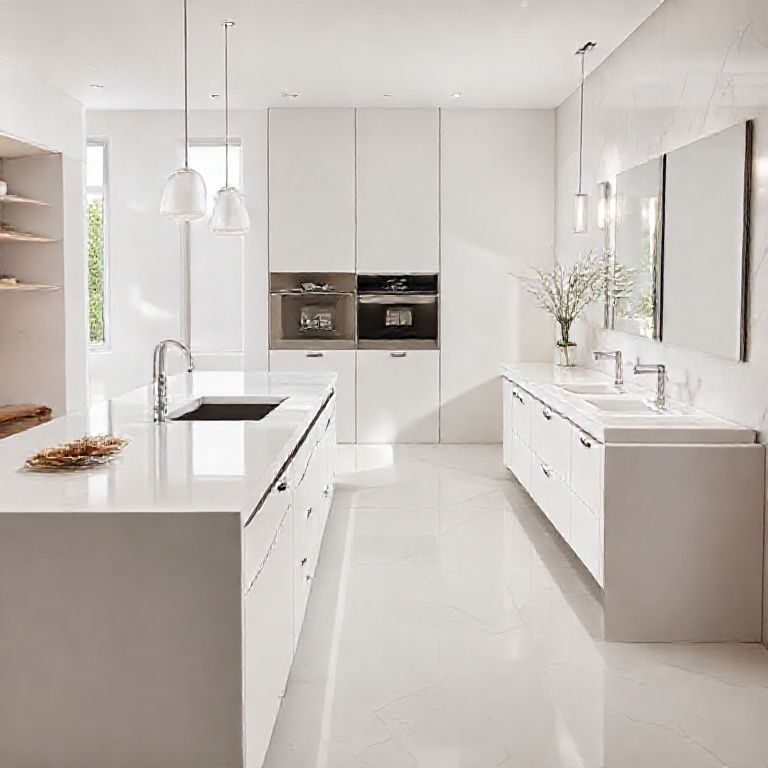
The applications of artificial stone are as diverse as its forms. In interior design, it has become a staple for kitchen countertops, bathroom vanities, and wall cladding. Its ability to be fabricated into complex shapes and seamlessly joined makes it perfect for custom-designed furniture, reception desks, and bar tops. In the hospitality industry, artificial stone is used for its durability and aesthetic appeal in hotel lobbies, restaurants, and bars. Healthcare facilities leverage its hygienic properties for laboratory benchtops, nurse stations, and operating room surfaces. Retail environments benefit from its ability to create eye-catching displays and durable merchandising surfaces. Architects and designers are increasingly turning to artificial stone for façade elements, decorative panels, and even sculptural installations, pushing the boundaries of what is possible with engineered materials.
The development of new technologies and manufacturing techniques continues to expand the possibilities of artificial stone. Innovations in digital printing and advanced color matching allow for incredibly realistic imitations of natural stone, complete with subtle variations and intricate details. Furthermore, researchers are exploring the use of new types of binders and fillers to create artificial stones with even greater strength, flexibility, and thermal resistance. The concept of “smart surfaces” is also emerging, with the potential to incorporate features like embedded lighting, touch-sensitive controls, or even self-cleaning properties. The “人造石厂家” and “人造石生产厂家” are at the forefront of these advancements, constantly innovating to bring new and improved materials to the market.
One of the practical advantages of artificial stone for homeowners is its ease of maintenance. Unlike some natural stones that require regular sealing and specialized cleaning products, many artificial stones are remarkably low-maintenance. Their non-porous surfaces resist etching and staining, and most spills can be wiped away with a damp cloth and mild soap. This makes artificial stone an attractive option for busy households where time and convenience are at a premium. While the initial investment in artificial stone can be comparable to or even higher than some natural stones, its durability, longevity, and low maintenance requirements often make it a more cost-effective choice in the long run.
The relationship between the “人造石厂家” and “人造石生产厂家” and the design and construction industries is a symbiotic one. These manufacturers work closely with architects, designers, fabricators, and builders to ensure that their products meet the specific needs of each project. This collaborative approach allows for the development of custom solutions, the troubleshooting of technical challenges, and the creation of truly bespoke surfaces. The ability of manufacturers to provide technical support, detailed specifications, and precise fabrication guidance is crucial for the successful implementation of artificial stone in diverse projects.
In conclusion, artificial stone represents a significant evolution in surfacing materials. It is a testament to the power of human ingenuity, combining the beauty of nature with the precision of modern manufacturing. The tireless efforts of “人造石厂家” and “人造石生产厂家” have resulted in a material that offers unparalleled versatility, durability, and aesthetic appeal. From the subtle elegance of a kitchen countertop to the grand statement of a public space, artificial stone is shaping the way we design and experience our environments. It is a material that is not only beautiful but also intelligent, adaptable, and built to last, offering a compelling and often superior alternative to natural stone for a myriad of applications. The future of surfacing is undeniably bright, and artificial stone, with its endless possibilities, is at its very core.









