
Sure, I can help you with that! Here is a soft article about “人造石全套技术配方” (Artificial Stone Full Set of Technical Formulas) in English, split into two parts.

The allure of natural stone – its veining, its depth, its sheer, unadulterated beauty – has captivated humanity for millennia. From the majestic columns of ancient Greece to the opulent interiors of Renaissance palaces, stone has been a symbol of permanence, luxury, and artistry. Yet, for all its undeniable charm, natural stone comes with its own set of limitations. It can be porous, susceptible to staining and etching, incredibly heavy, and often prohibitively expensive. Enter the realm of artificial stone, a marvel of modern material science that has democratized the aesthetic of luxury and redefined the possibilities of design. At the heart of this revolution lies a complex and fascinating interplay of chemistry, engineering, and artistry, encapsulated within what can be broadly termed “artificial stone full set of technical formulas.”
These formulas are not mere recipes; they are blueprints for creation, meticulously crafted to achieve specific aesthetic qualities, performance characteristics, and manufacturing efficiencies. They represent a deep understanding of material science, a commitment to innovation, and a vision for pushing the boundaries of what a surface can be. Imagine a material that mimics the breathtaking beauty of marble but resists staining like granite, or offers the translucence of alabaster with the durability of steel. This is the promise of artificial stone, and it is a promise fulfilled through sophisticated technical formulations.
At its core, artificial stone is a composite material. This means it’s made by combining two or more constituent materials with significantly different physical or chemical properties which remain separate and distinct at the macroscopic or microscopic level within the finished structure. For artificial stone, the primary components typically involve a binder and a filler. The binder acts as the matrix, holding everything together and providing structural integrity, while the filler contributes to the bulk, texture, color, and specific performance attributes of the final product.
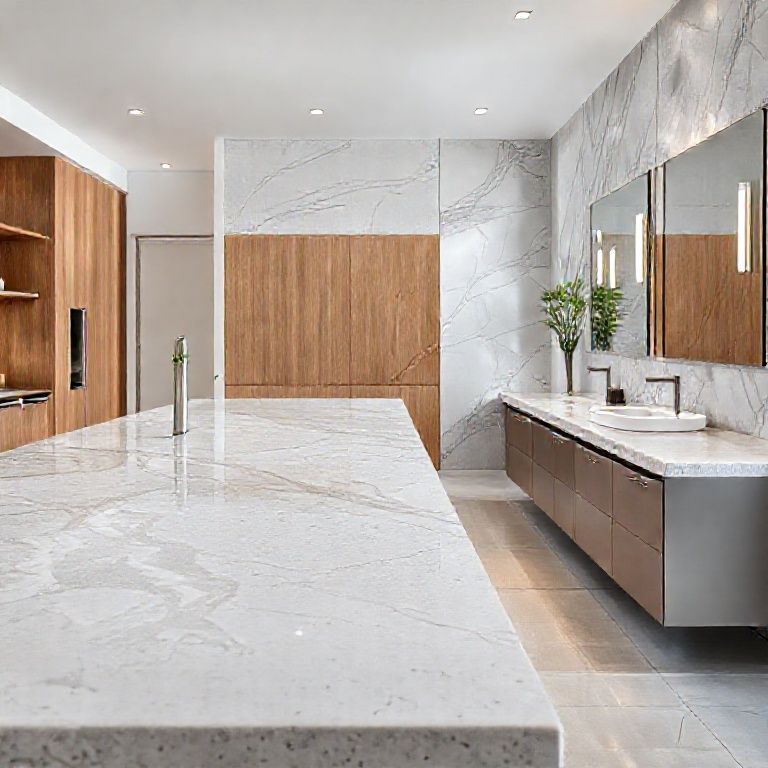
The choice of binder is critical. Common binders include unsaturated polyester resins (UPRs), acrylic resins (like PMMA – polymethyl methacrylate), and epoxy resins. Each offers distinct advantages. UPRs are widely used due to their cost-effectiveness and good performance characteristics, making them a popular choice for many applications. They cure through a chemical reaction, forming a strong, rigid matrix. Acrylic resins, on the other hand, are known for their exceptional clarity, UV resistance, and non-porous nature, making them ideal for high-end solid surface applications where seamless joins and hygienic surfaces are paramount. Epoxy resins, while often more expensive, offer superior adhesion, chemical resistance, and mechanical strength, finding use in demanding industrial or decorative applications.
The filler component is where the magic of aesthetic replication and performance enhancement truly happens. The most common filler, by far, is mineral-based, with ground natural minerals like quartz, calcium carbonate, bauxite, or feldspar being prevalent. Quartz, in particular, has become a superstar in the artificial stone industry, especially in engineered quartz countertops. Its incredible hardness, natural beauty, and abundance make it an ideal component. The technical formulas will specify the precise particle size distribution of these mineral fillers. This is crucial because it affects the flow characteristics of the uncured mixture, the density of the final product, and its mechanical properties. A well-graded filler, with a mix of fine and coarse particles, can lead to a denser, stronger product with fewer voids.
Beyond the bulk fillers, pigments and special additives are incorporated to achieve the desired color, pattern, and functionality. Pigments, often inorganic oxides, are carefully selected for their lightfastness and heat stability. They are dispersed uniformly within the resin to create a consistent color. For mimicking natural stone, intricate pigmenting techniques are employed to replicate the subtle variations, veins, and speckles found in marble, granite, or onyx. This often involves multiple pigmenting stages or the use of specialized coloring agents that react during the curing process.
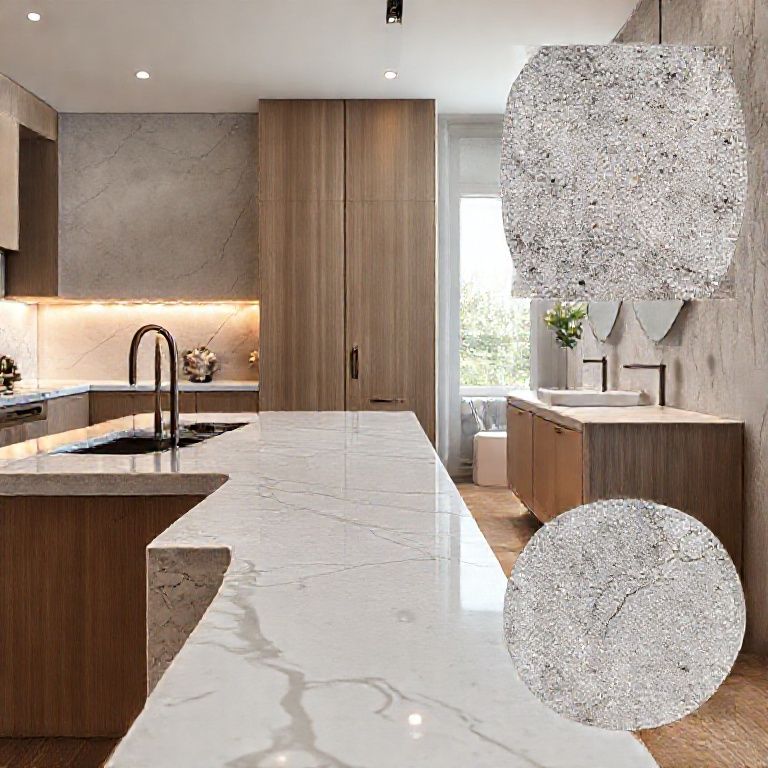
The “full set of technical formulas” also encompasses the precise ratios of these components. These ratios are not arbitrary; they are the result of extensive research and development, balancing factors like cost, durability, workability, and aesthetic appeal. For example, a higher resin content might lead to a more flexible or translucent material, while a higher filler content generally increases hardness and reduces cost but can make the material more brittle.
Furthermore, the formulas detail the curing process – the chemical and physical changes that transform the liquid or paste-like mixture into a solid, durable material. This involves catalysts, initiators, accelerators, and sometimes heat. Understanding and controlling the curing kinetics is vital to prevent defects like cracking, warping, or incomplete polymerization. The precise temperature, pressure, and time parameters are all critical elements of the technical formula, ensuring consistent quality and performance batch after batch. The manufacturing techniques themselves – whether it’s casting, vibro-pressing, or extrusion – are also intrinsically linked to these formulas, as the material must be designed to be compatible with the chosen production method. The pursuit of these perfect formulas is an ongoing journey, driven by the desire to create materials that are not only beautiful and functional but also sustainable and economically viable, paving the way for a future where design possibilities are virtually limitless.
The evolution of artificial stone is a testament to human ingenuity, a narrative woven from scientific discovery and an unwavering aesthetic ambition. The “artificial stone full set of technical formulas” represents the culmination of this journey, offering a sophisticated toolkit for creating surfaces that are as practical as they are visually stunning. As we delved into the foundational components in Part 1, let’s now explore the more nuanced aspects of these formulas and the diverse applications they enable.
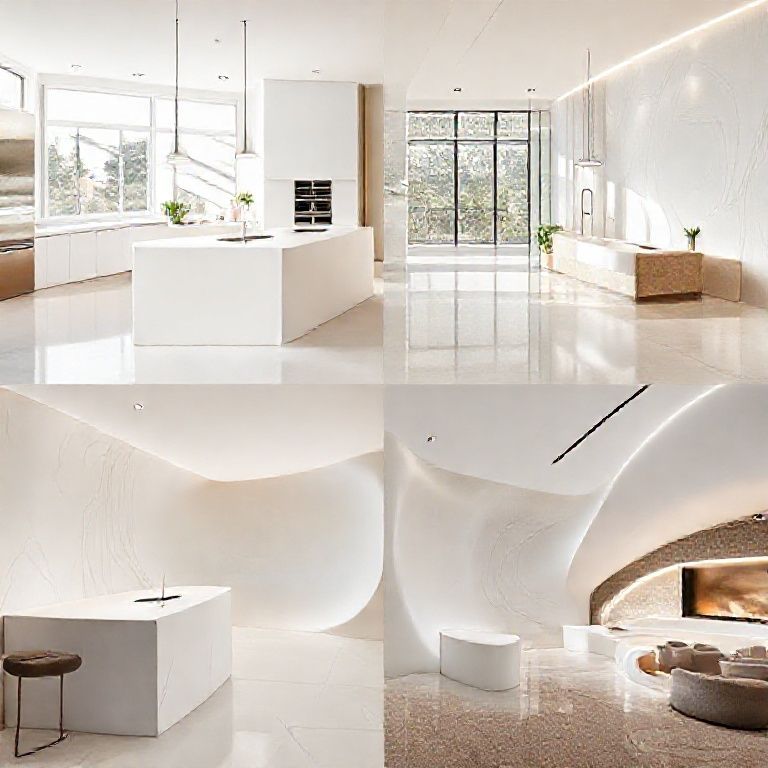
One of the most significant advancements in artificial stone technology has been the development of engineered quartz. The technical formulas for quartz surfaces involve a high percentage of ground quartz (often exceeding 90%) bound together with a polymer resin, typically a polyester or a modified acrylic, and a small amount of pigment. The manufacturing process is equally critical. The mixture of quartz, resin, and pigments is subjected to a high-intensity vacuum vibration process, often referred to as Bretonite technology. This process compacts the material, removing air voids and creating an incredibly dense and non-porous slab. The subsequent curing, typically using heat and pressure, solidifies the structure, resulting in a surface that is exceptionally hard, scratch-resistant, and stain-resistant. The precise control over the quartz particle size, the type and amount of resin, and the curing parameters are all part of the technical formula that dictates the final product’s properties. This meticulous formulation allows manufacturers to create an astonishing array of colors and patterns, from pure whites and solid blacks to intricate marble-like veining and realistic granite textures, offering designers unparalleled freedom.
Beyond engineered quartz, solid surface materials, often based on acrylic resins (PMMA) or a blend of acrylic and polyester resins with mineral fillers like aluminum trihydrate (ATH), represent another significant category. The technical formulas here focus on achieving seamlessness, thermoformability, and a warm, tactile feel. The inclusion of ATH not only acts as a filler but also imparts fire-retardant properties and contributes to the material’s translucence. The beauty of solid surface lies in its ability to be fabricated like wood – cut, routed, and joined with invisible seams. The formulas are designed to facilitate this by ensuring the resin cures to a specific hardness and can be softened and molded with heat, allowing for the creation of complex shapes and integrated sinks that appear to grow organically from the countertop. The non-porous nature of these materials, a direct result of their precise formulation and manufacturing, makes them exceptionally hygienic, resisting the growth of bacteria and mold, a critical consideration for kitchens, bathrooms, and healthcare settings.
Another area where these formulas shine is in the creation of translucent artificial stones, often used for feature walls, backlit panels, and decorative elements. These materials typically employ a higher proportion of resin and specialized fillers that allow light to pass through. The technical formulas for translucent materials must carefully balance the light-transmitting properties with structural integrity. The type of resin, the clarity of the filler, and the absence of opaque pigments are all crucial. Techniques like embedding natural elements such as shells or stones within the translucent matrix are also guided by these formulas, ensuring proper adhesion and preventing discoloration or delamination.
The development of artificial stone is also increasingly driven by sustainability concerns. Technical formulas are evolving to incorporate recycled materials, such as post-consumer glass or recycled resins, without compromising performance or aesthetics. The incorporation of bio-based resins or fillers derived from renewable resources is also an active area of research and development. These innovative formulas aim to reduce the environmental footprint of artificial stone, aligning with the growing demand for eco-conscious building materials. For instance, some engineered quartz manufacturers are now incorporating a percentage of recycled glass into their formulations, creating unique visual effects while diverting waste from landfills.
The “full set of technical formulas” extends beyond just the material composition; it also includes precise guidelines for processing, finishing, and even maintenance. These formulas dictate the optimal cutting speeds, the types of adhesives to be used for joining, the grit of sandpaper for polishing, and the recommended cleaning agents to preserve the material’s beauty and integrity over time. This holistic approach ensures that the material performs as intended throughout its lifecycle, from manufacturing to installation and daily use.
Ultimately, artificial stone, driven by its intricate technical formulas, offers a remarkable synergy of art and science. It empowers designers, architects, and homeowners to realize visions that were once constrained by the limitations of natural materials. Whether it’s the unyielding strength of engineered quartz in a busy kitchen, the seamless elegance of solid surface in a modern bathroom, or the ethereal glow of a backlit translucent panel, the secret ingredient is always the precise, carefully guarded technical formula. These formulations are the silent architects of beauty and functionality, continuously pushing the boundaries of what surfaces can be, and promising an even more innovative and visually captivating future for our built environment.









