
The allure of Corian solid surface lies in its remarkable ability to be shaped, molded, and transformed into virtually anything imaginable. From intricate countertops and seamless sinks to avant-garde architectural features, this versatile material offers designers and fabricators unparalleled creative freedom. At the heart of this transformative power lies a sophisticated piece of machinery: the Corian solid surface blister machine, also known as a vacuum forming machine. These machines are the unsung heroes behind the seamless, flowing lines and complex curves that define high-end solid surface applications.

Understanding the “how” and “what” of these machines is crucial for anyone looking to venture into or expand their capabilities in solid surface fabrication. A Corian solid surface blister machine is essentially a precision instrument designed to heat sheets of solid surface material to a pliable state and then mold them over a form using vacuum pressure. The process, while seemingly straightforward, is a delicate dance between material science, precise temperature control, and careful form design. The “blister” in blister machine refers to the initial bulging or swelling of the heated material as vacuum is applied, creating a slight separation from the mold before full contact is established, which aids in achieving uniform thickness and preventing trapped air.
The primary material used in conjunction with these machines, Corian, is an engineered composite made predominantly from acrylic polymer and alumina trihydrate (ATH). This composition grants it a unique set of properties: it’s non-porous, durable, repairable, and, crucially for thermoforming, heat-moldable. When heated to a specific temperature range (typically between 150°C and 180°C, though this can vary), Corian becomes soft and flexible enough to be stretched and conformed to intricate shapes without cracking or losing its structural integrity.
The blister machine itself is a marvel of engineering, typically comprising several key components. A robust heating element, often infrared or convection-based, is responsible for uniformly bringing the solid surface sheet to its optimal forming temperature. Precise temperature control is paramount; too cool and the material won’t be pliable enough, leading to stress fractures; too hot and it can become overly fluid, losing its shape or even degrading. Following the heating phase, a vacuum system, powered by a high-capacity vacuum pump, is activated. This system creates a powerful suction that draws the heated material tightly against a pre-fabricated mold. The mold, meticulously crafted to the desired final shape, is the blueprint for the thermoformed piece. Finally, a cooling system, often incorporating fans or water circulation, quickly solidifies the material, locking it into its new form.
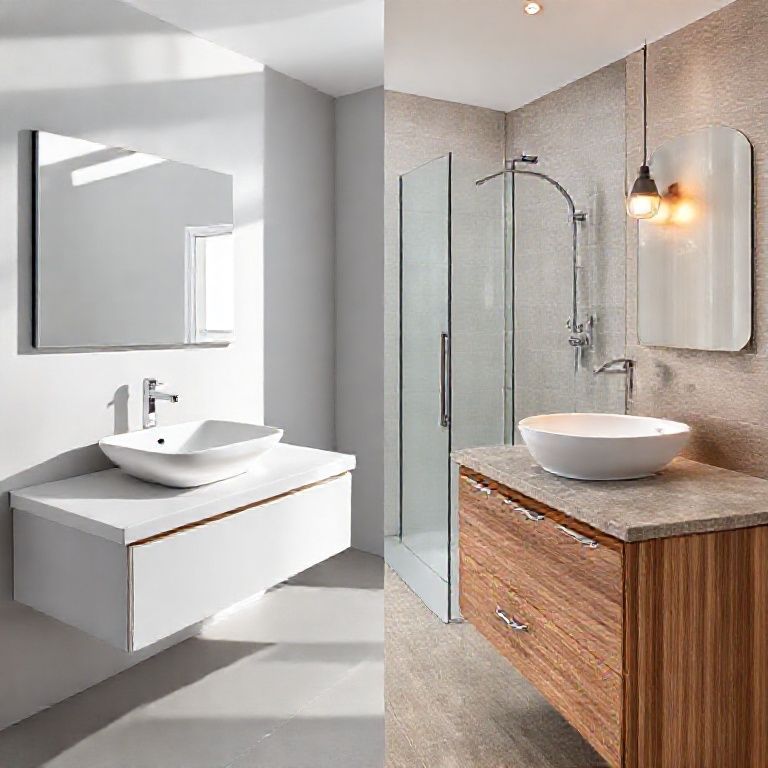
The versatility of blister machines extends beyond simple curves. With advanced form design and precise control, they can create complex, three-dimensional shapes that are impossible to achieve through traditional cutting and joining methods. This allows for the creation of integrated sinks, backsplashes that flow seamlessly into countertops, unique wall panels, and even bespoke furniture elements. The absence of visible seams in many thermoformed Corian pieces is a significant aesthetic advantage, contributing to a sleek, modern, and hygienic finish. This seamlessness is particularly valued in healthcare, hospitality, and residential settings where ease of cleaning and visual continuity are paramount.
The process begins with the design phase. Architects and designers meticulously plan the desired forms, often utilizing CAD software. This digital design is then translated into a physical mold. The mold’s material and construction are critical; it must withstand repeated cycles of heating and vacuum pressure without warping or deforming. Common mold materials include MDF, high-density urethane, or specialized composite materials, often coated with release agents to facilitate easy removal of the formed piece. The accuracy of the mold directly dictates the accuracy of the final product.
Once the mold is ready, a sheet of Corian solid surface is placed onto the machine’s bed, typically secured in place. The heating element then moves over the sheet, ensuring even heat distribution across its entire surface. The duration and intensity of heating are carefully calibrated based on the thickness and specific type of Corian being used. Fabricators often develop proprietary heating profiles based on extensive experience and testing to achieve optimal results. After reaching the target temperature, the heating element retracts, and the mold is brought into position, or the vacuum chamber is sealed. The vacuum pump then engages, creating a significant negative pressure that pulls the pliable Corian sheet down onto the mold. The unique “blister” action, where the material momentarily swells before settling, is a key characteristic of this thermoforming process, ensuring that air pockets are expelled and the material conforms intimately to every detail of the mold’s surface.
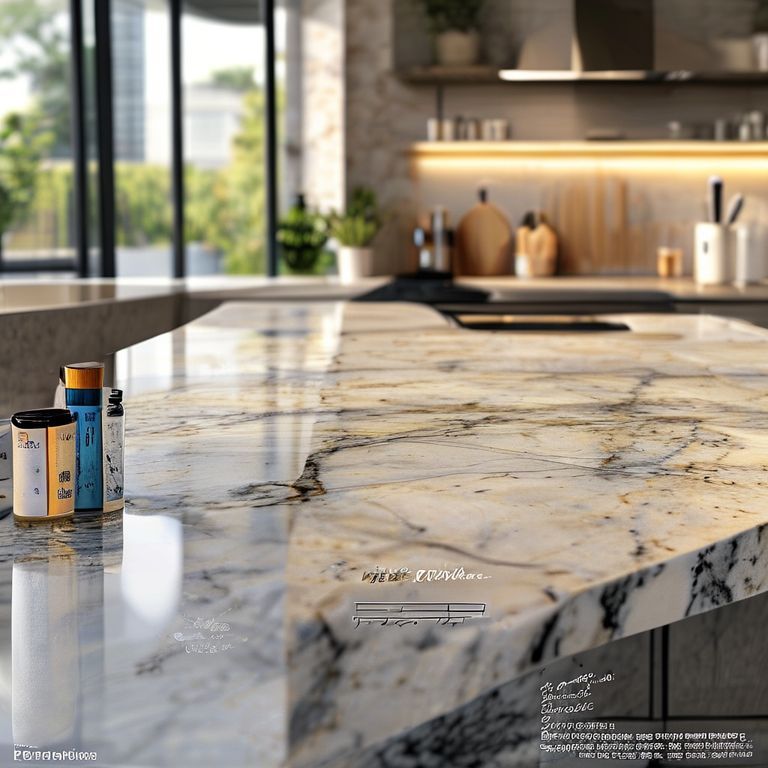
The success of thermoforming is heavily reliant on the fabricator’s skill and understanding of the material’s behavior. Factors such as heating uniformity, vacuum strength, forming time, and cooling rate all play critical roles. Overheating can lead to sagging or distortion, while insufficient heating results in incomplete forming or cracking. Inconsistent vacuum pressure can cause uneven thickness in the final product or introduce surface imperfections. Fabricators often employ specialized techniques, such as using breather mesh to ensure uniform vacuum distribution and controlled cooling strategies, to overcome potential challenges and achieve flawless results. The ability to consistently produce high-quality, defect-free thermoformed parts is what distinguishes a skilled solid surface fabricator. The Corian solid surface blister machine, in essence, empowers this artistry by providing the controlled environment and precise forces needed to coax the material into its desired shape, transforming a flat sheet into a functional and aesthetically pleasing component.
The “how much” question, however, is as multifaceted as the applications of these machines. The cost of a Corian solid surface blister machine is not a simple figure but rather a range influenced by a constellation of factors, from basic functionality to advanced automation. Understanding these variables is key to making an informed investment decision. The initial purchase price is just the beginning of the economic consideration; operational costs, maintenance, and the potential for increased output and design capabilities all contribute to the overall return on investment. The market offers a spectrum of machines, catering to different scales of production and complexity of applications, making it essential to align the machine’s capabilities with the business’s specific needs and aspirations.
Continuing our exploration into the world of Corian solid surface thermoforming, we now delve into the critical aspect of cost and the various factors that influence the investment in a blister machine. The question of “how much does it cost?” is often the primary concern for fabricators and manufacturers looking to integrate this sophisticated technology into their operations. However, the answer is far from a single number; it’s a spectrum that reflects the machine’s capabilities, technological sophistication, brand reputation, and capacity.
The entry-level Corian solid surface blister machines, designed for smaller workshops or those new to thermoforming, might start in the lower tens of thousands of dollars. These machines typically offer basic functionality: a heating element, a vacuum system, and a simpler mold-clamping mechanism. They are generally suitable for producing less complex shapes and smaller components. The heating might be more rudimentary, perhaps relying on single heating zones, and the vacuum pump might be of a moderate capacity, limiting the depth of draw or the intricacy of the mold they can effectively handle. Material limitations might also apply, potentially restricting the thickness or size of Corian sheets they can process efficiently. For businesses with a clear, defined need for straightforward thermoformed parts and a more limited budget, these machines can represent a viable starting point, providing a gateway into the benefits of solid surface manipulation.
As you move up the price scale, the capabilities and sophistication of the blister machines increase significantly. Mid-range models, potentially costing anywhere from $30,000 to $80,000, offer more advanced features. These often include multi-zone heating elements for more precise temperature control, higher-capacity vacuum pumps for deeper draws and more intricate molds, and more robust frame construction to handle larger sheet sizes and heavier molds. Automated features, such as programmable heating cycles, servo-driven mold positioning, and integrated cooling systems, become more common, leading to greater consistency, reduced cycle times, and improved efficiency. These machines are better equipped to handle more complex designs, deeper draws, and larger production volumes, making them suitable for established fabricators looking to expand their offerings or take on more ambitious projects.
At the higher end of the market, industrial-grade Corian solid surface blister machines can command prices ranging from $80,000 to well over $200,000, and sometimes even more for highly customized, fully automated systems. These machines are built for high-volume production and complex, demanding applications. They feature state-of-the-art technologies such as advanced infrared or convection heating with multiple independent zones, sophisticated computer control systems that allow for precise programming of every aspect of the forming process, and ultra-high-capacity vacuum systems capable of achieving near-perfect conformity to even the most intricate mold details. Automation is a key feature at this level, with robotic loading and unloading, automatic mold changes, and integrated quality control systems. These machines are designed for maximum efficiency, minimal downtime, and the consistent production of high-precision, complex parts. They are the choice for large-scale manufacturers, automotive suppliers, and companies pushing the boundaries of solid surface design and application.
Several key factors contribute to this wide price variance:
Size and Sheet Capacity: Larger machines capable of handling bigger sheets of Corian are naturally more expensive due to the increased material requirements for their construction and the more powerful components needed. The maximum sheet size a machine can accommodate directly impacts the size of the parts you can produce in a single operation.
Heating Technology and Control: Advanced heating systems, such as multi-zone infrared or precisely controlled convection ovens, offer superior temperature uniformity and responsiveness compared to simpler resistance heating elements. Programmable controls allow for fine-tuning heating cycles, which is crucial for achieving optimal results with different material thicknesses and complex geometries.
Vacuum System Performance: The strength and reliability of the vacuum pump are critical. Higher vacuum pressures allow for deeper draws and better conformity to intricate mold details. The speed at which vacuum is achieved and maintained also impacts cycle times and product quality. Industrial-grade machines will feature robust, high-capacity vacuum pumps and efficient vacuum distribution systems.
Automation and Control Systems: Machines with programmable logic controllers (PLCs), touch-screen interfaces, and automated sequences for heating, vacuum application, and cooling offer increased efficiency, repeatability, and ease of operation. Higher levels of automation, such as automatic mold clamping or robotic part removal, further add to the cost but significantly boost productivity.
Build Quality and Durability: Industrial machines are built with heavy-duty steel frames, high-quality components, and robust construction to withstand the rigors of continuous operation. Longevity and reliability are key considerations, and manufacturers invest in durable materials and engineering to ensure their machines perform consistently over many years.
Brand Reputation and Support: Established manufacturers with a strong reputation for quality, innovation, and reliable after-sales support often command higher prices. This includes factors like warranty, availability of spare parts, technical assistance, and training programs.
Ancillary Equipment: The cost of the blister machine itself often doesn’t include essential peripherals like the molds, material handling equipment, dust collection systems, or specialized cooling apparatus. These additional investments need to be factored into the overall budget. The design and fabrication of high-quality molds, in particular, can represent a significant portion of the initial investment.
When considering the “how much” question, it’s essential to look beyond the sticker price and evaluate the total cost of ownership. This includes initial purchase price, installation, training, operational costs (energy consumption, consumables), maintenance, and the cost of molds. Equally important is the return on investment (ROI). A higher-priced, more sophisticated machine might offer faster cycle times, higher yields, the ability to produce more complex and higher-value parts, and greater energy efficiency, leading to a quicker and more substantial ROI compared to a less capable, cheaper alternative.
The ability to thermoform Corian solid surface opens up a world of design possibilities that are simply unattainable with traditional fabrication methods. The seamless integration of elements, the creation of ergonomic curves, and the overall aesthetic appeal of thermoformed parts are highly sought after in various industries. Whether you are a small custom fabricator or a large-scale manufacturer, understanding the capabilities and investment required for Corian solid surface blister machines is the first step towards unlocking this potential and elevating your product offerings. The “what” and “how much” are inextricably linked; the more you invest in capability and quality, the more you can achieve in terms of design complexity, production efficiency, and ultimately, market success.









