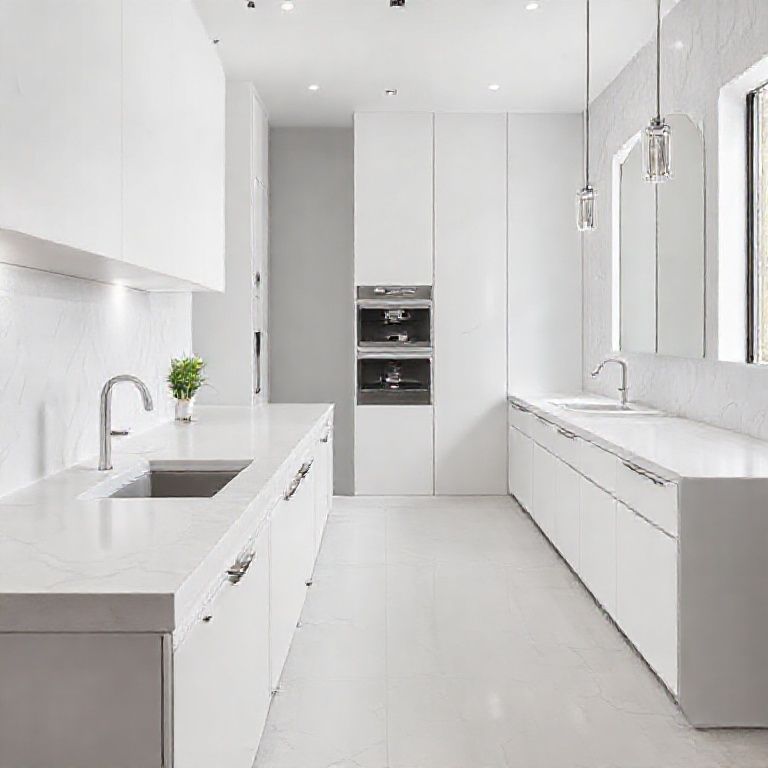
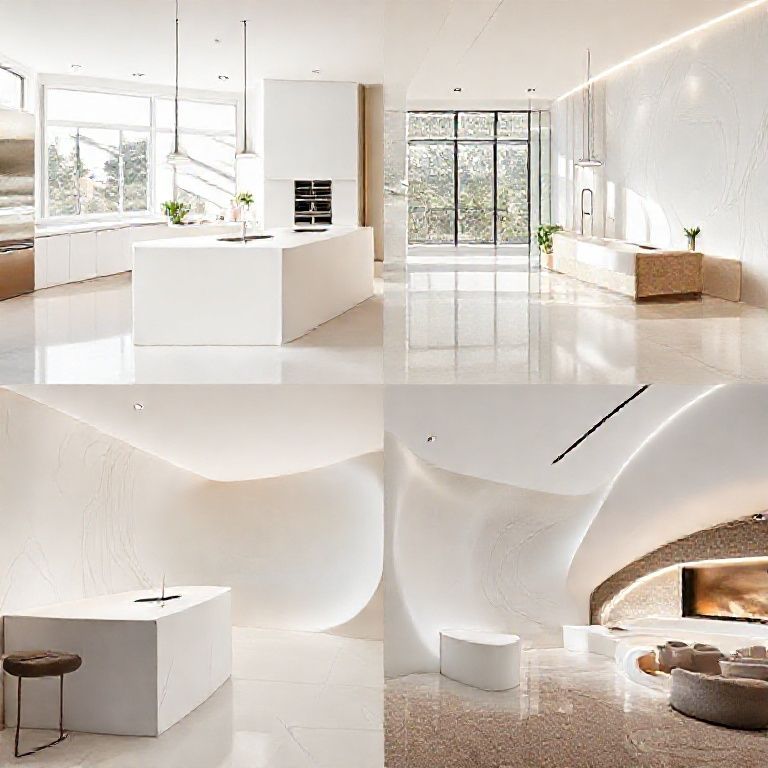
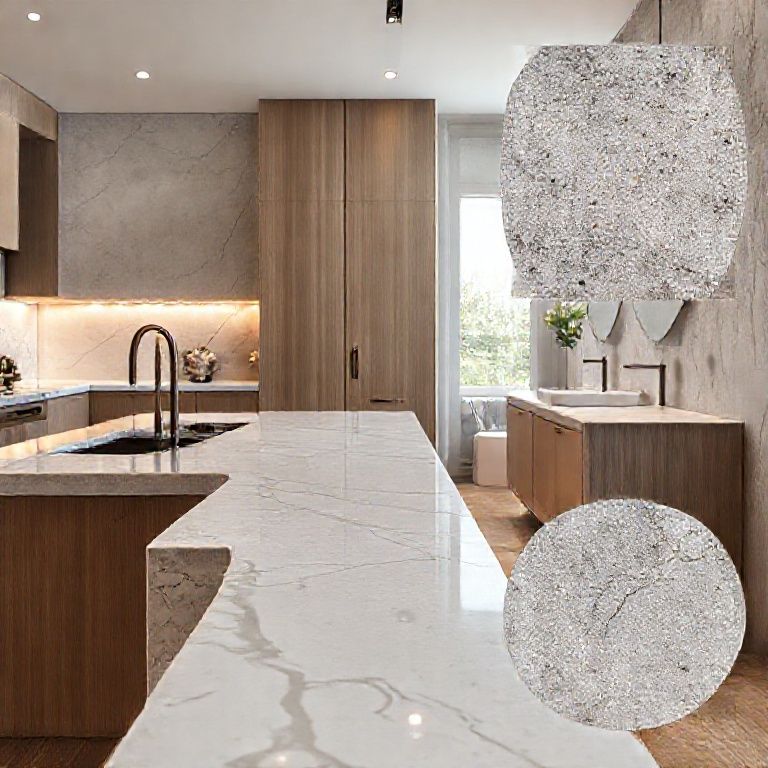
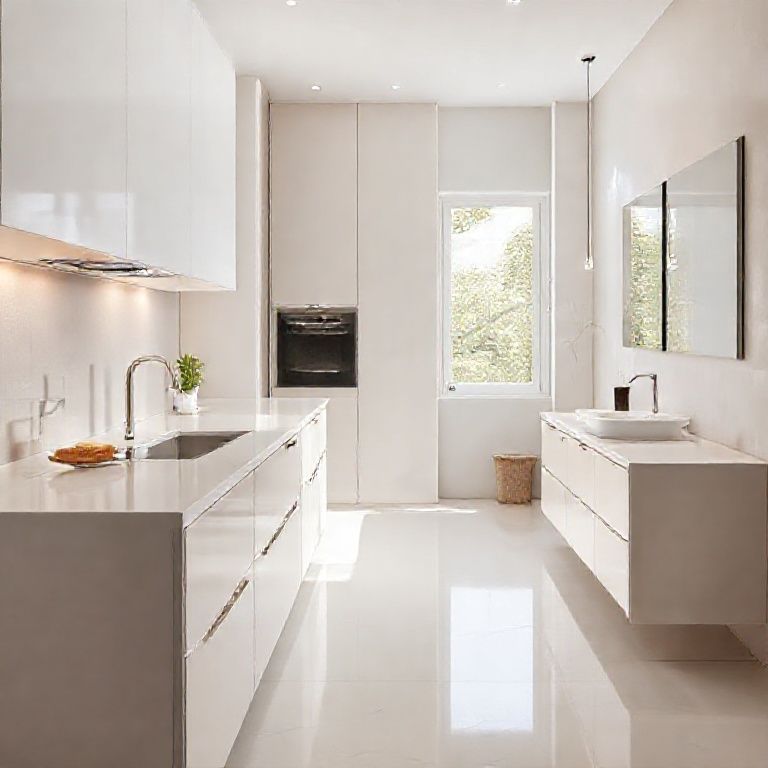
The art and science of crafting artificial stone countertops is a fascinating blend of modern technology and innovative design principles. As kitchen and bathroom design trends continue to evolve, artificial stone has emerged as a versatile and durable alternative to traditional natural stone. This first part delves into the intricate processes and materials that go into the production of these sophisticated surfaces.
Understanding Artificial Stone:
Artificial stone, also known as cultured stone, is a composite material made primarily from limestone, marble, or granite combined with resin and other additives. The result is a high-performance product that mimics the beauty and durability of natural stone while offering greater flexibility in design and installation.
Material Selection and Preparation:
The first step in the manufacturing process involves selecting the appropriate materials. The base material, usually limestone, is chosen for its aesthetic appeal and workability. High-quality limestone is crushed and mixed with fine aggregate to form a slurry. This mixture is then combined with a polymer resin, often made from acrylic or polyester, which acts as the binding agent. Additives such as colorants, pigments, and fillers are added to achieve the desired texture and color.
Mold Creation:
Creating a mold is a crucial step in the production of artificial stone countertops. The mold is typically made from aluminum or steel and is designed to replicate the shape and contours of the final countertop. Molds can be custom-made to fit specific design requirements or standardized for mass production. The mold is coated with a release agent to prevent the artificial stone from sticking during the curing process.
Mixing and Pouring:
Once the mold is ready, the prepared stone slurry is poured into it. The mixture is then smoothed out to eliminate air bubbles and ensure an even distribution of the materials. This step is critical as it directly affects the final texture and appearance of the countertop. The mold is left to cure, during which the polymer resin binds with the aggregate, creating a solid and durable surface.
Curing Process:
The curing process can take several hours to a few days, depending on the thickness of the countertop and the specific formulation of the materials. During this time, the artificial stone hardens and gains strength. The mold is carefully removed once the stone has cured, revealing a finished piece that closely resembles natural stone.
Polishing and Finishing:
After curing, the artificial stone countertop undergoes a series of finishing processes to enhance its appearance and durability. The surface is polished to achieve a smooth, glossy finish that mimics the look of natural stone. Depending on the desired aesthetic, additional treatments such as etching, brushing, or dyeing can be applied. These techniques add depth and texture, further enhancing the countertop’s visual appeal.
Quality Control:
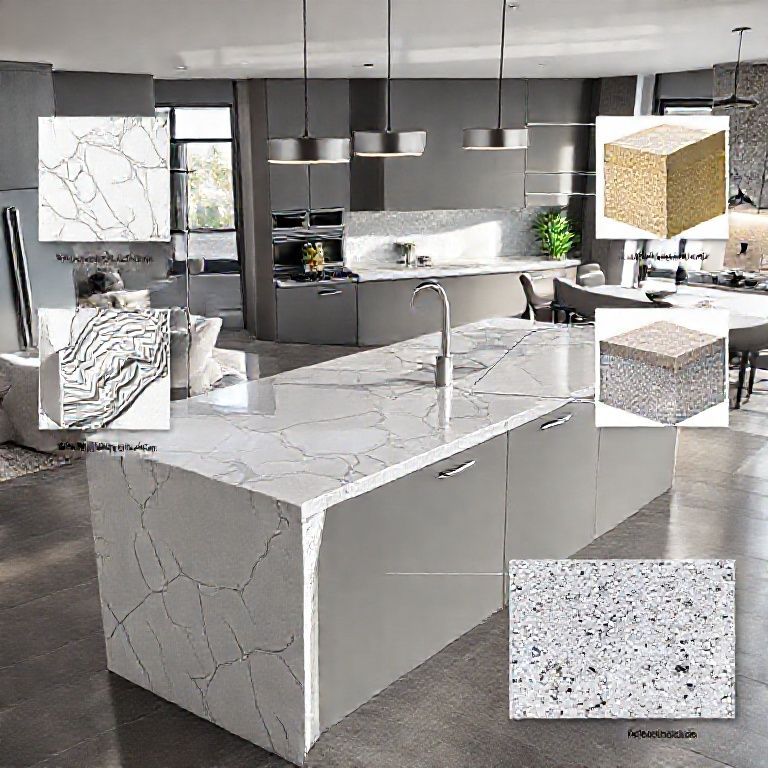
Quality control is a critical aspect of the manufacturing process. Each piece of artificial stone is inspected for any imperfections, such as air bubbles, uneven texture, or color inconsistencies. Only those pieces that meet stringent quality standards are approved for sale. This meticulous attention to detail ensures that each countertop meets the highest levels of craftsmanship and durability.
Advantages of Artificial Stone:
Artificial stone offers numerous advantages over natural stone, making it an increasingly popular choice for modern kitchens and bathrooms. These benefits include:
Durability: Artificial stone is highly resistant to scratches, stains, and chips, making it an ideal choice for high-traffic areas. Its durability ensures a long-lasting and low-maintenance surface.
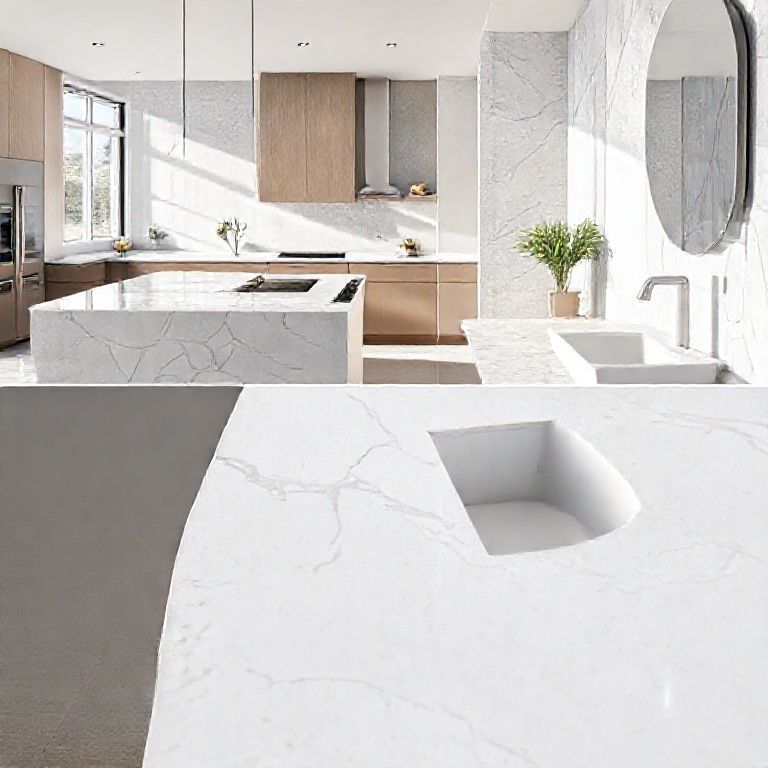
Customizability: Unlike natural stone, artificial stone can be tailored to meet specific design requirements. It can be created in a wide range of colors, patterns, and finishes, allowing for endless creative possibilities.
Cost-Effectiveness: While the initial cost of artificial stone may be higher than some other materials, its durability and low maintenance costs make it a cost-effective option in the long run.
Environmentally Friendly: Artificial stone is made from natural materials and does not require the extraction of natural stone, making it an environmentally friendly choice. Additionally, it does not release harmful chemicals, providing a safer option for indoor environments.
Ease of Installation: Artificial stone countertops can be easily installed by professional installers or DIY enthusiasts. They can be cut to fit any size space and are less prone to warping and cracking compared to natural stone.
Conclusion:
The manufacturing process of artificial stone countertops is a sophisticated blend of art and science. From the careful selection of materials to the intricate finishing techniques, each step is designed to create a product that rivals the beauty and durability of natural stone. As we continue to explore the world of artificial stone, we will uncover more about its applications and the innovative techniques that make it a game-changer in modern design.
Stay tuned for Part 2, where we will delve deeper into the applications and future trends of artificial stone countertops in kitchen and bathroom design.
In our previous discussion, we explored the intricate manufacturing processes behind artificial stone countertops, highlighting their versatility and durability. In this second part, we will delve into the exciting applications and future trends that are reshaping kitchen and bathroom design with the introduction of advanced artificial stone technologies.
Applications in Kitchen Design:
Artificial stone has revolutionized kitchen design by offering a range of benefits that cater to both aesthetics and functionality. Here are some key applications:
Custom Kitchens: Artificial stone allows for the creation of custom kitchen designs that are tailored to individual preferences. With its wide array of colors, patterns, and finishes, it can be used to create unique and personalized countertops that complement any kitchen theme.
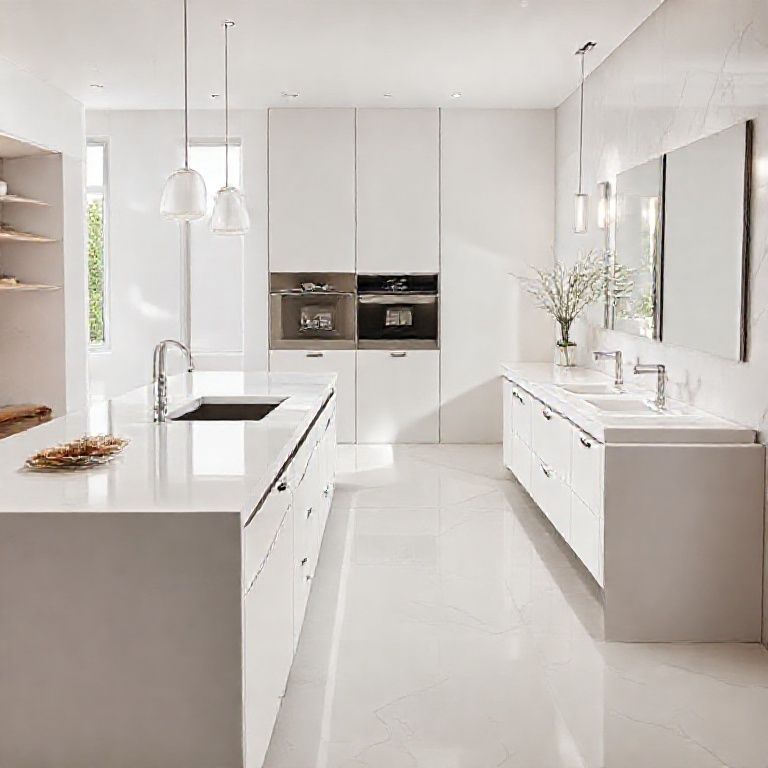
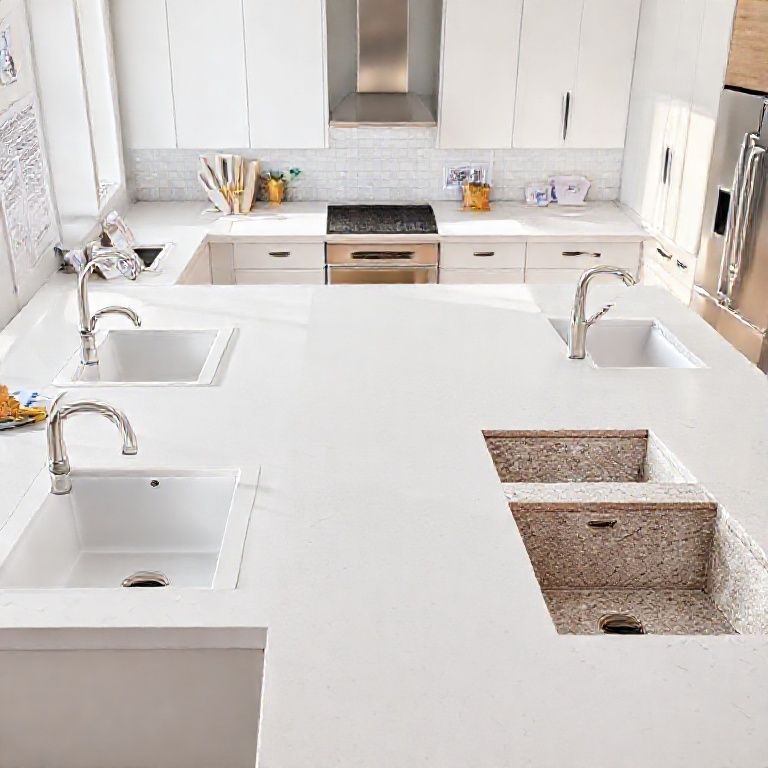
Worktops and Islands: Artificial stone worktops and islands provide a durable and easy-to-clean surface perfect for cooking and food preparation. Their resistance to stains, spills, and scratches ensures that they maintain their appearance over time, reducing the need for frequent maintenance.
Backsplashes: Artificial stone backsplashes add a touch of elegance and sophistication to kitchens. They are available in various textures and colors, allowing designers to create visually stunning and cohesive backsplashes that blend seamlessly with the overall kitchen design.
Appliance Integration: With advancements in technology, artificial stone can be used to integrate with modern kitchen appliances. Custom-designed artificial stone panels can be created to fit around refrigerators, ovens, and other appliances, providing a seamless and cohesive look.
Applications in Bathroom Design:
Artificial stone is not only transforming kitchen design but also making significant strides in bathroom renovation and design. Here are some notable applications:
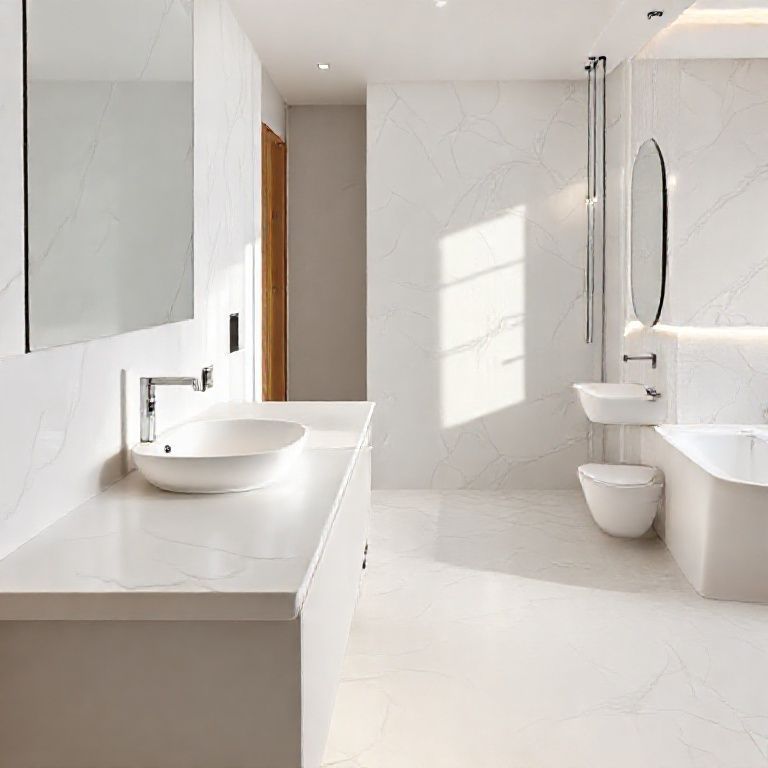
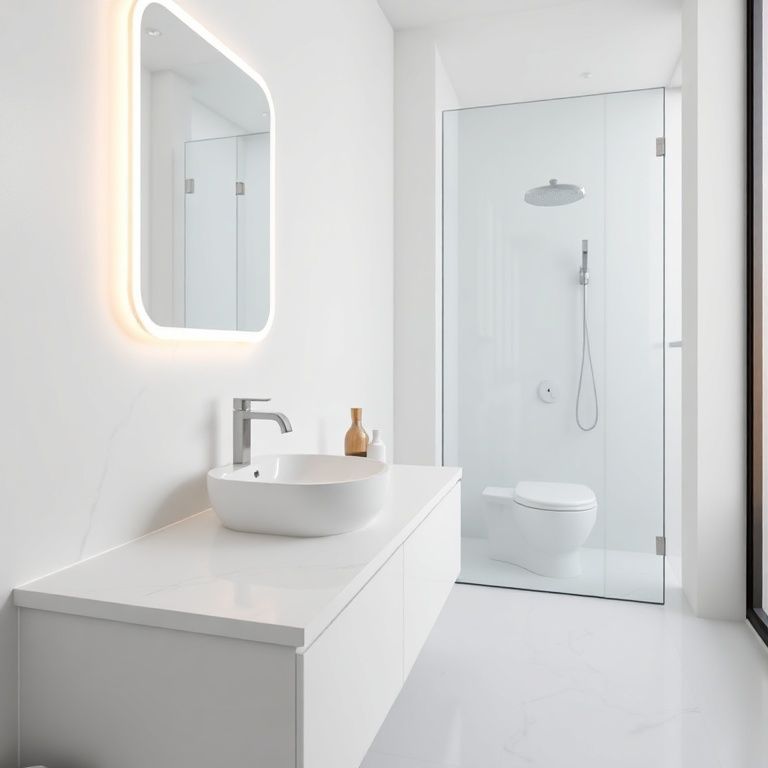
Vanity Tops: Artificial stone vanity tops offer a luxurious and durable surface for bathroom sinks and counters. Their high resistance to water and stains makes them ideal for high-moisture areas, ensuring they remain pristine over time.
Shower Walls and Floors: Artificial stone can be used to create stunning shower walls and floors that mimic the look of natural stone without the high maintenance. Its water-resistant properties make it a perfect choice for wet areas, while its customizable options allow for creative designs that enhance the overall aesthetic of the bathroom.
Bathtub Surrounds: Artificial stone can be used to create beautiful bathtub surrounds that blend seamlessly with the bathroom decor. Custom-shaped and colored panels can be designed to fit any bathtub, providing a luxurious and cohesive look.
Counters and Shelves: Artificial stone counters and shelves offer a durable and stylish surface for bathroom storage and display. They are easy to clean and maintain, ensuring they remain fresh and attractive over time.
Future Trends and Innovations:
The future of artificial stone countertops is bright, with ongoing innovations and advancements driving new trends in kitchen and bathroom design. Here are some emerging trends and technologies:
Smart Materials: The integration of smart materials into artificial stone is opening up new possibilities for interactive and responsive surfaces. These materials can change color, texture, or even respond to touch, providing a dynamic and engaging design experience.
3D Printing: Advances in 3D printing technology are allowing for the creation of complex and intricate artificial stone designs that were previously impossible. This technology enables the production of highly customized and detailed pieces that can be tailored to specific design requirements.
Sustainable Practices: Sustainability is becoming a key focus in the production of artificial stone. Innovations in material composition and manufacturing processes are reducing the environmental impact of artificial stone production, making it an even more eco-friendly option.
Health-Conscious Materials: As awareness of health and wellness grows, artificial stone manufacturers are developing materials that are free from harmful chemicals and allergens. This trend ensures that artificial stone countertops are safe for indoor use and contribute to healthier living environments.
Customization and Personalization: The ability to create highly customized artificial stone pieces is expanding, allowing for truly unique and personalized designs. Advances in manufacturing technology are making继续我们对未来趋势和创新的探讨,我们将探讨一些将来在厨房和浴室设计中极有可能成为主流的前沿技术和趋势。
1. 智能材料:
智能材料的整合正在开启人工石的新可能性,这些材料可以改变颜色、纹理,甚至响应触摸,提供一个动态和互动的设计体验。
2. 3D打印:
3D打印技术的进步正在使以前无法实现的复杂和精细的人工石设计成为可能。这项技术允许生产出高度定制和细节丰富的作品,可以根据特定的设计要求量身定制。
3. 可持续实践:
可持续性正在成为人工石生产的关键焦点。材料组成和制造工艺的创新正在减少人工石生产对环境的影响,使其成为更加环保的选择。
4. 健康材料:
随着对健康和福祉意识的提高,人工石制造商正在开发不含有害化学物质和过敏原的材料。这一趋势确保人工石台面对室内环境的使用更加安全,并为健康的生活环境做出贡献。
5. 定制化和个性化:
创新的制造技术正在增强人工石的高度定制化和个性化的能力。这使得设计师能够创建真正独一无二的、个性化的设计,满足消费者的独特需求。
6. 智能家居集成:
随着智能家居技术的普及,人工石台面正在进一步与智能家居系统集成。这可能包括与厨房设备和系统的互动,如智能烤箱和冰箱,提供更高级的厨房体验。
7. 多功能性:
未来的人工石设计可能会更加注重多功能性,创造出既美观又实用的表面。这可能包括可变形的台面,能够根据需要调整形状和功能,或者集成了储物和技术功能的表面。
结论:
人工石台面的制造工艺结合了艺术和科学,推动了现代厨房和浴室设计的进步。从材料选择和制作到未来趋势和创新,每一步都展示了这种材料在美学、耐用性和环保方面的巨大潜力。随着技术的不断进步,人工石的未来将更加令人兴奋和多样化,继续改变我们的生活空间。
在下一部分中,我们将进一步探讨人工石在不同设计风格中的应用,以及如何根据特定的项目需求选择最适合的材料和设计。