
The allure of stone has captivated humanity for millennia. Its natural beauty, strength, and timeless appeal have adorned our homes, temples, and public spaces. Yet, the very qualities that make natural stone so desirable – its rarity, the challenges of extraction, and the inherent variations in its patterns – can also present limitations. Enter the realm of artificial stone, a testament to human ingenuity and a vibrant field often showcased through the engaging medium of “人造石制作视频” (artificial stone manufacturing videos). These captivating visual narratives peel back the curtain on a process that marries scientific precision with artistic flair, transforming humble raw materials into surfaces of breathtaking beauty and remarkable functionality.

At its core, artificial stone is not a single entity but a broad category encompassing materials engineered to mimic or even surpass the aesthetic and performance characteristics of natural stone. The most common types include quartz surfaces, solid surfaces, and engineered marble or granite. Each possesses its unique composition and manufacturing journey, making the exploration through “人造石制作视频” all the more fascinating. For instance, when you watch a video detailing the creation of quartz surfaces, you’re witnessing a sophisticated industrial ballet. The primary ingredient here is natural quartz, a crystalline mineral, which constitutes upwards of 90% of the final product. This quartz is meticulously crushed and ground into fine particles. These particles are then combined with a polymer resin, typically a polyester or acrylic-based binder, and a precise blend of pigments to achieve the desired color and veining. The magic truly happens during the formation stage. A powerful vacuum and high-pressure compaction process, often using Bretonstone technology, binds these components together. This extreme pressure not only eliminates air pockets, preventing porosity and enhancing durability, but also fuses the quartz crystals and resin into an incredibly dense and homogenous slab. The videos often highlight the sheer force involved, showcasing massive machinery at work, a stark contrast to the delicate, often intricate patterns that emerge on the surface.
The process doesn’t end with the slab. Following the curing and solidification, the raw slabs undergo a series of transformations that further refine their appearance and prepare them for the market. This is where the artistry truly shines. Precision cutting, often using advanced CNC (Computer Numerical Control) machines, shapes the large slabs into manageable sizes. Then comes the polishing – a multi-stage process that gradually moves from coarser abrasives to finer ones, revealing the lustrous sheen that is characteristic of high-quality artificial stone. Many “人造石制作视频” will dedicate a segment to this polishing phase, showcasing the transformation from a matte surface to a mirror-like finish. The pigments and additives that were mixed in earlier now come into their own, creating realistic patterns that mimic the natural variations of marble, granite, and other exotic stones. Some manufacturers even employ specialized techniques to create unique veining patterns, often by strategically placing pigments or by manipulating the flow of the mixture during the compression stage. This meticulous attention to detail ensures that each slab, while manufactured, carries a unique aesthetic signature, offering designers and homeowners a wealth of options that might be impossible or prohibitively expensive to achieve with natural stone.
Solid surfaces, another prominent member of the artificial stone family, offer a different, yet equally compelling, manufacturing narrative. Primarily composed of acrylic polymers and alumina trihydrate (ATH), a mineral derived from bauxite ore, solid surfaces are known for their non-porous nature, seamless joinery capabilities, and ability to be thermoformed into complex shapes. “人造石制作视频” focusing on solid surfaces often emphasize the chemical reactions and precision mixing involved. The acrylic resins provide flexibility and a smooth finish, while the ATH enhances fire resistance and durability. Pigments are added to achieve an extensive palette of colors and patterns, ranging from solid, vibrant hues to intricate flecks and subtle veining. The mixture is then cast into molds or spread into sheets, followed by a curing process. Unlike quartz surfaces, solid surfaces are often produced in thinner sheets, making them incredibly versatile for applications beyond countertops, such as wall cladding, integrated sinks, and bespoke furniture. The videos might illustrate the casting process, the careful control of temperature and time to ensure proper curing, and the subsequent sanding and polishing stages that bring out the final finish. The ability to thermoform solid surfaces, gently heating them and then molding them over curved forms, is another aspect often highlighted in visual content, demonstrating the material’s adaptability and opening up a world of design possibilities.
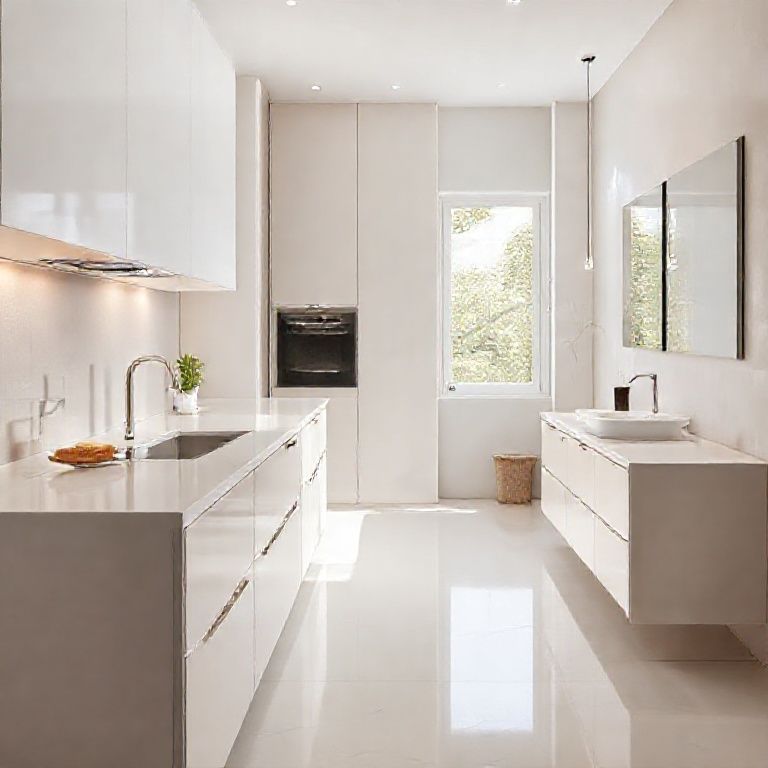
The sheer scale and precision of these manufacturing processes, as captured in “人造石制作视频,” are often awe-inspiring. They demonstrate a profound understanding of material science, engineering, and industrial design. The focus on consistency, quality control, and waste reduction underscores the modern approach to manufacturing, where efficiency and environmental responsibility are increasingly prioritized. The videos serve not just as educational tools but as a testament to the innovation that continues to drive the artificial stone industry forward, offering a compelling glimpse into how we shape the materials that shape our world.
The journey of artificial stone from raw ingredients to finished product, as vividly depicted in “人造石制作视频,” is a captivating blend of advanced technology and artisanal skill. Beyond the fundamental compositions of quartz and solid surfaces, the manufacturing process itself is a critical differentiator, offering insights into the material’s performance and aesthetic potential. Take, for instance, the production of engineered marble or granite. While sharing similarities with quartz surfaces in their use of binders and pigments, these materials often incorporate a higher proportion of natural stone aggregate – finely ground marble or granite chips. This allows for a more authentic replication of the visual depth and subtle variations found in their natural counterparts. “人造石制作视频” showcasing this process might highlight the careful selection and processing of these stone aggregates, ensuring a consistent particle size and color to achieve the desired final appearance. The mixture of aggregates, resin, and pigments is then subjected to vibration and compaction, often in specialized molds, to create slabs. The subsequent stages of curing, cutting, and polishing are crucial in revealing the intricate patterns and achieving the desired surface finish. The videos often emphasize how the manufacturing process allows for greater control over the distribution of these aggregates, leading to more predictable and uniform patterns compared to the often unpredictable beauty of natural stone.
One of the most compelling aspects of “人造石制作视频” is the revelation of the diverse finishing techniques employed. Once the slabs are formed and cut to size, the surface treatment plays a pivotal role in defining the material’s final look and feel. Polishing, as mentioned, is a standard step, but the degree of polish can vary significantly. A high-gloss finish offers a radiant, reflective surface that amplifies light and creates a sense of spaciousness, a common feature in luxury interiors. Conversely, a honed or matte finish provides a more subdued, sophisticated appearance, reducing glare and offering a softer tactile experience. Many videos will demonstrate the progression of polishing stages, showing the transition from a rougher surface to progressively smoother finishes, often with close-up shots that highlight the texture and depth. Beyond standard finishes, some manufacturers employ specialized techniques to create unique textures and effects. For example, “leathering” techniques involve using brushes with diamond-tipped filaments to create a textured, slightly uneven surface that mimics the feel and appearance of natural leather. This adds a tactile dimension to the stone, making it not only visually appealing but also interesting to touch. Other finishes might include brushing, antiquing, or even the introduction of subtle patterns through advanced etching or laser engraving. These details, often captured in slow-motion or with intricate close-ups within the videos, underscore the artistry involved in transforming a manufactured product into something that feels both bespoke and timeless.
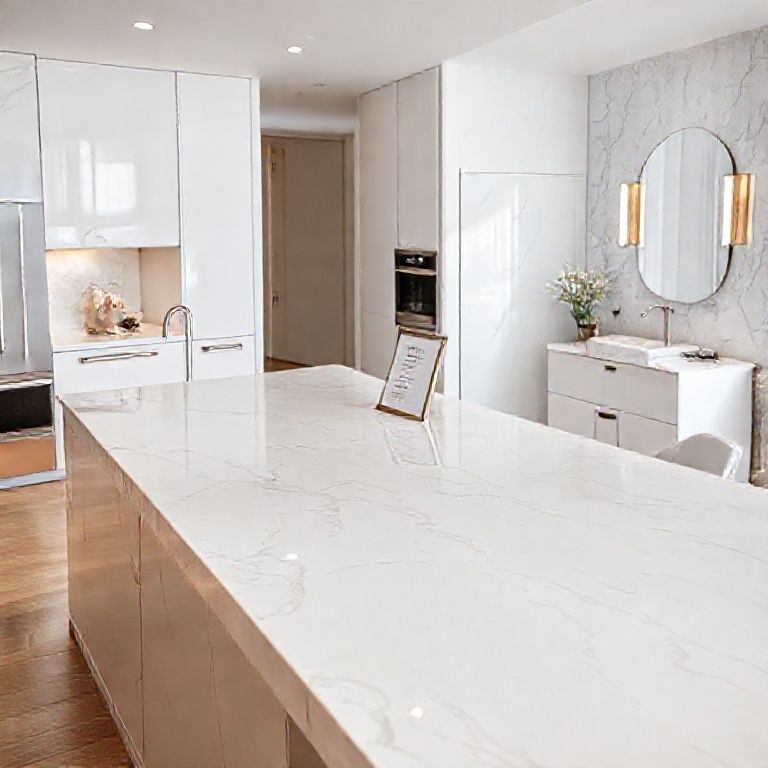
The fabrication stage, where artificial stone slabs are transformed into functional elements like countertops, backsplashes, or vanity tops, is another area where “人造石制作视频” offer valuable insights. This phase showcases the practical application of the material’s properties. The precision cutting, edge profiling, and installation all require specialized tools and expertise. Waterjet cutting, for instance, is often employed for intricate designs or precise cuts that might be challenging with traditional methods. Edge profiles can range from simple eased edges to more elaborate ogee or bullnose designs, each adding a distinct stylistic touch. The videos might demonstrate how adhesives are used to create seamless joints, a significant advantage of solid surfaces and some quartz products, which are virtually invisible, preventing the buildup of dirt and bacteria and contributing to a hygienic and aesthetically pleasing installation. The ability to create integrated sinks, where the countertop and sink are formed from a single piece of material, is another testament to the versatility and advanced fabrication techniques employed. These visual demonstrations highlight not only the skill of the fabricators but also the inherent advantages of the materials themselves – their durability, ease of maintenance, and seamless aesthetic potential.
Furthermore, “人造石制作视频” are instrumental in demystifying the environmental considerations and sustainability efforts within the artificial stone industry. Modern manufacturers are increasingly focused on reducing their environmental footprint. This can involve using recycled materials in their formulations, optimizing energy consumption during production, and minimizing waste through efficient cutting and recycling processes. Some videos may highlight the use of renewable energy sources in their factories or showcase initiatives for responsible sourcing of raw materials. The inherent durability and long lifespan of artificial stone also contribute to its sustainability, reducing the need for frequent replacements and the associated resource consumption. By showcasing these practices, the videos aim to build consumer confidence and highlight the industry’s commitment to responsible manufacturing. The transparency offered through these visual narratives allows consumers to make informed decisions, understanding not only the beauty and performance of artificial stone but also the thoughtful processes that go into its creation and the industry’s growing emphasis on environmental stewardship. Ultimately, these videos are more than just a showcase of manufacturing; they are a celebration of innovation, design, and the meticulous craftsmanship that brings durable, beautiful, and versatile surfaces into our lives.









