
The allure of natural stone – the rich veins of marble, the earthy tones of granite, the subtle patterns of onyx – has captivated humans for millennia. These geological wonders, sculpted by immense pressure and time, bring an unparalleled sense of luxury and permanence to our living spaces. Yet, as demand for these natural materials has surged, so too have concerns about their sustainability, consistency, and sometimes, their prohibitive cost. Enter the realm of engineered stone, a category of man-made materials that artfully combines the aesthetic appeal of natural stone with the advantages of modern manufacturing. Far from being a mere imitation, engineered stone represents a sophisticated fusion of science and design, offering a compelling alternative for those seeking both beauty and performance in their homes and businesses.

The question, “人造石怎么做出来的?” – “How is artificial stone made?” – unlocks a fascinating narrative of human ingenuity. It’s a story that begins not with a quarry, but with carefully selected raw materials, meticulously processed and transformed through a blend of advanced technology and skilled craftsmanship. At its core, engineered stone is an composite material, meaning it’s created by combining different components to achieve superior properties. The most prevalent and arguably the most celebrated form of engineered stone is quartz surfacing, often referred to as “quartz countertops.” But the term “artificial stone” can encompass a broader range of materials, each with its unique composition and manufacturing journey.
Let’s begin with the star player: quartz surfacing. Imagine taking the natural abundance of quartz, one of the hardest minerals on Earth, and marrying it with resins and pigments. The process starts with mining quartz – typically sourced from quarries that yield high-purity material. These mined quartz crystals are then crushed and processed into a fine aggregate, a sort of stony flour. This aggregate forms the backbone of the engineered stone, providing its incredible strength and durability. The purity of the quartz is crucial; it dictates the final product’s color and consistency.
Next comes the binder, the element that holds the quartz together and gives it its shape. This is where polymer resins, usually polyester or epoxy-based, come into play. These resins act as the glue, filling the spaces between the quartz particles and creating a non-porous, solid surface. The type and amount of resin used significantly influence the final product’s characteristics, including its flexibility and resistance to staining. To achieve the vast spectrum of colors and patterns that engineered stone is known for, pigments are introduced during this mixing stage. These are not just superficial dyes; they are carefully formulated to integrate seamlessly with the quartz and resin, ensuring the color is consistent throughout the slab and won’t fade over time.
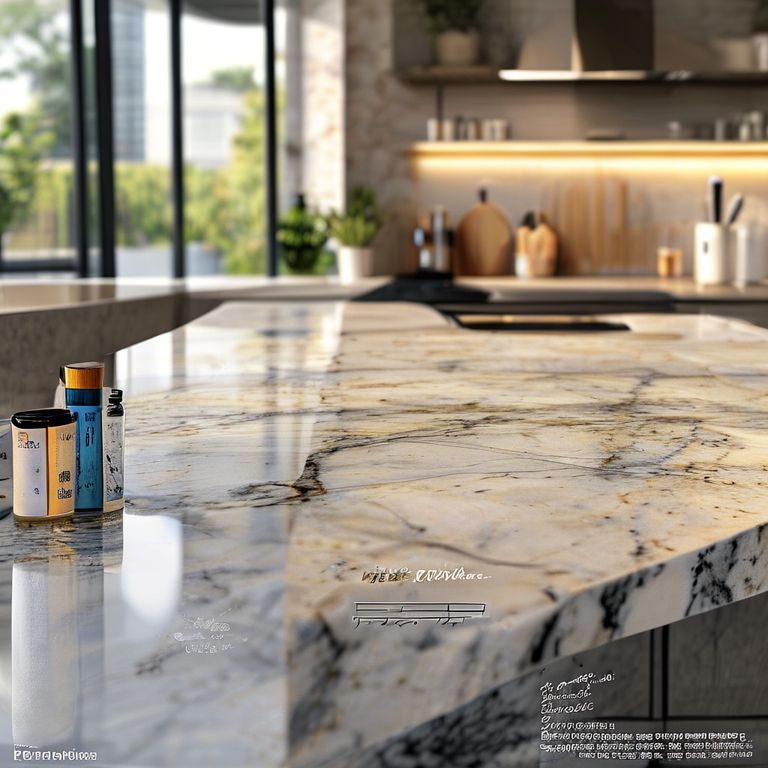
The magic truly happens during the forming and curing phases. The precisely measured mixture of quartz aggregate, resin, and pigments is poured into molds, often in large slab formats. This slurry is then subjected to a process called vibrocompression. This is a critical step where intense vibration and vacuum are applied simultaneously. The vibration helps to settle the particles, eliminating air voids and creating a dense, uniform matrix. The vacuum, on the other hand, removes any trapped air bubbles, which could otherwise compromise the structural integrity of the finished product. This meticulous process ensures that the engineered stone is not only visually appealing but also incredibly strong and free from inherent weaknesses.
Following vibrocompression, the slabs are moved to ovens for curing. Here, the resins undergo a chemical reaction, hardening and bonding the quartz particles together permanently. This thermal treatment solidifies the material, transforming the pliable mixture into a rigid, durable slab. The curing time and temperature are precisely controlled to ensure optimal molecular bonding and complete hardening. Once cured, the slabs are typically polished to a high sheen, revealing the intricate patterns and vibrant colors that have been created.
While quartz surfacing is the most common example, other forms of engineered stone, like solid surface materials (often acrylic-based), follow a similar philosophy of combining raw materials with binders. Solid surface materials might use acrylic polymers and mineral fillers (like alumina trihydrate) to create a seamless, non-porous, and repairable surface. The manufacturing process for these might involve casting or extrusion, leading to different aesthetic and performance characteristics. Regardless of the specific composition, the underlying principle remains the same: taking fundamental elements and transforming them through controlled processes into materials that offer enhanced beauty, functionality, and consistency compared to their natural counterparts.
The appeal of engineered stone lies not just in its creation, but in the tangible benefits it offers. Its non-porous nature means it resists stains from common household substances like wine, coffee, and oil, making it exceptionally low-maintenance. This inherent resistance to liquids also prevents the growth of bacteria and mold, contributing to a more hygienic environment. Furthermore, the controlled manufacturing process allows for remarkable consistency in color and pattern. Unlike natural stone, where each slab can be unique, engineered stone offers predictable aesthetics, which is invaluable for design planning and ensuring a cohesive look throughout a project. This uniformity, coupled with its impressive durability and the vast array of design possibilities, has cemented engineered stone’s place as a premier choice in modern design.
Continuing our exploration of “人造石怎么做出来的?” – “How is artificial stone made?” – we delve deeper into the sophisticated techniques and thoughtful considerations that elevate engineered stone from a mere material to a design staple. The manufacturing process, while rooted in scientific principles, also allows for an incredible degree of artistic expression, enabling designers and homeowners to achieve specific aesthetic visions with remarkable precision.
Beyond the fundamental mixing and compression of quartz aggregate with resins and pigments, the engineered stone industry employs advanced technologies to achieve intricate patterns and unique visual effects. For instance, the creation of veining, reminiscent of natural marble, involves sophisticated methods of distributing pigments and resins. Some processes utilize specialized equipment that injects different colored resins into the quartz slurry at precise intervals, mimicking the organic flow of natural mineral deposits. Others involve layering different colored mixtures before compression, allowing for a more controlled and sometimes even more dramatic veining effect than what nature can provide. This ability to replicate and even enhance natural patterns is a testament to the engineering prowess behind these materials.
The uniformity achieved in engineered stone manufacturing is a significant advantage. When you select a slab of a particular engineered stone design, you can be confident that the next slab of the same design will be virtually identical. This predictability is invaluable for large-scale projects where multiple slabs are needed, ensuring a seamless and cohesive aesthetic. It also simplifies the selection process for consumers, eliminating the uncertainty that can sometimes accompany choosing natural stone, where the exact piece might differ from the sample.
The versatility of engineered stone extends to its form factor. While most commonly produced in large slabs for countertops, backsplashes, and wall cladding, it can also be manufactured in other shapes and sizes, offering even greater design flexibility. This adaptability allows architects and designers to incorporate engineered stone into a wider range of applications, from seamless sinks integrated directly into countertops to intricate decorative elements.
The curing process, as mentioned earlier, is pivotal. Modern manufacturing often employs advanced curing techniques to optimize the material’s properties. This might involve controlled temperature ramps, specific humidity levels, and extended curing times to ensure complete polymerization of the resins. This meticulous control over the curing process contributes directly to the engineered stone’s impressive durability, its resistance to heat, impact, and scratches.
The finishing stages are equally important. After curing, the slabs undergo a rigorous finishing process. This typically includes calibration to ensure precise thickness, followed by multiple stages of polishing. The polishing process uses progressively finer abrasives to achieve the desired level of sheen, from a matte finish to a highly reflective gloss. Some manufacturers also offer textured finishes, adding another layer of design possibility. The edges of the slabs are then cut and finished according to specifications, ready for fabrication and installation.
The quality control measures implemented throughout the manufacturing process are stringent. From the selection and testing of raw materials to the final inspection of the finished slabs, every step is monitored to ensure the product meets high standards of quality, consistency, and performance. This includes checking for color variations, surface imperfections, structural integrity, and dimensional accuracy.
The environmental impact of engineered stone production is also a consideration for many. While natural stone extraction can have significant environmental consequences, the manufacturing of engineered stone, particularly quartz surfacing, often involves recycling processes and efforts to minimize waste. The long lifespan and low maintenance requirements of engineered stone also contribute to its sustainability profile, reducing the need for frequent replacement. Some manufacturers are also exploring the use of bio-resins and other sustainable additives to further enhance the eco-friendliness of their products.
The development of engineered stone is a dynamic field, with continuous innovation in materials, manufacturing techniques, and design aesthetics. Researchers and manufacturers are constantly exploring new ways to enhance durability, introduce novel visual effects, and improve the sustainability of these materials. This includes advancements in resin technology, the incorporation of recycled content, and the development of new pigment and additive systems. The goal is always to push the boundaries of what’s possible, creating surfaces that are not only beautiful and functional but also align with evolving consumer preferences and environmental consciousness.
Ultimately, the creation of engineered stone is a remarkable feat of modern manufacturing. It transforms humble raw materials into sophisticated surfaces that blend the timeless appeal of natural stone with the predictable performance and design freedom of engineered materials. The answer to “人造石怎么做出来的?” is a complex but rewarding story of science, art, and an unwavering commitment to quality, resulting in materials that enrich our living and working spaces for years to come.









