
The allure of natural stone has captivated humankind for millennia. Its inherent strength, timeless beauty, and the stories etched into its very being evoke a sense of permanence and grandeur. However, the very qualities that make natural stone so desirable – its weight, cost, and the logistical challenges of sourcing and installation – often place it beyond the reach of many ambitious design projects. Enter the realm of faux stone, a brilliant testament to human ingenuity, where the artistry of replication meets the practicality of modern materials. “人造石做法,” or the methods of creating artificial stone, represents a fascinating intersection of technology and aesthetics, offering a compelling alternative that is both visually stunning and remarkably versatile.

The journey of faux stone from concept to creation is a sophisticated dance of science and artistry. At its core, the process involves meticulously replicating the visual and textural characteristics of natural stone. This begins with an in-depth study of authentic stone formations – observing the subtle variations in color, the intricate veining, the rough-hewn textures, and the unique imperfections that give each natural piece its soul. This observational phase is crucial, as it informs the subsequent stages of mold creation and material formulation.
One of the most common and effective methods for creating high-quality faux stone involves the use of molds. These molds are often cast from real stone, capturing every nuanced detail. The process of creating these molds is itself an art form, requiring skilled artisans to ensure that the negative space accurately reflects the positive details of the original stone. Once the molds are perfected, they serve as the canvas for the artificial creation.
The material of choice for many faux stone applications is a blend of Portland cement, aggregates, and various admixtures. This composite material is carefully mixed to achieve the desired strength, workability, and, most importantly, the ability to mimic the density and feel of real stone. Pigments are then introduced into the mix, not as a surface coating, but as an integral part of the material itself. This is a critical distinction. Unlike painted surfaces that can chip or fade, integral coloring ensures that the color is consistent throughout the material, offering a far more durable and naturalistic appearance. The careful selection and combination of pigments allow for the recreation of an astonishing spectrum of natural stone hues, from the warm ochres of sandstone to the cool greys of slate and the rich earth tones of granite.
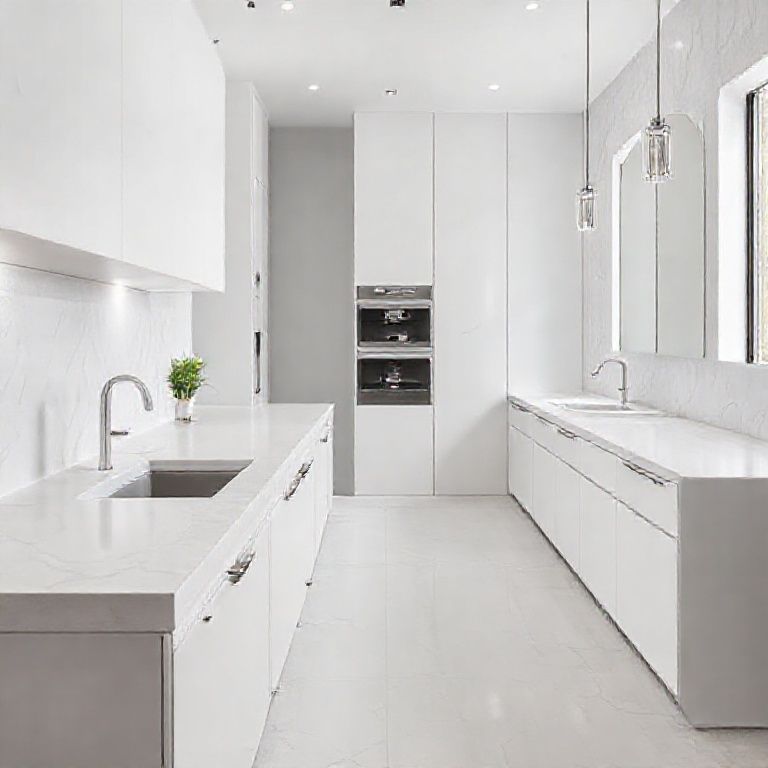
Once the concrete mixture is prepared, it is carefully poured or pressed into the molds. This stage demands precision. Vibrating the mixture helps to eliminate air pockets, ensuring a dense and strong final product. The curing process is then paramount. Just as natural stone is shaped by geological forces over eons, faux stone requires controlled conditions for optimal strength development. This typically involves keeping the material moist for a specific period, allowing the cement to hydrate fully and achieve its maximum potential hardness.
Following demolding, the individual pieces of faux stone are often subjected to further artistic treatment. Artisans may hand-paint subtle accents, add washes of color to deepen shadows or highlight textures, and even chip or distress edges to further enhance the illusion of authenticity. This meticulous finishing work is what elevates faux stone from a mere imitation to a work of art in its own right. It’s a process that respects the natural world while leveraging the advantages of contemporary manufacturing.
Beyond the common cement-based composites, other innovative materials and techniques are employed in the “人造石做法.” Some high-end faux stones utilize advanced polymer resins or fiberglass reinforced plastics, offering lighter weight and increased resistance to certain environmental factors. These materials can be molded into incredibly intricate shapes and can be engineered for specific performance characteristics, such as superior weatherability or fire resistance. The development of these advanced materials continues to push the boundaries of what faux stone can achieve, making it an increasingly attractive option for architects and designers seeking both form and function.
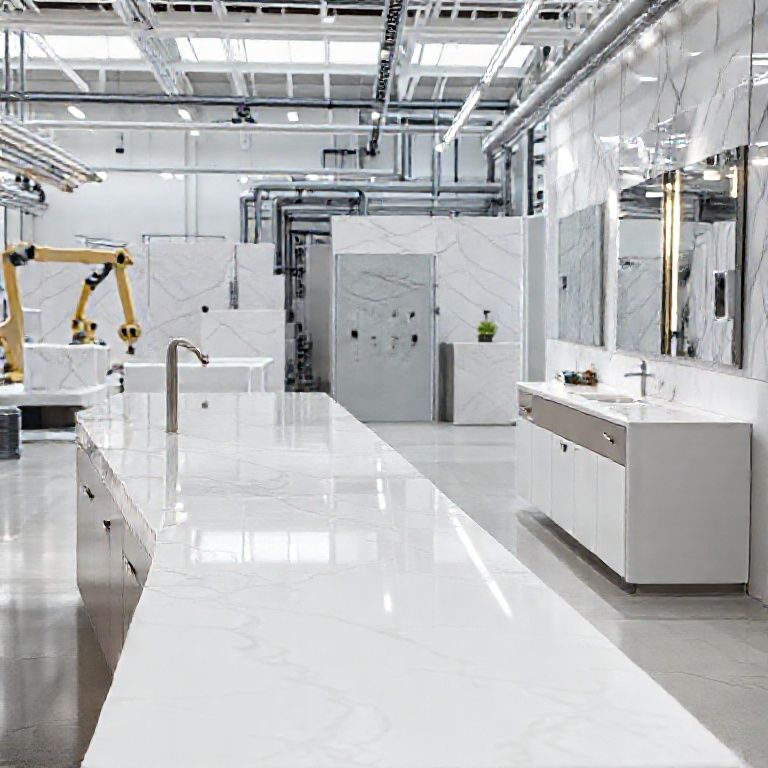
The beauty of faux stone lies not just in its creation but also in its remarkable adaptability. Its lighter weight compared to natural stone makes it significantly easier and more cost-effective to transport and install. This translates to reduced labor costs and a less invasive construction process. Furthermore, faux stone can be manufactured in a wide array of styles, from individual veneer pieces that mimic thin-cut natural stone to larger panels designed for rapid installation. This flexibility allows it to be integrated into virtually any architectural style, from rustic farmhouses to sleek modern residences and from charming commercial facades to intimate interior accent walls. The “人造石做法” has truly democratized the aesthetic of natural stone, bringing its timeless appeal to a broader audience and a wider range of applications, proving that beauty and innovation can indeed go hand-in-hand.
The transition from the factory floor to the finished installation is where the true magic of faux stone, born from the “人造石做法,” unfolds. It’s in this transformation that its aesthetic potential is realized, and its practical advantages shine through, making it a compelling choice for a vast spectrum of design and architectural endeavors. The versatility of faux stone isn’t just a theoretical concept; it’s a tangible reality that empowers designers, builders, and homeowners to achieve their vision without the inherent limitations of its natural counterpart.
One of the most immediate and impactful applications of faux stone is in exterior cladding. Imagine a home with the rugged, authentic look of a stone cottage, but built with the efficiency and cost-effectiveness that faux stone provides. This is where the durability and weather resistance of high-quality faux stone truly come into play. Engineered to withstand the elements, including harsh sun, driving rain, and freezing temperatures, it offers a long-lasting beauty that resists cracking, spalling, and fading. The intricate textures and varied colorations of faux stone veneer can completely transform a building’s façade, lending it character, depth, and a sense of permanence. It allows for the creation of striking architectural statements, from grand entryways and dramatic accent walls to the complete cladding of a structure, all while significantly reducing the structural load compared to solid stone.
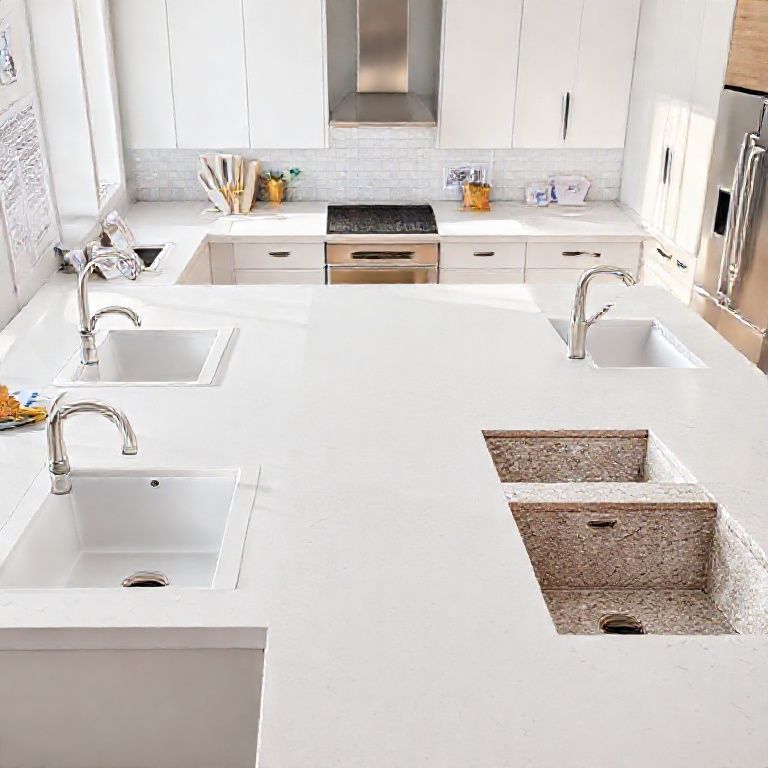
The application of faux stone for exterior use often involves specific installation techniques to ensure optimal performance and longevity. Typically, it’s applied over a properly prepared substrate, which might include a weather-resistant barrier and a lath system. Adhesives, combined with mechanical fasteners in some cases, secure the individual pieces, creating a robust and integrated finish. The careful sealing of joints and the proper flashing around openings are crucial steps, ensuring that water is effectively managed and that the veneer performs as intended for decades to come. The “人造石做法” extends beyond the creation of the material itself to encompass the best practices for its installation, ensuring that the visual appeal is matched by structural integrity.
Moving indoors, faux stone offers an equally transformative experience. It’s an exceptional material for creating focal points and adding warmth and texture to interior spaces. Think of a dramatic accent wall behind a fireplace, clad in the rich, earthy tones of faux ledger stone, instantly elevating the ambiance of a living room. Or consider a kitchen backsplash fashioned from faux stacked stone, providing a rustic yet cleanable surface that exudes character. The ability to mimic a wide range of natural stone styles means that faux stone can complement any interior design scheme, from the cozy comfort of a country kitchen to the sophisticated elegance of a modern loft.
The installation of faux stone indoors is often more straightforward than exterior applications. For accent walls, it can be applied directly to drywall that has been properly prepared and primed. This makes it an accessible DIY project for those with a penchant for home improvement. The lightweight nature of faux stone also means it can be used on curved surfaces or in areas where the weight of natural stone would be prohibitive, such as upper floors or ceilings. The ease of cutting and fitting these pieces allows for intricate designs and custom applications, enabling designers to truly let their creativity flow.
Beyond decorative walls and fireplaces, faux stone finds its way into numerous other interior design elements. It can be used to create stunning headboards in bedrooms, stylish wainscoting in dining rooms, or even to add a touch of rugged charm to bathroom vanities. Its versatility extends to creating built-in features, such as shelving units or decorative columns, adding a unique architectural dimension. The “人造石做法” has empowered interior designers with a material that offers the visual impact of natural stone without the associated weight, cost, or installation complexity, opening up a world of design possibilities.
Furthermore, the maintenance of faux stone is a significant advantage. Unlike some natural stones that can be porous and prone to staining, many faux stone products are sealed during the manufacturing process or can be easily sealed by the installer. This makes them resistant to spills and easier to clean, a particularly attractive feature for high-traffic areas in both residential and commercial settings. The consistent quality and predictable performance of faux stone, a direct result of its controlled manufacturing process, ensure that the aesthetic achieved during installation will endure with minimal effort.
The innovation within the “人造石做法” continues to evolve, with manufacturers constantly exploring new formulations, textures, and finishes. This commitment to research and development means that faux stone is not a static material but one that is continually improving in its realism, durability, and environmental performance. As sustainability becomes an increasingly important consideration in construction, some faux stone products are also being developed with recycled content and more eco-friendly manufacturing processes, further solidifying their position as a responsible and desirable building material. In essence, faux stone, through its ingenious “人造石做法,” has redefined what’s possible, offering a pathway to achieving the coveted look and feel of natural stone with unparalleled practicality, adaptability, and enduring beauty.









