Understanding Artificial Stone Countertops and the Basics of Polishing
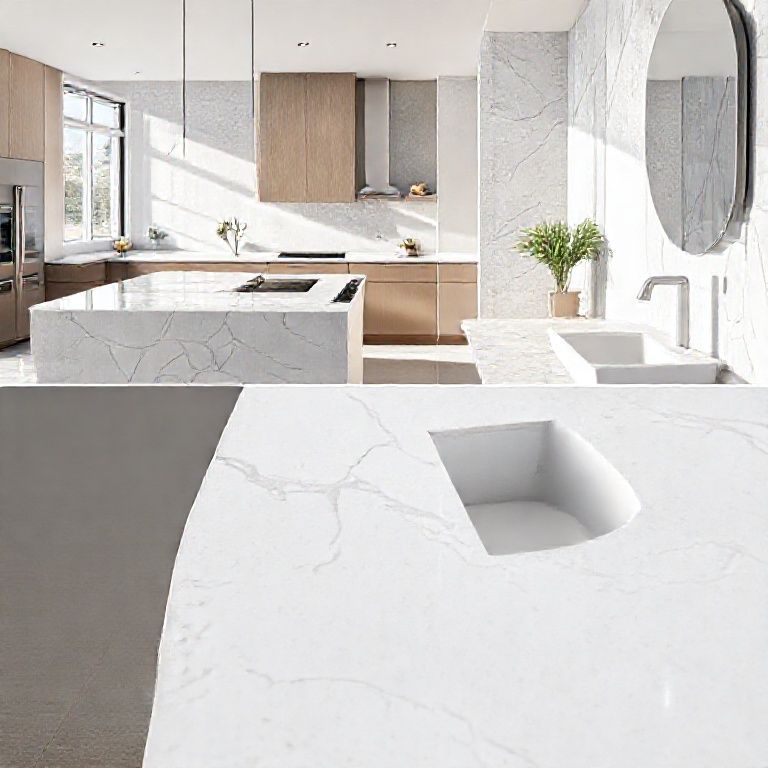
Artificial stone countertops have revolutionized modern kitchen and bathroom design, offering the durability and aesthetic appeal of natural stone without the high cost and maintenance issues. These countertops, often made from a combination of minerals, acrylics, and pigments, mimic the appearance of granite, marble, and quartz. Despite their robustness, these surfaces require proper care and maintenance to maintain their pristine look over time.
The Composition of Artificial Stone
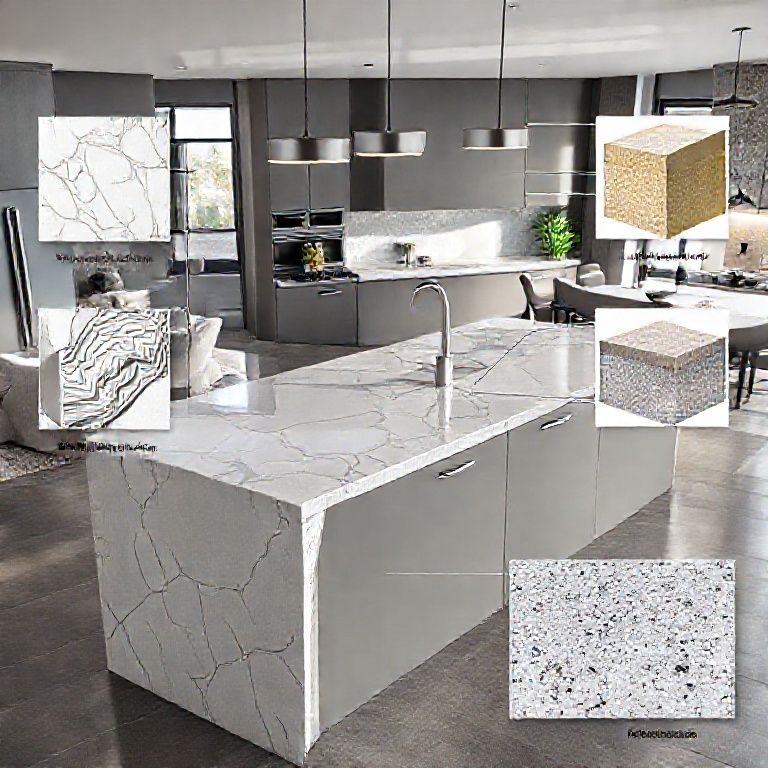
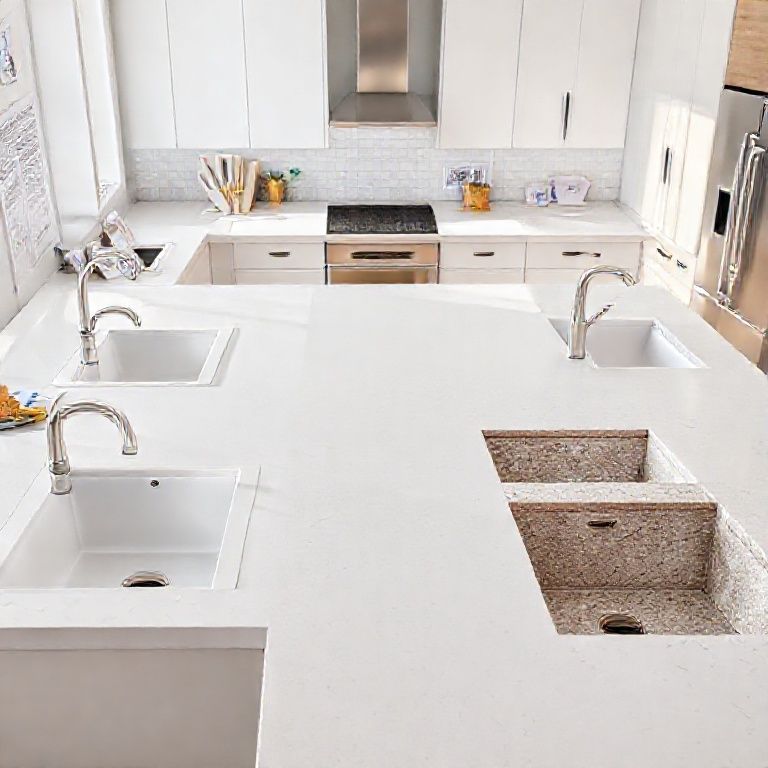
Artificial stone, sometimes referred to as cultured stone, is a composite material. It typically consists of:
Mineral Aggregates: These are the primary ingredients, providing the stone with its strength and durability. Acrylic Resin: This polymer binds the mineral aggregates together, creating a solid mass. Pigments and Dyes: These give the stone its characteristic color and texture.
The balance of these components determines the stone’s final appearance and its resistance to scratches, stains, and everyday wear.
Why Polishing is Essential
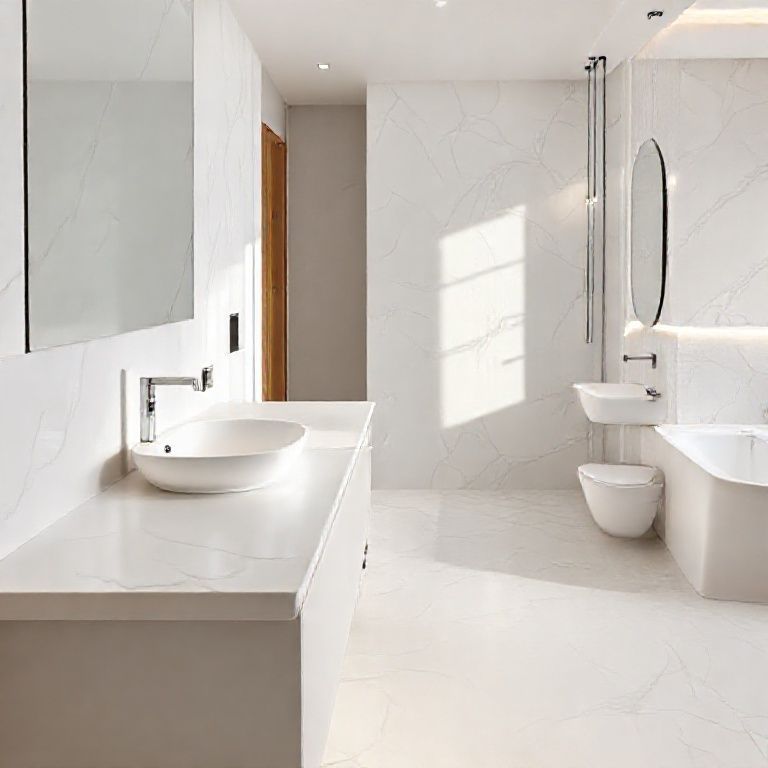
Over time, artificial stone countertops can develop scratches, chips, and dullness due to daily use and exposure to various chemicals. Polishing is a crucial process that restores the countertop’s original shine and texture, enhancing both its visual appeal and functionality.
The Polishing Process
Polishing artificial stone countertops involves several steps:
Preparation: Before polishing, the surface must be cleaned thoroughly. Use a mild detergent and water to remove any dirt, grime, and residues. Avoid abrasive cleaners as they can scratch the surface.
Assessment: Examine the countertop for any chips, cracks, or significant scratches. Minor imperfections can often be polished out, but severe damage may require professional repair.

Sanding: For minor scratches and imperfections, a fine-grit sandpaper or a rotary sanding tool can be used. Always sand in the direction of the stone grain to avoid creating new scratches.
Polishing: This is the core step where a polishing compound is applied to the surface. Using a polishing machine or a hand-held buffer, the compound is worked into the stone to smooth out imperfections and bring out its natural luster.
Buffing: After polishing, a final buffing step is necessary to remove any remaining polishing compound and to give the surface a high shine.
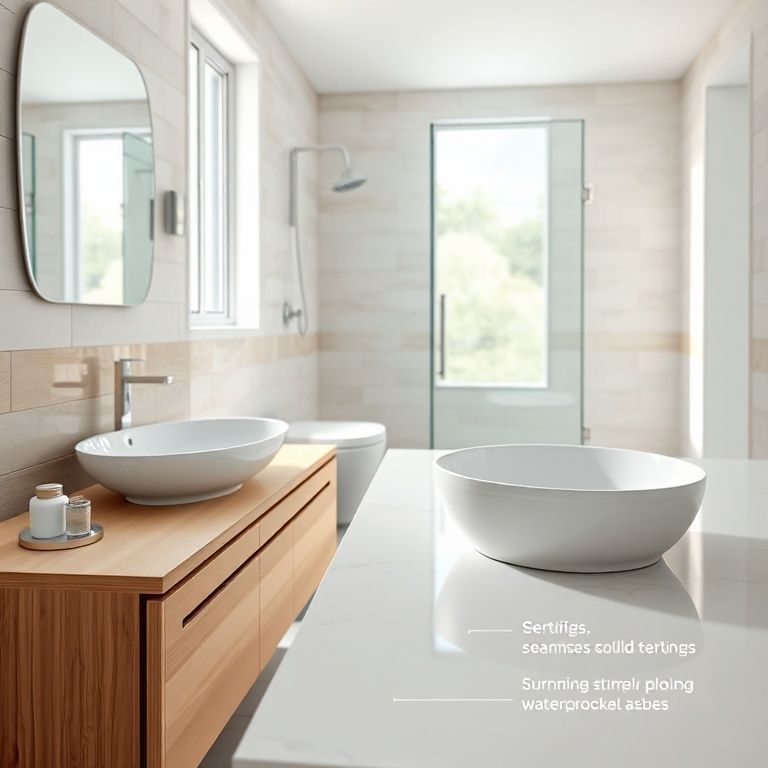
Tools and Materials Needed
To achieve professional-grade results, consider the following tools and materials:
Polishing Compounds: These come in various grits and formulations. Choose one that matches the degree of wear on your countertop. Rotary Polishing Machine: A high-speed machine that evenly distributes the polishing compound. Sandpaper: For minor repairs, fine-grit sandpaper is essential. Clean Cloths: Used to wipe away dust and residue. Protective Gear: Gloves and safety glasses to protect yourself from dust and chemicals.
Safety First
When polishing artificial stone countertops, safety should always be your top priority. Always wear protective gloves and safety glasses to shield your skin and eyes from dust and chemicals. Ensure good ventilation in the workspace to avoid inhaling fine particles.
Advanced Techniques and Maintenance Tips for Artificial Stone Countertops
Once you’ve mastered the basic polishing techniques for artificial stone countertops, you can explore advanced methods to ensure long-lasting beauty and functionality. Here’s a deeper dive into advanced polishing techniques and essential maintenance tips to keep your artificial stone looking impeccable.
Advanced Polishing Techniques
Chemical Polishing: For deeper scratches or dullness, chemical polishing agents can be used. These agents chemically alter the surface of the stone, removing imperfections more effectively than mechanical polishing alone. Always follow the manufacturer’s instructions and perform a test in an inconspicuous area first.
Dual-Action Polishing: This technique involves using two different compounds—one coarse and one fine—in succession. The coarse compound removes larger imperfections, while the fine compound smooths out the surface for a high shine.
Micro-Polishing: This is an ultra-fine polishing method that uses a very small, fine-grit polishing pad or compound. It’s ideal for achieving a mirror-like finish on heavily used areas.
Maintenance Tips
Regular Cleaning: Regular cleaning is crucial for maintaining the appearance of your artificial stone countertop. Use a mild detergent and water for everyday cleaning. Avoid acidic or abrasive cleaners.
Use Coasters and Trivets: To prevent scratches and heat damage, always use coasters under glasses and trivets under hot pots and pans.
Avoid Sharp Objects: Never place sharp objects directly on the surface. Use cutting boards or mats to protect the countertop.
Immediate Spill Cleanup: Spills, especially those containing acidic substances like juice or wine, should be cleaned immediately. Acids can dull the surface and cause discoloration if left to dry.
Periodic Polishing: Depending on usage, periodic polishing every six months to a year can help maintain the countertop’s shine and prevent dullness.
Repairing Chips and Cracks
While polishing can restore the appearance of scratched or dull areas, minor chips and cracks may require more extensive repair. Here’s how to address these issues:
Epoxy Filler: For small chips, use a stone countertop repair epoxy. Apply the filler into the crack, smooth it out with a putty knife, and let it cure as per the manufacturer’s instructions.
Resurfacing Kits: For larger areas, a resurfacing kit may be necessary. These kits include a coarse and fine compound, along with a polishing pad. Follow the kit’s instructions to achieve a smooth, even surface.
Professional Help
If you’re unsure about any aspect of the polishing or repair process, it’s always best to seek professional help. Professionals have the expertise and tools to handle any level of damage, ensuring that your artificial stone countertop looks as good as new.
Conclusion
Polishing artificial stone countertops is an art that combines careful preparation, the right techniques, and ongoing maintenance. With the right approach, you can restore your countertops to their original beauty, ensuring they remain a stunning focal point in your kitchen or bathroom for years to come. Whether you’re a DIY enthusiast or prefer professional help, understanding the nuances of polishing artificial stone can make all the difference in preserving its durability and elegance.