
The Art and Science of Quartz: Unveiling the Price of a Modern Marvel
The gleaming surfaces of kitchen countertops are often the unsung heroes of our homes, witnessing everything from hurried breakfast preparations to elaborate dinner parties. In recent years, one material has ascended to the forefront of countertop desirability: artificial stone, more commonly known as quartz. Its allure lies not just in its chic, modern aesthetic, but in its remarkable durability, low maintenance, and a dazzling array of colors and patterns that can transform any space. But as anyone who has embarked on a kitchen renovation can attest, beauty and practicality often come with a price tag. So, the question on many minds is: “人造石的价格一般是多少” – what is the general price of artificial stone?

To truly understand the cost of quartz countertops, we need to peel back the layers and explore the intricate dance of factors that influence their final price. It’s not a simple matter of a one-size-fits-all figure; rather, it’s a nuanced equation that balances the intrinsic value of the material with the myriad services required to bring it from a slab to a stunning centerpiece in your kitchen.
At the very foundation of quartz pricing are the raw materials themselves. Quartz countertops are engineered, meaning they are a manufactured product, but they are built from natural ingredients. The primary component, as the name suggests, is natural quartz crystal, which typically makes up around 90-95% of the slab. This quartz is ground into varying sizes of particles, from fine powders to larger chips, which contributes to the final texture and appearance of the countertop. The higher the concentration and quality of natural quartz, the more premium the material tends to be. Think of it like the difference between fine-grain sandpaper and coarse grit; the former offers a smoother, more refined finish, and this translates to the aesthetic and structural integrity of the quartz.
Beyond the quartz itself, other key ingredients play a role. Resins, typically polymer-based, are used as binders to hold the quartz particles together. These resins are crucial for the non-porous nature of quartz, making it resistant to stains and bacteria. The type and quality of resin used can influence both the durability and the cost. Pigments are added to achieve the vast spectrum of colors available, from classic whites and subtle greys to bold, vibrant hues and intricate veining that mimics natural stone like marble or granite. The complexity of the color or pattern often dictates the price; intricate veining that requires sophisticated manufacturing processes will naturally command a higher price than a solid, uniform color.
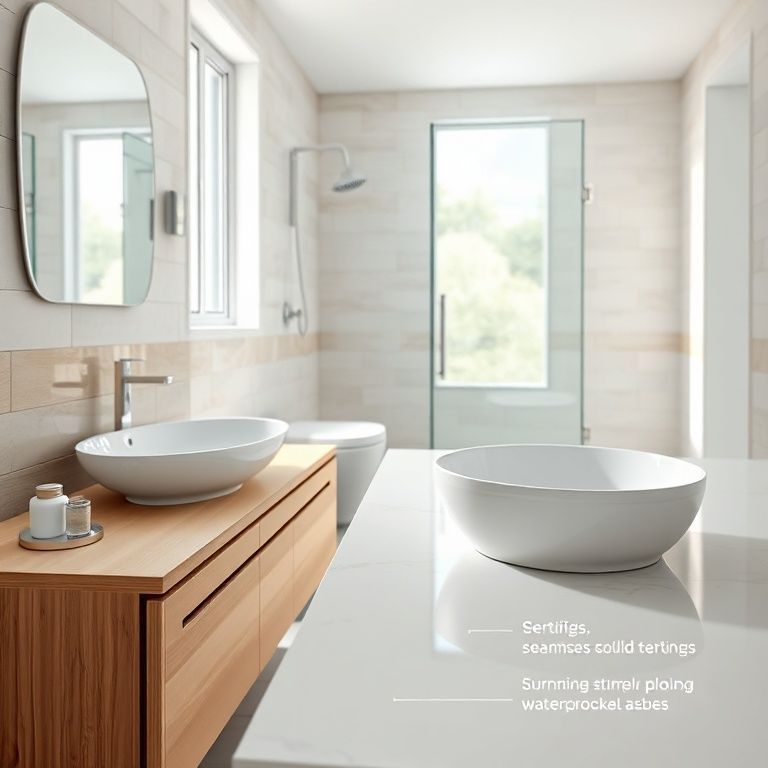
Then there are the finishing touches. Some quartz slabs incorporate recycled glass chips, metallic flecks, or other decorative elements to create unique visual effects. These additions, while adding a bespoke touch, also contribute to the overall material cost.
However, the journey from raw material to a finished countertop involves more than just mixing ingredients. The manufacturing process itself is a significant cost driver. High-performance machinery is required for mixing, molding, and curing the quartz slabs. Advanced techniques are employed to ensure consistent density, strength, and aesthetic appeal. Some manufacturers invest in sophisticated equipment that allows for the creation of highly realistic veining patterns or unique textures, pushing the boundaries of what engineered stone can achieve. The energy consumed during production, the labor involved in operating these sophisticated machines, and the rigorous quality control measures all contribute to the final price.
Beyond the material and manufacturing, the brand and origin of the quartz also play a part. Renowned manufacturers with a strong reputation for quality, innovation, and design often command a premium. These brands invest heavily in research and development, ensuring their products meet stringent performance standards and are at the forefront of aesthetic trends. Similarly, quartz sourced from countries with higher production costs or that undergoes extensive international shipping will naturally reflect those increased expenses.
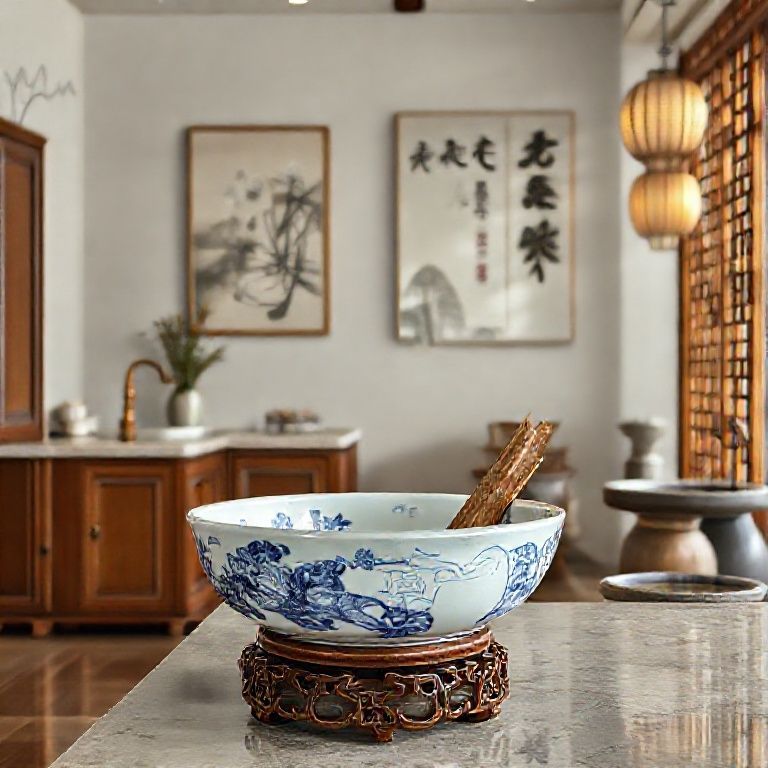
The thickness of the quartz slab is another direct determinant of price. Standard countertops are often 2cm (about 3/4 inch) thick, while a more substantial and luxurious feel can be achieved with 3cm (about 1 1/4 inch) thick slabs. Naturally, the thicker the slab, the more material is used, and thus, the higher the cost. This thicker profile also offers enhanced durability and a more premium visual presence, justifying the increased investment for many homeowners.
The sheer variety of colors and patterns available in quartz is astonishing, and this diversity directly impacts pricing. Solid colors, especially lighter shades that require precise pigment blending, are often more affordable. However, as you move towards more complex designs, such as those mimicking the natural flow of marble with intricate veining, or patterns with multiple colors and textures, the manufacturing process becomes more involved. Creating these realistic patterns requires advanced technology and skilled craftsmanship to achieve a seamless and convincing look. Therefore, quartz with dramatic veining, intricate speckling, or unique color combinations will generally be priced higher than simpler options.
Finally, in this first part of our exploration, it’s important to touch upon the sheer scale of the quartz industry. While there are many manufacturers producing quartz, the overall demand for this material remains exceptionally high. This sustained demand, coupled with the inherent costs of producing a high-quality engineered stone, creates a baseline price point that reflects the value and performance it offers. Understanding these foundational elements – the raw materials, the manufacturing process, brand influence, thickness, and design complexity – is the first crucial step in demystifying the cost of artificial stone. As we move to the next part, we’ll delve into the equally significant costs associated with getting that slab of quartz from the factory to your kitchen.
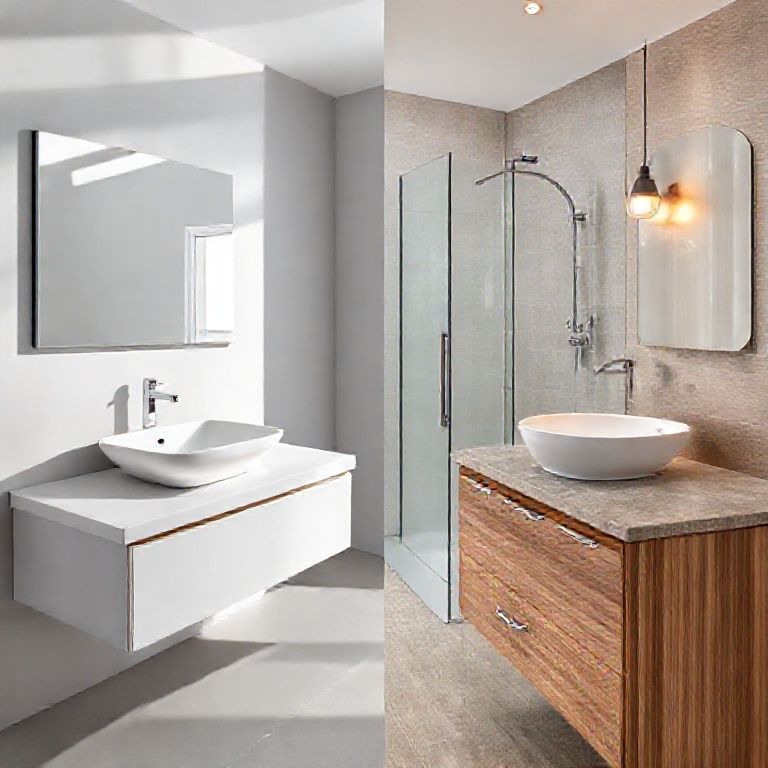
Having dissected the intrinsic value embedded within the raw materials and manufacturing of quartz, our journey into understanding “人造石的价格一般是多少” continues. Now, we shift our focus to the critical stages that bridge the gap between a pristine slab of quartz and its final, functional form within your home: fabrication and installation. These are not mere appenditures to the material cost; they are substantial components that significantly shape the overall investment.
The process of turning a raw slab of quartz into a custom-fit countertop is an art form in itself, demanding precision, specialized tools, and skilled craftsmanship. This is where fabrication comes into play. The slabs of quartz are typically manufactured in large dimensions, often around 120 inches by 55 inches. For your kitchen or bathroom, these large sheets need to be expertly cut to size, shaped, and finished. This involves precise measurements taken on-site by professional templators, followed by intricate cutting using specialized machinery like waterjet or CNC (Computer Numerical Control) routers. These tools ensure clean, accurate cuts and the ability to create complex shapes, curves, and overhangs that are essential for a custom fit.
Beyond basic cutting, fabrication includes the crucial step of edge profiling. The edges of your countertop can be left with a simple eased edge for safety and a clean look, or they can be enhanced with more elaborate profiles such as bullnose, ogee, or waterfall edges. Each of these profiles requires different tooling and additional labor, with more complex edges naturally adding to the cost. The aesthetic impact of edge profiling is significant, contributing to the overall style and perceived luxury of your kitchen, and thus its price.
The creation of cutouts for sinks, faucets, and cooktops is another vital aspect of fabrication. These cutouts must be precise to ensure a seamless integration of your fixtures. The complexity of these cutouts can also influence the price; for example, a sink that requires a complex shape or an undermount installation, where the sink is fitted from beneath the countertop, demands greater precision and a more refined finishing process.
Then comes the critical step of installation. This is not a DIY endeavor for most homeowners, and for good reason. Installing heavy, precisely cut quartz slabs requires a team of experienced professionals who can safely transport and maneuver the material, especially in tight spaces or up flights of stairs. They must ensure the countertops are perfectly level, securely attached to the base cabinets, and that any seams are expertly joined and polished to be virtually invisible. The skill involved in creating seamless seams is particularly noteworthy. A well-executed seam should be almost undetectable, a testament to the installer’s expertise. Poorly installed seams can be unsightly and compromise the integrity of the countertop.
The logistical challenges of installation also contribute to the cost. This includes the transportation of the fabricated countertops from the fabrication shop to your home. Depending on the distance, the accessibility of your property, and the size of the order, these transport costs can vary. The more challenging the site – for instance, a high-rise apartment with limited elevator access or a remote location – the more labor and time will be required for installation, and consequently, the higher the price.
The expertise of the fabrication and installation team is paramount. A reputable fabricator and installer will not only have the right tools and equipment but also the years of experience needed to anticipate and solve potential problems that can arise during the process. They understand the properties of quartz and how to work with it to achieve the best results. This level of professionalism and skill is an investment in the longevity and aesthetic appeal of your countertops.
Furthermore, some countertop projects may require additional services that can add to the overall cost. This might include removing and disposing of old countertops, making modifications to existing cabinetry to accommodate the new countertops, or providing specialized edge details like a “waterfall” edge, where the countertop material extends vertically down the side of a cabinet. These bespoke customizations, while enhancing the visual appeal and functionality, require additional labor and design considerations.
The warranty offered by the fabricator and installer is also worth considering. A comprehensive warranty can provide peace of mind, covering potential issues that may arise after installation. This added layer of security is often reflected in the pricing.
Finally, the market dynamics within your specific geographic location play a significant role. Labor costs, the availability of skilled tradespeople, and the general cost of doing business in a particular area will influence the final price of fabricated and installed quartz countertops. In metropolitan areas with a higher cost of living, you can expect the fabrication and installation costs to be higher compared to more rural regions.
In essence, the price of artificial stone is a multifaceted construct. While the material itself represents a significant portion of the cost, the meticulous processes of fabrication and installation are equally, if not more, influential in determining the final figure. When you’re looking at the price tag for your dream quartz countertops, remember that you are not just paying for the engineered stone; you are investing in the artistry of its design, the precision of its creation, and the expertise of the hands that bring it to life in your home. It’s a sum of sophisticated engineering, skilled craftsmanship, and logistical precision, all culminating in a durable, beautiful, and highly functional addition to your living space.









