
The allure of natural stone – marble, granite, onyx – has captivated humanity for millennia. Its inherent beauty, unique patterns, and enduring strength have graced palaces, cathedrals, and homes, signifying luxury, permanence, and a connection to the earth. However, the pursuit of these coveted materials often comes with significant challenges: limited availability, high costs, inconsistency in quality, and considerable environmental impact associated with extraction. Enter the realm of “人造石” – artificial stone, or engineered stone – a revolutionary category of materials that has not only democratized access to stunning surfaces but has also pushed the boundaries of design, performance, and sustainability.

Artificial stone isn’t a single entity but rather an umbrella term encompassing a diverse range of composite materials designed to mimic, and often surpass, the properties of their natural counterparts. These materials are the product of sophisticated manufacturing processes, marrying mineral fillers, binders (resins), and pigments to create surfaces that are not only aesthetically pleasing but also remarkably durable, non-porous, and easy to maintain. The journey from raw ingredients to a finished slab is a testament to human ingenuity, blending chemical engineering, material science, and design artistry.
One of the most prominent and widely recognized forms of artificial stone is engineered quartz. Unlike natural quartz, which is mined in its crystalline form, engineered quartz is a composite material typically composed of around 90-95% ground natural quartz, bound together with polymer resins and pigments. This fusion results in a surface that boasts the visual appeal of natural quartz – its sparkle and depth – but with a significantly enhanced performance profile. The manufacturing process involves mixing the quartz particles with resin and pigments, then using a high-pressure vibration process to compact and cure the mixture into dense, non-porous slabs. This non-porosity is a game-changer for surfaces that come into contact with food and liquids. Unlike natural stone, which can be porous and susceptible to staining, engineered quartz is virtually impervious to spills, making it an ideal choice for kitchen countertops, bathroom vanities, and high-traffic areas. Its resistance to stains from wine, coffee, oil, and other common household culprits means less worry about accidental messes and more time enjoying your living spaces.
Beyond its stain resistance, engineered quartz offers exceptional durability and resilience. The high quartz content, combined with the resin binder, creates a material that is incredibly hard and resistant to scratches, chips, and cracks. This makes it a practical and long-lasting choice for busy households where durability is paramount. Dropped pots, sharp knives, and daily wear and tear are less of a concern with engineered quartz. Furthermore, the manufacturing process allows for precise control over color and pattern. While natural stone offers unique, unrepeatable beauty, its variations can sometimes be a challenge for designers and homeowners aiming for a specific aesthetic. Engineered quartz, on the other hand, can be produced in an almost limitless palette of colors, from classic whites and muted grays to vibrant hues and intricate patterns that mimic natural stone or create entirely new visual effects. This consistency and versatility empower designers to achieve a unified and cohesive look throughout a project, whether it’s a minimalist kitchen or a bold statement bathroom.
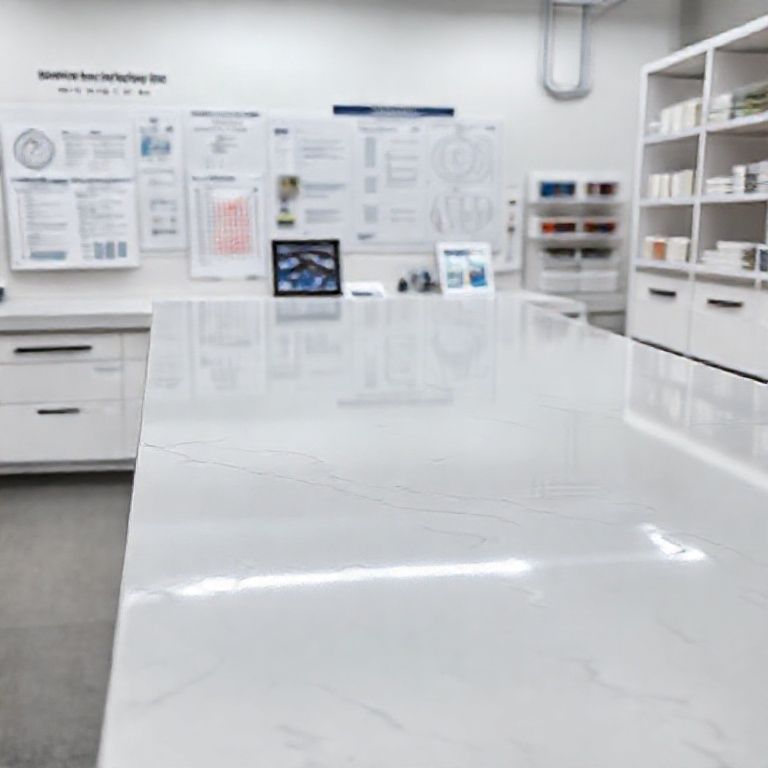
Another significant player in the artificial stone landscape is solid surface material. Often seen in commercial settings like hospitals, labs, and public restrooms, solid surface is a homogeneous material made from acrylic polymers and alumina trihydrate (ATH), a derivative of bauxite ore. The manufacturing process involves casting these components into large sheets or shapes. The key advantage of solid surface lies in its completely non-porous nature and its ability to be seamlessly joined. Unlike engineered quartz, where seams are visible, solid surface can be fabricated and installed with nearly invisible seams. This allows for the creation of continuous, monolithic surfaces that are exceptionally hygienic and easy to clean. Think of vast, uninterrupted countertop installations, integrated sinks that flow seamlessly into the countertop, or even entire shower enclosures that appear to be carved from a single piece. This seamlessness not only contributes to a sleek, modern aesthetic but also eliminates grout lines and crevices where bacteria and grime can accumulate, making it an excellent choice for environments where sanitation is a top priority.
The adaptability of solid surface is another compelling feature. It can be thermoformed, meaning it can be heated and bent into curved shapes, allowing for highly customized designs that are difficult or impossible to achieve with natural stone or even engineered quartz. This opens up a world of creative possibilities for architects and designers, enabling them to craft unique furniture, sculptural elements, and bespoke architectural features. Furthermore, solid surface can be repaired relatively easily. Minor scratches or chips can often be sanded out and buffed, restoring the surface to its original condition. This reparability contributes to its longevity and reduces the need for replacement.
The term “人造石” also encompasses other materials like sintered stone, which is made by subjecting natural raw materials like feldspar, quartz, and minerals to extremely high temperatures and pressures. This process fuses the materials together, creating an ultra-compact, durable, and heat-resistant surface. Sintered stone is particularly noteworthy for its exceptional performance characteristics, often exceeding those of traditional quartz and granite. It is highly resistant to UV rays, meaning it won’t fade or discolor when exposed to sunlight, making it suitable for both indoor and outdoor applications. Its resistance to extreme temperatures also makes it ideal for kitchen countertops where hot pots and pans might be placed directly on the surface.
The development of artificial stone materials is not merely about replicating natural beauty; it’s about enhancing functionality, offering greater design freedom, and addressing the environmental concerns associated with traditional quarrying. The creation of “人造石” represents a significant leap forward in surface technology, transforming how we envision and build our living and working spaces.
The proliferation of “人造石” (artificial stone) has fundamentally reshaped the landscape of interior and exterior design. What was once a material reserved for the privileged few is now accessible, versatile, and incredibly high-performing, empowering designers and homeowners alike to bring their visions to life with unprecedented freedom. The appeal of these engineered materials extends far beyond mere aesthetics, delving into the realms of practicality, longevity, and increasingly, environmental consciousness.
One of the most compelling advantages of artificial stone is its remarkable consistency and predictability. When you choose a particular granite slab from nature, you are accepting its unique characteristics – the veins, the color variations, the occasional inclusions. While this individuality is part of its charm, it can also present challenges for large-scale projects or when a specific, uniform look is desired. Artificial stone, particularly engineered quartz, offers a level of control that is invaluable in design. Manufacturers can precisely replicate colors and patterns, ensuring that every slab within a production run is virtually identical. This uniformity is a boon for commercial projects, where matching patterns across multiple installations is crucial, or for residential projects where homeowners want a cohesive look from their kitchen island to their bathroom vanity. The ability to specify exact shades and veining patterns allows for a curated aesthetic, free from the surprises that nature sometimes presents.
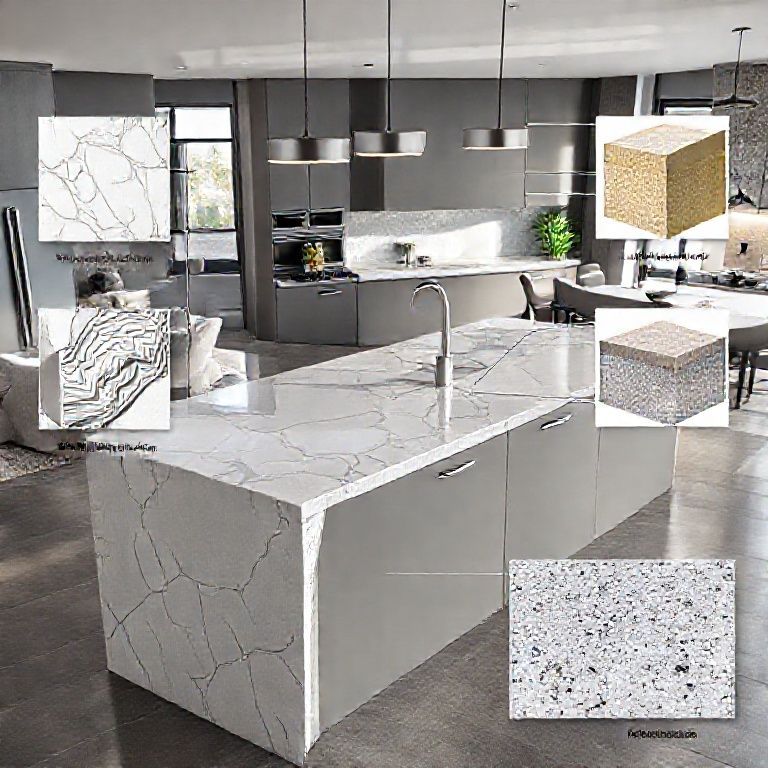
Beyond consistency, the performance characteristics of artificial stone are a major draw. As previously discussed, engineered quartz’s non-porosity is a significant benefit in kitchens and bathrooms. The absence of pores means that liquids like water, oil, wine, and juice cannot penetrate the surface, drastically reducing the risk of staining. This makes cleaning incredibly simple – a quick wipe with soap and water is usually all that’s needed to maintain a pristine appearance. This ease of maintenance is a significant factor for busy individuals and families who appreciate surfaces that require minimal upkeep. Furthermore, the inherent hardness of materials like engineered quartz and sintered stone translates to exceptional resistance against scratches and abrasion. While no material is entirely indestructible, these engineered surfaces can withstand the rigors of daily use, from chopping and dicing in the kitchen to the wear and tear of high-traffic areas. This durability translates into a long lifespan for the material, offering excellent value over time.
The design possibilities offered by artificial stone are, quite frankly, astounding. Manufacturers are not simply replicating natural stone; they are innovating with it. This means you can find engineered quartz that mimics the classic veining of Calacatta marble, the bold patterns of granite, or the subtle elegance of travertine. But you can also find completely novel designs – solid, vibrant colors, subtle textures that evoke concrete, or even surfaces with embedded metallic flecks for a touch of glamour. Solid surface materials, with their thermoformable properties, allow for truly bespoke shapes – curved countertops, integrated sinks that appear to grow organically from the surface, and even sculptural elements that blur the lines between furniture and architecture. This level of customization is a far cry from the limitations of simply cutting and polishing natural stone.
The environmental aspect of artificial stone is also becoming increasingly important. While the extraction of natural stone can have significant ecological impacts, including habitat destruction, water usage, and carbon emissions from transportation, the production of artificial stone often offers a more controlled and potentially less impactful alternative. Many manufacturers are incorporating recycled materials into their engineered stone products, such as recycled glass or post-consumer plastics, further enhancing their sustainability credentials. The longer lifespan and reduced need for replacement of these durable materials also contribute to a more sustainable approach to building and renovation. Furthermore, the precise manufacturing processes can lead to less waste compared to traditional quarrying, where a significant portion of the mined material might be unusable.
The term “人造石” also encompasses advancements in materials like ultra-compact surfaces, often made from a blend of natural minerals that are subjected to extreme heat and pressure, mimicking the geological processes that form natural stone but in an accelerated and controlled manner. These materials exhibit exceptional resistance to heat, scratches, stains, and UV radiation, making them suitable for a wide range of applications, from kitchen countertops and outdoor cladding to furniture and flooring. Their minimal porosity and dense structure ensure that they are hygienic and easy to clean.
In essence, artificial stone represents a marriage of technology and aesthetics. It allows us to enjoy the beauty and prestige associated with stone surfaces without the inherent limitations and environmental burdens of traditional quarrying. The continuous innovation in this field means that we can expect even more exciting developments in the future, with materials that are stronger, more sustainable, and more beautiful than ever before. Whether you are designing a cutting-edge modern kitchen, a tranquil spa-like bathroom, or a durable and stylish commercial space, artificial stone offers a compelling and sophisticated solution, proving that sometimes, the most impressive creations are those that humans artfully engineer. The future of surfaces is, quite literally, being built, one engineered slab at a time.









