
The question, “人造石多少钱一块” (How much is a piece of artificial stone?), might seem straightforward, a simple inquiry about price. But within that question lies a universe of considerations, a fascinating interplay of material science, design aesthetics, and economic realities. It’s not just about a price tag; it’s about understanding the incredible value that artificial stone brings to our living spaces. For many, the allure of natural stone – its perceived authenticity, its unique veining, its timeless elegance – is undeniable. Yet, as tastes evolve and budgets are considered, artificial stone has emerged not as a lesser alternative, but as a sophisticated and often more practical choice. The journey from raw materials to a stunning countertop or a chic feature wall is a complex one, and understanding this process is key to appreciating the “how much” behind “人造石多少钱一块.”

At its core, artificial stone, often referred to as engineered stone, is a testament to human ingenuity. It’s a composite material, meticulously crafted to mimic the beauty of natural stone while often surpassing it in terms of performance and consistency. The primary component is typically quartz, a naturally occurring mineral known for its exceptional hardness and durability. This quartz is ground into fine particles and then combined with a binder, most commonly polyester resin, and a carefully selected blend of pigments. This potent concoction is then subjected to a high-pressure, vibration process that compacts it into dense slabs. The result is a material that’s non-porous, incredibly strong, and remarkably consistent in its appearance.
The cost of artificial stone is, therefore, a reflection of several key factors. Firstly, the quality and type of raw materials play a significant role. High-purity quartz content generally leads to a more durable and aesthetically pleasing product, naturally influencing the price. The quality of the resin binder is also critical; a superior resin will enhance the stone’s resistance to stains, heat, and UV light, contributing to its longevity and, consequently, its cost. The pigments used are carefully chosen for their colorfastness and ability to create realistic veining and patterns, adding another layer to the pricing structure. Manufacturers invest heavily in research and development to achieve the most convincing and varied aesthetics, from the stark purity of white to the deep, dramatic swirls of imitation marble.
Secondly, the manufacturing process itself is a significant cost driver. The advanced machinery required for the high-pressure compaction, the precise temperature control during curing, and the meticulous finishing stages all demand substantial capital investment. Energy consumption for these processes also adds to the overall production cost. Furthermore, the labor involved in monitoring these sophisticated operations, as well as the skilled artisans who oversee the quality control and finishing, contribute to the final price. It’s not simply a matter of mixing ingredients; it’s a carefully orchestrated industrial ballet.
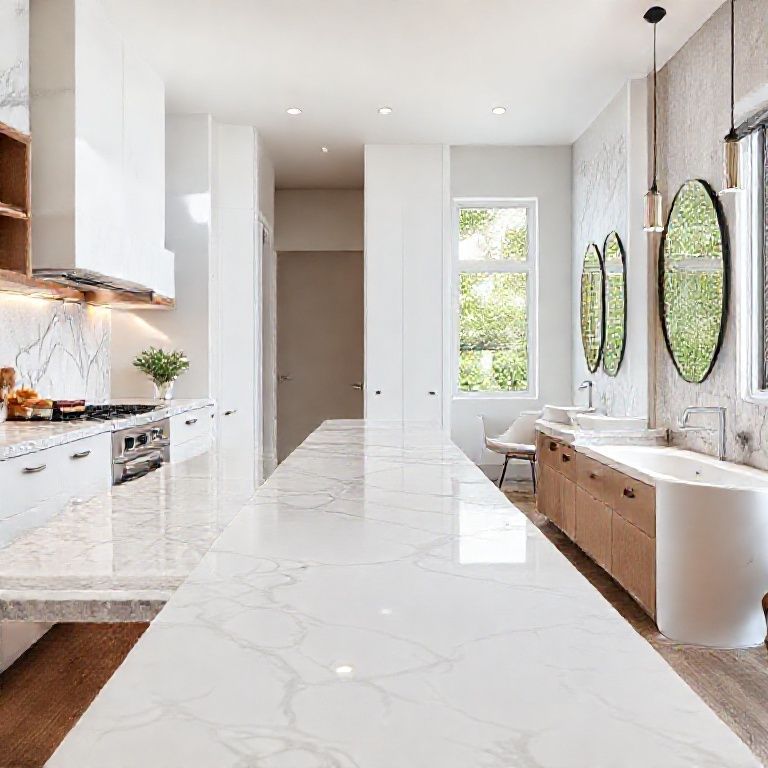
The design and aesthetics are also central to the value proposition. Manufacturers invest considerable resources in developing a wide array of colors, patterns, and finishes that cater to diverse design preferences. Whether you’re looking for the classic elegance of Carrara marble, the bold drama of granite, or a unique contemporary look, there’s likely an artificial stone option that fits the bill. The ability to achieve intricate veining and subtle color variations without the inherent flaws or inconsistencies sometimes found in natural stone is a significant selling point and is reflected in the price. The consistency means that what you see in the showroom is precisely what you’ll get in your home, offering a level of predictability that many find reassuring.
The scale of production also influences cost. Larger manufacturers with economies of scale can often produce artificial stone at a lower per-unit cost than smaller, boutique operations. This doesn’t necessarily mean a compromise in quality, but rather the benefits of bulk purchasing of raw materials and optimized production lines. The brand reputation of the manufacturer can also play a part. Well-established brands with a proven track record of quality and customer satisfaction often command a premium, as consumers associate their name with reliability and superior performance.
Beyond the material itself, the “piece” of artificial stone you purchase will also have varying dimensions and thicknesses. Standard countertop slabs are typically manufactured in specific sizes, but custom cuts for unique projects will naturally incur additional costs. Similarly, thicker slabs, often preferred for their substantial feel and enhanced durability, will be priced higher. The finishing touches, such as polished edges, beveled profiles, or specialized textures, also contribute to the final price, as these require additional labor and expertise. When asking “人造石多少钱一块,” it’s crucial to consider not just the material’s composition but also its form and finish. This multifaceted approach to understanding the cost of artificial stone unlocks a deeper appreciation for its place in modern design and construction, paving the way for informed decisions about creating beautiful and enduring spaces.

Continuing our exploration of “人造石多少钱一块,” the conversation naturally extends beyond the raw material cost to its diverse applications and the tangible benefits it offers to homeowners and designers alike. The price of a slab, while a significant consideration, is only one piece of the puzzle. What truly makes artificial stone a compelling choice is its versatility, its performance characteristics, and its ability to elevate the aesthetics of any space without breaking the bank. The “piece” you acquire is not just a material; it’s a foundation for creativity, a durable surface for daily life, and a long-term investment in your property.
One of the most popular applications for artificial stone is, undoubtedly, kitchen countertops. The allure here is potent. Imagine a gleaming, seamless surface that can withstand the daily onslaught of chopping, spills, and hot pans. Artificial stone excels in this arena. Its non-porous nature means it’s highly resistant to stains from coffee, wine, and grease. Unlike some natural stones, it doesn’t require frequent sealing, a major convenience for busy households. The durability of quartz, in particular, means that it’s remarkably resistant to chipping and scratching, ensuring that your countertops will maintain their pristine appearance for years to come. The aesthetic options are also vast, allowing homeowners to achieve the look of luxury marble or granite at a fraction of the cost, and often with superior practical performance. When renovating a kitchen, the cost of the “piece” of artificial stone for your countertops is an investment that pays dividends in terms of both beauty and functionality.
The bathroom is another prime territory for artificial stone. Vanity tops, shower surrounds, and even flooring can benefit from its properties. The non-porous quality is particularly advantageous in a bathroom environment, resisting the growth of mold and mildew, which is crucial for hygiene. The ease of cleaning makes it ideal for high-moisture areas. The ability to create seamless backsplashes and integrated sinks further enhances the clean, modern aesthetic often desired in bathrooms. The price point makes it accessible for projects of all sizes, from a complete overhaul to a simple vanity update. The “piece” here contributes to a spa-like retreat, a sanctuary of clean lines and enduring elegance.

But artificial stone’s potential extends far beyond the kitchen and bathroom. Interior designers are increasingly utilizing it for a variety of architectural features. Think of stunning accent walls that add a touch of sophistication to a living room or dining area. Artificial stone can mimic the rugged texture of natural stone or present a sleek, polished facade, depending on the desired effect. It’s also used for fireplace surrounds, creating a focal point that is both warm and visually striking. Tabletops, shelving units, and even custom furniture pieces can be fashioned from artificial stone, showcasing its adaptability and the creative possibilities it unlocks. The “piece” in these scenarios is a design element, a statement that speaks to personal style and a keen eye for detail.
The economic advantage of artificial stone is a significant draw. While the initial cost can vary widely based on the factors discussed previously, it consistently offers a more budget-friendly option compared to many natural stone alternatives, especially premium varieties of granite or marble. This allows individuals to achieve high-end aesthetics without the prohibitive price tag. Furthermore, the reduced maintenance requirements translate into long-term savings. No need for specialized cleaners or frequent sealing, and the inherent durability means fewer repairs or replacements over time. This makes the “piece” of artificial stone a wise financial decision for any home improvement project.
The consistency and predictability of artificial stone are also invaluable benefits. Unlike natural stone, which can have unpredictable variations, inclusions, or color inconsistencies, engineered stone is manufactured to exact specifications. This means that a sample you choose in the showroom will accurately represent the final product. For large projects, this uniformity is crucial for achieving a cohesive and professional look. It also simplifies the ordering process, as you can be confident in the material you are selecting. This peace of mind is an intangible, yet significant, aspect of its value.
Finally, the environmental considerations are increasingly becoming a factor in material selection. While the production of artificial stone does involve energy and resources, many manufacturers are committed to sustainable practices. Some utilize recycled materials in their formulations, and the longevity of the product means it doesn’t need to be replaced as frequently as some other materials, reducing waste over time. When considering “人造石多少钱一块,” it’s also worth pondering the lifecycle of the material and its impact. Ultimately, artificial stone represents a harmonious blend of beauty, performance, and value. The “piece” you choose is an investment in your home’s aesthetic appeal, its functionality, and its enduring quality, offering a smart and stylish solution for a multitude of design challenges.









