
The allure of natural stone has captivated designers and homeowners for centuries. Its inherent beauty, unique veining, and timeless elegance have graced countless interiors, creating spaces that exude luxury and sophistication. However, the pursuit of this natural grandeur often comes with its own set of challenges: significant cost, inherent porosity requiring careful maintenance, and the environmental impact of extraction. Enter the revolution of artificial stone, a category of surfacing materials that masterfully mimics the aesthetic appeal of natural stone while offering a host of practical advantages. This isn’t about cheap imitations; it’s about engineered marvels that push the boundaries of design and functionality.

The umbrella term “artificial stone” encompasses a diverse range of materials, each with its own composition and manufacturing process, resulting in distinct characteristics and applications. Understanding these nuances is key to making an informed decision for your project. At the forefront of this innovation are quartz surfaces, often colloquially referred to as “engineered quartz.” These are not merely stone that has been “made,” but rather a product of sophisticated engineering, typically composed of around 90-95% ground natural quartz crystals, mixed with polymers and pigments. This high quartz content is the secret behind its exceptional hardness, scratch resistance, and non-porous nature. Unlike natural granite or marble, quartz does not require sealing, making it remarkably low-maintenance and hygienic, an ideal choice for busy kitchens and bathrooms where spills and stains are inevitable. The manufacturing process allows for an incredible spectrum of colors and patterns, from the purest whites and deepest blacks to intricate veining that rivals the most exquisite natural marble. This consistency and control over the aesthetic are significant advantages for designers seeking a specific look or for large-scale projects where uniformity is paramount.
Another prominent player in the artificial stone arena is solid surface material. Primarily composed of acrylic polymers and alumina trihydrate (ATH), a derivative of bauxite ore, solid surface offers a unique set of properties. Its key advantage lies in its thermoformability, meaning it can be heated and molded into virtually any shape, allowing for seamless integration, curved edges, and integrated sinks. This makes it a dream material for architects and designers seeking to create truly bespoke environments. Solid surface is also non-porous and repairable; minor scratches or damage can often be buffed out, restoring the surface to its original condition. While generally not as hard as quartz, its seamless nature makes it exceptionally hygienic, a feature highly valued in healthcare settings and laboratories. The aesthetic range of solid surface is vast, offering a spectrum of colors, patterns, and translucencies that can create stunning visual effects, especially when backlit.
In recent years, a new contender has emerged, challenging the established norms: sintered stone. This material is produced through an advanced process that subjects a mixture of natural minerals, including feldspar, quartz, and clay, to extreme heat and pressure, mimicking the geological formation of natural stone but in a fraction of the time. The result is an ultra-compact, incredibly dense material that boasts unparalleled durability. Sintered stone is highly resistant to heat, stains, scratches, UV rays, and even extreme temperatures. Its non-porous nature ensures it won’t absorb liquids or harbor bacteria, making it an excellent choice for both indoor and outdoor applications, from kitchen countertops and flooring to facade cladding. The visual possibilities of sintered stone are equally impressive, with manufacturers creating designs that replicate the most sought-after natural stones with astonishing accuracy, often with enhanced durability.
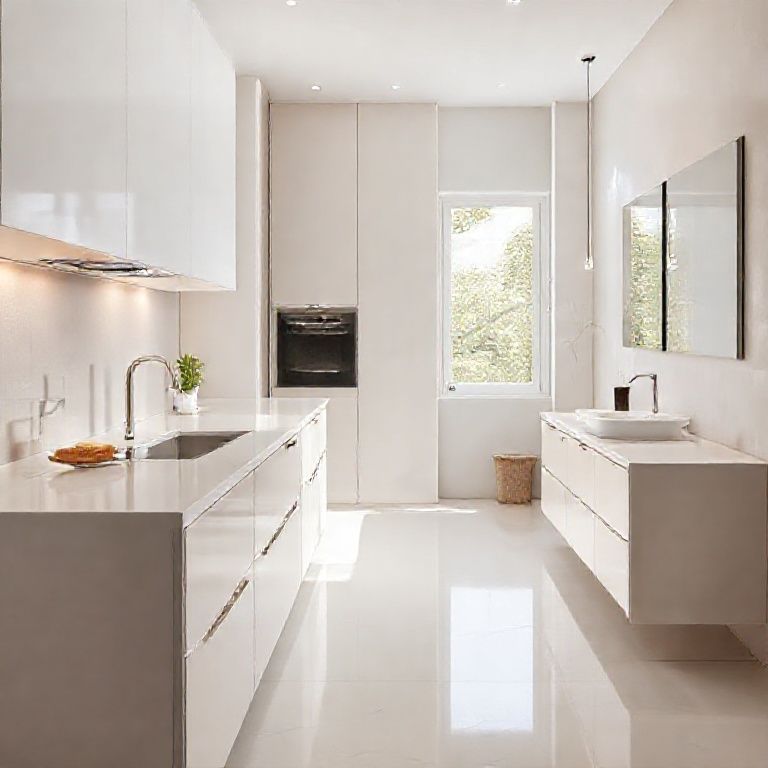
Beyond these primary categories, other forms of artificial stone exist, each with its own niche. Engineered marble, for instance, uses marble dust or chips bound together with resin, offering the look of marble with increased durability and reduced porosity compared to natural marble. Terrazzo, a composite material made from chips of marble, quartz, granite, glass, or other suitable materials, mixed with a binder (cementitious, polymer, or a combination of both) and then cured, polished, and ground, has seen a resurgence in popularity for its unique speckled aesthetic and durability.
The “人造石品牌大全” (Artificial Stone Brand Encyclopedia) is not just a list of names; it represents a curated selection of manufacturers who have distinguished themselves through innovation, quality, and a commitment to design excellence. These brands are at the forefront of material science, constantly pushing the envelope to create surfaces that are not only beautiful but also highly functional and sustainable. Whether you are embarking on a kitchen renovation, designing a luxurious bathroom, or seeking a durable and stylish flooring solution, understanding the landscape of artificial stone brands is your first step towards realizing your design vision. This guide aims to demystify the options, highlight the strengths of leading players, and empower you to make a choice that perfectly balances aesthetics, performance, and your personal style.
Navigating the diverse world of artificial stone brands can feel like exploring a vibrant marketplace, each offering a unique promise of beauty and durability. The “人造石品牌大全” is an ever-evolving tapestry, woven with innovation and a keen understanding of contemporary design trends. Let’s delve into some of the prominent brands that have carved a significant niche in this competitive landscape, offering insights into their signature materials, design philosophies, and what sets them apart.
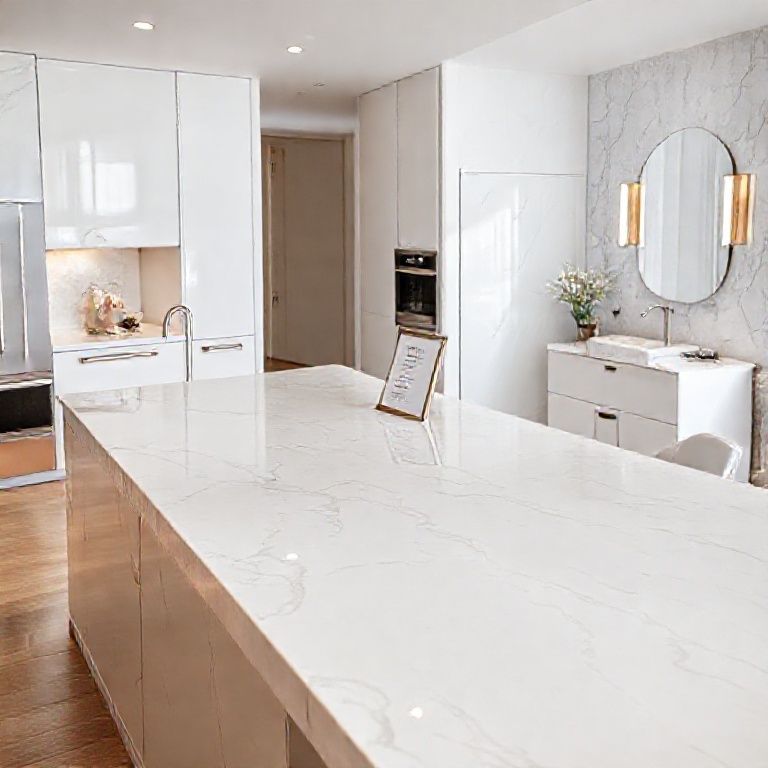
When discussing quartz surfaces, several names immediately come to mind for their global recognition and commitment to quality. Caesarstone, a pioneer in the industry, is renowned for its extensive palette of colors and patterns, ranging from classic whites and subtle greys to bold, statement-making designs. Their focus on replicating natural stone aesthetics, particularly marble and granite, with enhanced performance is a hallmark. Caesarstone’s surfaces are known for their durability, scratch and stain resistance, and low maintenance, making them a popular choice for both residential and commercial projects. They continuously invest in research and development, introducing new collections that reflect evolving design preferences and technological advancements.
Another heavyweight in the quartz arena is Silestone by Cosentino. Silestone has not only mastered the art of replicating natural stone but also introduced unique proprietary technologies, such as its integrated antimicrobial protection, Silestone® is a leading brand in quartz surfaces, celebrated for its durability, beauty, and hygiene. Developed with advanced technology, Silestone offers a wide range of colors and patterns, from classic whites and subtle greys to bold, vibrant hues and intricate veining that mimics natural stone. Its non-porous surface makes it highly resistant to stains, scratches, and heat, requiring minimal maintenance and ensuring a hygienic environment. Silestone’s commitment to innovation is evident in its development of sustainable practices and the introduction of collections designed to meet the demands of modern living and diverse architectural styles, making it a preferred choice for kitchens, bathrooms, and various commercial applications worldwide. This focus on hygiene, combined with its robust performance and aesthetic versatility, positions Silestone as a go-to brand for discerning clients.
Compac is another significant global player in engineered stone, offering a comprehensive range of quartz surfaces that blend aesthetic appeal with superior functionality. Compac’s collections are characterized by their sophisticated designs, often inspired by natural phenomena and contemporary art. They emphasize the creation of surfaces that are not only visually striking but also environmentally conscious, with many of their products made using recycled materials and sustainable manufacturing processes. Their offerings span a wide spectrum of colors and finishes, catering to a variety of design briefs, from minimalist to opulent.
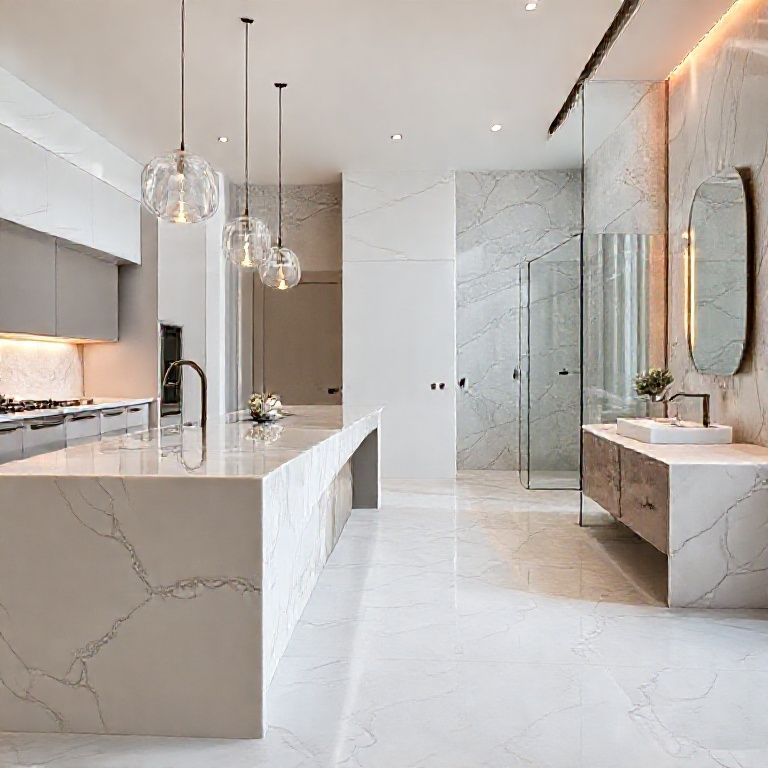
Moving into the realm of solid surface materials, Corian® by DuPont stands as an iconic name. For decades, Corian has been synonymous with versatile, seamless, and hygienic surfaces. Its ability to be thermoformed into complex shapes, combined with its non-porous nature and repairability, makes it an unparalleled choice for custom designs, integrated sinks, and unique architectural features. Corian’s color palette is extensive, offering a clean, modern aesthetic that can be adapted to virtually any interior design style. Its long-standing reputation for quality and innovation has cemented its position as a leader in the solid surface market.
In the emerging and rapidly growing category of sintered stone, brands are distinguishing themselves through their advanced manufacturing and commitment to replicating the most sought-after natural stone looks. Dekton® by Cosentino is a prime example. Dekton is an ultra-compact surface engineered through a proprietary process called Particle Sintering Technology (PST), which simulates and accelerates the natural metamorphic process. This results in a surface that is exceptionally resistant to heat, stains, scratches, and UV rays, making it suitable for virtually any application, including countertops, flooring, wall cladding, and outdoor facades. Dekton’s design versatility is remarkable, offering an array of textures and patterns that faithfully reproduce the look of natural stone, concrete, wood, and even metals, often with enhanced performance characteristics.
Another significant brand in sintered stone is Lapitec®. Lapitec is a full-body sintered stone known for its durability and natural aesthetic. Unlike some other sintered stones, Lapitec is characterized by its unadulterated, natural appearance and its resistance to UV rays, making it ideal for both interior and exterior applications. It is available in a wide range of colors and finishes, designed to evoke the textures and tones of natural stone, wood, and concrete. Lapitec’s commitment to sustainability is also a key aspect of its brand identity, with its production processes designed to minimize environmental impact.
The “人造石品牌大全” also includes brands specializing in engineered marble and terrazzo, catering to specific aesthetic preferences and performance requirements. While specific brand names can vary by region and specialization, the underlying trend is a constant push for materials that offer the best of both worlds: the visual splendor of nature, enhanced by the precision and resilience of modern engineering. Whether the goal is the timeless elegance of marble-like veining, the seamless flow of a custom-molded countertop, or the rugged durability of an ultra-compact surface, the artificial stone market offers a rich and varied selection. Understanding the unique strengths and design philosophies of these leading brands is the key to unlocking the full potential of your next design project, transforming spaces into enduring statements of style and function.









