
The glint of light catching a perfectly polished surface, the intricate patterns swirling within a slab, the satisfying thud as a craftsman fits a piece into place – these are the sensory delights that “人造石视频” (artificial stone videos) bring to life. Far from being a mere industrial byproduct, artificial stone, in its myriad forms, has ascended to become a star player in the realms of interior design and architecture. These videos don’t just showcase a material; they narrate a story of human ingenuity, meticulous craftsmanship, and an ever-evolving aesthetic.

At its core, artificial stone is a testament to our desire to harness the beauty of natural formations while transcending their limitations. Think of the geological ballet that creates marble or granite – a process taking millennia. Now, imagine replicating that allure, that tactile richness, and that visual depth, but with enhanced durability, a wider palette, and a more consistent quality. That’s the promise of artificial stone, and the videos dedicated to it are where this promise unfolds in glorious detail.
One of the most compelling aspects that artificial stone videos often highlight is the sheer diversity of the material itself. We’re not just talking about one homogenous block. The term “artificial stone” is an umbrella, sheltering a fascinating array of engineered materials. There are the ubiquitous quartz surfaces, celebrated for their non-porous nature and resistance to stains and scratches, making them ideal for busy kitchens and bathrooms. Videos featuring quartz often showcase its journey from raw quartz crystals and binders to breathtaking countertops and backsplashes. You’ll see close-ups of the vibrocompression process, a dense slurry of quartz particles, resins, and pigments being compacted under vacuum and pressure, creating a material that’s both beautiful and incredibly robust. The way light plays on the varied speckles, veins, and solid colors in these videos is a masterclass in material aesthetics.
Then there are solid surfaces, a category that often conjures up the seamless, flowing designs popularized by brands like Corian. These videos frequently emphasize the formability of solid surfaces. You’ll witness sheets of acrylic or polyester resins being heated and expertly shaped into curved countertops, integrated sinks that appear to grow organically from the surface, and intricate architectural elements that defy traditional material constraints. The magic here lies in the invisibility of seams; the videos often demonstrate how pieces are joined and sanded to create a monolithic appearance, a testament to the material’s inherent malleability and the skill of the fabricators. This seamlessness translates into a hygienic and easy-to-clean surface, a practical benefit that these visual narratives seldom fail to impress upon the viewer.
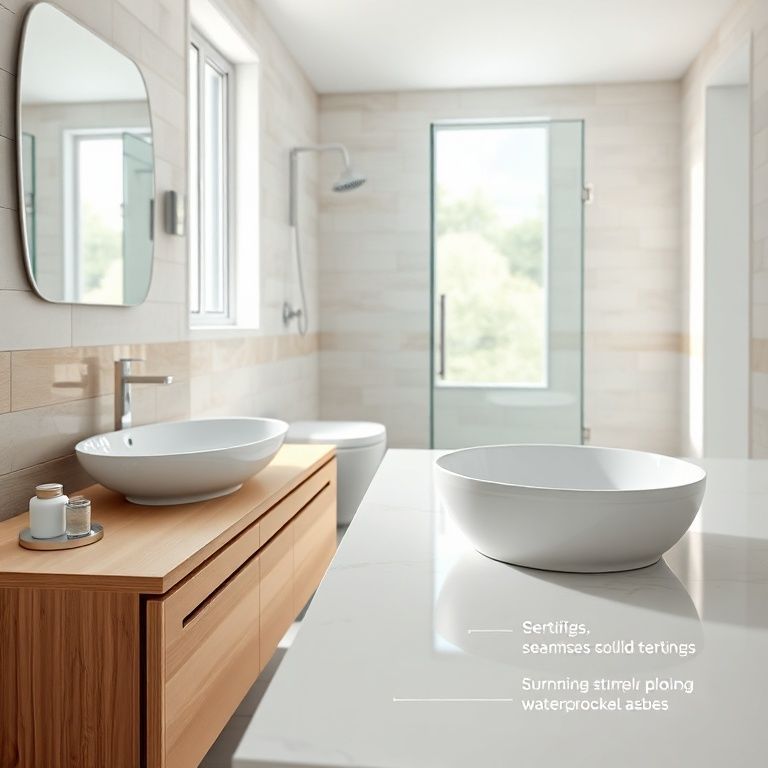
Beyond these common players, the world of artificial stone videos can delve into more specialized territories. You might encounter videos showcasing sintered stone, a high-performance material created by firing a mixture of natural minerals at extremely high temperatures. These slabs are renowned for their extreme durability, resistance to heat, UV rays, and chemicals, making them suitable for both indoor and outdoor applications, from kitchen worktops to facade cladding. The visual appeal here is often in the texture and pattern fidelity. Videos might show intricate marble-look designs so convincing that they challenge the viewer to distinguish them from the real thing, all while boasting superior performance characteristics.
The manufacturing process itself is often a star in these “人造石视频”. There’s a certain primal satisfaction in watching raw materials transform. Videos can take you behind the scenes, illustrating the precise blending of aggregates, pigments, and binders, the intricate molds that dictate the final form, and the advanced machinery that ensures consistency and quality. Some videos focus on the artisanal aspect, showing skilled hands at work, polishing, cutting, and fitting pieces with a precision that borders on the artistic. Others highlight the technological marvels – automated lines, robotic arms, and sophisticated quality control systems – that underpin the mass production of these materials. This duality, the blend of high-tech manufacturing and the human touch, is a recurring theme that makes the content so engaging.
Furthermore, artificial stone videos often serve as a powerful source of inspiration for designers and homeowners alike. They are visual mood boards, showcasing an almost limitless spectrum of colors, patterns, and finishes. From the classic elegance of white marble-look quartz to the bold, dramatic veining of a Nero Marquina-inspired solid surface, the possibilities are endless. Videos might present a curated selection of applications: a sleek, modern kitchen with a waterfall island crafted from a single slab of engineered stone; a minimalist bathroom featuring a wall clad in large-format sintered stone tiles; a sophisticated commercial lobby with reception desks and feature walls designed to impress. These aspirational visuals demonstrate not just the material’s beauty but also its remarkable versatility, proving it can adapt to virtually any style and function.
The narrative within these videos often extends to the practical benefits. Beyond aesthetics and durability, artificial stone frequently offers advantages in terms of maintenance and hygiene. Videos might show spills being wiped away effortlessly, demonstrating the non-porous nature of quartz surfaces. They might highlight the ease of cleaning solid surfaces, where integrated sinks eliminate grout lines and crevices. For sintered stone, videos can showcase its resistance to UV fading and extreme temperatures, making it a choice for outdoor kitchens or high-traffic commercial spaces. These practical considerations, woven into visually appealing content, solidify the appeal of artificial stone as a smart and stylish choice for any project.
The “人造石视频” phenomenon is, therefore, more than just a showcase of building materials. It’s a celebration of material science, a testament to design innovation, and a practical guide to achieving beautiful, durable, and functional spaces. It invites viewers into a world where the earth’s natural beauty is reimagined, enhanced, and made accessible in countless inspiring forms. As we continue to explore these captivating visuals, we uncover not just a material, but a philosophy of design that prioritizes both form and function, beauty and resilience.
Continuing our exploration into the captivating realm of “人造石视频”, we delve deeper into the innovation, artistry, and evolving role of these engineered materials in shaping our built environments. The journey from raw components to stunning finished products is a narrative rich with scientific precision and creative vision, vividly brought to life through the lens of video.
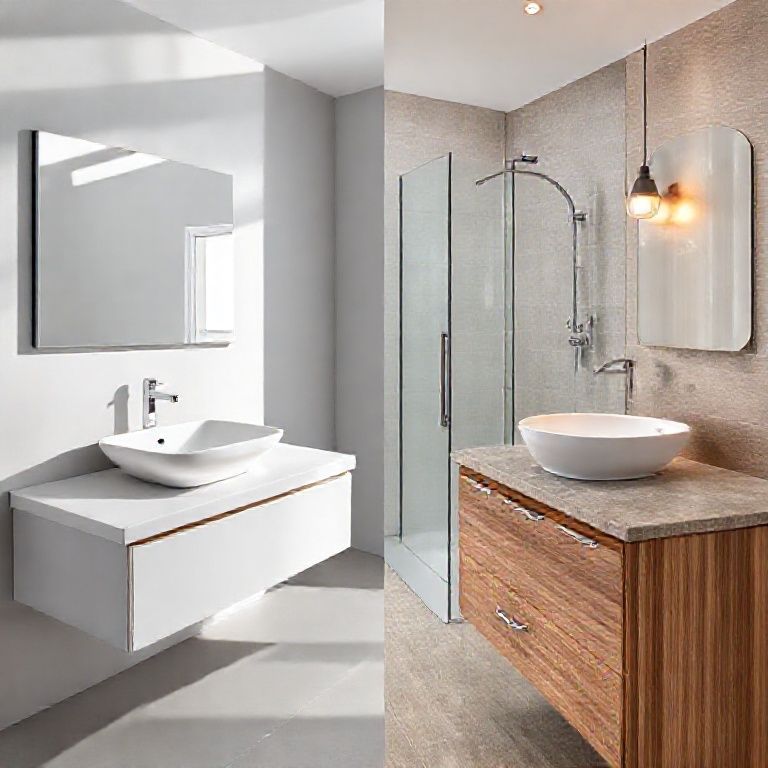
One of the most compelling narratives these videos unfold is the sheer breadth of design possibilities that artificial stone unlocks. Unlike natural stone, which is beholden to geological constraints and limited by quarry availability, artificial stone offers a virtually boundless palette of colors, patterns, and textures. Videos often showcase this expansive range, moving from subtle, understated tones perfect for minimalist interiors to bold, expressive designs that serve as focal points in avant-garde spaces. You’ll see how manufacturers can precisely replicate the most sought-after natural stone looks – the deep veining of Calacatta marble, the subtle shimmer of a moonstone, the earthy warmth of travertine – but with the added advantage of consistent quality and predictable performance. This ability to democratize luxury, making intricate and beautiful finishes accessible without the inherent variability of their natural counterparts, is a significant part of the artificial stone story told through video.
The videos also shine a light on the advanced manufacturing techniques that define the production of artificial stone. For quartz surfaces, the process of vibrocompression is often visually explained. Imagine a slurry of crushed quartz, polymer resins, and pigments being meticulously mixed and then poured into molds. The magic happens as this mixture is subjected to intense vibration and vacuum, compacting the material into an incredibly dense, non-porous slab. This process is key to quartz’s renowned durability and resistance to staining and etching. Videos might feature time-lapses of the slab cooling and being polished to a high sheen, revealing the intricate patterns and depths that were formed during the manufacturing process. The precision of these automated systems ensures that each slab is virtually identical, a stark contrast to the unique variations found in natural stone.
For solid surfaces, the narrative often shifts to their remarkable thermoformability. Videos might demonstrate how sheets of acrylic or polyester resin-based materials can be heated and expertly shaped into fluid, organic forms. This allows for the creation of seamless countertops with integrated sinks, curved bar tops, and even intricate wall panels that wrap around corners without visible joints. The visual appeal is undeniable – a sense of continuous flow and a clean, minimalist aesthetic. The fabrication process, often shown in segments of these videos, highlights the skill involved in cutting, joining, and sanding these materials to create a monolithic appearance. This seamlessness isn’t just about looks; it’s also about hygiene, as there are no grout lines for dirt and bacteria to accumulate.
Sintered stone, a newer entrant in the artificial stone family, often has videos dedicated to its extreme performance characteristics. These materials are made by subjecting a mixture of natural minerals to immense heat and pressure, essentially simulating geological processes at an accelerated rate. The resulting slabs are incredibly dense, non-porous, and resistant to heat, UV radiation, and chemicals. Videos showcasing sintered stone might highlight its suitability for a wide range of applications, from kitchen countertops and outdoor cooking areas to facade cladding and flooring. The visual impact often comes from its ultra-thin profile and large format capabilities, allowing for expansive, uninterrupted surfaces. Close-ups might reveal the finely detailed patterns, mimicking natural stone, wood, or even concrete, with a clarity and depth that is quite striking.
Beyond the material itself, “人造石视频” often serve as powerful sources of inspiration and practical guidance for homeowners and design professionals. They act as virtual showrooms, offering a glimpse into the vast array of design possibilities. You might see a video segment showcasing a dream kitchen with a stunning quartz island, or a luxurious bathroom featuring a seamless solid surface vanity. These aspirational visuals are crucial in helping people visualize how these materials can transform their own spaces. They move beyond static images, allowing viewers to see the texture, the way light reflects off the surface, and the scale of application in a dynamic, engaging format.
The practical benefits are also a frequent theme. Videos often demonstrate the ease of maintenance associated with artificial stones. A quick wipe-down to remove a spill on a quartz countertop, the effortless cleaning of a solid surface sink, or the stain-resistant nature of sintered stone – these visual assurances address common concerns about durability and upkeep. This practical dimension, combined with the aesthetic appeal, makes artificial stone a compelling choice for high-traffic areas like kitchens and bathrooms, as well as for commercial and hospitality projects where resilience and ease of maintenance are paramount.
The narrative of artificial stone is also increasingly intertwined with sustainability. While the production of engineered materials does involve industrial processes, many manufacturers are focusing on reducing their environmental footprint. Videos might highlight the use of recycled materials in the composition of certain artificial stones, energy-efficient manufacturing processes, or the longevity of the product, which reduces the need for frequent replacement. The fact that these materials can often replicate the look of rare or endangered natural stones without contributing to their depletion is another angle that resonates with a growing audience.
In essence, the world of “人造石视频” is a dynamic and visually rich landscape. It showcases the remarkable fusion of science, art, and engineering. These videos don’t just present a product; they tell a story of innovation that allows us to achieve stunning aesthetics, exceptional durability, and practical functionality. They invite us to reconsider the very definition of stone, embracing materials that are not only beautiful but also intelligently designed for the demands of modern living. As technology advances and design sensibilities evolve, the narratives within these videos will undoubtedly continue to expand, offering even more creative avenues for transforming our homes and our world.









