
The gleaming surfaces of modern interiors often owe their brilliance to the marvel that is artificial stone. Far from being a mere imitation, this engineered material has carved out its own significant niche in the design and construction world, offering a compelling blend of aesthetics, functionality, and sustainability. But when the question arises, “人造石厂家哪家好?” – which translates to “Which artificial stone manufacturer is good?” – the answer isn’t as simple as pointing to a single name. It’s about understanding the nuances of the material itself, your specific project needs, and the differentiating factors among manufacturers.

Artificial stone, in its various forms, encompasses a broad spectrum of materials. The most common are solid surface materials, often acrylic-based, and engineered quartz. Solid surface materials, like those pioneered by brands such as Corian, are non-porous, meaning they resist stains, bacteria, and moisture. This makes them exceptionally hygienic and low-maintenance, ideal for kitchens, bathrooms, and healthcare environments. Their seamless fabrication is another huge draw, allowing for integrated sinks, coved backsplashes, and a fluidity of design that natural stone struggles to replicate. They also offer an unparalleled palette of colors and patterns, from those mimicking natural stone to vibrant, bold hues.
Engineered quartz, on the other hand, is a composite material made from approximately 90% ground natural quartz crystals mixed with polymer resins and pigments. This composition results in a material that is incredibly hard, durable, and resistant to scratches, heat, and stains. While it offers a more consistent look than natural stone, it can still capture the beauty of granite, marble, and other natural variations. Quartz is a popular choice for countertops, flooring, and wall cladding due to its robust performance and elegant appearance.
The “goodness” of a manufacturer, therefore, is intrinsically linked to the type of artificial stone they produce and their mastery over its fabrication. A top-tier solid surface manufacturer will not only produce high-quality, consistent sheets of material but will also have a network of skilled fabricators capable of bringing complex designs to life seamlessly. An excellent engineered quartz producer will focus on the purity of their quartz content, the strength of their resins, and the consistency of their color and pattern distribution, ensuring a product that is both beautiful and enduring.
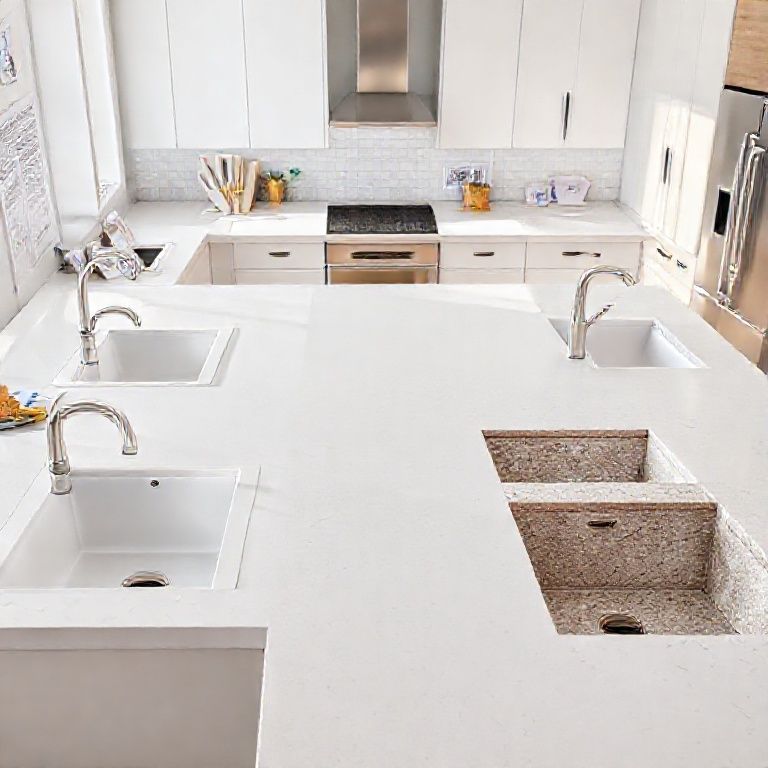
When embarking on a project that involves artificial stone, the initial step is to define your requirements. Are you looking for the seamless, design-flexible nature of solid surface, or the supreme durability and low maintenance of quartz? What is your budget? What aesthetic are you aiming for? Answering these questions will significantly narrow down the field of potential manufacturers.
Consider the application. For a commercial kitchen that demands extreme hygiene and durability, a manufacturer specializing in high-performance solid surface or a reputable quartz producer known for its scratch resistance would be paramount. For a residential bathroom where elegance and a spa-like feel are key, a manufacturer offering a wide range of sophisticated colors and textures in either solid surface or quartz might be ideal.
The global market for artificial stone is vast, with numerous players ranging from multinational giants to smaller, specialized operations. Identifying the “best” often comes down to a combination of factors: material quality, manufacturing processes, innovation, environmental responsibility, customer service, and the reputation of their finished products. Some manufacturers pride themselves on cutting-edge research and development, constantly pushing the boundaries of what artificial stone can do, introducing new finishes, improved performance characteristics, and more sustainable production methods.
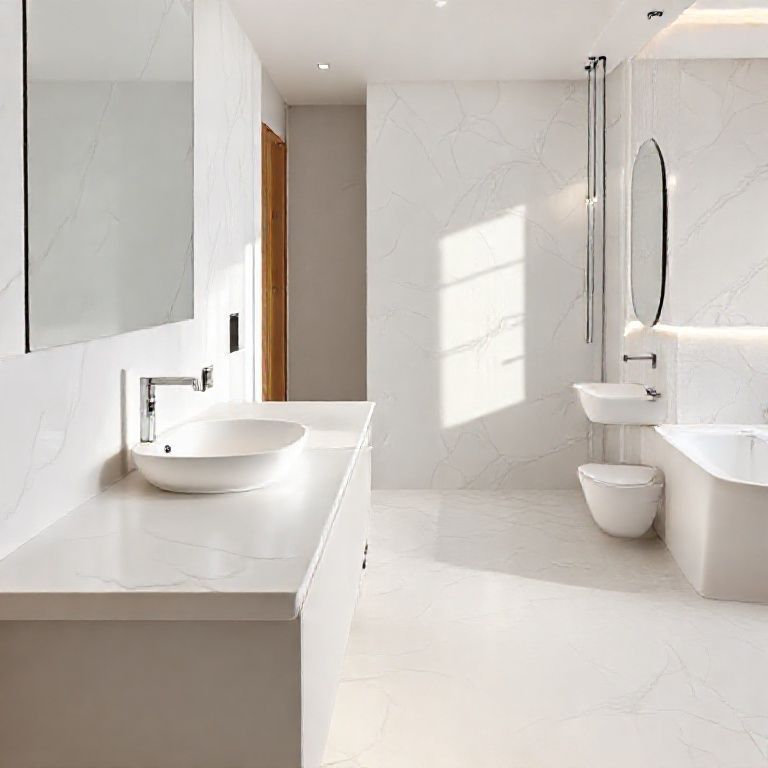
The concept of “good” also extends to the manufacturer’s commitment to sustainability. As awareness of environmental impact grows, so too does the demand for materials produced with minimal waste, using recycled content, and employing energy-efficient manufacturing processes. Many leading artificial stone manufacturers are investing heavily in these areas, making them a crucial consideration for environmentally conscious consumers and designers.
Furthermore, understanding the warranty offered by a manufacturer can be a strong indicator of their confidence in their product. A comprehensive, long-term warranty on material defects and performance provides peace of mind and underscores the quality and longevity of the artificial stone.
In essence, the question “人造石厂家哪家好?” is an invitation to explore a dynamic industry. It prompts a deeper dive into the material science, the design possibilities, and the companies that are shaping our built environments. It’s about finding a partner who understands your vision and can deliver a product that not only meets but exceeds your expectations in terms of beauty, performance, and value. The following sections will delve deeper into how to evaluate these manufacturers and what to look for to ensure you make the best choice for your discerning needs.
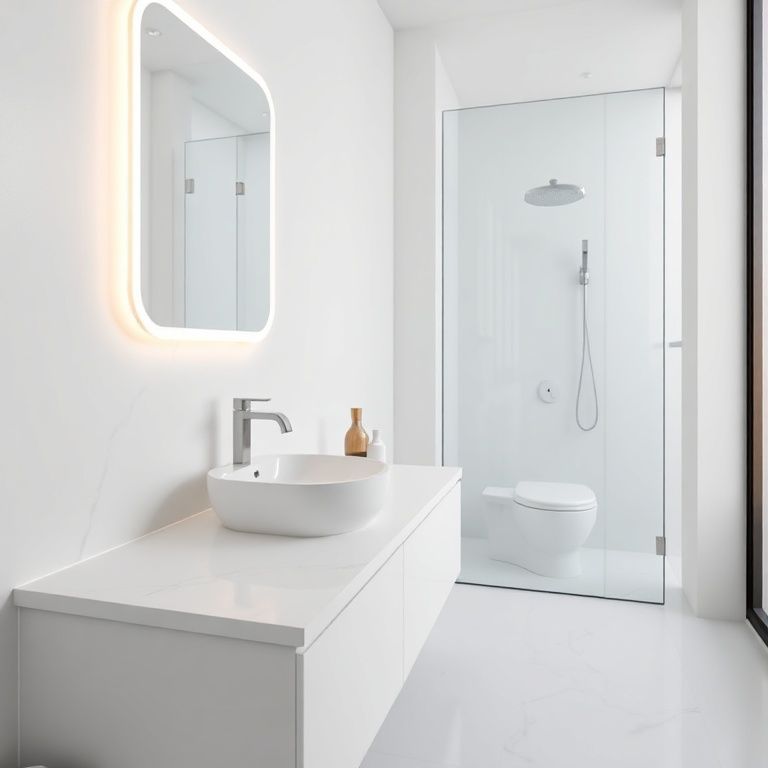
Continuing our exploration into the world of artificial stone, let’s now focus on the practical aspects of choosing a manufacturer and what truly sets the “good” ones apart. Beyond the initial understanding of material types like solid surface and engineered quartz, discerning the quality and reliability of a manufacturer requires a closer look at their operational excellence, product innovation, and customer support infrastructure.
The manufacturing process itself is another key differentiator. Advanced techniques in polymerization for solid surfaces, and sophisticated pressing and sintering technologies for engineered quartz, result in materials that are denser, less porous, and more durable. Manufacturers who invest in state-of-the-art equipment and employ rigorous quality assurance checks at every stage of production are more likely to deliver a superior product. This meticulous approach translates into artificial stone that is not only aesthetically pleasing but also highly resistant to damage, stains, and wear over its lifespan.
Innovation is a hallmark of a progressive artificial stone manufacturer. This can manifest in several ways. For solid surfaces, it might be the development of new formulations that offer enhanced scratch resistance, UV stability for outdoor applications, or even antibacterial properties. For engineered quartz, innovation could involve creating entirely new aesthetic trends – mimicking rare natural stones with unprecedented accuracy, introducing unique textures, or developing thinner, lighter-weight versions for specific applications. Manufacturers who are at the forefront of material science and design are often those who lead the industry, offering a wider array of choices and pushing the boundaries of what’s possible.
Furthermore, the environmental commitment of a manufacturer is increasingly a deciding factor. This includes their approach to energy consumption, waste management, and the use of recycled or sustainable raw materials. Many forward-thinking companies are actively working to reduce their carbon footprint, offering products with a lower environmental impact. Look for manufacturers who highlight their sustainability initiatives, such as using recycled glass or post-consumer recycled content in their products, or who have achieved certifications like LEED (Leadership in Energy and Environmental Design) or Cradle to Cradle. This not only benefits the planet but often results in healthier indoor environments.
Customer service and support are also vital. A good manufacturer will have a robust network of distributors and certified fabricators. This ensures that you not only have access to their materials but also to skilled professionals who can accurately measure, cut, and install your artificial stone. The level of technical support provided to designers, architects, and fabricators can also be an indicator of a manufacturer’s commitment to its customers. Responsive communication, readily available product information, and troubleshooting assistance are all part of a positive customer experience.
The warranty offered is a tangible promise of a manufacturer’s confidence in their product. A comprehensive warranty, typically ranging from 10 to 25 years or even longer for certain products, covers defects in material and manufacturing. It’s important to understand the terms and conditions of the warranty, but a strong warranty is a significant reassurance of quality and longevity.
When you ask “人造石厂家哪家好?”, you’re essentially seeking a partner who can bring your vision to life with a material that is as functional as it is beautiful. This involves looking beyond just the price tag and considering the long-term value. A truly good manufacturer will offer a product that is durable, aesthetically versatile, backed by excellent customer support, and produced with a mindful approach to sustainability. They are the architects of surfaces that endure, inspire, and elevate the spaces we inhabit, making them indispensable allies in any design or renovation project. By understanding these factors, you can navigate the choices available and confidently select a manufacturer that aligns with your project’s goals and your personal standards of quality and excellence.









