
The world of design is a constant dance between form and function, a perpetual quest for materials that can translate imagination into tangible reality. For decades, natural stone has held a revered position, its inherent beauty and enduring strength captivating architects and homeowners alike. Yet, the limitations of natural stone – its expense, its weight, its susceptibility to staining or etching, and the inherent constraints of its natural forms – have always presented a challenge to the unbridled spirit of creation. Enter the era of artificial stone, or as the Chinese elegantly put it, “人造石造型” (rénzào shí zàoxíng) – the art of artificial stone sculpting. This isn’t merely about replication; it’s about liberation. It’s about a material that shatters the shackles of nature’s limitations and unlocks a universe of design possibilities.

Artificial stone, in its many forms, has evolved from a humble imitation to a sophisticated design element in its own right. From the acrylic-based solid surfaces that offer seamless integration and an almost ethereal translucence, to the quartz composites that boast unparalleled durability and a vast spectrum of colors and patterns, the landscape of artificial stone is rich and diverse. These engineered materials are not just passive backdrops; they are active participants in the narrative of a space, capable of being molded, shaped, and sculpted into forms that would be impossible with their natural counterparts. Think of a monolithic, flowing countertop that curves gracefully around a kitchen island, a shower enclosure that seamlessly integrates with the wall, or even intricate wall panels that mimic the texture and depth of carved wood, but with the added benefits of water resistance and ease of maintenance. The “造型” (zàoxíng), or “styling” and “sculpting,” aspect is where the true magic lies. It speaks to the transformative power of these materials, their ability to be coaxed and crafted into bespoke creations that are as unique as the individuals who inhabit them.
The appeal of artificial stone is multifaceted. Firstly, there’s the sheer aesthetic freedom it offers. Unlike natural stone, which comes with its own inherent palette and veining, artificial stone can be engineered to achieve virtually any color, pattern, or finish imaginable. This allows designers to achieve a precise aesthetic, whether it’s a minimalist, ultra-modern look with a seamless, matte surface, or a more opulent feel with intricate patterns and a high-gloss polish. The ability to achieve consistent color and pattern across large expanses is a significant advantage, eliminating the unpredictability often associated with natural stone, where each slab can be strikingly different. This predictability, however, doesn’t equate to a lack of individuality. Instead, it provides a reliable canvas for more complex and artistic “造型.” Custom colors can be developed, unique inlays can be incorporated, and gradients can be seamlessly blended, pushing the boundaries of what we typically associate with stone.
Beyond aesthetics, the practical advantages are undeniable. Many types of artificial stone, particularly solid surface materials, are non-porous. This translates to superior hygiene, as bacteria and mold have nowhere to take root. Stains are less of an issue, and cleaning is typically a simple wipe-down. This makes them ideal for high-traffic areas like kitchens, bathrooms, and commercial spaces. Furthermore, the manufacturing process allows for the creation of seamless joints. This means no unsightly grout lines in your shower or a countertop where the sink appears to emerge organically from the surface. This visual continuity contributes to a cleaner, more sophisticated look and further enhances the ease of maintenance. The “造型” here extends to the very construction of the elements, allowing for integrated sinks, drainboards, and even lighting effects within the material itself.
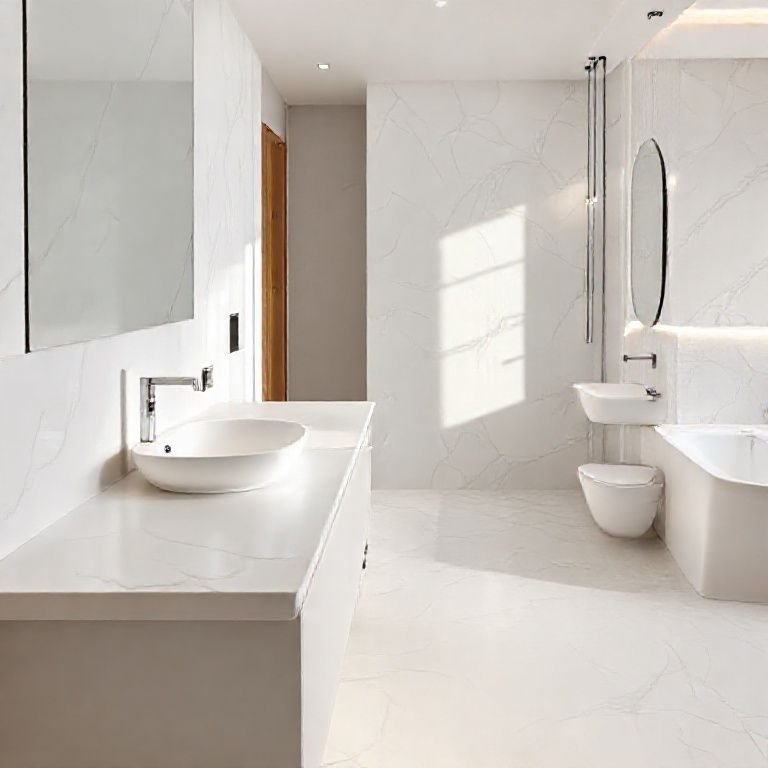
The inherent workability of artificial stone is perhaps its most compelling attribute for designers and fabricators. It can be cut, routed, sanded, and thermoformed into complex curves and shapes. This plasticity opens up a world of sculptural possibilities. Imagine a reception desk that twists and undulates, a vanity that flows like liquid, or a fireplace surround that becomes a piece of art in itself. This is where “人造石造型” truly shines, moving beyond mere application to active creation. The material can be heated and bent to create sweeping arcs and organic forms, allowing designers to deviate from straight lines and right angles, and to embrace more fluid, dynamic designs. This ability to manipulate the material into almost any conceivable form is what truly elevates it from a mere building material to a medium for artistic expression. The process of creating these forms is a testament to the skill of the fabricator, who acts as a sculptor, coaxing the material into their vision. It’s a collaborative effort between designer and maker, where the inherent properties of the artificial stone are harnessed to bring abstract concepts into the physical realm.
Moreover, the innovation in artificial stone continues unabated. Manufacturers are constantly developing new formulations that enhance durability, improve fire resistance, and even incorporate antimicrobial properties. There’s a growing emphasis on sustainability, with many artificial stones now made from recycled content or utilizing manufacturing processes that minimize environmental impact. This forward-thinking approach ensures that artificial stone remains a relevant and responsible choice for contemporary design. The “造型” in this context also refers to the ongoing refinement of the material itself, its evolution to meet the ever-changing demands of the modern world. As we become more conscious of our environmental footprint, the ability of artificial stone to offer both aesthetic beauty and a more sustainable alternative to some natural materials becomes increasingly significant. This combination of form, function, and a growing ecological awareness makes “人造石造型” a truly compelling proposition for the future of design. It’s a material that doesn’t just shape our spaces; it shapes our perceptions of what’s possible.
The transformative power of “人造石造型” extends far beyond the residential realm, leaving an indelible mark on commercial and public spaces. In the bustling heart of a corporate lobby, a sculpted reception desk crafted from artificial stone can serve as a powerful first impression, a visual statement of the company’s identity and commitment to innovation. The ability to embed logos, create intricate patterns, and achieve seamless curves allows for a highly personalized and impactful design. Imagine a flowing, multi-tiered reception desk that guides visitors, its surfaces subtly illuminated from within, or a vast wall panel with a digitally printed graphic seamlessly integrated into the solid surface. These are not mere functional elements; they are artistic installations that define an environment. The “造型” here is about creating a brand experience, a physical manifestation of corporate values and aesthetic.
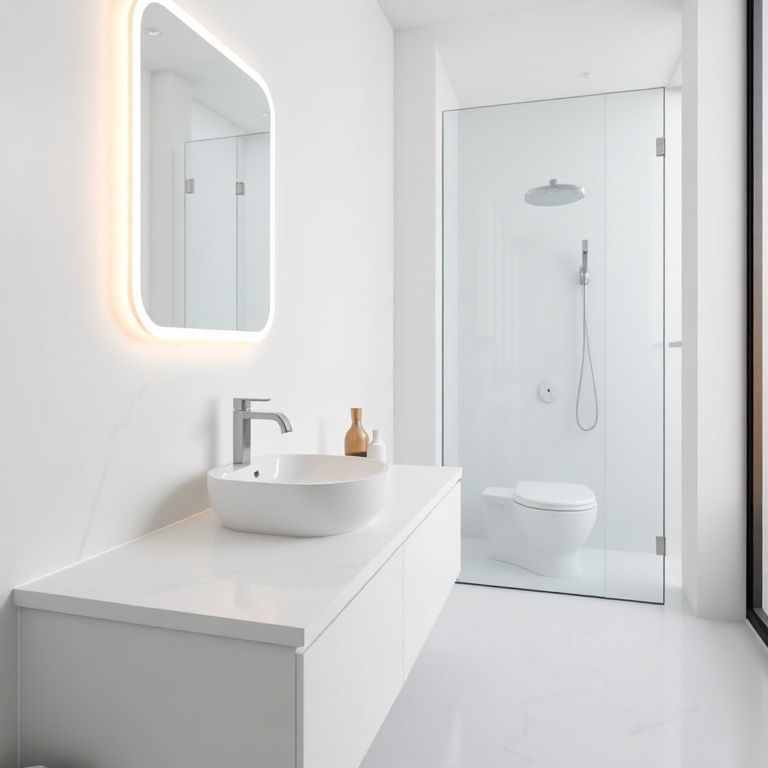
In the hospitality sector, artificial stone offers a unique blend of luxury, durability, and hygiene that is paramount for guest satisfaction. Hotel bathrooms, for instance, can be transformed with integrated vanity tops and seamless shower surrounds that exude sophistication and ease of cleaning. The ability to create custom shapes for bathtubs or shower benches allows for truly unique and spa-like experiences. Restaurants can benefit from durable, stain-resistant tabletops that are also visually stunning, capable of mimicking the look of high-end marble or granite without the same maintenance concerns. The “造型” in these applications is about enhancing the customer journey, creating environments that are both beautiful and practical, contributing to a memorable and positive experience. The tactile quality of artificial stone, its ability to be molded into ergonomic shapes for seating or counter surfaces, further contributes to this.
Healthcare facilities present a unique set of challenges where hygiene and durability are non-negotiable. Artificial stone, with its non-porous nature and seamless fabrication capabilities, emerges as an ideal solution. Operating room countertops, laboratory benches, and patient room vanities can all be designed to meet the stringent requirements of these environments. The ability to create integrated sinks with no crevices for bacteria to hide is a significant advantage. Furthermore, custom “造型” can be employed to create ergonomic workstations for medical staff or visually calming, integrated features in waiting areas. The material’s ability to withstand harsh cleaning agents also makes it a practical choice for long-term use in these demanding settings. The “造型” in healthcare is about safeguarding health and enhancing the efficiency and comfort of those who work and recover within these spaces.
The artistic potential of artificial stone, or “人造石造型,” truly comes to the fore when designers push the boundaries of what is considered conventional. Sculptural elements, integrated lighting, and the manipulation of translucency are all avenues for creative exploration. Imagine a backlit bar that glows with an inviting warmth, or a wall installation that plays with light and shadow, creating dynamic visual interest. The ability to thermoform artificial stone allows for the creation of intricate, three-dimensional forms that can become focal points of any space. Think of a grand staircase with flowing, sculpted balustrades, or a ceiling feature that mimics the organic forms found in nature. These are not just decorative elements; they are ambitious architectural statements made possible by the inherent malleability of the material. The “造型” here is about artistic ambition, about using the material as a medium for pure expression.
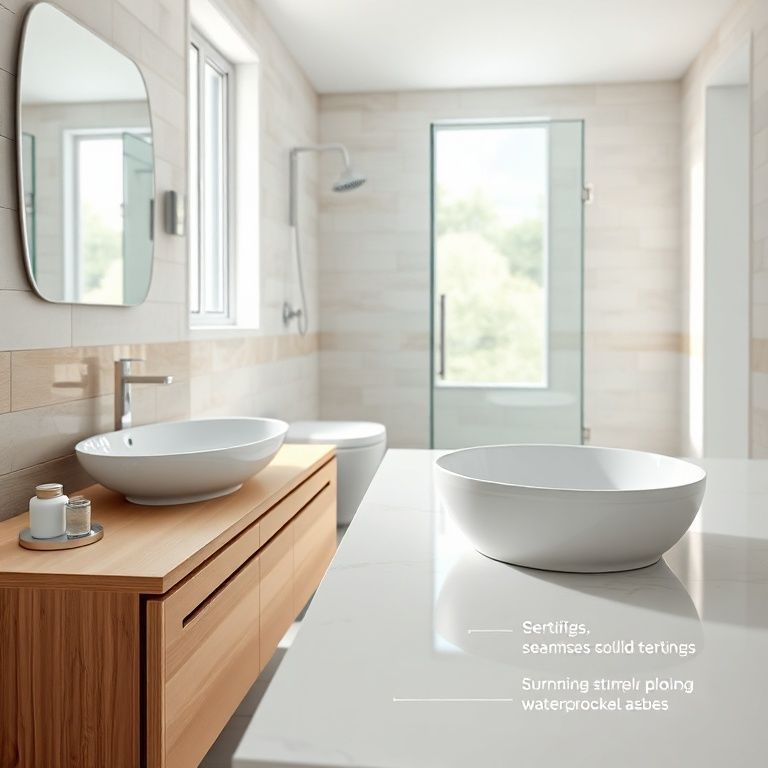
The process of creating these bespoke artificial stone elements is a testament to craftsmanship and technological advancement. Sophisticated CNC (Computer Numerical Control) machinery allows for precise cutting and intricate detailing, while skilled artisans employ traditional techniques like sanding and polishing to achieve the desired finishes. The ability to digitally model complex forms and then translate those designs into reality with incredible accuracy is a hallmark of modern “人造石造型.” This fusion of digital design and manual skill ensures that even the most ambitious visions can be realized. It’s a collaborative process, where the designer’s concept is brought to life through the expertise of fabricators who understand the nuances of the material. The transformation from a raw sheet or block of artificial stone into a polished, finished product is a journey of precision and artistry.
Furthermore, the ongoing research and development in the field of artificial stone promise even more exciting possibilities. Innovations in self-healing properties, enhanced scratch resistance, and even the integration of smart technologies are on the horizon. The focus on sustainability continues to drive the development of eco-friendly formulations and manufacturing processes. As our understanding of materials science deepens, artificial stone will undoubtedly evolve to meet new challenges and inspire even more daring design concepts. The “造型” of artificial stone is not a static concept; it is a continuously evolving art form, adapting to the needs and aspirations of our ever-changing world. It’s a material that embodies innovation, allowing us to sculpt not just our physical spaces, but our very experiences within them. The enduring appeal of “人造石造型” lies in its promise of limitless creativity, a promise that continues to be realized in the remarkable designs that shape our environments.









