Introduction to Artificial Stone Countertops
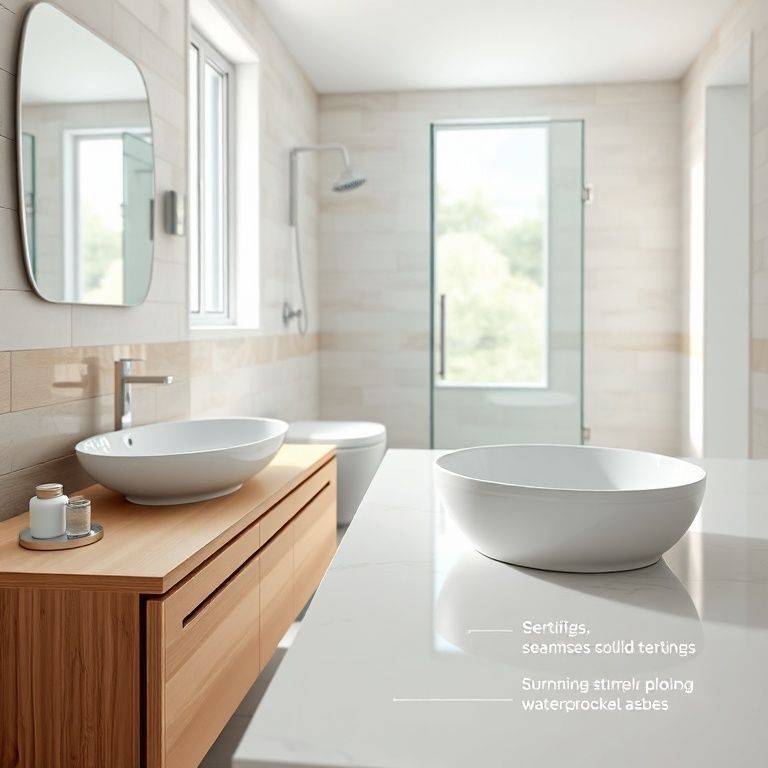
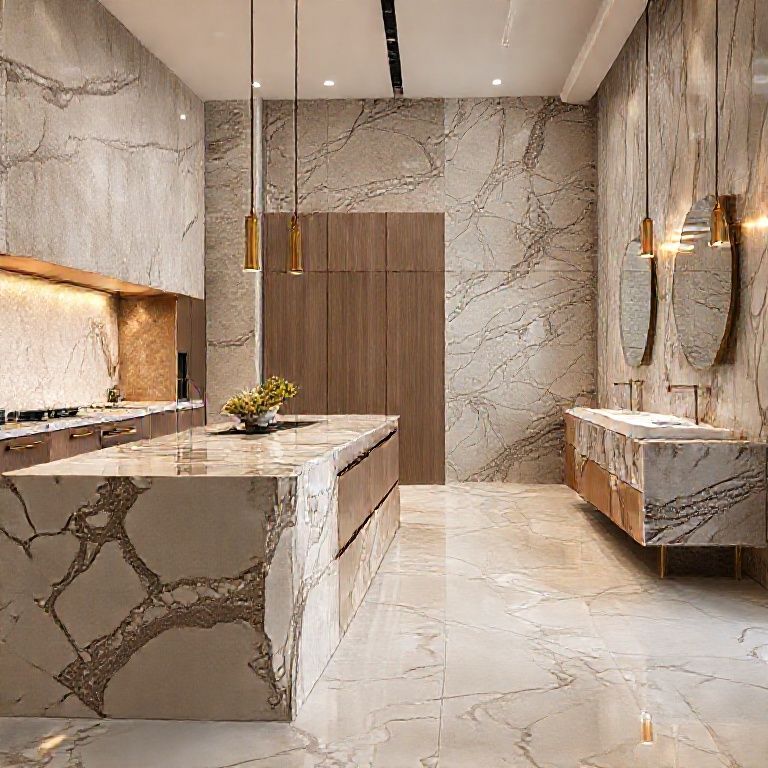
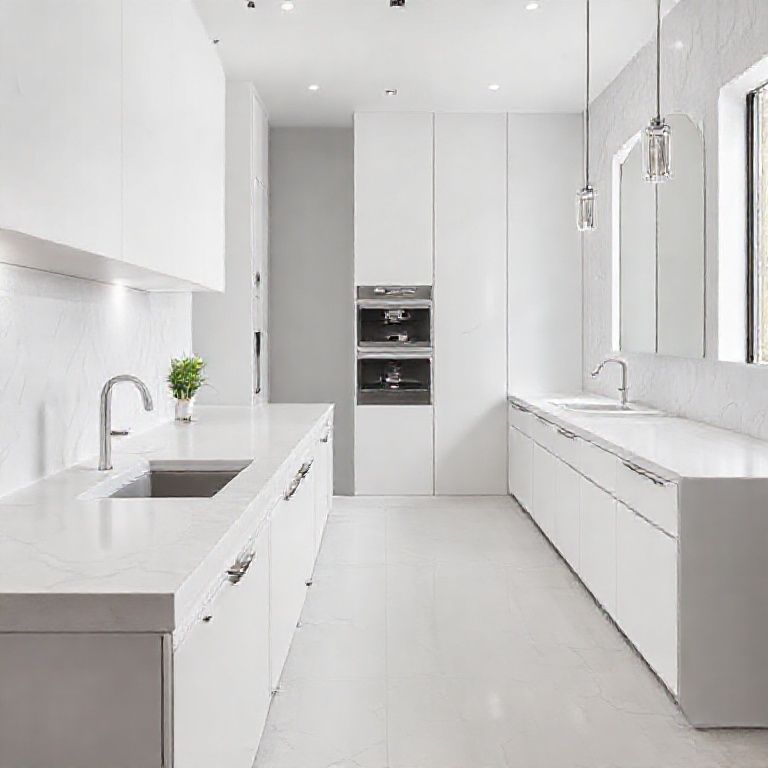
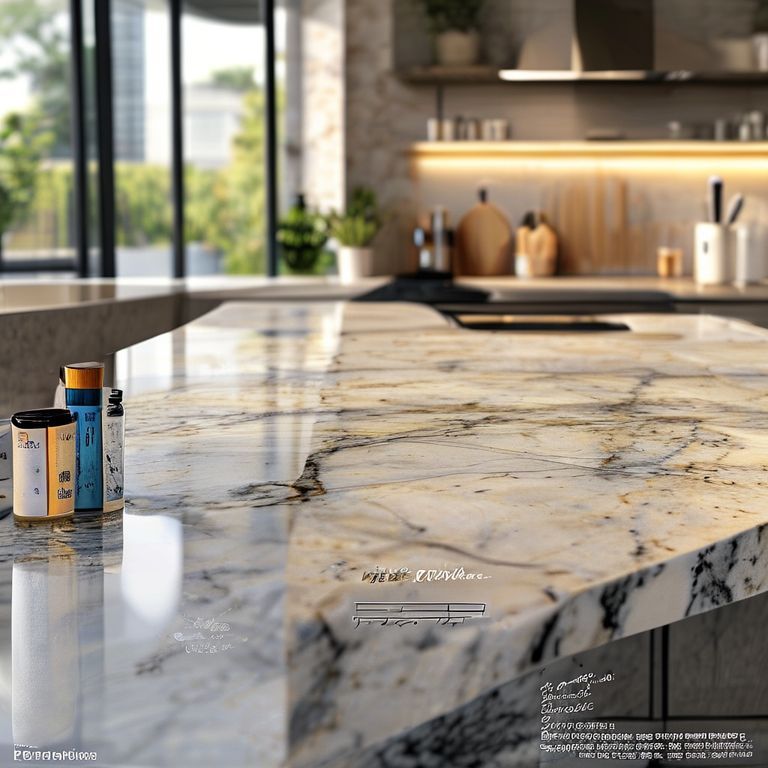
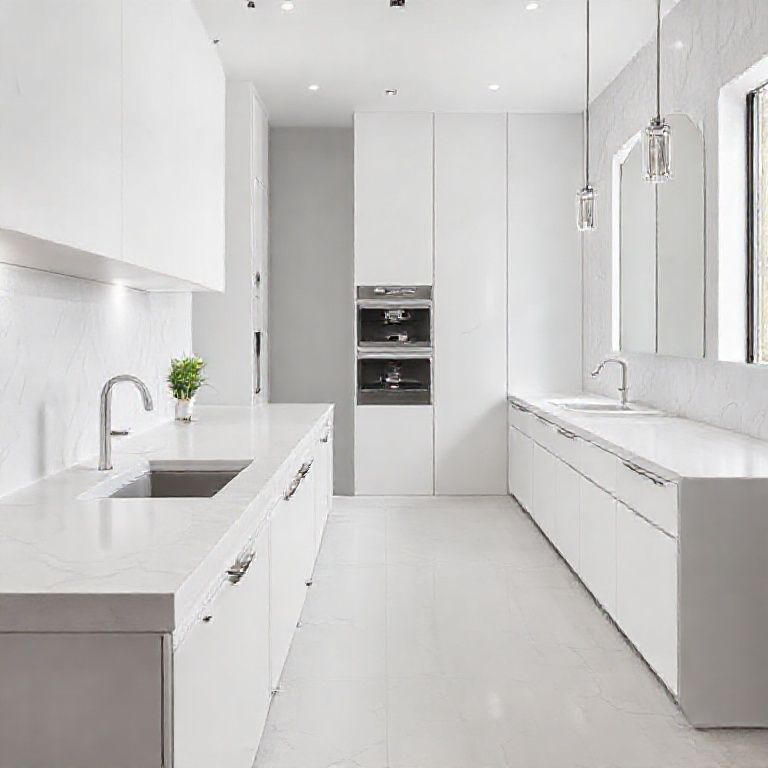
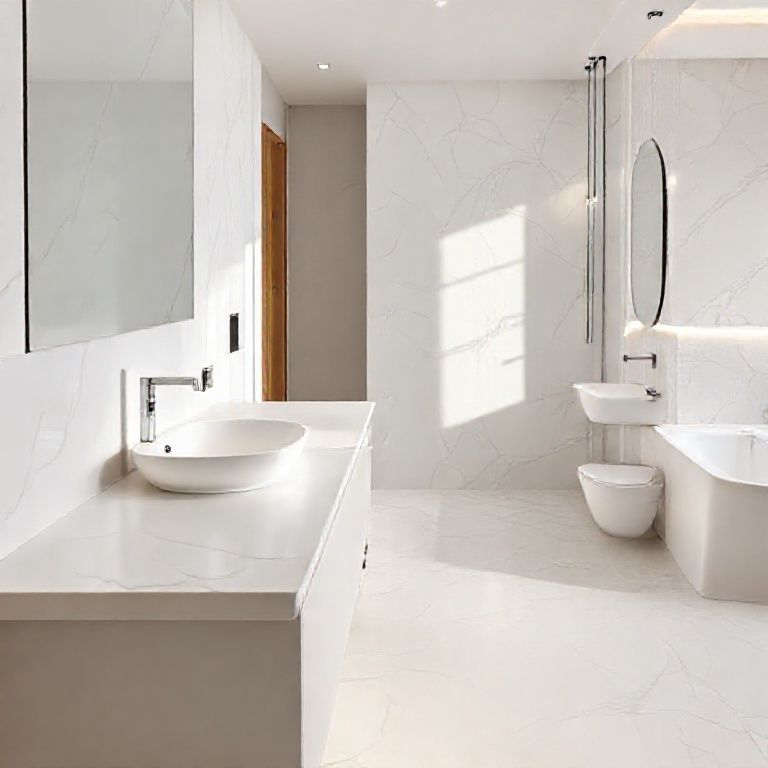
Artificial stone countertops have revolutionized the world of modern kitchen and bathroom design, offering a luxurious appearance that closely resembles natural marble without the high cost and maintenance demands. These countertops are crafted from a combination of quartz, resin, and natural stone powder, providing a durable, long-lasting surface that mimics the elegance of traditional marble.

The Appeal of Artificial Stone Countertops
Artificial stone countertops combine the aesthetic appeal of marble with practical advantages. These benefits include:
Durability: Artificial stone is highly resistant to scratches, stains, and thermal shock, making it a practical choice for high-traffic areas. Cost-Effectiveness: Though the initial cost of artificial stone countertops can be higher than some alternatives, their longevity and low maintenance more than offset this. Design Flexibility: Available in a wide range of colors and patterns, artificial stone allows for almost limitless design possibilities, from sleek and modern to classic and traditional.
Materials and Composition
The primary components of artificial stone are:
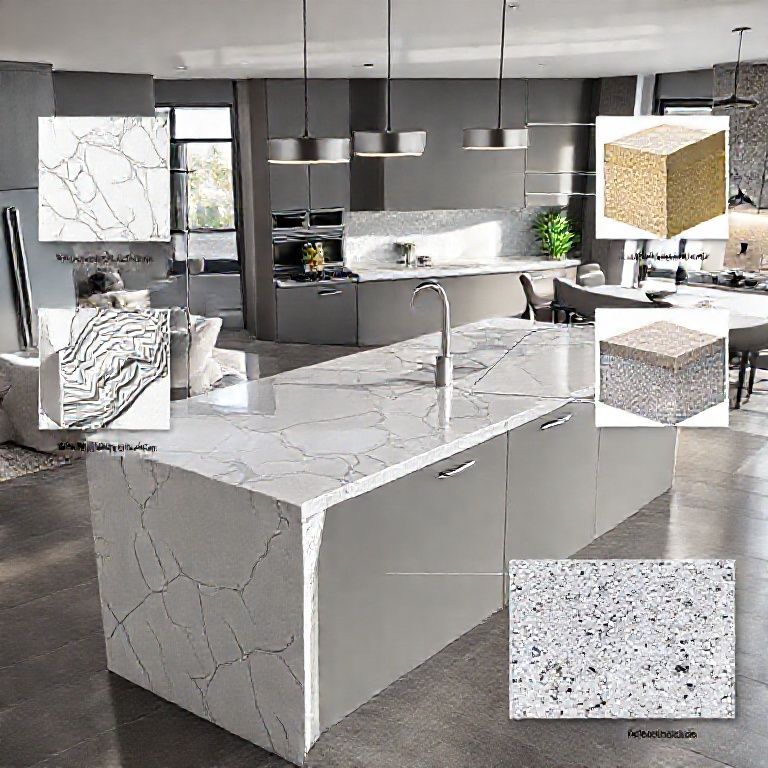
Quartz: Provides strength and durability. Resin: Acts as a binding agent that holds the stone particles together. Natural Stone Powder: Gives the stone its distinctive look and texture.
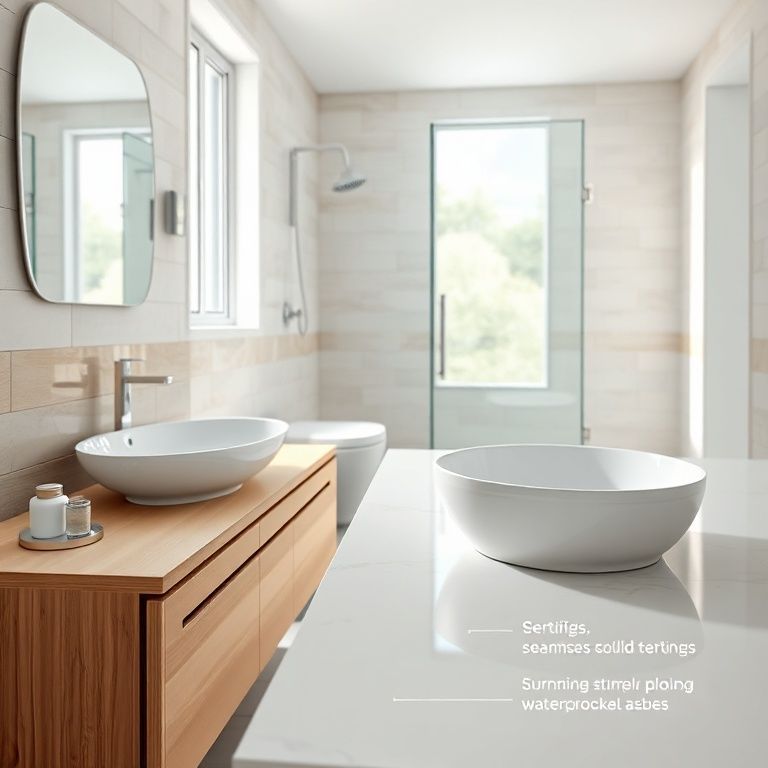
These ingredients are meticulously mixed and processed to create a composite material that can be molded into various shapes and sizes.
The Crafting Process
The creation of artificial stone countertops involves several intricate steps, starting from design to the final finishing touches. Here’s a closer look at each phase:
Step 1: Design and Planning
The first step in creating artificial stone countertops is design. Designers and manufacturers use specialized software to create detailed plans and patterns that will be used to mold the stone. This phase involves:

Conceptualization: Determining the desired look, color, and pattern. 3D Modeling: Using software to visualize the final product. Pattern Creation: Developing a physical template that will guide the molding process.
Step 2: Molding
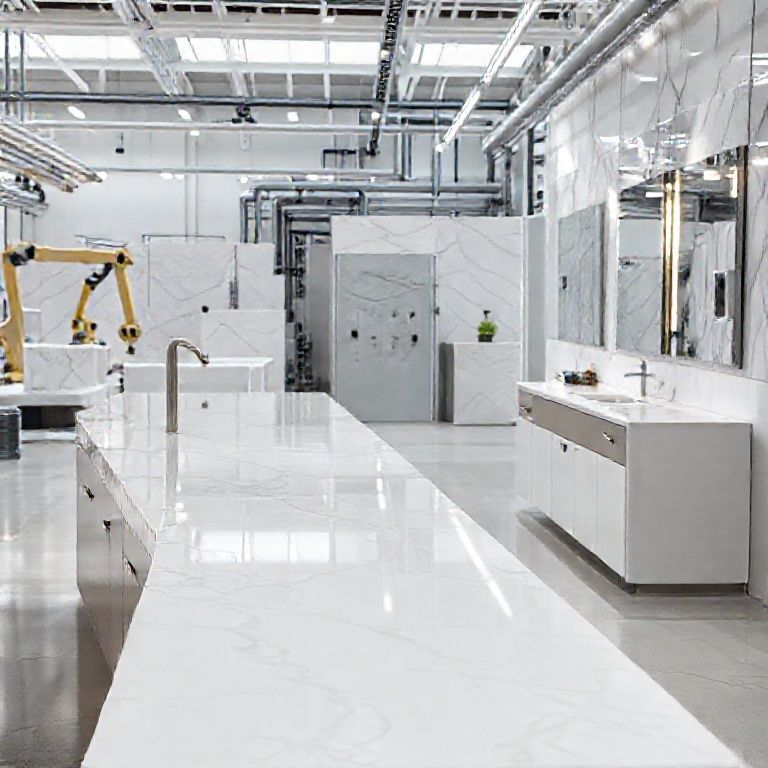
The actual stone-making process begins with molding. The designed pattern is used to create a mold, which is then filled with a mixture of quartz, resin, and stone powder. This mixture is carefully poured into the mold and allowed to set. The mold helps to shape the stone into the desired form.
Step 3: Curing
Once the stone has been poured into the mold, it needs to cure. Curing is a critical step where the resin binds the stone powder, transforming the mixture into a solid block of artificial stone. This process usually takes several hours to complete, during which the stone is left undisturbed to ensure proper curing.
Step 4: Cutting and Shaping
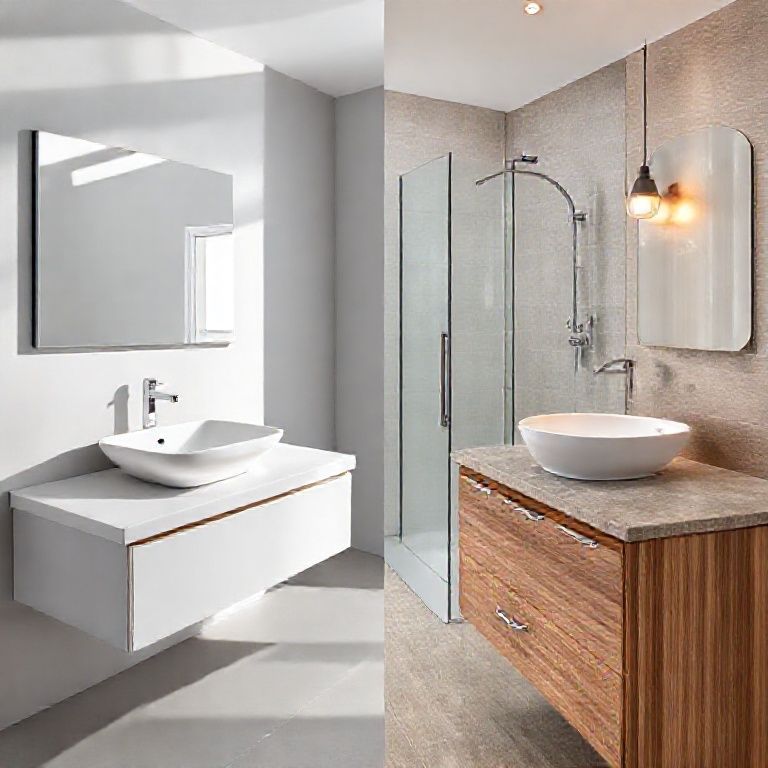
After curing, the stone blocks are removed from the molds and cut into the desired sizes using specialized saws. Cutting is a meticulous process that requires precision to ensure smooth, clean edges. Once cut, the stones are shaped to fit the specific design requirements.
Tools and Techniques
Several tools and techniques are used in the processing of artificial stone countertops:
Band Saws: For precise cutting. Polishers: To achieve a smooth, glossy finish. Grinders: To refine edges and surfaces. Templates and Jigs: To maintain consistency and accuracy in shaping.
Environmental and Safety Considerations
While artificial stone countertops are highly durable and aesthetically pleasing, it’s important to consider the environmental and safety aspects of their production. Manufacturers are increasingly adopting eco-friendly practices, such as using less harmful resins and reducing waste. Safety protocols are also strictly followed to protect workers from exposure to dust and chemicals during the manufacturing process.
Finishing Touches and Installation
Once the artificial stone countertops have been cut and shaped, the next phase involves finishing and installation. This stage ensures that the countertops not only look stunning but also function seamlessly within the space.
Finishing Techniques
Finishing is where the true beauty of artificial stone countertops is revealed. Several techniques are used to enhance the appearance and texture of the stone:
Polishing
Polishing gives the stone a smooth, glossy finish that enhances its natural beauty. The process involves:
Grinding: Initial grinding to remove any imperfections. Polishing: Using progressively finer abrasives to achieve a high-gloss finish.
Honing
Honing is a technique used to create a matte or satin finish. It involves:
Coating: Applying a special coating that is then buffed to create a non-reflective surface.
Texturing
For a more natural look, texturing can be applied to mimic the veining and patterns of natural stone. This is done using:
Templates: Applying patterns with precision tools. Hand Texturing: Using hand-held tools to create organic textures.
Installation Process
Proper installation is crucial for ensuring the longevity and functionality of artificial stone countertops. Here’s a detailed look at the installation process:
Preparation
Before installation, the area needs thorough preparation:
Surface Preparation: Ensuring the underlying surface is clean, level, and free from any debris. Measurement: Accurately measuring the countertop to ensure a perfect fit.
Adhesive Application
A high-quality adhesive is applied to the back of the countertop. This step is critical for securing the stone to the underlying surface. The adhesive should be:
Strong: Able to withstand daily use. Flexible: To accommodate any minor movement in the underlying structure.
Placement
The countertop is carefully placed onto the adhesive. This step requires:
Alignment: Ensuring the countertop is perfectly aligned with surrounding fixtures. Support: Using clamps to hold the stone in place while the adhesive sets.
Caulking
Once the countertop is in place and the adhesive has set, caulk is used to seal the edges. This prevents water from seeping underneath and causing damage. The caulking process involves:
Sealing: Applying caulk along the edges and smoothing it to create a watertight seal. Cleaning: Removing any excess caulk for a clean finish.
Maintenance
Maintaining artificial stone countertops is relatively straightforward:
Cleaning: Use a mild soap and water solution to clean the surface. Avoid using abrasive cleaners or sponges that can scratch the stone. Stain Prevention: Regularly apply a stone sealant to protect against stains and spills. Minor Repairs: For minor chips or scratches, a stone repair kit can be used to restore the countertop to its original beauty.
Advantages and Considerations
Artificial stone countertops offer numerous advantages, but there are also some considerations to keep in mind:
Advantages
Aesthetic Versatility: Can be designed to mimic various natural stones, including marble, granite, and quartz. Durability: Highly resistant to scratches, stains, and thermal damage. Ease of Maintenance: Low-maintenance compared to natural stone.
Considerations
Cost: Though artificial stone is cost-effective in the long run, the initial investment can be higher than some alternatives. Installation: Requires professional installation to ensure proper adhesion and sealing. Weight: Generally heavier than some other countertop materials, which can impact installation.
Conclusion
Artificial stone countertops are a remarkable innovation in the world of kitchen and bathroom design. Combining the beauty of natural stone with practical benefits, they offer an excellent choice for those seeking durability, design flexibility, and low maintenance. Whether you’re a DIY enthusiast looking to upgrade your home or a professional in the construction industry, mastering the art of artificial stone countertop processing opens up a world of creative possibilities.
By understanding the intricate processes involved in creating these stunning surfaces, you can appreciate the craftsmanship and enjoy the long-lasting beauty they bring to any space.