
The allure of stone, in its myriad forms, has long captivated the human desire for beauty, permanence, and a touch of nature’s artistry within our living spaces. Yet, the evolution of material science has gifted us with ingenious alternatives that often rival, and in some cases, surpass, the practicalities and aesthetic possibilities of their natural counterparts. Among these modern marvels, artificial stone and Corian stand out as prominent contenders, frequently finding themselves at the heart of kitchen and bathroom renovations, commercial installations, and bespoke furniture designs. While their names might suggest a shared lineage, and indeed, they both fall under the umbrella of “man-made” materials, a closer examination reveals distinct characteristics that set them apart, influencing everything from their visual appeal and tactile feel to their performance and fabrication.

To truly grasp the essence of these materials, we must first demystify the terms. “Artificial stone” is a broad category, a kind of catch-all for a range of composite materials designed to mimic the look and feel of natural stone. Within this expansive definition, we find a fascinating spectrum. Often, artificial stone refers to engineered quartz, a material that boasts an impressive composition of crushed natural quartz crystals (typically around 90-95%), bound together with polymer resins and pigments. This engineered marvel leverages the inherent strength and beauty of quartz, while the resin binder allows for greater control over color, pattern, and consistency. The result is a non-porous, incredibly durable surface that can be fabricated into slabs that strikingly resemble granite, marble, or even more exotic natural stones. The visual fidelity can be astonishing, with intricate veining, subtle speckling, and a depth of color that often leaves observers questioning its true origin. However, the “artificial” nature here lies in the manufacturing process and the addition of binders, rather than the primary component being entirely synthetic.
Corian, on the other hand, carves out its own distinct identity within the realm of solid surface materials. Developed by DuPont in the late 1960s, Corian is a composite material primarily composed of acrylic polymer and alumina trihydrate (ATH). ATH is derived from bauxite ore, the same source as aluminum, and it lends Corian its fire-retardant properties and its mineral-like quality. Unlike engineered quartz, which relies heavily on natural stone as its base, Corian is more of a wholly synthesized creation, albeit one that draws inspiration from the natural world. Its composition results in a material that is homogenous throughout its thickness. This means that a scratch or stain on the surface doesn’t reveal a different underlying color or pattern, a crucial differentiator when considering its repairability and long-term appearance. The acrylic polymer provides its non-porous nature and a certain degree of flexibility, while the ATH contributes to its solid feel and translucence.
The visual and tactile distinctions between these two materials are often the first indicators for those exploring their options. Engineered quartz, with its high quartz content, typically presents a more varied and complex visual landscape. The patterns can range from finely uniform speckles to bold, sweeping veining that artfully mimics the natural geological formations of granite and marble. The surface often possesses a subtle sheen that reflects light, giving it a sense of depth and richness. When you run your hand over a quartz surface, you often feel a cool, solid presence, a testament to its dense composition. The patterns, while designed, can feel organically distributed, leading to a sense of natural variation that many find desirable. The color palette for engineered quartz is vast, allowing for faithful reproductions of classic stone looks as well as entirely novel color combinations and finishes.
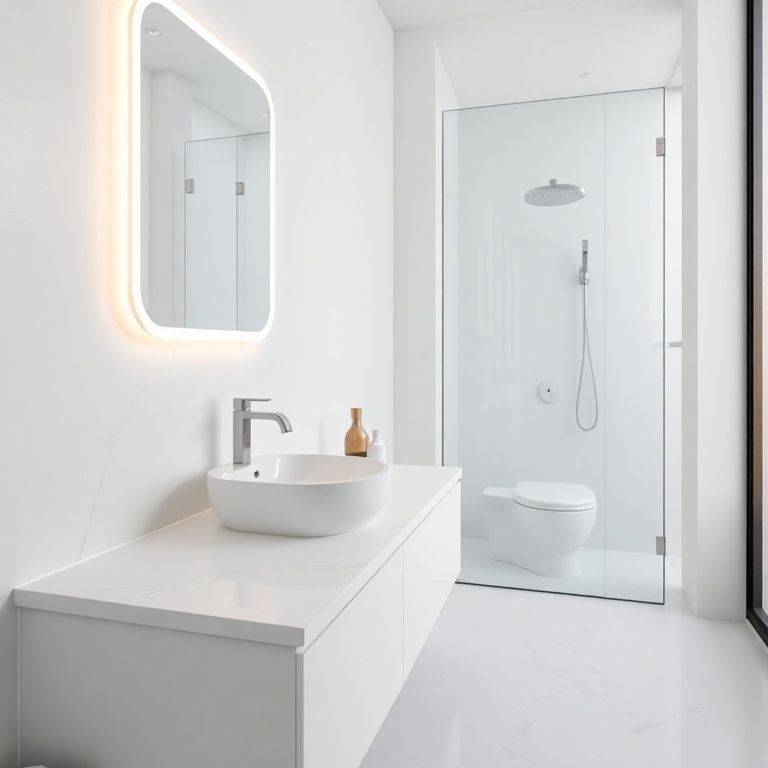
Corian, in contrast, tends to exhibit a more uniform and consistent appearance. While it can be manufactured in a wide array of colors and patterns, including those that mimic stone, its inherent composition often results in a smoother, more homogeneous look. This consistency is one of its key strengths, particularly in applications where a seamless aesthetic is paramount. The “speckled” patterns in Corian often have a more uniform distribution, and the “veining” tends to be more linear and less organic than in quartz. Visually, it can appear “flatter” than quartz in its more traditional finishes, though advancements in manufacturing have introduced textured and more nuanced options. Tactilely, Corian is also cool to the touch, but it often possesses a slightly warmer, more yielding feel than the harder, denser quartz. This difference in feel can be subtle but is noticeable to those who interact with both materials. The ability to achieve a completely seamless appearance, where seams are virtually invisible, is a hallmark of Corian, a feat that is more challenging with engineered quartz due to the nature of its slab construction.
The non-porous nature of both materials is a significant advantage over natural stone, offering enhanced resistance to stains and bacteria. However, the way they achieve this non-porosity and its implications can differ. Engineered quartz’s non-porosity is a direct result of the tightly bound quartz crystals and the resin matrix. This makes it highly resistant to liquids, acids, and common household stains like wine, coffee, and oil. The resin binders are crucial in this regard, effectively sealing the material. Corian’s non-porous quality stems from its homogeneous acrylic and mineral composition. It does not have pores or cracks where bacteria can grow or liquids can seep, making it incredibly hygienic. This characteristic is particularly valued in healthcare settings and for food preparation surfaces.
When it comes to durability and resistance to the rigors of daily life, both materials perform admirably, but with distinct strengths and weaknesses. Engineered quartz is renowned for its exceptional hardness and scratch resistance, largely due to the high concentration of natural quartz. This makes it an excellent choice for high-traffic areas where durability is a primary concern. It is also highly resistant to heat, able to withstand moderate temperatures without scorching or discoloring. However, it’s important to note that while heat resistant, it is not entirely heat proof, and prolonged exposure to extreme heat, especially from hot pots and pans directly placed on the surface, can cause thermal shock and potential damage. The resins used in its composition, while strong, can be susceptible to damage from extreme heat over time.
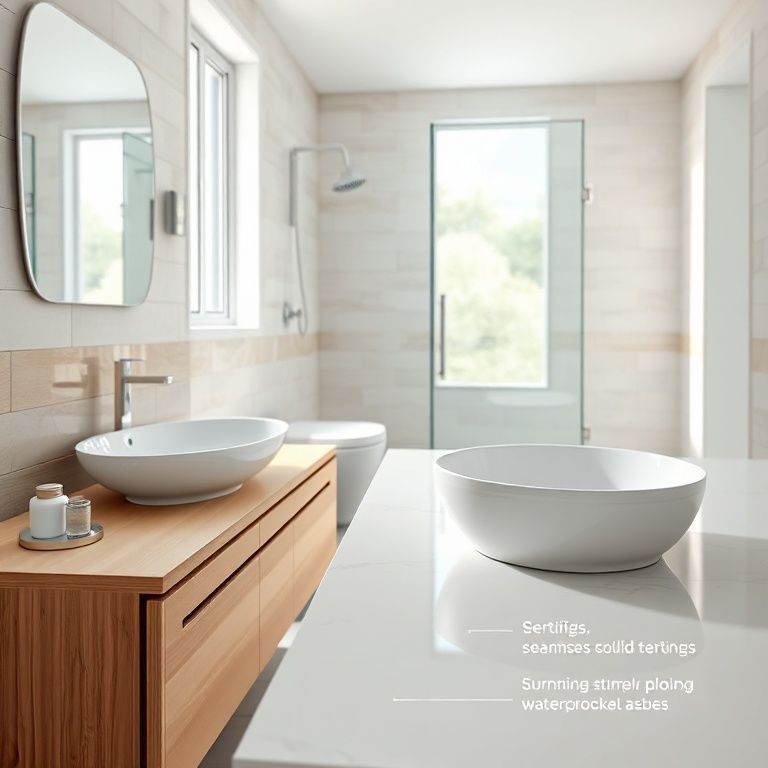
Corian, while also durable, offers a different profile of resistance. It is resistant to impact and chipping, and its homogenous nature means that any minor surface damage, such as scratches or scuffs, can often be repaired through sanding and buffing, restoring the surface to its original condition. This inherent reparability is a significant advantage. However, Corian is generally considered less scratch-resistant and heat-resistant than engineered quartz. While it can withstand moderate heat, it is more prone to damage from hot cookware than quartz, and aggressive scrubbing or abrasive cleaners can lead to superficial scratching. The acrylic component, while offering flexibility, can also be more susceptible to chemical etching from certain harsh cleaning agents compared to the more inert quartz.
The fabrication and installation processes also highlight key differences. Engineered quartz is typically supplied in large slabs, which are then cut and shaped to fit the desired application. Due to its hardness, specialized diamond-tipped blades and machinery are required for cutting and fabricating quartz. Seams in quartz installations, while minimized through precise fabrication, are generally more visible than those in Corian due to the material’s inherent pattern and the presence of resin. The edges can be finished in various profiles, adding to its versatility.
Corian, being a solid surface material, offers a higher degree of design flexibility during fabrication. It can be thermoformed, meaning it can be heated and molded into curved or organic shapes, allowing for truly custom designs that are difficult or impossible to achieve with quartz. This thermoforming capability opens up a world of possibilities for designers seeking unique and sculptural elements. Furthermore, Corian can be seamlessly joined using specialized adhesives, creating virtually invisible seams. This allows for large, uninterrupted surfaces, such as expansive countertops or integrated sinks, where the transition between different pieces is undetectable. The fabrication of Corian typically involves routing and sanding, processes that are generally less demanding than those required for quartz.
The maintenance requirements for both materials are relatively low compared to natural stone, but there are nuances to consider. Engineered quartz is remarkably easy to clean and maintain. Due to its non-porous surface, spills and stains typically wipe away easily with soap and water or a mild household cleaner. It does not require sealing, a significant advantage over many natural stones. Harsh chemicals or abrasive cleaners should be avoided to preserve its finish, but otherwise, its maintenance is straightforward and forgiving.
Corian also boasts easy maintenance. Its non-porous surface resists staining and is simple to clean with a damp cloth and mild detergent. For tougher stains or minor scratches, a gentle abrasive cleaner like a soft scrub pad can often be used, followed by a light buffing to restore the shine. However, it is important to avoid abrasive pads on high-gloss finishes and to be mindful of the types of cleaners used, as some aggressive chemicals can dull or etch the surface. Regular cleaning and prompt attention to spills will ensure both materials maintain their pristine appearance for years to come. The choice between artificial stone (specifically engineered quartz) and Corian often boils down to a careful consideration of these differing characteristics, a balance between the stunning visual mimicry of natural stone and the unique design freedoms offered by a truly solid surface.
Continuing our exploration into the captivating world of man-made surfaces, we delve deeper into the practical considerations that guide the selection between artificial stone, predominantly focusing on engineered quartz, and Corian. Beyond their inherent material compositions and visual presentations, their performance under daily use, their long-term value, and the creative avenues they unlock for designers and homeowners are crucial aspects to understand. The nuanced differences, though sometimes subtle, can significantly impact the longevity, aesthetics, and overall satisfaction derived from a chosen surface.
Let’s first consider the cost implications. Generally speaking, engineered quartz tends to be positioned at a higher price point than Corian. This is often attributed to the higher concentration of natural quartz crystals, which are a premium raw material, and the sophisticated manufacturing processes involved in creating dense, consistent slabs. The cost can vary significantly based on the brand, the complexity of the pattern, and the rarity of the simulated natural stone look. High-end quartz designs that meticulously replicate exotic granites or marbles can command prices that rival or even exceed some natural stones. Corian, while not inexpensive, is often perceived as a more accessible solid surface option, offering a competitive price point that makes it attractive for a wide range of projects. However, it’s important to remember that the “cost” is not just the material itself, but also the fabrication and installation. The specialized tools and expertise required for working with quartz can add to the overall expense, while the unique fabrication capabilities of Corian, such as thermoforming and seamless joining, can also influence its installation costs, sometimes making it more labor-intensive for complex designs.
When it comes to the long-term aesthetic appeal and maintenance, both materials offer a compelling case, albeit with different narratives. Engineered quartz, with its inherent hardness and scratch resistance, tends to maintain its original appearance with minimal effort. The patterns and colors are deeply embedded within the material, making them resistant to fading or wear from everyday use. Its non-porous nature means that it resists staining exceptionally well, simplifying cleanup and reducing the need for harsh chemical treatments that could potentially damage the surface. As mentioned earlier, its heat resistance is also a significant factor in preserving its look. The key to maintaining engineered quartz is to avoid direct contact with extreme heat and to use appropriate cleaning agents. Its durability means that it is unlikely to chip or crack under normal use, ensuring a consistently attractive surface for many years.
Corian, while also designed for longevity, presents a slightly different maintenance profile, one that emphasizes its unique reparability. The ability to sand out scratches, scuffs, or even minor burn marks means that a Corian surface can, in essence, be rejuvenated. This makes it an excellent choice for areas prone to wear and tear, where minor damage is almost inevitable. However, this reparability comes with the understanding that some degree of ongoing care is needed to keep it looking its best. Regular cleaning is essential, and while it’s resistant to many common household stains, it’s important to be mindful of certain chemicals that can dull or etch the surface. For those who appreciate the ability to restore a surface to its original glory, Corian offers a distinct advantage. The uniform color throughout its thickness means that even after sanding, the aesthetic remains consistent.
The environmental impact of both materials is a growing consideration for many consumers and designers. Engineered quartz is lauded for its use of natural quartz, a readily available and abundant mineral. The manufacturing process involves binding these crystals with resins, and the energy consumption and chemical processes associated with resin production are factors to consider. However, the durability and longevity of quartz surfaces mean that they have a long service life, reducing the need for frequent replacement, which in itself contributes to sustainability. Furthermore, many manufacturers are increasingly focused on using recycled content and developing more environmentally friendly production methods.
Corian’s environmental story is also evolving. While it is a man-made material, the alumina trihydrate component is derived from bauxite, a natural mineral. The acrylic polymer component is petroleum-based, which is a consideration in terms of resource extraction and production emissions. However, Corian is known for its durability and low VOC (Volatile Organic Compound) emissions, making it a healthier choice for indoor air quality. DuPont has also made efforts to incorporate recycled materials into some of its Corian lines and to optimize its manufacturing processes for reduced environmental impact. The long lifespan and the potential for repair also contribute to its sustainable profile by minimizing waste. When comparing the two, it’s a nuanced discussion, with both materials offering distinct environmental benefits and considerations.
The design possibilities offered by each material are a significant draw. Engineered quartz excels at recreating the natural beauty of stone with remarkable fidelity. For those who desire the classic look of marble, the robustness of granite, or the unique patterns of quartzite, quartz offers a way to achieve this aesthetic without the inherent variability, porosity, and maintenance challenges of natural stone. The vast array of colors, patterns, and finishes available in engineered quartz means that designers have a broad palette to work with, allowing for sophisticated and timeless designs. The ability to maintain consistency across large installations is also a key advantage, ensuring that the desired look is achieved uniformly.
Corian, on the other hand, unlocks a different level of creative freedom, particularly through its thermoforming capabilities and seamless integration. This allows for the creation of truly bespoke elements, such as curved countertops, integrated sinks that blend seamlessly into the vanity, or even sculptural furniture pieces. The ability to create large, unbroken surfaces without visible seams is a significant design advantage, offering a sleek and modern aesthetic that is highly sought after. Corian’s translucence in some finishes also opens up possibilities for backlighting, creating dramatic and ambient effects. While it can mimic stone, its true strength lies in its adaptability to contemporary and avant-garde design concepts, where its unique properties can be exploited to their fullest.
Let’s consider the performance in specific environments. In a busy kitchen, where heat, moisture, and potential for spills are constant, engineered quartz often shines due to its superior scratch and heat resistance. Its non-porous nature makes it highly hygienic for food preparation. However, the risk of thermal shock from very hot pans should be mitigated with trivets. Corian is also a very capable kitchen surface, offering excellent stain resistance and ease of cleaning. Its reparability is a significant advantage in a high-use kitchen, as minor damages can be easily fixed. However, users must be more diligent about using trivets and cutting boards to protect it from heat and sharp objects.
In a bathroom setting, both materials perform exceptionally well. Their non-porous nature makes them resistant to moisture and common bathroom chemicals. Corian’s seamless integration capabilities are particularly beneficial for vanity tops with integrated sinks, creating a clean and hygienic surface that is easy to wipe down. Engineered quartz offers a luxurious feel, and its resistance to waterborne stains is a significant advantage. The choice in a bathroom might lean towards the desired aesthetic – the natural stone look of quartz or the sleek, modern possibilities of Corian.
For commercial applications, the decision often hinges on specific needs. In high-traffic areas like restaurants, hotels, or retail spaces, the durability and low maintenance of engineered quartz can be a major selling point. Its resistance to staining and wear ensures that it maintains its appearance under constant use. Corian’s hygienic properties and the ability to repair damage make it ideal for healthcare facilities, laboratories, and food service establishments where sanitation is paramount. The design flexibility of Corian also allows for unique branding opportunities and the creation of visually striking environments.
Ultimately, the choice between artificial stone (engineered quartz) and Corian is not about one being definitively “better” than the other, but rather about understanding their distinct strengths and weaknesses in relation to specific project requirements, aesthetic preferences, and budget considerations. Engineered quartz offers the closest approximation to natural stone with enhanced durability and low maintenance. Corian provides unparalleled design flexibility, seamless integration, and remarkable reparability. Both are testament to the ingenuity of material science, offering homeowners and designers a world of beauty, functionality, and lasting value, empowering them to craft spaces that are not only visually stunning but also exceptionally practical for the demands of modern living. The “pictures” of these materials are not just static images, but dynamic representations of their performance, potential, and the enduring elegance they bring to our homes and beyond.









