
Sure, here’s a soft article about the performance and uses of artificial stone:
The allure of natural stone – its rich veining, unique textures, and inherent sense of permanence – has captivated humans for millennia. From the majestic columns of ancient temples to the elegant hearths of modern homes, stone has always signified strength, beauty, and timelessness. Yet, the very qualities that make natural stone so desirable also present challenges: its scarcity, variability, cost, and sometimes, its susceptibility to stains and etching. Enter the realm of artificial stone, a revolutionary material that captures the essence of natural stone while transcending its limitations. This is not merely a substitute; it’s an evolution, a testament to human ingenuity in harnessing science and design to create surfaces that are not only beautiful but also exceptionally practical.

Artificial stone, often referred to as engineered stone or quartz surfaces, is a marvel of modern material science. At its core lies a carefully calibrated blend of natural quartz crystals, resins, pigments, and additives. The star player, quartz, typically constitutes around 90-95% of the composition. This crystalline mineral is one of nature’s hardest substances, second only to diamond, a property that directly translates into the formidable durability of the final product. The process of creating artificial stone is a sophisticated dance of technology. The raw quartz is crushed into fine particles, then mixed with polymers (resins) that act as a binder, and a palette of pigments to achieve an astonishing range of colors and patterns. This mixture is then subjected to a high-pressure, high-temperature vacuum process known as vibrocompression. This intense fusion eliminates air pockets and creates an incredibly dense, non-porous slab.
The performance characteristics of artificial stone are truly where its magic unfolds. Its non-porosity is a game-changer, especially in environments prone to spills and stains. Unlike natural stone, which can be porous and absorb liquids, engineered quartz offers superior resistance to wine, coffee, oil, and cleaning agents. This means fewer worries about permanent discoloration and a significant reduction in the need for harsh chemical cleaners. Maintenance becomes a breeze: a simple wipe with soap and water is often all that’s needed to keep surfaces looking pristine. This inherent hygiene is a significant advantage in kitchens and bathrooms, areas where cleanliness is paramount.
Beyond stain resistance, the durability of artificial stone is exceptional. The high quartz content imbues it with remarkable hardness and resistance to scratches and abrasion. While not entirely impervious to damage (no material truly is), it stands up exceptionally well to the daily rigors of a busy household. Chopping directly on the surface is generally not recommended, as it can dull knives and potentially damage the surface over time, but it can withstand the accidental scrape or the placement of hot pans far better than many natural alternatives. This resilience translates into a long-lasting investment, a surface that maintains its aesthetic appeal and structural integrity for years to come.
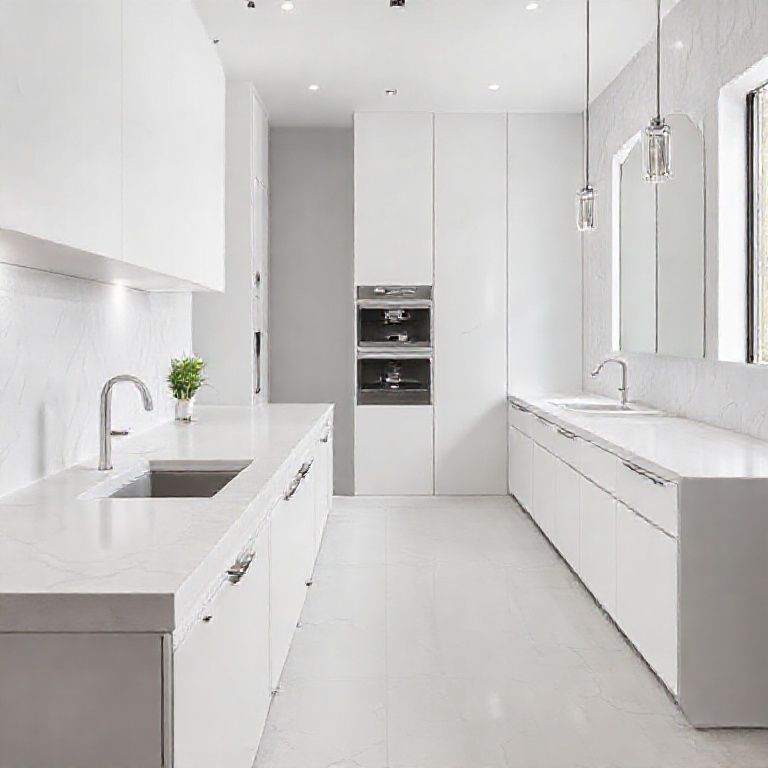
The aesthetic versatility of artificial stone is another of its most compelling attributes. While natural stones offer unique, often unpredictable patterns, engineered quartz allows for unparalleled control over design. Manufacturers can meticulously replicate the look of popular natural stones like marble, granite, and travertine, down to the finest detail of veining and flecking. But they don’t stop there. The ability to precisely control pigment integration opens up a universe of possibilities. Imagine countertops in vibrant hues that would be impossible to find in nature, or surfaces with subtle, shimmering metallic flecks, or even patterns that mimic concrete or wood. This design freedom allows architects, interior designers, and homeowners to achieve precisely the look they envision, without compromise. Whether the goal is a classic, timeless elegance or a bold, contemporary statement, artificial stone can deliver. The uniformity of color and pattern, a stark contrast to the inherent variability of natural stone, also simplifies the planning and installation process, ensuring that a kitchen island or a bathroom vanity can be executed with consistent visual appeal. This control over aesthetics, combined with its superior performance, positions artificial stone as a leading choice for contemporary design and renovation projects.
The journey of artificial stone from a scientific innovation to a staple in modern design is a testament to its adaptability and the vision of its creators. Its applications extend far beyond the familiar territory of kitchen countertops and bathroom vanities, permeating various aspects of our built environment and even venturing into the realm of art. The consistent performance and controllable aesthetics have made it a preferred material for architects and designers seeking both form and function.
In residential settings, the dominance of artificial stone in kitchens and bathrooms is undeniable. Countertops are the most visible application, where their resistance to stains, heat (within reasonable limits), and scratches makes them ideal for food preparation and everyday use. Backsplashes, often the unsung heroes of kitchen design, also benefit from artificial stone’s easy-to-clean nature, protecting walls from grease splatters and spills. Shower surrounds, bathtub decks, and flooring in bathrooms are other areas where its impermeability and resistance to moisture and mildew offer a significant advantage over more porous materials. The seamless integration of artificial stone slabs can create a monolithic, spa-like feel, reducing grout lines and the potential for mold and mildew growth.
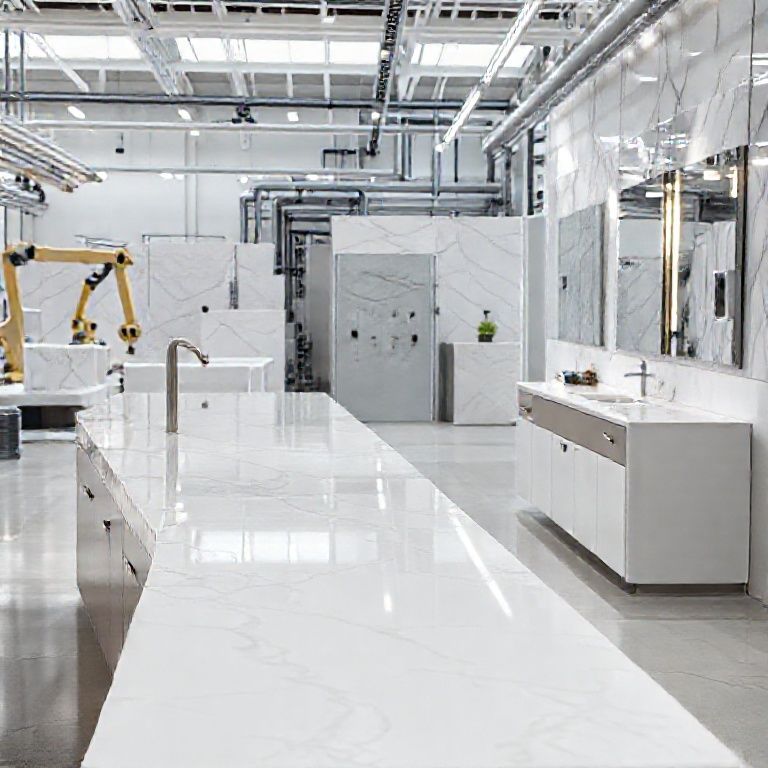
Venturing into commercial and public spaces, the advantages of artificial stone become even more pronounced. High-traffic areas in hotels, restaurants, airports, and retail establishments demand materials that can withstand constant use and frequent cleaning while maintaining a sophisticated appearance. Artificial stone flooring offers a durable and aesthetically pleasing alternative to traditional tiles or carpets. Reception desks and bar tops are prime candidates for engineered quartz, where their ability to resist stains from beverages and food, coupled with their elegant finishes, leaves a lasting positive impression. Wall cladding, both interior and exterior, is another growing application. The ability to create large, seamless panels with precise patterns and colors allows for striking architectural statements, from the facade of a modern office building to the accent walls in a hotel lobby. Its fire-resistant properties, inherent to the quartz and resin composition, also contribute to its suitability in commercial environments where safety regulations are stringent.
The concept of “solid surface” is closely related to artificial stone, though it encompasses a broader category that includes acrylic-based materials in addition to the resin-bound quartz. Solid surfaces, like engineered quartz, are non-porous and can be fabricated into seamless designs. However, solid surfaces are generally softer and more susceptible to scratching than quartz, but they offer a unique advantage: they can be thermoformed into curves and shapes, and minor scratches can often be buffed out, making them ideal for intricate designs, integrated sinks, and areas requiring seamless transitions. This versatility further expands the creative palette available to designers.
Beyond functional applications, artificial stone has found its way into the world of art and sculpture. Its consistent composition and predictable behavior make it an excellent medium for sculptors. Artists can leverage its hardness and ability to be polished to a high sheen to create intricate forms and durable pieces. The ability to introduce pigments and create custom colors allows for artistic expression that is not bound by the natural variations found in marble or granite. Imagine abstract sculptures with vibrant, uniform colors, or meticulously detailed figurative works that showcase the material’s inherent strength and luminous quality. This integration into the art world highlights the material’s transition from a purely utilitarian product to one that inspires creative exploration.
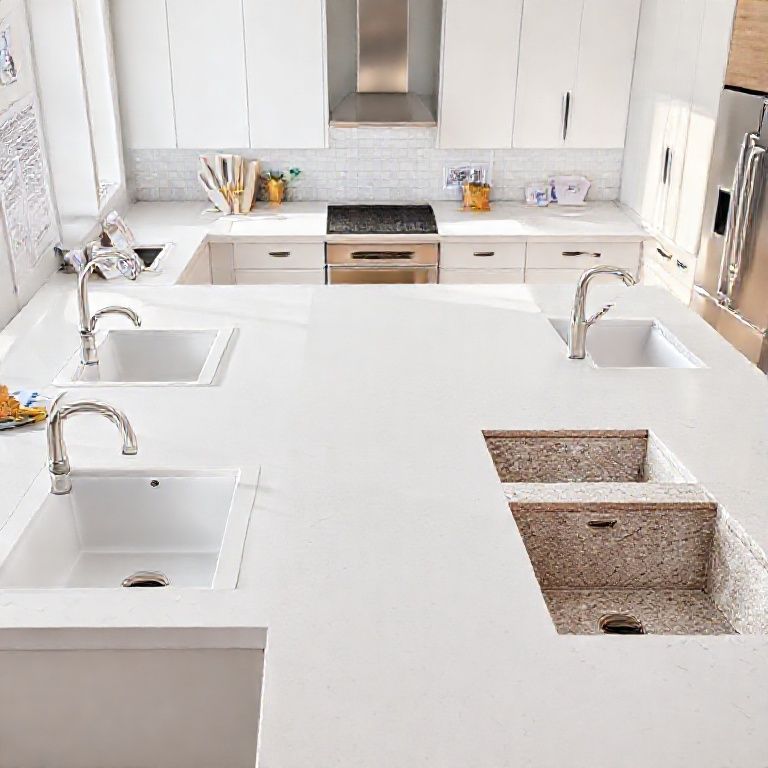
Furthermore, the conversation around sustainability is increasingly relevant to the production and use of artificial stone. While it is an engineered product, the primary component is natural quartz, a readily available mineral. Manufacturers are increasingly focusing on eco-friendly production processes, minimizing waste, and utilizing recycled content in their formulations. The longevity and durability of artificial stone also contribute to sustainability by reducing the need for frequent replacement. When properly cared for, an artificial stone installation can last for decades, minimizing the lifecycle environmental impact compared to materials that require frequent refurbishment or replacement. The development of advanced manufacturing techniques and a growing awareness of environmental responsibility are paving the way for even more sustainable artificial stone options in the future, ensuring that beauty and performance can coexist with a commitment to the planet. The story of artificial stone is one of innovation, performance, and ever-expanding creative potential, a material that truly embodies the modern desire for surfaces that are as beautiful as they are practical.









