
The allure of natural stone – granite’s rugged beauty, marble’s elegant veins, the earthy warmth of travertine – has captivated human imagination for millennia. For centuries, these geological masterpieces have adorned our homes, temples, and monuments, symbolizing permanence, luxury, and the raw power of nature. Yet, the very qualities that make natural stone so desirable also present inherent challenges: cost, consistency, porosity, and the environmental impact of extraction. Enter the realm of artificial stone, a category of materials that masterfully mimics the aesthetic appeal of their natural counterparts while often surpassing them in terms of performance, versatility, and sustainability. Far from being a mere imitation, artificial stone represents a sophisticated evolution in material science, offering designers and homeowners a canvas for creativity unburdened by the limitations of nature’s whims.

The genesis of artificial stone can be traced back to early attempts to replicate the visual appeal of precious materials. However, it was the advancements in polymer chemistry and mineral processing in the late 20th century that truly revolutionized the field. Today, “artificial stone” is a broad umbrella term encompassing a variety of innovative materials, each with its unique composition and manufacturing process. The most prominent among these is perhaps engineered quartz, often referred to as “quartz countertops.” This composite material is created by combining approximately 90-95% ground natural quartz with 5-10% polymer resins and pigments. The quartz provides the inherent hardness and durability, while the resins bind the particles together and allow for consistent color and pattern. This fusion results in a surface that is exceptionally hard, non-porous, and resistant to stains, scratches, and heat – qualities that make it a highly practical choice for busy kitchens and high-traffic areas.
Another significant player in the artificial stone landscape is solid surface, typically composed of acrylic polymers and mineral fillers derived from bauxite ore. Unlike engineered quartz, solid surface materials are non-porous by their very nature and can be thermoformed, allowing for seamless integration and intricate designs. This means sinks can be molded directly into countertops, creating a fluid, hygienic surface with no grout lines or crevices to trap dirt and bacteria. The ability to mend and repair solid surface makes it a remarkably durable and long-lasting option, capable of retaining its aesthetic appeal for years to come.
Beyond these well-established categories, the field of artificial stone continues to expand with innovative materials like sintered stone. This advanced composite is manufactured using a process that mimics natural stone formation, subjecting a blend of natural minerals and clays to extreme heat and pressure. The result is an incredibly dense, hard, and durable slab that is resistant to UV rays, extreme temperatures, and chemical agents. Sintered stone is finding its way into a wider array of applications, from countertops and flooring to cladding for building facades and even furniture.
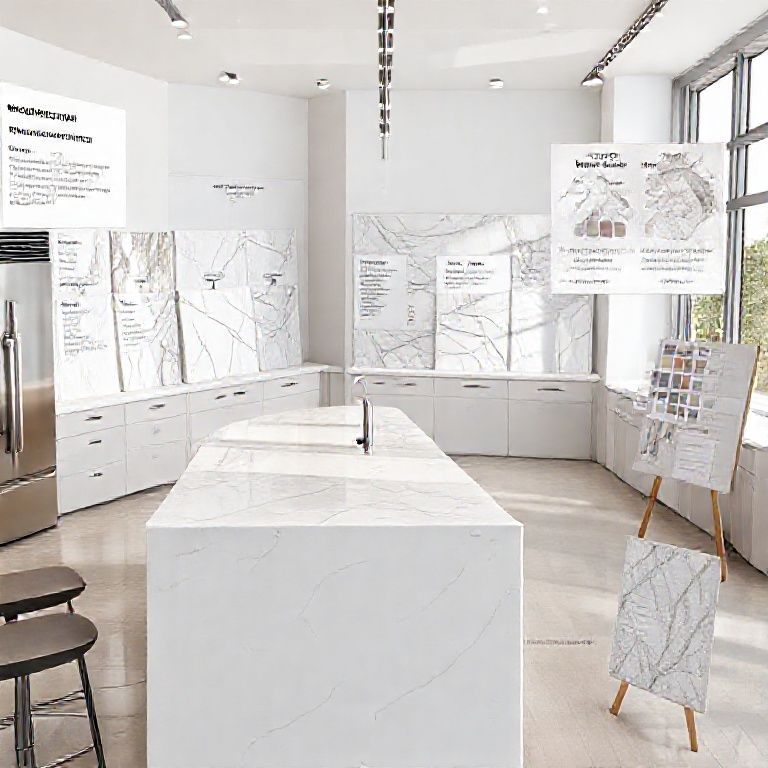
The appeal of artificial stone lies not only in its performance but also in its unparalleled design flexibility. Natural stone, while beautiful, is often limited by its availability and the inherent variations in color, pattern, and veining. This can make it challenging to achieve a consistent look across a large project or to find the exact shade and pattern desired. Artificial stone, on the other hand, offers a spectrum of possibilities. Manufacturers can precisely control the color, pattern, and even the texture, allowing for an astonishing range of aesthetics. Whether you desire the classic elegance of white marble with grey veining, the bold drama of black granite, or a completely custom hue to match a specific design scheme, artificial stone can deliver.
This level of customization extends to the finishes as well. While natural stone is typically polished or honed, artificial stone can be manufactured with a matte, brushed, or even a textured finish, opening up new avenues for tactile and visual exploration. This versatility makes artificial stone an ideal material for a wide array of applications, from kitchen countertops and bathroom vanities to flooring, wall cladding, backsplashes, and even outdoor architectural features. Its consistency and predictability in appearance simplify the design and installation process, ensuring that the final result aligns perfectly with the initial vision.
Furthermore, the manufacturing processes for many artificial stones are increasingly focused on sustainability. The use of recycled materials in engineered quartz and solid surface, along with advancements in energy-efficient production, contribute to a reduced environmental footprint compared to the quarrying and transportation of natural stone. This growing awareness of ecological impact makes artificial stone an attractive choice for environmentally conscious designers and homeowners seeking to balance beauty with responsibility. In essence, artificial stone is not just a substitute for natural stone; it is a testament to human ingenuity, a material that offers a harmonious blend of form, function, and future-forward thinking.
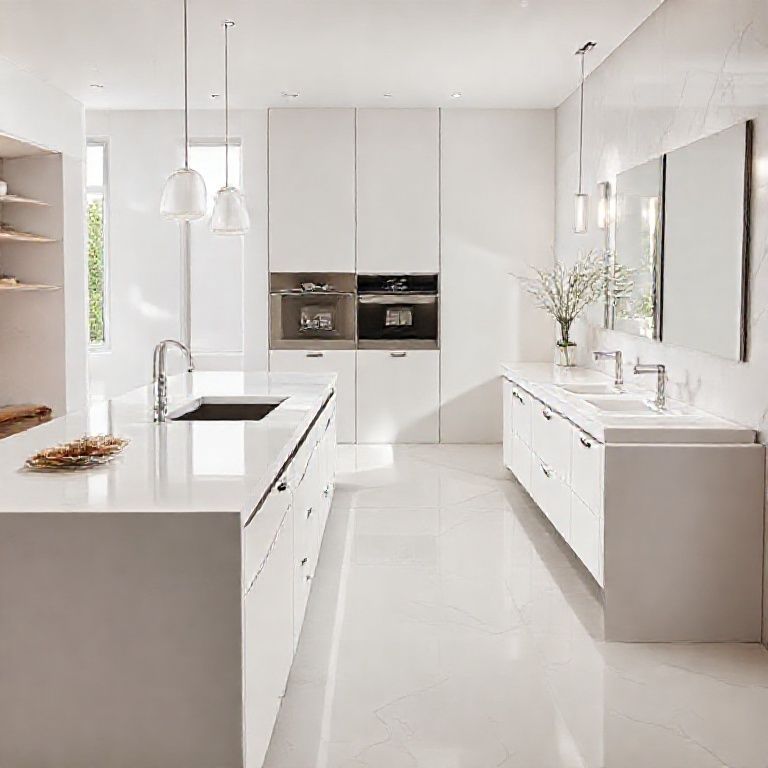
The journey into the world of artificial stone reveals a material that transcends mere mimicry, offering a compelling synthesis of aesthetics, performance, and adaptability. As we delve deeper, it becomes evident that its advantages extend far beyond its visual resemblance to natural stone, providing tangible benefits that shape modern living and design. One of the most significant advantages of artificial stone, particularly engineered quartz, is its inherent durability and low maintenance. Natural stone, while beautiful, can be porous. Granite, for instance, requires regular sealing to prevent staining from spills like wine, coffee, or oil. Marble, with its calcium carbonate composition, is notoriously susceptible to etching from acidic substances like lemon juice or vinegar. Artificial stone, conversely, is engineered to be non-porous. This means spills sit on the surface, allowing for easy cleanup with just soap and water, without the fear of permanent stains or damage.
This non-porous nature also translates to superior hygiene. In kitchens and bathrooms, where cleanliness is paramount, artificial stone offers a significant advantage. Bacteria and mold struggle to find purchase on a seamless, non-porous surface, making it a more sanitary choice for food preparation areas and bathrooms. For solid surface materials, the ability to create integral sinks and coved backsplashes eliminates grout lines – those notorious breeding grounds for germs and grime. This translates to less time spent scrubbing and more time enjoying your living spaces.
The consistency of appearance is another powerful draw. While the unique variations in natural stone are often celebrated, they can also be a source of frustration for designers. Finding enough of a particular slab with the desired veining or color match for a large kitchen can be a challenging and costly endeavor. Artificial stone eliminates this variability. Manufacturers produce slabs with precise color matching and pattern replication, ensuring that every piece installed looks exactly as intended. This predictability simplifies the design process, reduces waste, and guarantees a cohesive and harmonious aesthetic across an entire project, whether it’s a single countertop or a complete renovation.
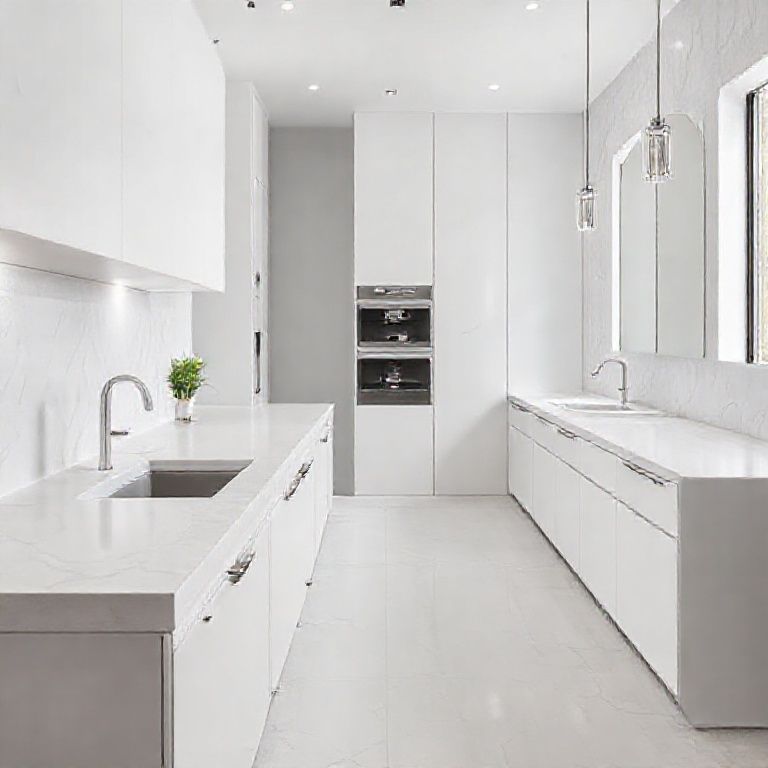
Beyond countertops, the versatility of artificial stone opens up a world of design possibilities. Flooring made from engineered quartz or sintered stone offers exceptional wear resistance and a sophisticated appearance. Imagine the elegance of a marble-look floor that requires no polishing and is impervious to scuffs and spills. Wall cladding is another area where artificial stone shines. Sintered stone, in particular, can be fabricated into thin, lightweight panels that can be installed on interior or exterior walls, offering a luxurious finish that is both durable and weather-resistant. The ability to mimic natural materials like wood, concrete, or even metal adds another layer of creative freedom for architects and interior designers.
The environmental considerations surrounding artificial stone are also becoming increasingly important. While the extraction of natural stone has an undeniable environmental impact, many artificial stone manufacturers are prioritizing sustainability. The use of recycled glass, mirrors, and other post-consumer materials in engineered quartz, for example, diverts waste from landfills. Advancements in manufacturing processes have also led to reduced energy consumption and the use of water-based resins, further minimizing the ecological footprint. This commitment to sustainability makes artificial stone a responsible choice for those who wish to create beautiful spaces without compromising the health of the planet.
The cost-effectiveness of artificial stone is also a significant factor. While high-end natural stones can come with a hefty price tag, many artificial stone options offer a comparable aesthetic at a more accessible price point. When you factor in the reduced maintenance costs over the lifespan of the material – no need for frequent sealing, fewer potential repairs due to stains or etching – artificial stone often represents a more economical choice in the long run. This allows homeowners and developers to achieve a luxurious look and feel without exceeding their budget, making sophisticated design accessible to a wider audience.
In conclusion, artificial stone is a testament to innovation and thoughtful material design. It offers a harmonious balance of beauty and practicality, empowering designers and homeowners to create spaces that are not only visually stunning but also highly functional and enduring. From the enduring elegance of engineered quartz countertops to the avant-garde possibilities of sintered stone facades, artificial stone continues to redefine our expectations of what a building material can be. It is a material that embraces the future, offering a sustainable, durable, and aesthetically versatile solution for the demands of modern living, proving that sometimes, the most impressive creations are those inspired by nature, yet perfected by human ingenuity.









