
The allure of stone has captivated humanity for millennia. From the rugged grandeur of ancient castles to the sophisticated charm of modern homes, natural stone has always been synonymous with permanence, beauty, and a connection to the earth. However, the very qualities that make natural stone so desirable—its inherent variations, weight, and sometimes prohibitive cost—can also present significant challenges in design and construction. Enter artificial stone, a material that masterfully captures the essence of its natural counterpart while offering a host of practical advantages. This isn’t about imitation; it’s about innovation, about harnessing the aesthetic power of stone in a more accessible, versatile, and often more sustainable way.

Artificial stone, also known as manufactured stone veneer, is a composite material designed to mimic the appearance and texture of natural stone. It’s typically made from a blend of Portland cement, aggregates (like lightweight expanded clay or shale), iron oxides for color, and sometimes acrylic polymers for enhanced durability and adhesion. The magic lies in the molding process. Manufacturers create molds from real natural stone, capturing intricate details, subtle color variations, and the unique character of each piece. This allows for an astonishing level of realism, often indistinguishable from natural stone to the untrained eye. The result is a product that offers the visual drama and textural richness of quarried stone without the inherent flaws, inconsistencies, or the heavy environmental and logistical burden.
The installation of artificial stone is a testament to its thoughtful design, prioritizing efficiency and accessibility. Unlike natural stone, which often requires specialized masonry skills, heavy lifting equipment, and extensive structural considerations due to its weight, artificial stone is significantly lighter. This makes it far more manageable for DIY enthusiasts and professional installers alike. The process generally begins with preparing the substrate. Whether it’s an interior accent wall or an exterior facade, the surface must be clean, dry, and structurally sound. For exterior applications, a weather-resistant barrier, such as a drainage mat or a vapor-permeable membrane, is crucial to protect the underlying structure from moisture. Lath, a wire mesh, is then typically applied over the barrier, providing a robust key for the mortar to adhere to.
The mortar itself is a specially formulated blend, often a type S or type N mortar, mixed to a workable consistency. Installers begin by applying a thin “scratch coat” of mortar to the lath, ensuring complete coverage. This initial layer serves as a bonding agent for the subsequent stone application and provides a textured surface for the stones to grip. Once the scratch coat has set slightly, the actual stone installation commences. Each artificial stone piece is carefully selected for its placement, considering its size, shape, and color to create a natural, irregular pattern. A generous amount of mortar is applied to the back of each stone, often referred to as “buttering,” ensuring full coverage for maximum adhesion. The stone is then pressed firmly into the mortar on the wall, with a slight twisting motion to help embed it securely.

The art of “shingling” is critical here – each stone should overlap the one below it and to the side, creating a natural rain screen effect that diverts water away from the wall. Joints between stones are typically kept consistent, mimicking the natural spacing found in stone masonry. The depth of the joints can vary, but a common practice is to fill them with mortar to create a cohesive look. As the installation progresses, excess mortar that squeezes out is meticulously brushed away. Once a section is complete and the mortar has begun to harden, a pointing trowel or a specialized tool is used to shape and finish the joints, adding the final aesthetic touch. This process can involve various joint styles, from a simple, flush finish to a more deeply raked or “struck” joint, further enhancing the natural stone illusion.
The beauty of artificial stone lies not just in its installation ease but also in its versatility. It can be applied to a wide range of surfaces, including concrete block, poured concrete, wood framing (with proper sheathing and lath), and even existing brickwork. This adaptability opens up a world of design possibilities, allowing for the transformation of mundane walls into stunning focal points. Interior applications can range from a dramatic fireplace surround to an evocative accent wall in a living room, bedroom, or even a bathroom. Exterior applications can enhance curb appeal, add character to a home’s facade, or create charming garden walls and landscape features. The consistent quality and availability of artificial stone also mean that large projects can be completed efficiently without the concern of sourcing enough matching natural stone from a specific quarry. The controlled manufacturing process ensures uniformity in color and texture, which can be a significant advantage for achieving a desired aesthetic across a broad area. Furthermore, the lighter weight significantly reduces the load on the building’s structure, often negating the need for additional reinforcement that would be necessary with natural stone. This translates to cost savings and broader architectural freedom. The material is also less prone to cracking or spalling due to freeze-thaw cycles compared to some types of natural stone, offering enhanced durability in various climates.
The comparison between artificial stone and natural materials is a nuanced one, a dance between the authentic and the expertly crafted. Natural stone, in its raw, unadulterated form, possesses an inimitable character. Each slab, each block, tells a story of geological time, of ancient pressures and elemental forces. The unique veining in marble, the rugged texture of granite, the earthy hues of sandstone – these are natural masterpieces, imbued with a sense of history and permanence that is unparalleled. There’s an organic imperfection, a subtle variation in color and pattern from piece to piece, that speaks to its origin. This inherent uniqueness is often the primary draw for those seeking the ultimate in natural luxury and authenticity. The tactile experience of touching a rough-hewn granite or a polished marble surface is profoundly satisfying, connecting us to the earth in a tangible way.
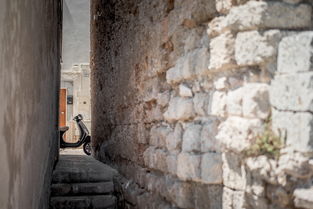
However, this authenticity comes with a price, both literally and figuratively. The extraction of natural stone is an energy-intensive process, often involving heavy machinery and significant transportation costs, leading to a substantial carbon footprint. Moreover, the sheer weight of natural stone requires robust structural support, specialized foundations, and careful handling, all of which contribute to increased labor and material costs during installation. Sourcing sufficient quantities of matching natural stone for a large project can also be a challenge, as quarry availability can be inconsistent, and the aesthetic qualities can vary significantly even within the same geological formation. This variability, while part of its charm, can also lead to unexpected design outcomes and increased waste if pieces don’t meet the desired aesthetic. Furthermore, some natural stones are porous and susceptible to staining, weathering, and damage from freeze-thaw cycles, requiring regular sealing and maintenance to preserve their appearance and integrity.
Artificial stone, on the other hand, emerges as a compelling alternative, offering a sophisticated blend of aesthetics and pragmatism. While it may not carry the same millennia-old geological narrative as its natural counterpart, it masterfully replicates the visual appeal and textural richness. The controlled manufacturing process allows for a consistent and predictable aesthetic, ensuring that the desired look can be achieved across large surfaces with minimal variation. This predictability is invaluable for designers and homeowners who have a specific vision in mind. The color palette and texture options for artificial stone are incredibly diverse, offering a wider range of styles than might be readily available in natural stone, from the subtle elegance of limestone to the dramatic ruggedness of stacked stone or the clean lines of modern concrete-look veneers.
The practical advantages of artificial stone are substantial. Its significantly lighter weight dramatically reduces the structural load on a building, simplifying installation and often eliminating the need for expensive structural reinforcement. This makes it an excellent choice for retrofitting existing structures or for applications where the weight of natural stone would be prohibitive, such as upper floors or cantilevered elements. The installation process is generally faster and less labor-intensive, leading to cost savings. Furthermore, artificial stone is typically manufactured to be less porous and more resistant to staining, weathering, and freeze-thaw damage than many natural stones. This translates to lower maintenance requirements, meaning less time and money spent on sealing, cleaning, and repairs over the life of the installation. The manufacturing process can also be more environmentally conscious, often utilizing recycled materials and reducing the environmental impact associated with quarrying and long-distance transportation.
When it comes to creating a statement wall, both materials have their merits, but artificial stone often offers a more accessible path to achieving a dramatic and refined look. For an interior accent wall, imagine the warmth and texture of a rustic stone fireplace surround. Artificial stone can perfectly capture this, adding a cozy, inviting ambiance without the cost and structural demands of natural fieldstone. Or consider a modern living room, where a sleek, contemporary stone veneer can add a sophisticated textural contrast to smooth plaster or wood finishes. The consistent sizing and modular nature of some artificial stone products can also lend themselves to more precise, geometric designs, offering a modern interpretation of stone cladding.
For exterior applications, artificial stone provides an exceptional way to enhance curb appeal. A home clad in a rich, earthy-toned stone veneer exudes timeless elegance and durability. It can be used to accent entryways, highlight architectural features, or clad entire elevations. The ability to achieve a consistent look across the entire exterior, regardless of the scale of the project, is a significant advantage. Moreover, the increased resistance to weathering means that the beauty of the artificial stone will endure for years to come, requiring minimal upkeep. While natural stone undoubtedly holds a unique and profound appeal, artificial stone offers a compelling fusion of aesthetic beauty, practical performance, and economic viability. It empowers designers and homeowners to realize their stone-clad dreams with greater ease, flexibility, and often, a more sustainable approach. It’s not just a substitute for natural stone; it’s a sophisticated material in its own right, capable of transforming spaces and creating enduring visual impact. The artistry lies in its clever design and the skill with which it’s applied, allowing us to bring the enduring beauty of stone into our lives in new and exciting ways.









