
The allure of natural stone has captivated humankind for millennia. From the majestic marble of ancient temples to the rugged granite of mountain peaks, these geological wonders have adorned our structures and inspired awe. Yet, for all their inherent beauty, natural stones often come with a caveat: a delicate balance between their visual appeal and their practical resilience. Enter the realm of engineered stone, a material born from human ingenuity, designed to not only mimic the elegance of its natural counterparts but to transcend them in terms of performance and versatility. The concept of “人造石性能” – the performance characteristics of artificial stone – is a testament to our relentless pursuit of materials that are both beautiful and supremely functional.

At its core, engineered stone is a composite material, meticulously crafted from a blend of natural mineral fillers, resins, and pigments. The most prevalent form, often referred to as quartz surface, typically comprises upwards of 90% ground quartz, a mineral renowned for its hardness and durability. This high concentration of quartz is then bound together with polymers and infused with color to create a slab that is remarkably uniform in appearance and exceptionally robust in character. This deliberate manufacturing process is the key to its superior performance. Unlike natural stone, which can exhibit variations in density, porosity, and veining that lead to vulnerabilities, engineered stone is precisely formulated to achieve consistent and predictable qualities.
One of the most celebrated aspects of engineered stone performance is its inherent durability. Quartz, the primary ingredient, ranks a 7 on the Mohs scale of hardness, second only to diamond, corundum, and topaz. This means that engineered stone is exceptionally resistant to scratches, chips, and abrasions. Imagine a bustling kitchen, the epicenter of culinary creativity and daily life. Countertops are subjected to the constant onslaught of knives, pots, pans, and the general wear and tear of a well-used space. With engineered stone, the worry of accidental scratches diminishes significantly, allowing for a more carefree and enjoyable experience. This resilience extends to its resistance to impact as well. While not indestructible, the carefully controlled composition and manufacturing process imbue it with a toughness that often surpasses that of many natural stones.
Beyond its physical fortitude, engineered stone boasts an exceptional level of stain resistance. The secret lies in its non-porous nature. Natural stones, particularly granite and marble, often have microscopic pores that can absorb liquids like wine, coffee, oil, and juice, leading to unsightly stains that can be difficult, if not impossible, to remove. Engineered stone, however, is manufactured with a tightly bound molecular structure that does not allow liquids to penetrate. This means spills can be wiped away with ease, maintaining the pristine appearance of the surface for years to come. For homeowners and commercial spaces alike, this characteristic translates into a low-maintenance material that saves time and effort, contributing to a more hygienic environment. Think of restaurants and laboratories where cleanliness is paramount; the non-porous nature of engineered stone makes it an ideal choice for surfaces that demand rigorous sanitation.
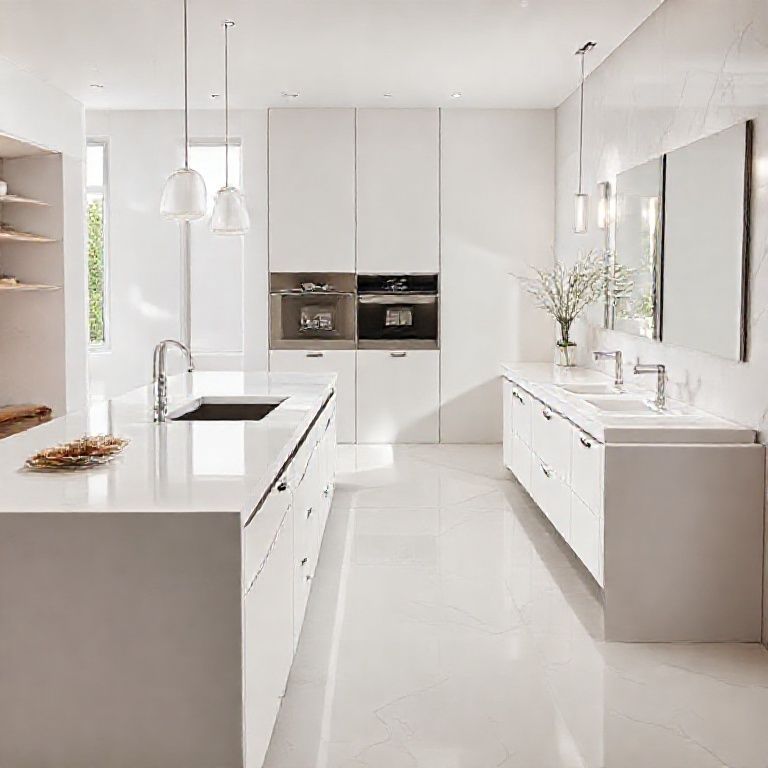
The performance of engineered stone is further amplified by its resistance to heat. While it’s always advisable to use trivets and hot pads to protect any countertop surface, engineered stone generally exhibits a higher tolerance to heat than many other materials. The resins used in its composition are engineered to withstand moderate temperatures without scorching or discoloration. This is a significant advantage in kitchens, where hot pots and pans are frequently placed on surfaces. While extreme and prolonged exposure to intense heat can potentially cause damage, its general resilience makes it a practical and worry-free choice for everyday cooking and entertaining. This capability is a testament to the advanced material science that underpins its creation.
The aesthetic versatility of engineered stone is another powerful facet of its performance. While natural stones are limited by the geological processes that formed them, engineered stone can be manufactured in an almost limitless array of colors, patterns, and finishes. From the subtle elegance of a pure white surface to the dramatic veining of a marble imitation, or the speckled depth of granite, the possibilities are vast. This allows designers and homeowners to achieve precise aesthetic goals, creating spaces that are both unique and harmoniously designed. The ability to replicate the look of exotic natural stones at a potentially more accessible price point, coupled with superior performance, makes engineered stone a truly compelling option. The consistency of color and pattern across different batches also ensures that projects can be completed seamlessly, without the concern of color matching issues that can arise with natural materials. This level of control over the final product is a hallmark of its advanced engineering.
Continuing our exploration of “人造石性能,” it becomes clear that the advantages of engineered stone extend far beyond its initial installation. The long-term performance and the overall value proposition it offers are where its true brilliance shines. The inherent durability and resistance to common household hazards mean that engineered stone surfaces tend to age gracefully, maintaining their beauty and integrity for decades. This longevity translates into a significant economic benefit, reducing the need for premature replacement and the associated costs and environmental impact. When considering the lifespan of a material, engineered stone stands out as a wise investment, offering a reliable and enduring presence in our homes and businesses.
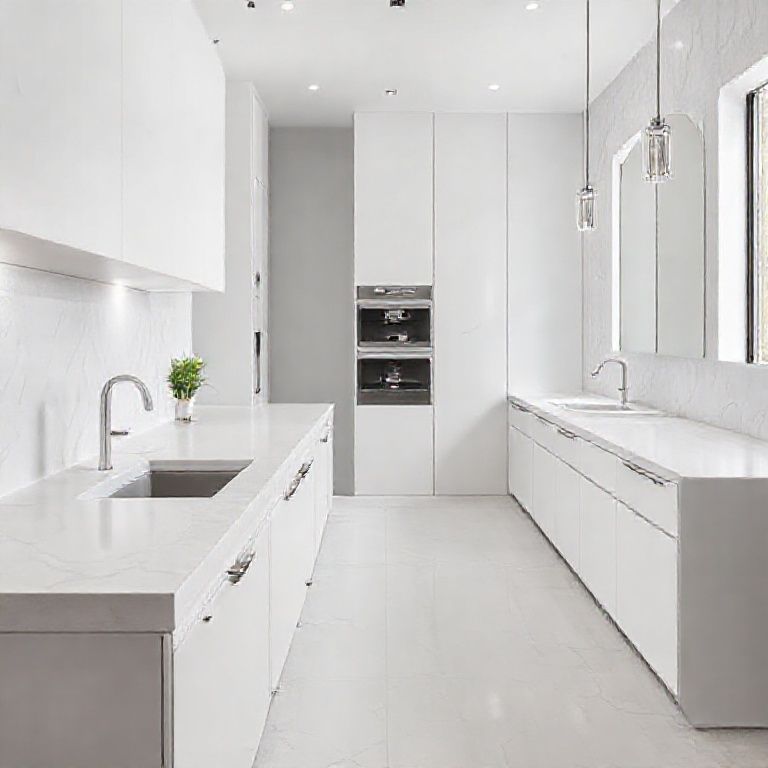
The ease of maintenance, a direct result of its non-porous and stain-resistant properties, is a continuous performance advantage. Unlike natural stones that might require regular sealing to maintain their protective qualities, engineered stone typically requires only simple cleaning with soap and water. This significantly reduces the time and effort homeowners need to dedicate to upkeep, freeing them to enjoy their living spaces rather than constantly worrying about their surfaces. For commercial applications, such as hotels, restaurants, and healthcare facilities, this low-maintenance aspect is invaluable. It contributes to a more efficient operational flow and a consistently appealing environment for clients and staff. The absence of the need for specialized cleaning products or techniques further simplifies its care, making it accessible to everyone.
Furthermore, the consistent quality and predictability of engineered stone offer a distinct performance advantage in terms of design and installation. When ordering slabs, designers can be confident that the material will look and perform as expected. This eliminates the element of surprise that can sometimes accompany natural stone, where variations in color, veining, and thickness can lead to unexpected challenges during fabrication and installation. The uniformity of engineered stone allows for precise cuts and seamless joints, resulting in a polished and professional finish. This predictability is particularly beneficial for large-scale projects or when intricate designs are envisioned. The manufacturing process ensures that each slab meets stringent quality control standards, guaranteeing a high level of performance across the board.
The environmental aspect of engineered stone’s performance is also worth noting. While the extraction and processing of natural stone can have significant environmental impacts, engineered stone production can be managed with a focus on sustainability. Many manufacturers are increasingly incorporating recycled materials, such as glass and mirrors, into their formulations, further enhancing their eco-friendly credentials. The efficient use of resources during the manufacturing process and the longevity of the finished product contribute to a reduced ecological footprint over its lifecycle. This conscious approach to material selection aligns with the growing global demand for sustainable building and interior design solutions.
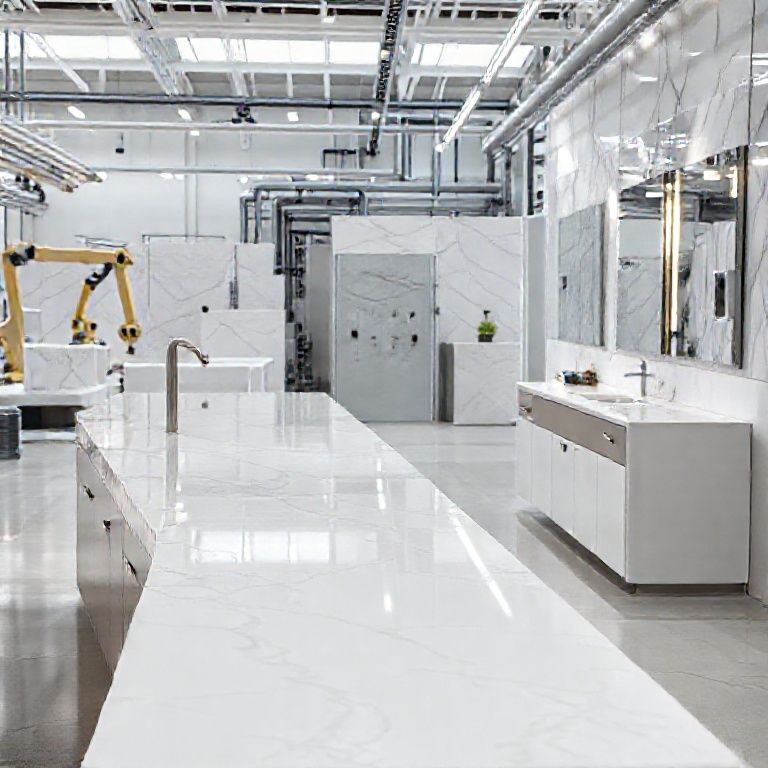
The application spectrum of engineered stone is remarkably broad, a testament to its versatile performance characteristics. While kitchen and bathroom countertops are perhaps its most common domain, its use extends to a multitude of other areas. It’s found in wall cladding, creating durable and aesthetically pleasing interior and exterior finishes. In commercial settings, it serves as flooring, reception desks, bar tops, and even laboratory work surfaces, where its resistance to chemicals and ease of sanitation are critical. The ability to be fabricated into various shapes and sizes, combined with its robust performance, makes it a favored material for custom furniture and architectural elements. From residential kitchens that host family gatherings to bustling commercial spaces that demand resilience, engineered stone consistently delivers on its promise of beauty and brawn.
In conclusion, the “人造石性能” of engineered stone represents a significant advancement in material science and design. It offers a compelling combination of aesthetic appeal, exceptional durability, stain and heat resistance, low maintenance, and environmental considerations. By meticulously controlling the composition and manufacturing process, we have created a material that not only enhances the beauty of our spaces but also performs impeccably under the demands of daily life. Engineered stone is more than just a surface; it is a testament to innovation, a symbol of resilience, and a smart choice for a beautiful and functional future. Its ability to consistently deliver on its promises makes it a truly remarkable material, shaping the way we design and interact with our built environment.









