
The gleam of artificial marble countertops is undeniably a statement of modern elegance and practicality in many homes. Their smooth, non-porous surface and versatile aesthetic make them a popular choice for kitchens and bathrooms alike. However, even the most durable materials can succumb to the rigors of daily life. Scratches, chips, stains, and heat marks can mar their pristine appearance, leaving homeowners wondering if their beloved countertops are destined for a costly replacement. The good news is that artificial marble, often referred to as solid surface or engineered stone, possesses a remarkable capacity for repair. This isn’t a task reserved for seasoned professionals alone; with the right knowledge and a touch of DIY spirit, you can often breathe new life into your countertops, restoring them to their former glory.
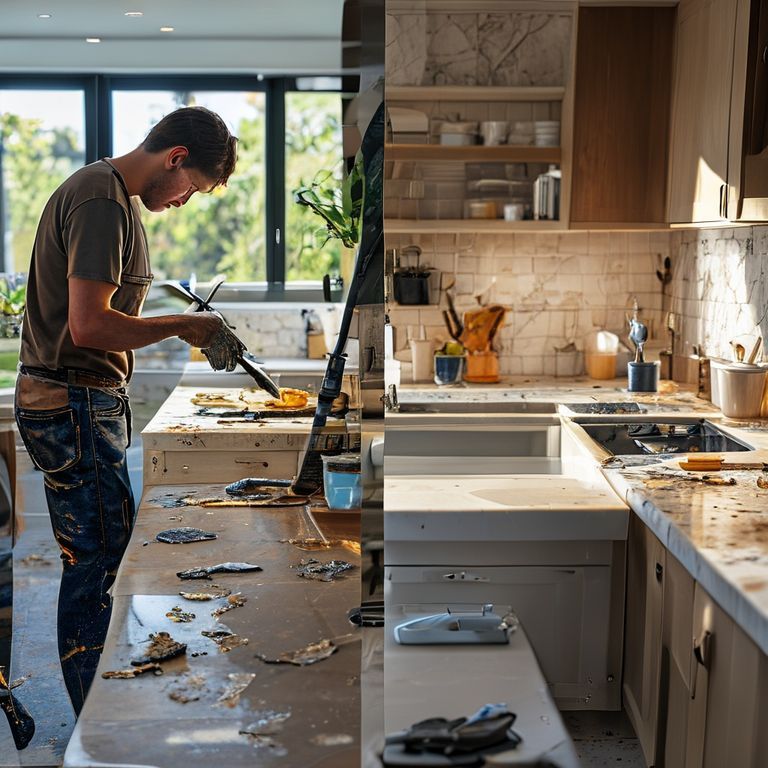
Understanding the nature of artificial marble is key to its successful repair. Unlike natural marble, which is a porous stone susceptible to deep etching and staining, artificial marble is typically composed of acrylic polymers, mineral fillers (like bauxite), and pigments. This composition results in a material that is inherently more resistant to stains and less prone to the deep damage that plagues its natural counterpart. However, its surface can still be scratched, chipped, or dulled by excessive heat or abrasive cleaning. The repair process for artificial marble often involves surface-level work, focusing on smoothing out imperfections and restoring the finish. This is where the magic of restoration truly shines, allowing you to avoid the expense and disruption of a full replacement.
One of the most common adversaries of a beautiful countertop is the dreaded scratch. Whether it’s from a stray knife, the base of a ceramic bowl, or even a wayward key, scratches can be a significant eyesore. The good news is that most superficial scratches on artificial marble can be addressed with a bit of sanding and polishing. The key here is to start with a fine-grit sandpaper, typically around 400-grit, and work your way up to finer grits, such as 800, 1000, and even higher, up to 2000 or 3000-grit. The process involves gently sanding the scratched area, ensuring you blend the sanded area into the surrounding, undamaged surface. It’s crucial to use a wet sanding technique, meaning you’ll need to keep the sandpaper and the countertop surface slightly damp. This not only helps to prevent dust but also reduces the risk of overheating the material and causing further damage. As you progress through the grits, you’ll notice the dullness from sanding gradually disappearing, replaced by an increasingly smooth and lustrous finish. The final step often involves using a polishing compound or a specialized artificial marble polish to bring back the original sheen. For deeper scratches, you might need to start with a coarser grit, but always proceed with caution and gradually move to finer grits to avoid creating more prominent sanding marks. Patience is your best friend in this endeavor; rushing the process can lead to an uneven finish.
Chipped edges and corners are another common lament for artificial marble countertops. These imperfections can occur from accidental impacts, creating unsightly gaps or jagged edges. Repairing these chips often involves using a specialized repair kit designed for solid surface materials. These kits typically contain a color-matched filler or epoxy, along with applicators and sometimes even a curing agent. The first step is to thoroughly clean the chipped area to ensure good adhesion of the filler. Any loose fragments should be carefully removed. Then, the filler is mixed according to the manufacturer’s instructions and carefully applied to the chip. The goal is to overfill the chip slightly, allowing you to sand it down to the level of the countertop once it has cured. This careful application and subsequent sanding are critical to achieving a seamless repair. Again, a progression of fine-grit sandpaper, followed by polishing compounds, will be necessary to blend the repaired area with the surrounding surface. For very minor chips, sometimes a simple acrylic putty can suffice, followed by the same sanding and polishing regimen. The trick is to match the color and sheen as closely as possible. Many manufacturers offer color-matching services or guides, which can be invaluable for achieving an invisible repair.
Heat marks, often appearing as dull white rings or discolored spots, are a consequence of placing hot pots or pans directly onto the countertop. While artificial marble is more heat-resistant than some other materials, prolonged exposure to high temperatures can cause surface damage. Repairing heat marks usually involves a similar sanding and polishing process as dealing with scratches. The dullness is often a result of the top layer of the material being slightly altered or melted by the heat. By gently sanding away the damaged layer with progressively finer grits of sandpaper, you can often reveal the pristine surface underneath. It’s important to start with a relatively fine grit to avoid aggressive removal of material. The key is to remove only the damaged layer and then meticulously polish the area back to its original shine. In cases of more severe heat damage where the material might have warped or discolored significantly, professional intervention might be a more prudent option. However, for most common heat marks, a careful DIY approach can yield impressive results.
Stains can also be a concern, although artificial marble’s non-porous nature makes it generally stain-resistant. However, certain substances, if left to sit for extended periods, can still leave their mark. For most common stains, a gentle cleaner, such as mild dish soap and water, is often sufficient. For more stubborn stains, a non-abrasive cleaner specifically designed for solid surfaces or a paste made from baking soda and water can be effective. Apply the paste, let it sit for a while, and then gently scrub and rinse. For very persistent stains, some manufacturers recommend a diluted bleach solution, but this should be used with extreme caution and only on approved colors, as bleach can sometimes alter the color of certain artificial marble formulations. Always test any cleaning solution in an inconspicuous area first to ensure it doesn’t damage the surface. The principle of repair here is to lift the stain without abrading the surface, preserving the integrity of the countertop.
The confidence to tackle these repairs often stems from understanding that artificial marble is a homogeneous material. Unlike laminate, where a decorative layer can peel or wear away, artificial marble is the same material all the way through. This means that sanding away the top layer to fix a scratch or imperfection doesn’t expose a different, less durable material underneath. It simply reveals more of the same resilient material, which can then be polished to match the surrounding surface. This inherent characteristic is what makes artificial marble such a forgiving and repairable option, extending its lifespan and keeping your kitchen looking beautiful for years to come. The ability to mend rather than replace is not only economically sound but also environmentally responsible, reducing waste and the demand for new materials.
Continuing our exploration into the world of artificial marble countertop restoration, we delve deeper into advanced repair techniques and the crucial aspect of ongoing maintenance. While the initial fixes for scratches, chips, and heat marks are often within the reach of a determined DIY enthusiast, understanding when to call in the professionals and how to prevent future damage are equally important components of preserving the beauty and longevity of your countertops. The narrative of restoration isn’t just about fixing what’s broken; it’s also about cultivating a relationship of care and foresight with your surfaces.
For more significant damage, such as larger chips, cracks, or even areas where the material has delaminated, a more involved approach might be necessary. These situations often require specialized adhesives and fillers that are specifically formulated for solid surface materials. The process typically begins with meticulous preparation of the damaged area. This might involve grinding away any rough edges or loose material, ensuring a clean and stable surface for the repair. If there’s a crack, it might need to be V-grooved to allow for deeper penetration of the adhesive or filler. The adhesive or filler, often a two-part epoxy or acrylic resin, is then carefully mixed and applied. The goal is to fill the void completely, ensuring it adheres strongly to the surrounding material. Excess material is then allowed to cure fully before it’s carefully sanded and polished, mirroring the techniques used for smaller repairs, but with a greater emphasis on achieving a smooth, seamless transition. In cases of delamination, where layers of the artificial marble have separated, the adhesive needs to be carefully injected between the layers, and then pressure applied to bond them back together, followed by the usual sanding and finishing. These more complex repairs often benefit from the precision and experience of a professional fabricator or repair specialist who has the right tools and a keen eye for color and finish matching.
Color matching is, arguably, the most critical and often the most challenging aspect of any artificial marble repair. While many artificial marble countertops have a consistent, solid color, many also feature subtle veining, speckles, or intricate patterns designed to mimic natural stone. Replicating these nuances perfectly can be an art form. Most DIY repair kits come with a range of pigments that can be mixed to achieve a close match. However, for truly seamless results, especially on patterned surfaces, professional color matching is often the best route. Specialists use sophisticated color-matching systems and can custom-tint fillers to precisely match the unique hue and pattern of your countertop. If you’re attempting a DIY repair on a patterned surface, take the time to study the pattern in good light. Look for the base color, as well as any secondary colors and their proportions. You may need to apply the filler in thin layers, building up the color and pattern gradually. Don’t be afraid to experiment with small amounts of pigment in a separate container until you achieve a satisfactory match before applying it to the actual repair.
Beyond direct repair, preventative maintenance is the cornerstone of keeping artificial marble countertops looking their best. Regular cleaning with a soft cloth or sponge and a mild, non-abrasive detergent is paramount. Avoid abrasive cleaners, steel wool, or scouring pads, as these can dull the surface and create micro-scratches that accumulate over time, making the countertop appear worn. Wiping up spills immediately, especially acidic substances like lemon juice or vinegar, and brightly colored liquids like wine or coffee, will prevent potential staining. A cutting board should always be used for food preparation; knives should never be used directly on the countertop surface. Similarly, trivets or heat pads are essential for protecting the countertop from hot pots, pans, and baking sheets. The thermal shock from a hot object can cause discoloration or even cracking, particularly if the material is already stressed.
Another aspect of maintenance involves maintaining the sheen of your countertops. Over time, even with diligent cleaning, the surface can lose some of its original luster. This is where polishing compounds come into play. Many manufacturers offer their own brand of polish for artificial marble, which can be used periodically to restore the shine. These polishes often contain a very mild abrasive that gently buffs the surface, removing a minuscule layer of the top finish and revealing a fresh, lustrous sheen. Applying the polish with a soft cloth in a circular motion, and then buffing with a clean, dry cloth, can significantly enhance the appearance of your countertops. For a truly deep restorative polish, some professionals use rotary polishers with specialized pads, but for regular maintenance, hand application is usually sufficient.
Understanding the warranty associated with your artificial marble countertops is also a wise preventative measure. Many manufacturers offer warranties that cover defects in materials and workmanship, and sometimes even accidental damage, for a specified period. Familiarizing yourself with the terms and conditions of your warranty can inform you about what is covered and what might void the warranty, such as using improper cleaning agents or attempting unauthorized repairs. If a significant issue arises that falls within the warranty period, contacting the manufacturer or the installer is the first step.
Ultimately, the decision to repair artificial marble countertops yourself or to hire a professional hinges on several factors: the severity of the damage, the complexity of the repair, your comfort level with DIY projects, and the desired outcome. For minor scratches and chips, a confident DIY approach can be very rewarding and cost-effective. The process of sanding, polishing, and meticulously blending the repaired area can be a deeply satisfying experience. However, for more substantial damage, or for those who desire a factory-perfect finish, especially on patterned surfaces, engaging a professional fabricator or repair specialist is often the most prudent choice. They possess the specialized tools, materials, and expertise to ensure a flawless repair that is virtually indistinguishable from the original surface.
The journey of restoring artificial marble countertops is a testament to the material’s inherent resilience and the homeowner’s capacity for care and renewal. It’s about more than just aesthetics; it’s about extending the life of a valuable fixture in your home, reducing waste, and taking pride in a well-maintained living space. By understanding the material, employing the right techniques, and committing to regular maintenance, you can ensure your artificial marble countertops remain a stunning and functional centerpiece for years to come, a silent testament to the art of restoration. The videos you mentioned, “人工大理石台面可以修补吗视频讲解” (Video explanation on whether artificial marble countertops can be repaired), perfectly encapsulate this empowering idea. They serve as invaluable visual guides, demystifying the repair process and inspiring confidence in homeowners to undertake these transformations themselves, proving that with the right approach, a little elbow grease, and a touch of patience, even seemingly significant damage can be overcome, leaving your countertops looking as beautiful as the day they were installed.









