
The gleam of artificial marble countertops can elevate any kitchen or bathroom, lending an air of sophistication and luxury. Their non-porous surface, durability, and wide range of aesthetic options make them a popular choice for homeowners. However, even the most resilient materials can bear the marks of time and daily use. Scratches, chips, stains, and dullness can detract from their initial beauty, leading many to wonder if their beloved countertops can be salvaged or if a costly replacement is the only way forward. The good news is that, in most cases, artificial marble countertops are indeed repairable, offering a cost-effective and environmentally friendly alternative to complete replacement.
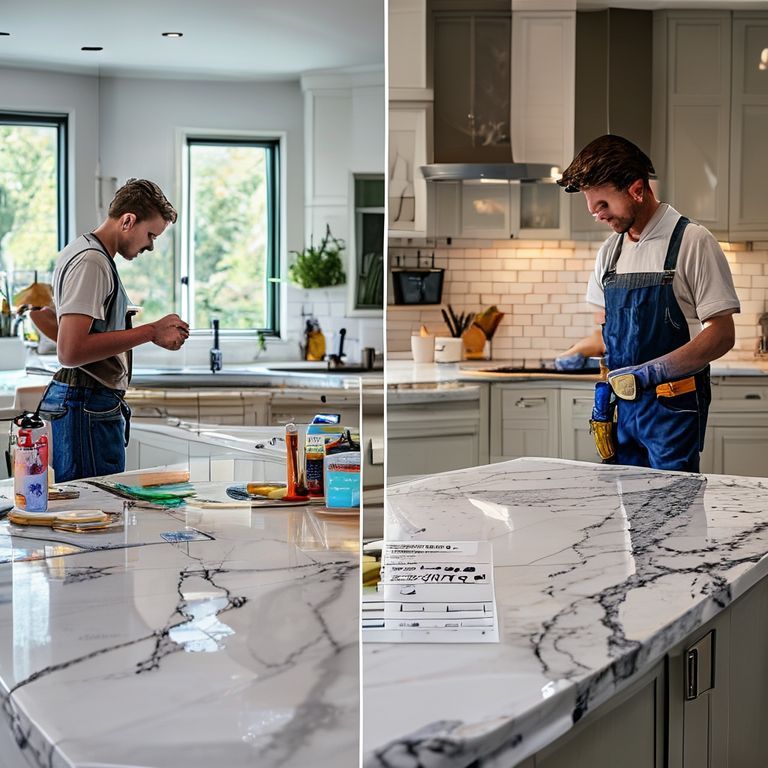
Understanding the nature of artificial marble is key to appreciating its repairability. Unlike natural marble, which is a porous stone, artificial marble (also known as engineered stone or quartz surfaces) is manufactured from a composite material, typically comprising about 90-95% ground natural quartz or other minerals, bound together with polymer resins and pigments. This composition gives it exceptional strength, resistance to stains and scratches, and a uniform appearance. However, it’s precisely these resins that can be susceptible to certain types of damage. Heat can cause discoloration or delamination, while abrasive cleaners or sharp objects can lead to scratches. Impact can result in chips or cracks, particularly at edges and corners.
The first step in considering repair is to accurately assess the damage. Are we talking about a minor surface scratch that merely dulls the shine, a more significant gouge that affects the texture, a chip that has taken a piece out of the edge, or a deeper crack that compromises the structural integrity? The severity and type of damage will dictate the appropriate repair method and, consequently, the cost.
For superficial scratches, the solution often involves a process of polishing. Many homeowners might be tempted to try DIY solutions, and for very minor scuffs, a gentle polishing compound designed for engineered surfaces, used with a soft cloth, can sometimes bring back the shine. However, it’s crucial to use products specifically formulated for artificial marble. Using household cleaners or abrasive pads can exacerbate the problem, leading to further dulling or even creating more scratches. If the scratch is slightly deeper, a more aggressive polishing compound or even a light sanding with very fine-grit sandpaper (again, specifically for stone surfaces and used with extreme caution and water) might be considered, but this is where the risk of damage increases significantly for the untrained individual. The key is to remove the minimal amount of material necessary to level the surface and restore the shine. This is often a process of buffing, gradually working through finer and finer grits of abrasive until the original sheen is achieved. It’s akin to a car detailing process, but for your countertops. The goal is to blend the repaired area seamlessly with the surrounding surface.
Chips are a more common and often more visible form of damage. These can occur from dropping heavy objects or from the edge of the countertop meeting a hard surface with significant force. For small chips, a specialized epoxy resin filler, often tinted to match the countertop color, can be used. The process involves carefully cleaning the chipped area, applying the epoxy into the void, and then leveling it flush with the surface. Once the epoxy cures, it can be sanded and polished to match the surrounding finish. This requires a steady hand and an eye for detail to ensure the repair is not noticeable. For larger chips or more complex damage, professional intervention is usually recommended. They possess the tools and expertise to achieve a near-invisible repair, often involving custom color matching and specialized application techniques. The epoxy needs to bond well with the artificial marble, and achieving a smooth, durable finish that mimics the original texture is the ultimate aim.
Stains can be a nuisance, especially on lighter-colored countertops. While artificial marble is generally resistant to staining, certain substances like red wine, coffee, or oil, if left unattended for extended periods, can sometimes penetrate the surface layer of resin. Unlike natural stone, it’s less about drawing out a stain and more about surface cleaning and, if necessary, a very light abrasive polish to remove the discoloration. For persistent stains, a paste made of baking soda and water, applied and left to sit for a few hours, can sometimes lift the stain. However, aggressive scrubbing should be avoided. If these methods fail, a professional may be able to use specialized cleaning agents or a very light surface refinishing. The porous nature of the resin binder means that some absorption is possible, but it’s far less than natural stone, making most common household spills manageable with prompt attention.
Dullness or loss of shine is another issue that can arise over time due to the accumulation of soap scum, hard water deposits, or the abrasive action of cleaning products. This is where polishing and sealing come into play. Polishing compounds, as mentioned for scratches, can restore the luster. After cleaning and polishing, applying a specialized sealant designed for engineered stone can help protect the surface and maintain its shine for longer. This sealant creates a barrier that repels liquids and prevents future staining and dulling. Regular maintenance, including using gentle, pH-neutral cleaners and drying the countertops after use, can significantly prolong their beauty and reduce the need for repairs. It’s about maintaining that showroom finish through consistent, gentle care.
When considering the cost of repair, it’s important to understand that it’s generally a fraction of the cost of replacement. A full countertop replacement can easily run into thousands of dollars, depending on the material, fabrication, and installation. Repair costs, on the other hand, can range from under a hundred dollars for minor DIY fixes or simple professional polishing to several hundred dollars for more complex chip or crack repairs. The price per square foot for repair is not typically quoted in the same way as for new installations. Instead, repairs are usually priced based on the extent of the damage, the time involved, and the materials used. A small chip repair might be a flat fee, while a larger area requiring extensive work would be priced accordingly. When inquiring about repair costs, it’s best to provide clear details and possibly photos of the damage to get an accurate estimate. Professional countertop repair services often offer free consultations and quotes, allowing you to make an informed decision.
Moving beyond the assessment and initial cosmetic fixes, let’s delve deeper into the more involved repair scenarios and the professional expertise that can restore your artificial marble countertops to their former glory. When damage extends beyond superficial scratches or small chips, it often requires specialized techniques and tools that are best left to the professionals. These experts have a deep understanding of the materials and the chemistry involved in making seamless repairs.
For deeper gouges or more significant damage that affects the structural integrity, a multi-stage repair process is often employed. This might involve filling the damaged area with a high-strength, color-matched epoxy or resin. The key here is not just filling the void but ensuring that the filler bonds chemically with the existing countertop material, creating a durable and long-lasting repair. The color matching is a critical step. Professionals will have a palette of pigments they can mix to precisely match the hue and pattern of your artificial marble, ensuring that the repaired area blends in flawlessly. This often involves a meticulous process of trial and error, observing the color under different lighting conditions to achieve the most natural look.
Once the filler has cured, the surface is then meticulously leveled and smoothed. This involves a series of sanding steps, starting with coarser grits to remove excess material and progressively moving to finer grits to achieve a smooth finish. This is where the skill of the technician truly shines. They must ensure that the repaired area is perfectly flush with the surrounding countertop, with no discernible lip or unevenness. Following sanding, the area is then polished to restore its original shine and luster. This often involves using specialized polishing machines with diamond pads or polishing compounds that are tailored for engineered stone. The goal is to make the repair virtually invisible, so that you can’t tell where the damage once was.
Cracks, especially those that run through the thickness of the countertop, present a more challenging repair. These can occur due to thermal shock (sudden temperature changes) or significant impact. Repairing a crack often involves injecting a specialized epoxy resin into the crack itself. This resin is designed to penetrate deep into the fissure, bonding the two sides of the crack together and reinforcing the area. The injection process often requires specialized equipment, such as low-pressure injection systems, to ensure the resin fills the entire crack without spreading it further. Similar to chip repairs, the injected material is then leveled, sanded, and polished to blend with the surrounding surface. While crack repairs can be very effective in preventing further damage and restoring structural integrity, they may still be somewhat visible depending on the width and depth of the crack and the skill of the technician. However, a well-executed crack repair can significantly extend the life of your countertops.
The cost of these more involved repairs can vary significantly. For a deeper gouge that requires extensive filling and blending, you might expect to pay anywhere from $200 to $600 or more, depending on the size and complexity. Crack repairs can also fall into a similar price range, potentially higher if the crack is long or intricate. It’s important to remember that these prices are per incident, not per square foot. The “per square foot” pricing model is more relevant for new installations or full resurfacing projects. When seeking quotes for repairs, be specific about the nature of the damage. Providing detailed descriptions and clear photographs can help repair services give you a more accurate estimate over the phone or via email.
Furthermore, consider the factors that influence the overall cost. The type of artificial marble is a factor; some patterns and colors are easier to match than others. The location of the damage also plays a role; edge repairs might be more labor-intensive than surface repairs. The reputation and experience of the repair service are also worth considering. While it might be tempting to opt for the cheapest quote, investing in a reputable professional can ensure a higher quality repair that lasts. Many companies that specialize in countertop fabrication also offer repair services, leveraging their expertise and equipment.
Beyond direct repair, proactive maintenance and preventative measures can significantly reduce the need for costly interventions. Regular cleaning with mild, pH-neutral detergents is paramount. Avoid abrasive cleaners, scouring pads, and harsh chemicals like bleach or oven cleaners, as these can damage the resin binder and dull the surface. Use cutting boards for all food preparation to prevent scratches. Be mindful of heat; always use trivets or hot pads under hot pots and pans. Thermal shock can cause stress fractures. Wiping up spills immediately, especially acidic substances like wine or citrus juice, will prevent staining. For tougher spots, a gentle paste of baking soda and water can be effective.
Sealing artificial marble countertops, while not as critical as with natural stone, can still offer added protection. Many manufacturers recommend periodic sealing, perhaps once or twice a year, with a specialized sealant for engineered stone. This creates an additional barrier against stains and helps maintain the surface’s luster. It’s a relatively inexpensive and straightforward process that can prevent future headaches.
Ultimately, the question of whether artificial marble countertops can be repaired and at what cost yields a resounding yes. The repairability of these surfaces is one of their many advantages. While minor issues can often be addressed with DIY efforts, more substantial damage, such as deep chips, cracks, or extensive scratching, benefits greatly from professional intervention. The cost of repair is a wise investment compared to the expense of replacement, offering a sustainable and economical way to preserve the beauty and functionality of your kitchen or bathroom for years to come. By understanding the nature of the damage and seeking appropriate solutions, you can confidently bring your artificial marble countertops back to life, ensuring they remain a stunning focal point in your home.









