
The gleam of artificial marble countertops is undeniable. They offer a sophisticated and durable surface that can elevate any kitchen or bathroom. However, even the most resilient materials aren’t immune to the everyday wear and tear of life. A dropped pan, a stray knife slip, or the relentless passage of time can leave their mark, manifesting as unsightly scratches, chips, or a general dullness that saps their original luster. The good news? These imperfections don’t signal the end of your countertop’s life. With the right approach, you can breathe new life into your artificial marble, restoring its beauty and functionality. This isn’t about a quick fix; it’s about understanding the material and employing techniques that truly revive its surface.
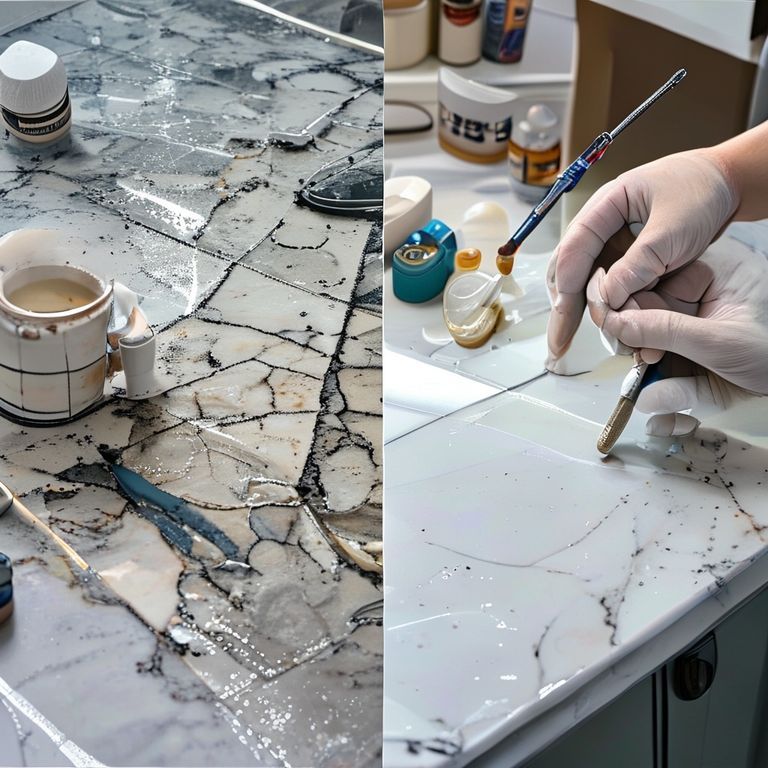
The journey to repairing artificial marble begins with a thorough understanding of what you’re dealing with. Artificial marble, often referred to as engineered stone or quartz surfaces, is a composite material made from ground natural stone (typically quartz), polymers, and pigments. This composition gives it remarkable strength and resistance to stains and scratches, but it also means the repair methods differ from those used for natural marble. The resin binders are key here; they are what give the material its non-porous quality and also dictate how it can be repaired. Unlike natural stone, which can be polished to a high sheen through mechanical abrasion, artificial marble often relies on a combination of filling and surface treatment.
Before diving into any repair, a meticulous assessment of the damage is paramount. Are we talking about a superficial scratch that has barely grazed the surface, or a deeper gouge that has penetrated the protective resin layer? Is it a small chip at the edge, or a more significant impact mark? The severity and type of damage will dictate the most effective repair strategy. For minor scuffs and scratches, often a good cleaning and the application of a specialized cleaner or polish designed for engineered stone can work wonders. These products are formulated to gently remove surface blemishes and restore a uniform sheen without abrading the material too aggressively. Think of it as a deep cleanse for your countertops, buffing away the minor indignities of daily use.
When scratches are a bit more stubborn, you might need to step up your game. For very fine scratches, a non-abrasive polishing compound specifically designed for quartz or engineered stone can be employed. These compounds contain very fine abrasives that can gently buff out the scratch, blending it into the surrounding surface. It’s crucial to use products specifically formulated for artificial marble, as harsh abrasives found in general-purpose cleaners can actually create more micro-scratches, leading to a hazy appearance. Always test any cleaning or polishing product in an inconspicuous area first to ensure it doesn’t discolor or damage the material. The technique here involves applying a small amount of the compound to a soft, lint-free cloth and rubbing it gently over the scratch in a circular motion. You’ll want to work patiently, gradually increasing the pressure if needed, but always mindful of the material’s integrity.
For deeper scratches that have gone beyond the surface sheen, the repair becomes a bit more involved. This is where you might consider using a specialized filler or epoxy. These products are designed to fill the void left by the scratch and, once cured, can be sanded and polished to match the surrounding surface. The key to a successful repair with fillers is to achieve a seamless blend. This often involves carefully selecting a color-matched filler – some kits come with a range of pigments that can be mixed to achieve the perfect hue. Applying the filler requires a steady hand and precision. You’ll want to fill the scratch completely, ensuring there are no air bubbles trapped within. Excess filler should be carefully removed before it fully cures, typically with a solvent recommended by the manufacturer.
Chip repair is another common issue that artificial marble countertops face. A small chip can feel like a glaring imperfection, detracting from the overall aesthetic. For minor chips, a specialized epoxy filler designed for stone surfaces is often the go-to solution. Similar to scratch repair, the goal is to meticulously fill the void with a material that, once hardened, can be sanded and polished to match the original surface. The process usually involves cleaning the chipped area thoroughly, then carefully applying the epoxy. Some epoxies are clear, while others can be tinted to match the countertop. For a truly invisible repair, especially on patterned surfaces, tinting the epoxy is often necessary. This might require a bit of artistic flair and experimentation to get the color just right.
The application of the epoxy requires patience and precision. You want to fill the chip without creating a raised blob on the surface. A small spatula or putty knife is usually used for this. Once the epoxy has cured, which can take several hours or even overnight depending on the product, the real work begins: sanding and polishing. This is where the magic happens, transforming the filled area from a noticeable repair into an integrated part of the countertop.
Sanding the filled area is a delicate operation. You’ll typically start with a very fine-grit sandpaper, perhaps 400 or 600 grit, and work your way up to much finer grits, like 1000, 2000, or even higher, often using wet sanding techniques. The goal is to gently abrade the cured epoxy and the surrounding surface until they are perfectly flush. This gradual progression through finer grits ensures a smooth transition and prevents the creation of new scratches. It’s about meticulously removing the excess material without disturbing the integrity of the surrounding artificial marble.
Following the sanding process, the repaired area will likely appear dull. This is where the polishing stage comes in, bringing back that beautiful sheen. A polishing compound, specifically designed for engineered stone or quartz, is applied to a soft cloth and used to buff the repaired area. This is an iterative process; you’ll apply the compound, buff until a sheen appears, and then repeat as needed until the repaired section is indistinguishable from the original surface. It’s a testament to the fact that with care and the right materials, even significant damage can be effectively mended, restoring the elegance and appeal of your artificial marble countertops.
Beyond the immediate fixes for scratches and chips, maintaining the long-term beauty of your artificial marble countertops is an ongoing endeavor. The surfaces we interact with daily are bound to gather dust, absorb spills, and generally lose their initial vibrancy over time. For artificial marble, this often translates to a dulling of the surface, a loss of that characteristic gleam that makes it so attractive. This is where restoration techniques and proper sealing become not just about fixing damage, but about proactive care.
One of the most common issues that arises with artificial marble, much like many other countertop materials, is a loss of shine. This can be due to a buildup of residue from cleaning products, mineral deposits from hard water, or simply the natural wear and tear of daily use. If your countertops have lost their luster, but aren’t visibly scratched or chipped, a professional-grade polish or a specialized cleaner designed for engineered stone can work wonders. These products are formulated to remove dulling films and restore a high-gloss finish without causing damage. The process typically involves applying the cleaner or polish with a soft cloth, working it into the surface, and then buffing it to a shine. It’s a bit like giving your countertops a spa day, rejuvenating their surface and bringing back that inherent radiance.
For more stubborn dullness or light surface scratches that have accumulated over time, a process akin to refinishing might be considered. While not as drastic as resurfacing a natural stone countertop, this can involve using very fine abrasive pads or compounds to gently abrade the top layer of the artificial marble. The key here, as always with engineered stone, is to avoid aggressive mechanical action that could damage the resin binder. This is a technique that, if not done correctly, can lead to a hazy or uneven finish. Therefore, it’s often best left to professionals who have the expertise and specialized equipment to achieve a uniform and glossy result. They can assess the exact level of abrasion needed and employ techniques that ensure the resin remains intact and the surface is restored to its intended sheen.
When considering the overall health and longevity of your artificial marble, sealing is a crucial, though often misunderstood, aspect. Many people believe that because artificial marble is non-porous, it doesn’t need sealing. While it’s true that it’s far less susceptible to staining than natural stone, a good quality sealant can offer an extra layer of protection. Sealants for artificial marble are typically acrylic-based or silicone-based and are designed to enhance the surface’s resistance to stains, scratches, and even UV fading. They work by creating a thin, protective barrier on the surface, making it even easier to clean and less prone to developing that dull film over time.
The application of a sealant is a relatively straightforward process that can be done at home. First, ensure the countertops are thoroughly cleaned and completely dry. Any residual moisture can prevent the sealant from bonding properly. Then, apply a thin, even coat of the sealant using a clean, lint-free cloth or a specialized applicator. Work in small sections, overlapping your strokes slightly to ensure complete coverage. Allow the sealant to penetrate for the time recommended by the manufacturer, which can range from a few minutes to several hours. Once it has had time to cure, buff the surface with a clean, dry cloth to remove any excess and reveal a refreshed, protected finish. This regular sealing, perhaps once or twice a year depending on usage, can significantly extend the lifespan and maintain the aesthetic appeal of your artificial marble.
For those who are looking for a more significant transformation or have damage that DIY methods can’t address, professional repair services are invaluable. Professional fabricators and repair specialists have access to advanced tools, specialized resins, and a deep understanding of different artificial marble formulations. They can tackle complex issues like large chips, deep cracks, or extensive surface damage with a level of precision that is difficult to achieve at home. They can also perform full resurfacing, which essentially involves grinding down the top layer of the artificial marble to remove all imperfections and then re-polishing it to a factory-fresh finish. This is a more intensive process but can effectively bring severely damaged countertops back from the brink.
The decision between DIY and professional repair often comes down to the severity of the damage, your confidence in handling tools and materials, and your budget. For minor scratches and chips, a well-chosen DIY kit can be remarkably effective and cost-efficient. However, for more significant issues, or if you’re aiming for a truly flawless finish, investing in professional expertise is often the wisest choice. Professionals can offer guarantees on their work, providing peace of mind that the repair will be durable and aesthetically pleasing.
Ultimately, the repair and restoration of artificial marble countertops is an art as much as a science. It requires patience, the right materials, and a willingness to learn. By understanding the nature of artificial marble and employing appropriate techniques, you can not only fix damage but also enhance the enduring beauty of your countertops. From the subtle art of buffing out a scratch to the more involved process of professional restoration, the goal remains the same: to ensure your kitchen or bathroom surfaces remain a source of pride and beauty for years to come, reflecting the care and attention you give them. The subtle sheen, the smooth texture – these are the hallmarks of well-maintained artificial marble, and with the right approach, they are achievable, no matter the challenges life throws at your surfaces.









