
The allure of artificial marble lies in its captivating blend of aesthetic grace and practical resilience. It graces our kitchens with elegant countertops, our bathrooms with sophisticated vanities, and our living spaces with chic decorative elements. However, even the most robust materials can bear the marks of time and daily use. A careless chop, a dropped pot, or the inevitable wear and tear can leave behind unsightly chips, scratches, or even cracks, threatening to mar the flawless beauty of your cherished surfaces. The good news is, the story doesn’t have to end there. The art of revival is within your reach, offering a path to restoring your artificial marble to its former glory.
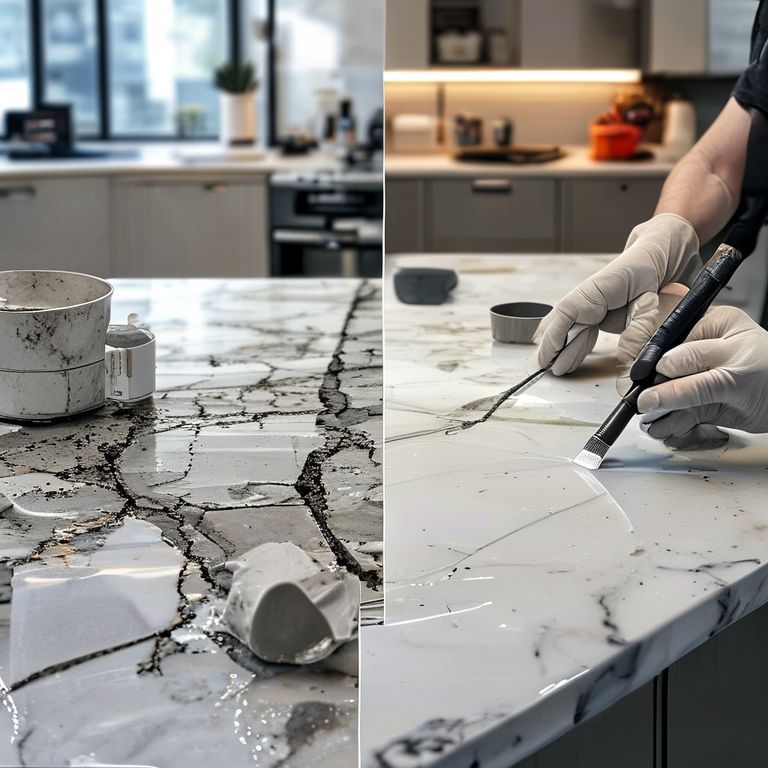
Understanding Your Adversary: The Nature of Artificial Marble Damage
Before embarking on the repair journey, it’s vital to understand the nature of the damage and the material itself. Artificial marble, often referred to as solid surface or engineered stone, is typically composed of mineral fillers, acrylic resins, and pigments. This composition lends it durability and a non-porous surface, which is fantastic for hygiene and stain resistance. However, the acrylic resin component, while offering flexibility, can be susceptible to certain types of damage.
Scratches are perhaps the most common ailment. These can range from light surface abrasions that dull the sheen to deeper gouges that penetrate the protective layer. The severity of the scratch will dictate the repair approach. Minor scratches might be buffed out, while deeper ones will require filling.
Chips and Nicks occur when a small piece of the material breaks away, often at edges or corners. These can create sharp, unsightly defects that are not only visually unappealing but can also snag fabrics or cause minor injuries.
Cracks, while less frequent, are a more serious concern. They can compromise the structural integrity of the surface and, if left unaddressed, can spread. Cracks can arise from impact, thermal stress (though artificial marble is generally more resistant to this than natural stone), or even faulty installation.
Stains, though artificial marble is non-porous, can still occur if certain substances are left to sit for extended periods, especially on older or less well-maintained surfaces. While often removable with gentle cleaning, stubborn stains might require more specialized attention.
The DIY Toolkit: Empowering Your Inner Restorer
For many common issues, a confident DIY approach can yield remarkable results. The key is to have the right tools and materials at your disposal, and to approach the task with patience and precision.
For minor scratches and dullness, a good quality polishing compound designed for solid surfaces is your best friend. These compounds contain fine abrasives that gently abrade the surface, removing the damaged layer and revealing a fresh, unblemished surface underneath. Start with a less aggressive compound and gradually move to a finer grit if needed. Always work in small, circular motions, and clean the area thoroughly between applications to assess your progress. Microfiber cloths are excellent for this as they are non-abrasive and effective at buffing.
For small chips and nicks, the magic lies in specialized repair kits. These kits typically contain a color-matched acrylic resin filler, a hardener, and sometimes applicators. The process involves mixing the resin and hardener according to the manufacturer’s instructions, then carefully applying the mixture to the damaged area. The goal is to overfill slightly, allowing you to sand it down to the level of the surrounding surface once it has cured. Precision is paramount here. Use a fine-tipped applicator to control the amount of filler applied, and work in a well-ventilated area. Masking tape can be your ally in protecting the surrounding pristine areas from accidental filler application.
For deeper scratches or more significant chips, you might need a more robust filler. Some advanced repair kits offer two-part epoxy or acrylic fillers that, when properly mixed and applied, create a very strong and durable bond. The sanding and buffing process after these fillers cure is crucial to achieving a seamless blend with the original surface. Invest in a range of sandpaper grits, starting from around 220 grit for initial shaping and progressing to much finer grits like 800, 1000, and even 2000 grit for a smooth, polished finish.
When it comes to color matching, this is where true artistry comes into play. Many repair kits offer a range of base colors that can be mixed to achieve a near-perfect match for your artificial marble. Take your time with this step. Test small mixes on a scrap piece of material or an inconspicuous area. Remember that the color of the filler can change slightly as it cures. Natural daylight is your best bet for accurate color assessment.
The process of repairing scratches often involves a multi-stage sanding approach. After applying filler and allowing it to cure, you’ll begin with a coarser grit sandpaper to level the repaired area with the surrounding surface. This is followed by progressively finer grits to smooth out the sanding marks. Each stage of sanding removes the scratches left by the previous, coarser grit. The final stages involve very fine grit wet sanding, which helps to achieve a smooth, almost glass-like finish. Water acts as a lubricant, preventing the sandpaper from clogging and creating a smoother result.
Buffing is the final touch. Once the area is sanded to a sufficiently fine grit, a buffing compound, often a liquid or paste, is applied. Using a clean microfiber cloth or a specialized buffing pad on a low-speed polisher, work the compound into the surface. This process will restore the shine and blend the repaired area seamlessly with the original material. It’s a bit like polishing a car; the more you buff, the more the surface gleams.
One of the most common mistakes DIYers make is rushing the curing process. Acrylic resins and epoxies need time to harden fully. Impatience here can lead to a weak repair that may fail prematurely. Always adhere strictly to the recommended curing times provided by the repair kit manufacturer. It’s better to wait an extra few hours than to have to redo the repair.
The environment in which you are working also plays a role. Ensure the area is clean, dry, and well-lit. Dust and debris can compromise the adhesion of fillers and polishing compounds. Good ventilation is also important, especially when working with resins and solvents.
Finally, always read and understand the instructions that come with your repair kit. Different formulations have different application methods and curing times. What works for one type of artificial marble or one repair product might not be suitable for another. This diligence will save you time, frustration, and potentially the cost of rectifying a botched repair.
While the allure of a DIY fix is strong, there are instances where the damage to your artificial marble transcends the capabilities of a home repair kit, or where the stakes are simply too high to risk a misstep. In these scenarios, calling in the cavalry – the professional restoration specialists – is not an admission of defeat, but rather a wise investment in preserving the beauty and integrity of your surfaces.
When to Call in the Pros: Recognizing the Limits of DIY
Certain types of damage are inherently more complex and require specialized knowledge, equipment, and materials that are typically beyond the reach of the average homeowner.
Deep Gouges and Large Chips: While small chips can be managed with kits, significant divots or deep gouges that remove substantial material can be challenging to fill and blend seamlessly. Professionals have access to a wider range of fillers and color-matching systems, and the expertise to apply them in a way that is virtually undetectable.
Extensive Cracking: Cracks that run deep, are numerous, or extend across large areas can compromise the structural integrity of the artificial marble. Attempting to fill these yourself might provide a cosmetic fix, but it won’t necessarily address the underlying issue or prevent further spreading. Professionals can assess the extent of the damage and employ techniques like injection of specialized resins to stabilize and repair these cracks effectively.
Thermal Shock Damage: While artificial marble is generally resistant, extreme and rapid temperature changes can sometimes lead to hairline cracks or delamination. Repairing these subtle but potentially damaging issues requires a nuanced understanding of the material’s thermal properties and specialized treatment methods.
Color Mismatch Catastrophes: Even with the best intentions, achieving a perfect color match can be incredibly difficult. If your artificial marble has a complex pattern or unique veining, a DIY attempt at color matching can result in a noticeable patch that looks worse than the original damage. Professional restorers have extensive experience and advanced color-matching technologies to ensure a flawless integration.
Large-Scale Restoration Projects: If you’re dealing with multiple damaged areas across a large surface, or if an entire countertop or vanity shows significant wear and tear, a professional approach is far more efficient and effective. They can undertake a comprehensive restoration, bringing the entire surface back to its original splendor.
The Professional Arsenal: Tools and Techniques of the Trade
Professional artificial marble restorers employ a sophisticated array of tools and techniques. Their approach is often multi-layered, focusing not just on filling damage but on restoring the overall finish and ensuring long-term durability.
Precision Grinding and Polishing: Professionals often use industrial-grade grinders and polishers equipped with diamond-impregnated pads. These tools allow for precise removal of damaged material and a very high level of finish, achieving a smoothness and sheen that is difficult to replicate with manual methods. They can expertly feather the edges of repairs, ensuring a smooth transition from the repaired area to the surrounding material.
Advanced Filler Technologies: Beyond standard acrylic resins, professionals have access to specialized fillers, including methacrylate-based compounds. These are known for their superior strength, durability, and ability to accept color and polish exceptionally well. They can also work with a wider spectrum of pigments and tinting systems to achieve the most accurate color matches.
Structural Reinforcement: For significant cracks, professionals may employ techniques like routing out the crack and embedding a reinforcing rod or a specialized mesh before filling. This provides underlying structural support, preventing the crack from reappearing.
UV Curing Technology: Some professional repair processes utilize UV light to rapidly cure certain types of fillers and coatings. This speeds up the repair process and ensures a very hard, durable finish.
Specialized Cleaning and Surface Preparation: Before any repair work begins, professionals meticulously clean and prepare the surface. This might involve using specific solvents or etching agents to ensure optimal adhesion of repair materials. They understand how different cleaning agents interact with artificial marble and can safely remove any contaminants without causing further damage.
The Art of Blending: Achieving the Invisible Repair
The true mark of a master restorer is their ability to make the repair virtually invisible. This involves a combination of precise color matching, skillful application of fillers, and meticulous sanding and polishing. They understand how light reflects off surfaces and how to manipulate textures and sheens to create a harmonious finish.
They will often employ a technique known as “feathering,” where the edges of the repair material are gradually thinned out to blend seamlessly with the surrounding surface. This eliminates any hard lines or abrupt transitions. The final polishing stages are critical, bringing the entire repaired area to the same level of gloss and clarity as the original material.
The Cost-Benefit Analysis: Investing in Longevity
While professional repair may seem like a significant upfront cost, it’s important to consider the long-term benefits. A professionally repaired artificial marble surface is not only aesthetically pleasing but also structurally sound. This can prevent more costly issues down the line, such as the need for complete replacement.
Furthermore, a successful restoration extends the lifespan of your surfaces, delaying the need for renovations and preserving the value of your home. It’s an investment in the continued beauty and functionality of your living space.
The Takeaway: Embracing the Cycle of Restoration
Artificial marble, with its inherent beauty and practicality, deserves to be cherished. The occasional blemish or imperfection is not the end of its story, but rather an invitation to engage in the art of restoration. Whether you choose to roll up your sleeves and tackle minor repairs yourself, or entrust more complex challenges to the skilled hands of professionals, the ability to repair and revive your artificial marble surfaces ensures that their elegance can endure for years to come. It’s a testament to thoughtful maintenance and the enduring power of skilled craftsmanship to breathe new life into the materials that grace our homes.









