
The gleam of artificial marble can instantly elevate the aesthetic of any space, lending an air of sophistication and timeless elegance. From countertops and vanities to flooring and decorative accents, its versatility and beauty have made it a popular choice for homeowners and designers alike. However, even the most durable materials can succumb to wear and tear, and a sudden crack can feel like a heart-stopping moment. The immediate thought might be a costly replacement, a disruption to your living space, and the loss of a beloved feature. But what if there was a way to mend these imperfections, to make the damage virtually disappear, restoring your artificial marble to its former glory? This is where the art of “人造大理石裂开修补无痕” – seamless repair of cracked artificial marble – comes into play.
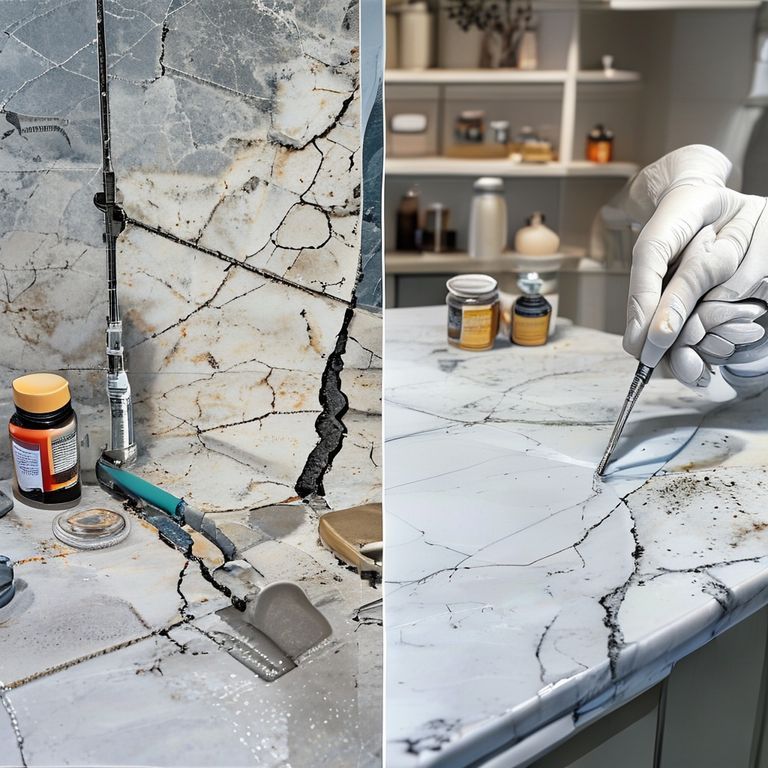
This concept isn’t just about filling a void; it’s about a meticulous process of restoration that aims for invisibility. It’s about understanding the material, the nature of the damage, and employing techniques that blend seamlessly with the original surface. Unlike natural stone, artificial marble, also known as engineered stone or composite stone, is a man-made product, typically composed of quartz crystals or marble chips bound together with resin and pigments. This composition, while offering excellent durability and a consistent appearance, also dictates specific repair methodologies. The goal is to achieve a repair that is not only structurally sound but also visually indistinguishable from the surrounding material. This means matching color, texture, and sheen with uncanny accuracy.
The journey to a seamless repair begins with a thorough assessment of the crack. Is it a hairline fracture, a surface-level chip, or a deeper, more extensive fissure? The depth, width, and length of the damage will significantly influence the repair approach. Hairline cracks, though often less structurally compromising, can be unsightly and may allow moisture or dirt to penetrate, potentially causing further issues. Deeper cracks, on the other hand, pose a greater risk to the integrity of the surface and require more robust filling and bonding solutions. Understanding the cause of the crack is also beneficial. Was it due to impact, thermal shock, improper installation, or gradual wear and tear? Identifying the root cause can help prevent future occurrences and inform the best repair strategy.
For minor surface imperfections, such as small chips or shallow scratches, a less invasive approach might be sufficient. This often involves using specialized fillers and polishes. The filler, typically a resin-based compound, needs to be carefully selected to match the color and translucency of the artificial marble. The process usually involves cleaning the damaged area meticulously to remove any dust or debris, followed by the application of the filler. This is where precision is key. The filler is often applied with a fine spatula or a syringe, ensuring it fills the void without overflowing onto the surrounding surface. Once applied, it needs to cure properly, which might involve a specific drying time or even the use of UV light for faster curing, depending on the product. After curing, the excess filler is carefully ground down and polished to match the existing sheen of the artificial marble. This multi-stage polishing process, using progressively finer grits, is critical for achieving that seamless blend.
When dealing with more significant cracks, the process becomes more involved. Deeper fissures may require a more substantial filler that can provide structural integrity. In some cases, a two-part epoxy resin system is employed. These systems offer superior strength and adhesion. The crack might first need to be meticulously cleaned and then slightly widened or V-grooved, especially at the surface, to allow the filler to penetrate and bond effectively. Color matching becomes even more paramount here, as any discrepancy will be more noticeable. Advanced techniques might involve mixing pigments into the clear resin to precisely replicate the veining and color variations inherent in the artificial marble. Patience is a virtue in this stage, allowing the resin to fully cure before proceeding to the sanding and polishing stages. The goal is to create a surface that is not only smooth to the touch but also visually merges with the original material.
The choice between DIY repair and professional intervention often hinges on the severity of the damage, the homeowner’s confidence with repair work, and the desired outcome. For those with a steady hand and a keen eye for detail, smaller repairs can be a rewarding DIY project. Numerous repair kits are available on the market, offering a comprehensive set of tools and materials for common issues. However, it’s important to approach these kits with realistic expectations. Achieving a truly “无痕” (seamless) result, especially on intricate patterns or highly polished surfaces, often requires a level of skill and experience that comes with professional training.
Professional stone restoration specialists possess the expertise, specialized tools, and a deep understanding of various materials, including artificial marble. They have access to a wider range of high-quality fillers, advanced color-matching systems, and industrial-grade polishing equipment. For larger cracks, chips that have resulted in missing pieces, or damage on high-traffic or highly visible surfaces, professional help is often the most reliable path to a truly undetectable repair. Their knowledge extends to understanding how different resins interact with artificial marble, ensuring not only a cosmetic fix but also a long-lasting, durable repair that won’t degrade over time. They can also advise on preventative measures to protect your artificial marble surfaces from future damage, ensuring their beauty is preserved for years to come. The essence of “人造大理石裂开修补无痕” lies in this careful balance of material science, artistic precision, and dedicated craftsmanship, transforming potential disaster into a testament to enduring beauty.
Continuing our exploration into the art of “人造大理石裂开修补无痕” – the seamless repair of cracked artificial marble – we delve deeper into the nuances that distinguish a good repair from a truly invisible one. While the initial assessment and the choice of filler are crucial first steps, the subsequent stages of the repair process are where meticulous attention to detail truly shines. The aim is to not just fill a gap, but to reintegrate the repaired area so flawlessly that it becomes part of the original fabric of the surface.
Once the filler has been applied and has fully cured according to the manufacturer’s instructions, the real work of achieving that seamless finish begins. This typically involves a multi-stage process of abrasion, followed by polishing. The initial abrasion phase is about leveling the repaired area with the surrounding surface. This is usually done with abrasive pads or sandpaper, starting with a coarser grit and progressively moving to finer grits. It’s essential to be methodical here, working in consistent patterns and ensuring that no high spots or unevenness remain. The goal is to achieve a perfectly flat surface where the filler meets the original artificial marble. Over-grinding can be just as detrimental as under-grinding, potentially creating a dull patch or an even more noticeable depression. Therefore, gentle and controlled pressure is key.
Following the leveling and initial abrasion, the focus shifts to restoring the surface sheen. Artificial marble surfaces are often finished to a high gloss, and a repair that leaves a matte or semi-gloss patch will immediately betray the intervention. This is where specialized polishing compounds and pads come into play. These compounds contain very fine abrasive particles that gradually refine the surface, removing the microscopic scratches left by the coarser abrasives and bringing out the natural luster of the material. The polishing process usually starts with a medium-grade compound and pad, followed by progressively finer compounds. It’s a gradual build-up of shine, much like polishing a car or buffing metal.
For truly seamless results, particularly on surfaces with complex veining or subtle color variations, a skilled technician might employ advanced color-matching techniques. This can involve using a spectrum of pigments – both opaque and translucent – to precisely replicate the nuances of the artificial marble. This is a highly artistic endeavor, requiring a keen understanding of color theory and how different pigments interact with light and the resin binder. The goal isn’t just to match the base color, but to recreate the depth and character of the original material. This might involve layering colors, applying subtle strokes to mimic veining, or even using special effect pigments to capture the sparkle or depth of certain artificial marble types. The cured filler, now meticulously colored, is then blended into the surrounding material.
The importance of the environment in which the repair is conducted cannot be overstated. Dust and debris are the sworn enemies of a seamless repair. A clean, well-lit workspace is paramount. For professional repairs, this might involve using dust extraction systems during the grinding and polishing stages to minimize airborne particles. For DIYers, thorough cleaning of the surrounding area and ensuring no drafts are blowing dust onto the wet filler or polished surface is crucial. Even a tiny speck of dust trapped in the polishing compound can create a scratch that undermines the entire effort.
When considering whether to attempt a repair yourself or call in the professionals, it’s worth reflecting on the type of artificial marble and its finish. Some artificial marble products have a very uniform, solid color, which can be more forgiving for DIY repairs. Others feature intricate patterns, marbling effects, or a highly reflective, mirror-like finish. These more complex surfaces demand a higher level of skill and specialized tools to achieve a truly seamless repair. The risk of making the damage more noticeable or even creating new imperfections is significantly higher with these materials if one lacks experience.
Furthermore, the longevity of the repair is a key consideration. A poorly executed repair might look acceptable initially but could fail over time. The filler might shrink, crack, discolor, or detach from the surface. A professional repair, using high-quality materials and employing proper techniques, is designed to be durable and long-lasting, blending seamlessly and maintaining its integrity for years to come. They understand the properties of artificial marble and how to ensure the repair integrates with the material rather than just sitting on top of it.
Ultimately, the pursuit of “人造大理石裂开修补无痕” is about more than just fixing a crack; it’s about preserving the aesthetic appeal and value of your home. It’s about understanding that even seemingly irreparable damage can often be addressed with the right knowledge, tools, and a commitment to excellence. Whether you choose to embark on a DIY journey for minor blemishes or entrust a professional for more significant challenges, the reward is the same: the return of your artificial marble surfaces to their original, flawless beauty, a testament to the power of meticulous restoration and the art of making imperfections disappear. It’s about investing in the longevity and elegance of your living space, ensuring that those beautiful surfaces continue to bring joy and sophistication for years to come.









