
In the realm of interior design and architectural fabrication, the pursuit of seamless, elegant, and highly functional surfaces has always been a driving force. For decades, designers and manufacturers have sought materials and methods that offer both aesthetic appeal and practical longevity. Enter Corian solid surface, a material that has redefined possibilities, and the sophisticated machinery that brings its full potential to life: the Corian solid surface thermoforming machine. These machines are not merely tools; they are enablers of creativity, transforming a malleable sheet of solid surface into sculpted forms that were once confined to the imagination.

The very essence of “Corian solid surface thermoforming” lies in its ability to heat and shape the material. Corian, a composite material developed by DuPont, is composed of acrylic polymer and alumina trihydrate (ATH). This unique composition grants it a remarkable set of properties: it’s non-porous, meaning it resists stains and inhibits the growth of mold and mildew, making it exceptionally hygienic. It’s also durable, repairable, and can be seamlessly joined, eliminating unsightly grout lines. However, it’s the thermoforming capability that truly elevates Corian, allowing it to transcend the limitations of flat panels.
A Corian solid surface thermoforming machine, often referred to as a vacuum forming machine in this context, works on a fundamental principle. The Corian sheet is carefully heated to a specific, malleable temperature. This is a critical stage, as overheating can damage the material, while insufficient heat will prevent it from forming properly. Precision is key, and high-quality machines employ sophisticated heating elements, often using infrared or convection, to ensure uniform heat distribution across the entire sheet. Some advanced systems even utilize multiple heating zones to accommodate different sheet thicknesses or complex shapes.
Once the Corian reaches its optimal pliability, it is quickly transferred to a mold. This mold, which can be made from various materials such as MDF, aluminum, or even specialized composites, dictates the final shape of the product. The magic happens when a vacuum is applied. The machine creates a powerful vacuum underneath the heated Corian sheet, which is positioned directly above the mold. This vacuum pulls the pliable Corian material down onto and into every contour of the mold, forcing it to conform precisely to the desired form. The vacuum pressure needs to be carefully controlled to achieve the intended depth and detail without creating thin spots or distortions in the material.
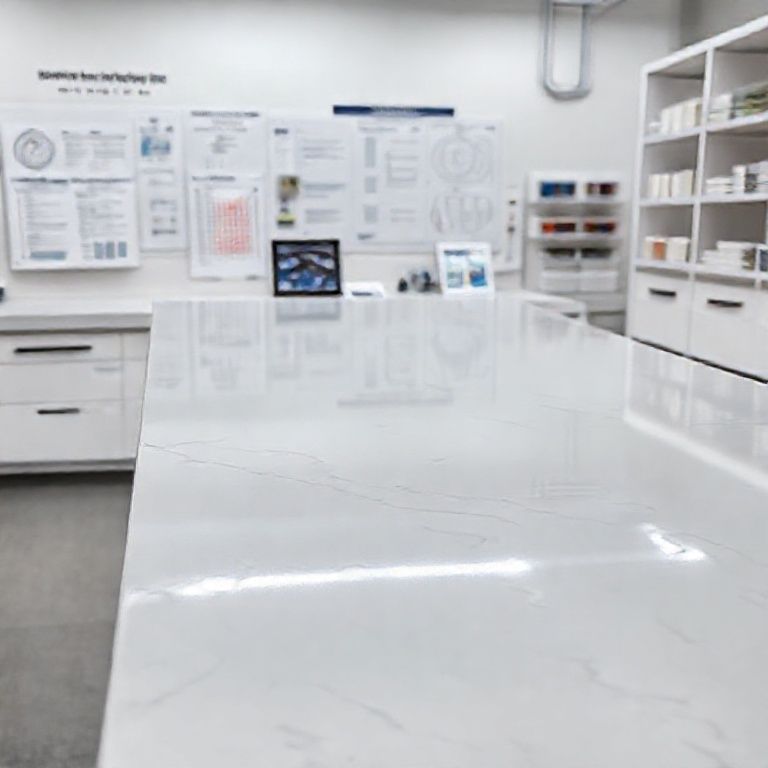
The cooling process is as important as the heating and forming. As the Corian cools and solidifies, it retains the shape of the mold. Many thermoforming machines incorporate cooling systems, such as fans or even water circulation, to expedite this process, allowing for quicker cycle times and increased production efficiency. Once cooled, the formed Corian piece is removed from the mold, often requiring minimal finishing work due to the precision of the vacuum forming process.
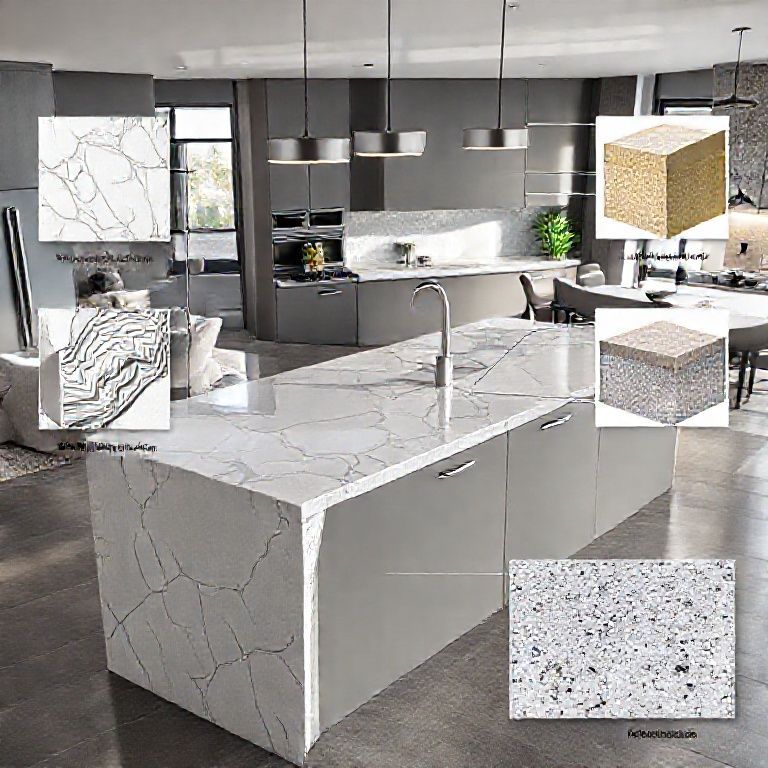
The applications of Corian thermoforming are vast and continue to expand. In residential settings, it’s most commonly seen in kitchens and bathrooms. Think of elegantly curved countertops that seamlessly integrate with sinks, creating a truly hygienic and aesthetically pleasing workspace. Waterfall edge countertops, where the material flows down the sides of an island or cabinet, are another popular application made possible by thermoforming. In bathrooms, custom-shaped shower pans, vanity tops with integrated basins, and even decorative wall panels are crafted with ease.
Beyond these familiar areas, the capabilities extend to more complex architectural elements. Corian can be thermoformed into intricate, three-dimensional wall cladding that adds depth and visual interest to any space. It can be shaped into custom reception desks for commercial lobbies, creating a welcoming and sophisticated first impression. In the hospitality sector, bespoke bar tops, hotel room vanity units, and unique furniture components can be fabricated, offering designers unparalleled freedom.
The healthcare industry also benefits immensely from Corian’s thermoforming capabilities, primarily due to its non-porous and inherently hygienic nature. Seamless sinks and countertops in laboratories, operating rooms, and patient care areas significantly reduce the risk of contamination. The ability to create integrated, coved backsplashes eliminates difficult-to-clean joints, contributing to a sterile environment.
The sophistication of modern Corian solid surface thermoforming machines lies not just in their basic functionality but in the technological advancements that enhance their performance and versatility. Features such as programmable heating cycles, adjustable vacuum levels, and digital controls allow for precise replication of complex forms and consistent quality across batches. Some machines are equipped with advanced mold-handling systems, enabling quick changeovers for different product designs, thereby boosting manufacturing flexibility.
Furthermore, the materials used in the construction of these machines are designed for durability and precision. High-grade steel and robust components ensure longevity, even in demanding industrial environments. The heating elements are engineered for consistent temperature output, and the vacuum systems are powerful and reliable, crucial for achieving intricate details and deep draws in the formed Corian. The investment in such machinery is a testament to the growing demand for bespoke solid surface solutions and the recognition of thermoforming as a key manufacturing process for achieving them.
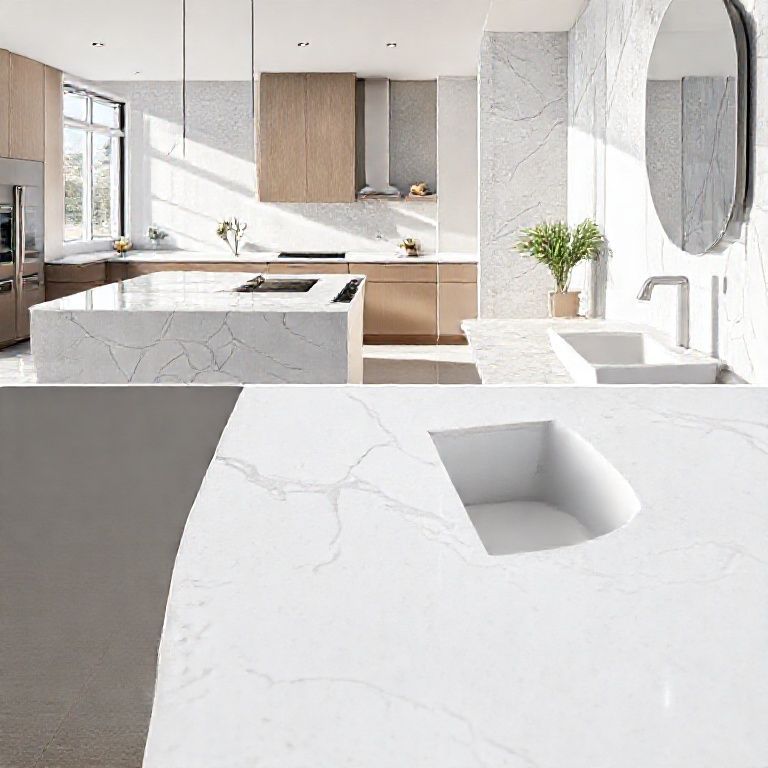
The allure of Corian solid surface thermoforming is undeniable. It’s a process that marries the inherent advantages of the material with the transformative power of heat and vacuum, unlocking a world of design possibilities. It allows for the creation of surfaces that are not only beautiful and functional but also possess a unique, sculpted quality that sets them apart. From the subtle curve of a countertop to the complex geometry of an architectural feature, thermoforming transforms Corian into a medium for unparalleled design expression.
Continuing our exploration into the captivating world of Corian solid surface thermoforming, we delve deeper into the practicalities, the innovative applications, and the future trajectory of this transformative manufacturing process. The machines themselves represent a significant investment, but one that yields substantial returns in terms of product uniqueness, manufacturing efficiency, and the ability to cater to highly specific design demands.
The success of thermoforming Corian hinges on a meticulous understanding of the material’s behavior under heat. Unlike thermoplastics that soften significantly, Corian requires a controlled heating process to reach a state of plasticity without compromising its structural integrity or aesthetic finish. This is where the sophistication of a dedicated Corian thermoforming machine truly shines. These machines are engineered with specific heating profiles in mind, often allowing operators to program precise temperature gradients and dwell times. This level of control is essential for achieving consistent results, especially when working with varying thicknesses of Corian or when attempting complex, deep draws.
The molds used in the process are paramount. The design and construction of the mold dictate the final outcome. For shallow, straightforward shapes, simpler molds may suffice. However, for intricate designs, such as sculpted architectural panels or ergonomically shaped furniture components, highly detailed and robust molds are required. The vacuum itself plays a critical role in drawing the heated Corian into every nook and cranny of the mold. The vacuum pump’s power, the sealing of the mold to the machine, and the application of vacuum pressure are all finely tuned parameters that contribute to the quality of the finished product. A powerful and consistent vacuum ensures that the Corian conforms perfectly to the mold’s surface, minimizing air bubbles and ensuring sharp definition of details.
The economic considerations for utilizing Corian thermoforming machines are multifaceted. While the initial outlay for the machinery can be substantial, the ability to produce high-value, custom-designed products can lead to significant profit margins. The reduction in waste compared to traditional subtractive manufacturing methods, coupled with the potential for faster production cycles, also contributes to cost-effectiveness. Furthermore, the repairability of Corian means that any minor imperfections that might arise during the forming process, or indeed during the product’s lifespan, can be seamlessly rectified, extending the product’s usability and value.
The versatility of Corian thermoforming allows manufacturers to cater to a diverse range of industries. In the commercial sector, custom-designed reception desks, retail display units, and point-of-sale counters can be created, offering brands a unique way to express their identity. The ability to seamlessly integrate lighting, signage, or digital displays into the formed Corian further enhances its appeal for commercial applications. Imagine a retail store with a uniquely shaped display pod, perfectly showcasing merchandise, or a bar with an organically flowing counter that serves as a striking focal point.
In the realm of furniture design, thermoforming unlocks a new level of ergonomic and aesthetic possibilities. Chairs with sculpted seats that perfectly support the human form, tables with integrated curvilinear bases, and unique lighting fixtures that cast diffused, ambient light are all achievable. This process allows designers to move beyond the constraints of traditional joinery and create monolithic, visually flowing pieces.
The educational sector also benefits, with custom-designed laboratory benches, student desks, and collaborative learning spaces that can be tailored to specific needs. The durability and ease of maintenance of Corian make it an ideal choice for high-traffic environments. Similarly, in the transportation industry, components for aircraft interiors, marine vessels, and even high-end automotive applications can be fabricated, where weight, durability, and aesthetics are all critical considerations.
Looking towards the future, the evolution of Corian solid surface thermoforming machines is likely to be driven by advancements in automation, robotics, and material science. We can anticipate machines with even greater precision, incorporating sophisticated sensors and artificial intelligence to monitor and adjust heating and vacuum parameters in real-time, ensuring near-perfect results every time. The integration of robotic arms for mold handling and material transfer could further streamline production lines, reducing labor costs and increasing throughput.
Material science will also play a pivotal role. Research into new formulations of solid surface materials that offer enhanced thermoforming capabilities, such as faster cooling times or the ability to achieve deeper draws, could further expand the possibilities. The development of more sustainable and eco-friendly solid surface materials will also be a key trend, aligning with the growing global demand for environmentally conscious manufacturing.
The concept of digital fabrication is also increasingly intertwined with thermoforming. Advances in 3D scanning and CAD/CAM software allow for the precise design and digital modeling of complex molds. This digital workflow can then be directly translated into the manufacturing process, enabling rapid prototyping and the efficient production of highly customized, one-off pieces. Imagine a client providing a digital scan of a desired organic form, which is then used to generate a 3D-printed mold, onto which heated Corian is vacuum formed to create a truly bespoke piece of furniture or architectural element.
The ongoing miniaturization and increased accessibility of thermoforming technology also suggest a future where smaller, more agile fabrication shops can leverage these capabilities. This democratization of advanced manufacturing techniques will empower smaller design studios and artisans to offer sophisticated, custom-made solid surface products, previously only accessible through large-scale industrial manufacturers.
In conclusion, the Corian solid surface thermoforming machine is far more than just a piece of equipment; it’s a gateway to a realm of design innovation. It empowers creators to push the boundaries of what’s possible with solid surface materials, crafting seamlessly elegant, durable, and uniquely shaped products that enhance spaces and elevate experiences. As technology continues to advance and materials evolve, the future of Corian thermoforming promises even more exciting possibilities, solidifying its position as a cornerstone of modern interior design and architectural fabrication. The ability to shape a material into virtually any form imaginable, while retaining its inherent beauty and functionality, is a testament to the ingenuity of both the material and the machinery that brings it to life.









