
The whisper of innovation, the gleam of possibility, the enduring appeal of surfaces that blend beauty with brawn – this is the realm of solid surface materials. For decades, these engineered marvels have been reshaping our living and working spaces, offering a compelling alternative to traditional materials like granite, marble, and laminate. At the forefront of this revolution stand two names that have become synonymous with quality, creativity, and unwavering performance: Corian and DuPont. While often discussed in the same breath, understanding the subtle nuances and distinct advantages of each can be the key to unlocking the perfect aesthetic and functional solution for your next project.

When we speak of “可丽耐人造石和杜邦哪个好一点呢图片” – essentially asking “Which is better, Corian artificial stone or DuPont, with pictures?” – we’re diving into a rich tapestry of material science, design philosophy, and practical application. The term “DuPont” itself is a titan in the chemical and material industries, a company whose legacy of innovation has consistently pushed the boundaries of what’s possible. Corian, on the other hand, is a specific, highly regarded brand that emerged from DuPont’s research and development, and it has since carved out its own distinct identity as a leader in the solid surface market.
The fundamental appeal of solid surface materials lies in their inherent composition. Typically, they are a blend of natural minerals (often alumina trihydrate, derived from bauxite ore) and acrylic polymers. This unique fusion creates a non-porous, homogenous material that is both incredibly durable and remarkably versatile. Unlike natural stone, which can be susceptible to staining and requires sealing, solid surfaces offer a hygienic, low-maintenance solution that doesn’t compromise on visual appeal.
Let’s first cast our gaze upon Corian. For many, Corian is the quintessential solid surface. It’s a brand that has been around for a significant time, building a reputation for its consistent quality and extensive range of colors and patterns. The beauty of Corian lies in its seamless integration. Edges can be fused without visible seams, creating a fluid, monolithic appearance that is both elegant and exceptionally hygienic. This is particularly advantageous in kitchens and bathrooms, where the absence of grout lines or unsightly joints significantly reduces areas where bacteria and grime can accumulate.
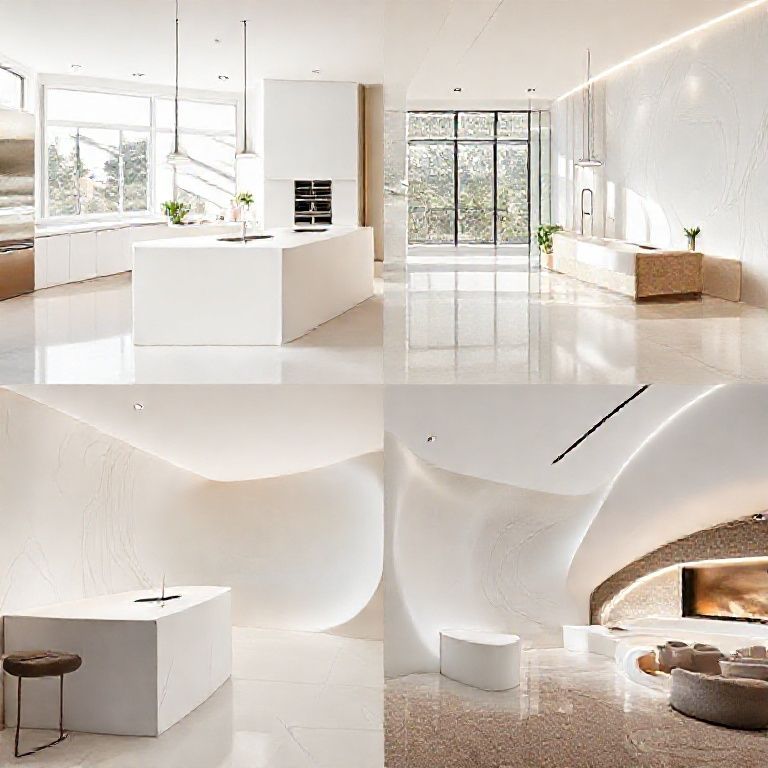
The aesthetic possibilities with Corian are virtually limitless. From the crisp purity of pure white to the deep, dramatic hues of obsidian, and the subtle veining that mimics natural stone, there’s a Corian color and pattern to suit every design sensibility. The material’s inherent translucency in certain shades also opens up fascinating lighting design opportunities, allowing for backlighting that creates a soft, ambient glow. Furthermore, Corian’s ability to be thermoformed means it can be shaped into curves, organic forms, and even intricate sculptural elements, offering designers unparalleled freedom to bring their visions to life. Imagine a countertop that flows seamlessly into a backsplash, or a vanity with a softly sculpted basin – these are the hallmarks of Corian’s design potential.
The fabrication process for Corian is also a key differentiator. Because it’s a solid material all the way through, any scratches or minor damage can often be repaired by sanding and polishing, restoring the surface to its original pristine condition. This longevity and repairability contribute to its overall value proposition. It’s not just a beautiful surface; it’s a long-term investment in your home or commercial space.
Now, let’s consider the broader context of “DuPont” in relation to solid surfaces. DuPont, as the parent company and a pioneer in material science, has a portfolio that extends beyond the Corian brand itself. Their expertise in polymer chemistry and material engineering has led to the development of a wide array of high-performance materials, some of which can be found incorporated into or informing the creation of solid surfaces. When people refer to “DuPont” in this context, they are often alluding to the rigorous standards of quality, research, and development that are characteristic of the DuPont name. This implies a certain level of assurance regarding the material’s performance, durability, and innovation.
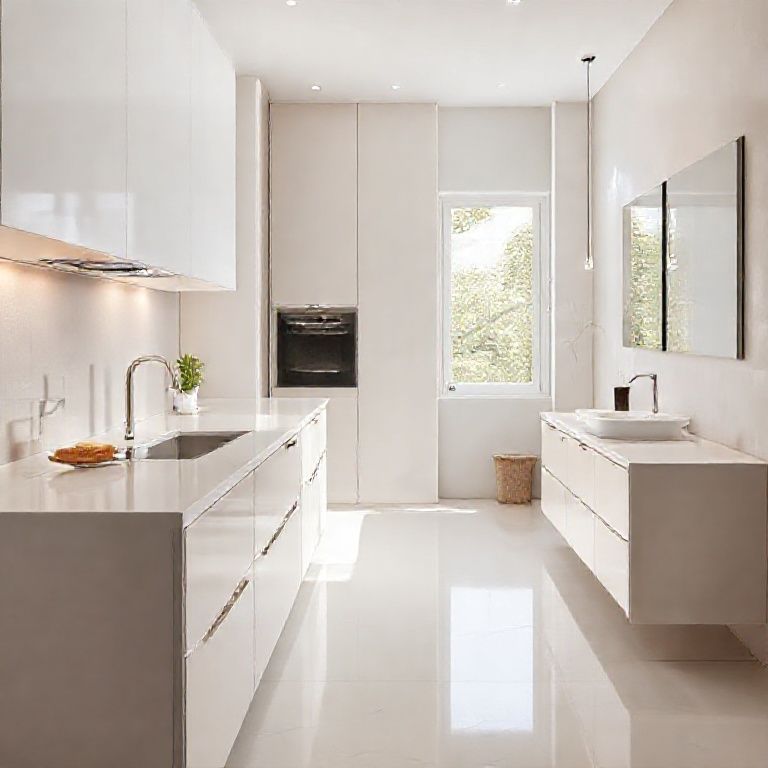
The question of “which is better” is rarely a simple one in the world of materials. It’s more about understanding which material best aligns with specific needs, preferences, and project requirements. Both Corian and other solid surface materials that might fall under the broader DuPont umbrella are engineered for excellence. The key differences often lie in the specific formulations, the breadth of the product lines, and the marketing and branding strategies employed.
For instance, while Corian is a flagship brand, DuPont has also been involved in the development of other high-performance surfacing solutions. The underlying technology and the commitment to rigorous testing that a DuPont-affiliated product represents are often significant selling points. It speaks to a heritage of scientific advancement and a deep understanding of material properties.
The “pictures” aspect of the inquiry is also crucial. Visual representation allows us to appreciate the textures, colors, and forms that these materials can achieve. When you see images of stunning kitchens with integrated sinks and seamless countertops, or minimalist bathrooms featuring flowing vanity units, you are often witnessing the transformative power of solid surface materials like Corian. These images serve as inspiration, showcasing the design freedom and the sophisticated aesthetic that these materials bring to interiors. They highlight how solid surfaces can move beyond mere functionality to become integral elements of a room’s overall design narrative. The subtle variations in patterns, the depth of color, and the way light interacts with the surface are all elements that become apparent through high-quality imagery, guiding our choices and sparking our imaginations.
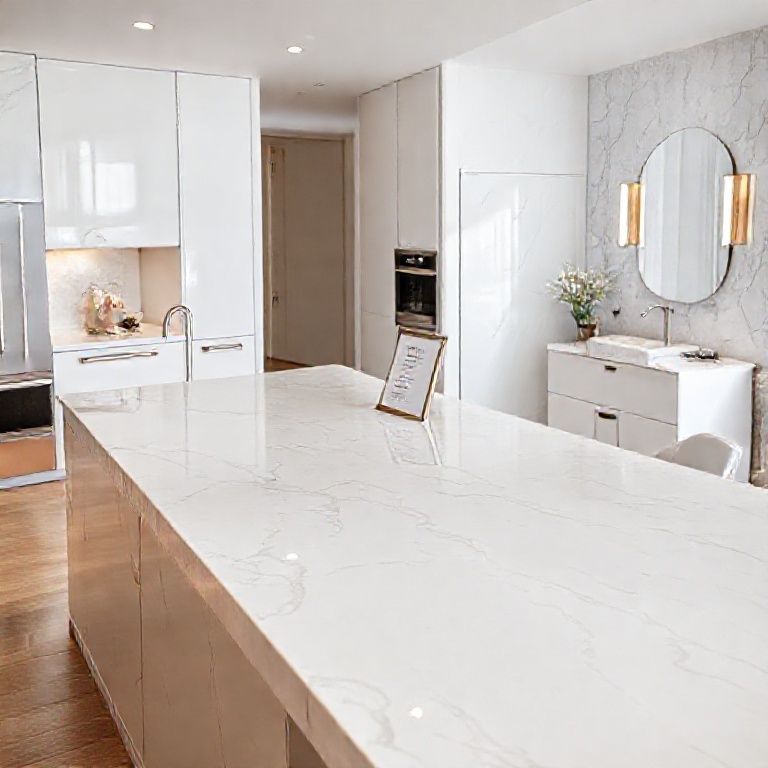
In essence, when comparing Corian and DuPont (as a broader concept of DuPont’s material innovations), we are exploring the pinnacle of solid surface technology. Corian, as a specific brand, offers a well-established, highly regarded, and widely accessible range of products known for their seamlessness, design flexibility, and repairability. The DuPont name, in turn, represents the scientific rigor, innovation, and commitment to quality that underpin the creation of these advanced materials. The decision between them, or rather between Corian and other high-quality solid surfaces, often comes down to specific product availability, color palettes, textural options, and the particular features that best suit the intended application and the desired aesthetic outcome. It’s a conversation about choosing from the very best that material science has to offer for creating beautiful, functional, and enduring spaces.
Continuing our exploration into the exquisite world of solid surface materials, the distinction between “Corian” and the broader “DuPont” often revolves around brand recognition versus the encompassing scientific prowess of a global innovator. While Corian is a specific, highly successful product line that has become a household name for high-quality solid surfaces, DuPont, as the originating entity and a titan of material science, represents a legacy of innovation that informs and underpins many advanced surfacing solutions. The question of “可丽耐人造石和杜邦哪个好一点呢图片” is less about a definitive “better” and more about appreciating the distinct strengths and the underlying shared commitment to excellence.
Let’s delve deeper into the practical considerations that make both Corian and other DuPont-associated solid surfaces such desirable choices for interior design. One of the most compelling attributes, as touched upon earlier, is their non-porous nature. This characteristic is paramount for hygiene and ease of maintenance. In busy kitchens where spills are common, or in healthcare settings where sanitation is critical, the resistance to staining from common substances like wine, coffee, or harsh chemicals is a significant advantage. Unlike porous natural stones that can absorb liquids and harbor bacteria, solid surfaces offer a smooth, impenetrable barrier. This translates to less worry about deep-set stains and a simpler cleaning routine, often requiring just soap and water.
The seamless integration capabilities of solid surfaces are another defining feature. Corian, in particular, excels in this regard. Its ability to be joined with specialized adhesives that cure to form a bond as strong as the material itself, creating invisible seams, is a game-changer for design. This means countertops can be fabricated to exact specifications, incorporating integrated sinks, drainboards, and backsplashes without any visible lines or crevices. The result is a sleek, unified surface that not only looks sophisticated but also eliminates potential breeding grounds for germs and makes cleaning exceptionally easy. Imagine a kitchen island where the countertop and sink are one continuous piece, or a shower surround that flows seamlessly from wall to wall – these are the visual and functional triumphs made possible by this technology.
Beyond hygiene and seamlessness, the aesthetic versatility is a major draw. The sheer breadth of color and pattern options available in brands like Corian is astounding. Whether you’re aiming for the minimalist purity of a stark white, the earthy warmth of a speckled beige, or the dramatic allure of a deep, glossy black, there is a shade to match every vision. Furthermore, advancements in manufacturing techniques have allowed for the creation of surfaces that mimic the intricate veining of marble, the granular texture of granite, or even introduce unique patterns and effects, such as embedded metallic flecks or swirling abstract designs. The “pictures” in the user’s query highlight this: images showcase the transformative power of these materials, from subtle elegance to bold statements, demonstrating how they can define the character of a space.
Thermoformability is another superpower of quality solid surfaces. This means that the material can be heated and molded into virtually any shape. This opens up a world of design possibilities that are simply not achievable with traditional materials. Curved countertops, custom-designed sinks, intricate architectural elements, and even three-dimensional decorative panels can be expertly crafted. This ability to bend and shape the material allows designers to move beyond the rectilinear and explore more organic, fluid, and sculptural forms, adding a unique artistic dimension to any project.
When we consider the “DuPont” aspect, it’s important to recognize the scientific rigor and the continuous innovation that a company like DuPont brings to material development. Their deep understanding of polymer science and manufacturing processes has been instrumental in pushing the boundaries of what solid surfaces can achieve in terms of durability, performance, and aesthetic appeal. Even if a specific product is branded as Corian, the underlying technology and the quality control standards are often influenced by DuPont’s extensive research and development capabilities. This heritage ensures that you are investing in a material that is not only beautiful but also built to last, backed by decades of scientific advancement.
The durability and repairability of solid surfaces are also significant factors in their appeal. While extremely resilient, any material can, over time, acquire minor scratches or chips, especially in high-traffic areas. The advantage with solid surfaces like Corian is that they are homogeneous – the color and pattern extend all the way through the material. This means that scratches can often be buffed out with fine-grit sandpaper, and chips can be filled and re-finished, making the surface look as good as new. This repairability significantly extends the lifespan of the material, making it a more sustainable and economical choice in the long run compared to materials that may require complete replacement due to minor damage.
The comparison between Corian and other DuPont-related solid surfaces, therefore, isn’t about a simple win-or-lose scenario. It’s about appreciating the specific strengths and offerings within a category of exceptional materials. Corian, as a leading brand, offers a comprehensive and trusted range with a well-established reputation for quality, design flexibility, and seamless integration. The broader DuPont legacy signifies the scientific foundation, ongoing innovation, and commitment to high performance that characterize the best in the solid surface industry.
Ultimately, the choice often comes down to the specific aesthetic you are trying to achieve, the range of colors and textures available within a particular line, and the specific fabrication and installation expertise of the providers. The “pictures” serve as a vital guide, illustrating the real-world applications and the stunning results that can be achieved with these materials. Whether you are designing a minimalist modern kitchen, a luxurious spa-like bathroom, or a functional commercial space, the intelligence, beauty, and enduring quality of solid surface materials, epitomized by brands like Corian and the scientific excellence of DuPont, offer a compelling pathway to creating spaces that are both exceptionally beautiful and remarkably practical. It’s about selecting a material that not only meets your functional needs but also elevates your environment, providing a surface that you can truly live with, and love, for years to come.









