
The whisper of ancient mountains, the timeless elegance of a marble quarry, the rugged character of granite – natural stone has long been revered as the epitome of luxury and enduring beauty in interior design. For centuries, architects and homeowners alike have sought out these geological masterpieces to imbue their spaces with a sense of permanence and undeniable sophistication. However, as our understanding of materials science and our design aspirations evolve, a compelling contender has emerged, one that offers a harmonious blend of nature’s inspiration and human ingenuity: engineered stone.

The very term “engineered stone” might conjure images of artificiality, a pale imitation of the real thing. But this couldn’t be further from the truth. Engineered stone, also known as artificial stone or composite stone, is a testament to how we can harness the essence of natural materials and elevate them to new heights of performance and aesthetic versatility. It’s not about replacing nature, but about working with its principles to create something that not only rivals but, in many crucial aspects, surpasses its natural counterparts. The question then becomes, when faced with the choice between the raw, untamed beauty of natural stone and the precisely crafted allure of engineered stone, what are the true advantages that make engineered stone shine?
One of the most significant and immediately apparent advantages of engineered stone lies in its unwavering consistency and predictability. Natural stone, by its very definition, is a product of geological processes that unfold over millennia. This means that within a single slab of granite or marble, you can find a spectrum of color variations, veining patterns, and mineral inclusions. While this inherent uniqueness is often celebrated as part of its charm, it can also present a significant challenge for designers and homeowners. Sourcing the “perfect” slab that precisely matches a vision can be a lengthy and sometimes frustrating endeavor. What looks stunning in the showroom might reveal unexpected undertones or flaws when installed in your specific lighting conditions. Engineered stone, on the other hand, is manufactured under controlled conditions. This allows for a remarkable degree of consistency in color, pattern, and texture. You can be confident that the sample you chose will be representative of the entire slab, and that subsequent purchases of the same material will mirror your initial selection. This predictability is invaluable for larger projects or when aiming for a meticulously coordinated aesthetic, ensuring a seamless and harmonious finish that is difficult to achieve with the inherent variability of natural stone.
Beyond its visual consistency, engineered stone boasts superior durability and performance. Natural stones, particularly porous ones like certain granites and marbles, can be susceptible to staining, etching, and scratching. While sealants can offer a degree of protection, they require regular reapplication and may not always prevent accidents from leaving their mark. Engineered stone, typically composed of a high percentage of crushed natural quartz (often upwards of 90%), natural pigments, and polymer resins, offers a non-porous surface. This intrinsic quality makes it highly resistant to stains from common household culprits like wine, coffee, oil, and juice. Spills can be wiped away with ease, leaving no trace behind. Furthermore, the robust nature of quartz means that engineered stone is exceptionally hard and resistant to abrasion. It can withstand the rigors of daily use in busy kitchens and bathrooms without succumbing to scratches or chips. This inherent resilience translates to a surface that not only looks beautiful but also performs admirably under pressure, offering a practical advantage that resonates deeply with those seeking low-maintenance yet high-impact design solutions.
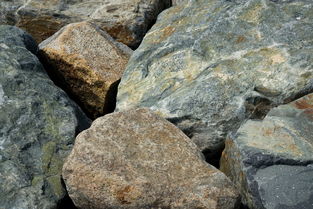
The reign of natural stone, while noble, has often been defined by certain limitations in terms of its adaptability. Engineered stone shatters these boundaries with its extraordinary design flexibility. The manufacturing process allows for an almost limitless palette of colors, patterns, and finishes. From replicating the classic elegance of Calacatta marble to showcasing bold, contemporary hues and intricate, abstract designs, engineered stone can be tailored to virtually any aesthetic. This adaptability extends to its form factor. It can be fabricated into thinner profiles than many natural stones, allowing for lighter countertops that are easier to transport and install. It can also be seamlessly molded and thermoformed into complex shapes, enabling the creation of integrated sinks, curved backsplashes, and unique architectural elements that are simply not feasible with the rigid nature of quarried stone. This creative freedom empowers designers to push the boundaries of what’s possible, transforming spaces into personalized works of art. The ability to precisely control the aesthetic and physical characteristics of engineered stone means that design visions are no longer constrained by the geological lottery.
Continuing our exploration of engineered stone’s compelling advantages, we delve deeper into the practicalities and long-term benefits that solidify its position as a premier material in modern design. While the initial aesthetic appeal and consistency are undeniably attractive, the true value of engineered stone unfolds in its exceptional ease of maintenance and longevity. Unlike natural stones that often require specialized cleaning products and regular sealing to preserve their beauty and prevent damage, engineered stone surfaces are remarkably low-maintenance. The non-porous nature that makes them stain-resistant also means they are incredibly hygienic. Bacteria and mold have no place to harbor, making them an ideal choice for kitchens and bathrooms where cleanliness is paramount. A simple wipe down with a damp cloth and mild soap is usually all that’s needed to keep them looking pristine. This ease of care is a significant advantage for busy households or for individuals who prefer to spend less time on upkeep and more time enjoying their living spaces. The inherent durability further contributes to longevity. Because engineered stone is less prone to chipping, cracking, or staining, its beautiful appearance is maintained for years, even decades, with minimal effort. This translates to a wise investment, as the need for premature replacement or costly repairs is significantly reduced compared to some natural stone options.
The world of design is increasingly mindful of its environmental impact, and engineered stone offers a compelling case for sustainable sourcing and manufacturing. While the extraction of natural stone can have significant environmental consequences, including habitat disruption and considerable energy expenditure, the production of engineered stone often involves processes that can be more controlled and potentially less impactful. Many manufacturers utilize recycled materials, such as glass or mirror fragments, within their formulations, further diverting waste from landfills. The consistent quality of engineered stone also means that less material is wasted during fabrication, as there are fewer imperfections to work around. Furthermore, the longevity of engineered stone means that it doesn’t need to be replaced as frequently as some other materials, reducing the overall lifecycle impact of the design. While the use of resins in the manufacturing process is a consideration, advancements in technology are leading to the development of more eco-friendly binders. For those seeking to create beautiful and functional spaces with a reduced environmental footprint, engineered stone presents a thoughtfully considered option that balances performance with a commitment to sustainability.

The economic aspect of any design project is, of course, a crucial consideration. When comparing engineered stone to natural stone, a nuanced picture emerges regarding cost-effectiveness and long-term value. While the initial purchase price of some high-end engineered stones might be comparable to or even exceed that of certain natural stones, the overall cost of ownership often favors engineered options. The reduced need for frequent sealing, specialized cleaning products, and the significantly lower risk of costly repairs or premature replacement contribute to a more predictable and often lower long-term expenditure. The consistency and predictability of engineered stone also lead to fewer surprises during the installation process, potentially avoiding unexpected costs associated with sourcing and adapting less uniform natural slabs. Moreover, the durability and timeless appeal of engineered stone mean that it adds lasting value to a property. It is a material that can be enjoyed for generations, a testament to its enduring quality and aesthetic relevance. When factoring in the complete lifecycle cost, including maintenance and potential repairs, engineered stone often emerges as a highly intelligent and financially sound investment for discerning homeowners and designers.
Finally, the sheer versatility and adaptability of engineered stone extend beyond its material properties and into the realm of creative application. It’s not confined to traditional countertops; its properties lend themselves to a vast array of design possibilities. Think of stunning wall cladding that brings a touch of modern luxury to a living room, sleek shower surrounds that offer seamless, grout-free surfaces, elegant fireplace surrounds that become a focal point of warmth and style, or even durable and attractive flooring solutions. The ability to be cut, shaped, and integrated in ways that natural stone simply cannot allows for truly bespoke designs. This material bridges the gap between the practical and the artistic, enabling architects and interior designers to craft spaces that are not only functional but also deeply expressive and visually cohesive. From minimalist chic to opulent grandeur, engineered stone is a chameleon, capable of transforming any vision into a tangible reality. Its consistent quality and predictable performance mean that the designer’s intent is faithfully translated into the final execution, fostering a sense of confidence and creative freedom. The advantages of engineered stone are not merely superficial; they are deeply rooted in its superior performance, thoughtful design, and remarkable ability to harmonize with the diverse needs and aspirations of modern living.









