
The kitchen. It’s the heart of the home, a bustling hub of culinary creation, lively conversations, and cherished memories. And at the very core of its aesthetic and functionality lies the countertop – the unsung hero that bears witness to it all. When embarking on the exciting journey of kitchen renovation or design, one of the most pivotal decisions is the choice of material. Among the popular contenders, two often rise to the surface: acrylic and solid surface. While their names might sound similar, and they share some desirable traits, they are distinct in their composition, appearance, and performance. This isn’t just about picking a pretty surface; it’s about understanding the character of each material and how it will integrate into the life you lead. Think of this as your visual primer, a curated collection of insights and imagery to help you distinguish between these two exceptional options.

Let’s begin our visual exploration with acrylic. When we talk about acrylic in the context of countertops, we’re generally referring to a type of material often marketed as “acrylic solid surface” or simply “acrylic.” This is a composite material, a clever blend where acrylic polymers form the binding agent, infused with mineral fillers. This unique composition is the secret to its often seamless appearance and its ability to be thermoformed. Imagine a material that can be gently heated and molded into graceful curves, organic shapes, and flowing designs. This is where acrylic truly shines. Its non-porous nature is a significant advantage, meaning it doesn’t absorb liquids, making it inherently resistant to stains and bacteria. Spills from wine, coffee, or oil? They tend to sit on the surface, ready to be wiped away with minimal fuss. This inherent resistance also contributes to its hygienic properties, a crucial consideration in any kitchen environment.
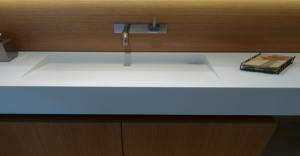
Visually, acrylic often presents with a consistent, uniform color and pattern throughout its thickness. This uniformity allows for seamless integration, especially when it comes to sinks. Many acrylic countertops can be fabricated with integrated sinks made from the same material, creating a fluid, unbroken plane that is both aesthetically pleasing and incredibly easy to clean. No more pesky crevices where dirt and grime can hide. The edges can be finished in a myriad of ways, from simple, clean lines to more intricate profiles, further enhancing its customizability. Its translucency, in certain colors and formulations, can also be a striking design element, allowing for subtle backlighting that can transform the ambiance of your kitchen.

The texture of acrylic is typically smooth and warm to the touch, a pleasant contrast to the often cooler feel of some natural stones. This tactile quality adds another layer to its appeal, making it a welcoming surface to work on. When it comes to repairs, acrylic is generally quite forgiving. Minor scratches or scuffs can often be buffed out, and deeper damage can sometimes be repaired by skilled fabricators, often without leaving a visible trace. This reparability is a significant benefit, contributing to the longevity and continued beauty of the surface over time. The manufacturing process allows for a wide spectrum of colors, from crisp whites and muted neutrals to vibrant hues and intricate patterns that mimic natural stone or introduce entirely new visual narratives. This versatility in color and design means that acrylic can adapt to virtually any kitchen style, from minimalist modern to classic traditional.
The way light interacts with acrylic is another aspect worth appreciating. Depending on the finish – be it matte, semi-gloss, or high-gloss – acrylic can either softly diffuse light or reflect it with a dazzling sheen. This interplay of light can influence the perceived spaciousness and brightness of your kitchen. Imagine a light-colored acrylic countertop catching the morning sun, instantly making your kitchen feel more open and airy. Or consider a darker, high-gloss finish that adds a touch of sophistication and drama. The uniformity of color also means that what you see in the sample is generally what you get across a larger installation, providing a predictable and reliable aesthetic outcome. This predictability is a comfort for many homeowners who want to ensure their vision translates seamlessly into reality.
Beyond its visual appeal and practical benefits, acrylic offers a certain peace of mind. Its resistance to moisture and stains means you can often relax a little more, knowing that an accidental spill won’t lead to a permanent blemish. This “low-maintenance” aspect is a huge draw for busy households where time is a precious commodity. The ease of cleaning is not just about hygiene; it’s about reclaiming your time and energy for the things that truly matter. Think of the hours saved on scrubbing and polishing compared to some other countertop materials. This efficiency translates directly into a more enjoyable and less stressful kitchen experience.
However, it’s important to acknowledge that while durable, acrylic isn’t impervious to everything. Extreme heat can be a concern, and it’s always advisable to use trivets or heat pads for hot pots and pans, just as you would with many other countertop materials. While it resists staining, prolonged exposure to very harsh chemicals should also be avoided. These are considerations that apply to most surfaces, but understanding the specific limitations of acrylic ensures you can care for it properly and maintain its beauty for years to come. The journey of choosing a countertop is one of balancing aesthetics with practicality, and acrylic offers a compelling blend of both, making it a strong contender for any discerning homeowner.
Now, let’s shift our focus to the realm of solid surface materials. While often grouped with acrylic due to shared characteristics like non-porosity and seamless integration, solid surface is a distinct category with its own unique personality and performance profile. At its core, solid surface is typically composed of a blend of acrylic or polyester resins and mineral fillers, often derived from bauxite ore. This composition gives it a dense, homogenous structure that is both durable and versatile. The key differentiator often lies in the binder – while acrylic surfaces are a type of solid surface, the term “solid surface” can also encompass materials that predominantly use polyester resins, or a blend, which can influence certain properties. However, for the sake of this comparison, we’ll focus on the commonly understood benefits of “solid surface” as a broader category, often perceived as a close sibling to pure acrylics, and indeed, many high-quality solid surfaces are largely acrylic-based.
One of the most striking advantages of solid surface, much like acrylic, is its non-porous nature. This means it actively repels liquids, preventing stains and inhibiting the growth of bacteria and mold. This makes it an exceptionally hygienic choice for kitchens, where food preparation is a daily ritual. Imagine preparing raw chicken one moment and slicing fruits the next, all on a surface that can be effortlessly sanitized. This inherent resistance to stains from common kitchen culprits like coffee, wine, and oils is a major selling point, offering a level of practicality that’s hard to beat.
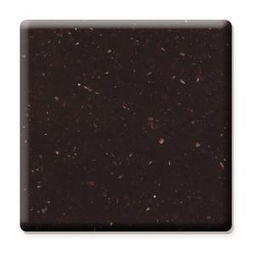
Visually, solid surface materials can offer a diverse range of aesthetics. They can be manufactured to mimic the look of natural stone, complete with veining and flecks, or they can present in solid, uniform colors. The color and pattern run through the entire thickness of the material, which is crucial for its reparability. This consistency means that if a scratch or chip occurs, it’s not just a surface-level imperfection; it’s a flaw within the material itself, making repairs less noticeable.
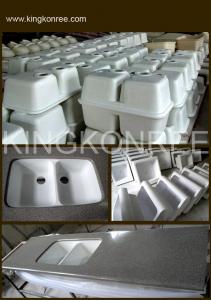
The seamless fabrication capabilities of solid surface are a significant design advantage. Similar to acrylic, integrated sinks can be a hallmark of solid surface installations, creating a smooth, flowing transition from countertop to basin. This eliminates those difficult-to-clean seams that can accumulate grime and detract from the overall visual appeal. The ability to thermoform solid surface also allows for creative design possibilities, enabling gentle curves and unique shapes that can add a distinctive flair to your kitchen. While not always as dramatically formable as some pure acrylics, solid surface still offers considerable flexibility for designers and homeowners looking for something beyond straight lines.
The tactile experience of solid surface is generally smooth and pleasant. It feels solid and substantial underhand, contributing to a sense of quality and durability. While it may not have the same inherent translucency as some acrylic formulations, its depth of color and subtle patterns can create a sophisticated and inviting surface. The range of finishes available, from matte to high-gloss, allows for further customization to match your desired kitchen aesthetic.
When it comes to maintenance, solid surface is a dream. Daily cleaning usually involves nothing more than soap and water or a mild household cleaner. For tougher marks, a non-abrasive scrub pad can often do the trick. The real magic of solid surface, however, lies in its repairability. Minor scratches can often be buffed out by the homeowner using a specialized repair kit, and more significant damage can be expertly repaired by a professional, often making the surface look as good as new. This ability to restore the surface is a key factor in its long-term value and appeal. It means that an accidental mishap doesn’t have to be a permanent eyesore.
The versatility of solid surface extends to its application beyond countertops. It can be used for backsplashes, wall cladding, and even integrated into furniture designs, allowing for a cohesive and unified look throughout your kitchen or even your entire home. This ability to extend its use beyond the horizontal plane offers exciting possibilities for creating a truly bespoke environment. The consistent quality and predictable appearance of solid surface make it a reliable choice for those who value both form and function.
Comparing acrylic and solid surface can sometimes feel like comparing two high-performance siblings. Many modern solid surface materials are, in fact, heavily acrylic-based, blurring the lines between them. However, if we consider the broader spectrum, “solid surface” as a general category emphasizes the homogenous, non-porous nature and the excellent reparability, with a wide array of resin binders and fillers. Acrylic, as a specific type, often leans into its superior thermoforming capabilities and unique translucency options.
Ultimately, the choice between them often comes down to nuanced preferences. If extreme heat resistance is a paramount concern, neither acrylic nor typical solid surface will outperform materials like granite or quartz. However, for their blend of aesthetic appeal, hygienic properties, ease of maintenance, and seamless design possibilities, they are both exceptional choices. Consider the visual samples, feel the textures, and imagine them in your space. Think about your lifestyle and how you use your kitchen. Do you envision a seamless, fluid design with integrated sink? Are you drawn to the subtle elegance of uniform color or the sophistication of stone-like patterns? The journey to your dream kitchen surface is an exciting one, and understanding the distinct qualities of acrylic and solid surface will empower you to make a choice that you’ll love for years to come.









