
The allure of a beautifully crafted surface extends far beyond mere aesthetics; it’s about the tactile experience, the enduring quality, and the seamless integration into our living spaces. In the realm of modern interior design, two materials consistently rise to the forefront when seeking both form and function: acrylic and solid surface. While often grouped under the umbrella of “artificial stone” or “man-made materials,” these two titans possess distinct personalities, strengths, and weaknesses that can significantly influence the outcome of your design aspirations. Understanding these differences is not just about making a choice; it’s about unlocking the potential of your environment.

Let’s begin by demystifying acrylic. Often referred to by brand names like Corian (though Corian is technically a brand of solid surface, the term is sometimes used colloquially for acrylic sheets), acrylic in the context of countertops and surfaces is typically a composite material made from acrylic polymers and mineral fillers. The beauty of acrylic lies in its remarkable versatility and its almost chameleon-like ability to mimic other materials. Think of a pristine white countertop that seems to glow, or perhaps a deep, rich marble-look surface without the inherent maintenance concerns of natural stone. This is the magic of acrylic.
One of acrylic’s most celebrated features is its non-porous nature. This means it doesn’t absorb liquids, making it highly resistant to stains from coffee, wine, or juice. For busy kitchens and bathrooms, this is a game-changer. Spills are easily wiped away, and the risk of bacterial growth is significantly reduced, contributing to a more hygienic environment. Furthermore, acrylic offers an unparalleled range of colors and patterns. From subtle, understated tones to bold, vibrant hues, the design possibilities are virtually limitless. This allows for a high degree of personalization, enabling designers and homeowners to craft truly unique spaces that reflect their individual style.
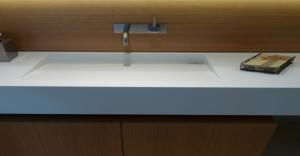
Beyond its aesthetic appeal and hygiene benefits, acrylic boasts a unique characteristic: thermoformability. This means it can be heated and molded into curved, organic shapes. Imagine a seamless countertop that flows into a curved sink, or a reception desk with a distinctive sculptural form. This ability to bend and shape opens up a world of design possibilities that are simply not achievable with more rigid materials. This seamlessness also extends to its installation. Seams in acrylic countertops are virtually invisible, achieved through a special adhesive that bonds the material at a molecular level. This creates a smooth, uninterrupted surface that is both visually appealing and easier to clean, as there are no grout lines or crevices for dirt to accumulate.
However, no material is without its trade-offs. Acrylic, while durable, is softer than many other countertop materials, including granite or quartz. This means it can be susceptible to scratches from sharp knives or abrasive cleaning pads. While minor scratches can often be buffed out, deep gouges may require professional repair. Similarly, while resistant to heat, it’s not entirely impervious. Prolonged exposure to very hot pots and pans directly from the stovetop can lead to discoloration or even damage. Therefore, using trivets and cutting boards is a wise practice when working with acrylic surfaces.
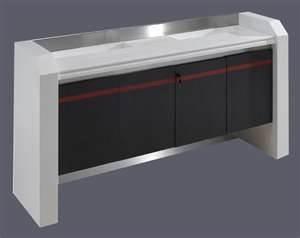
Now, let’s shift our focus to solid surface. Often confused with acrylic, solid surface is also a composite material, but its composition typically includes a higher proportion of mineral fillers, such as alumina trihydrate (ATH), which is derived from bauxite ore, bound together with acrylic or polyester resins. This composition gives solid surface a different feel and a slightly different set of properties compared to pure acrylic.
One of the defining characteristics of solid surface is its density and substantial feel. It possesses a certain heft that can be reassuring and indicative of its quality. Like acrylic, solid surface is non-porous, offering the same excellent stain resistance and hygienic properties. This makes it an equally strong contender for kitchens and bathrooms where cleanliness and durability are paramount. The seamless integration of seams is also a hallmark of solid surface, allowing for the creation of expansive, uninterrupted surfaces that are a dream for both designers and homeowners.
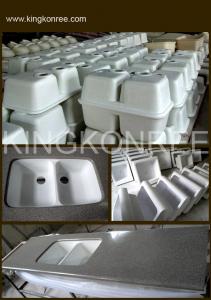
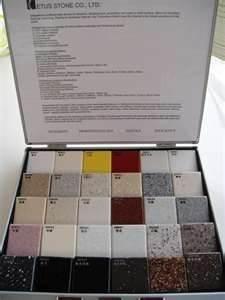
The color and pattern options for solid surface are extensive, though perhaps not quite as boundless as acrylic’s. You’ll find a sophisticated palette of colors, from classic whites and beiges to more contemporary greys and blacks, as well as a variety of patterns that can mimic natural stone, concrete, or even abstract designs. The key difference often lies in the depth and translucency. While acrylic can achieve a luminous, almost glowing effect, solid surface tends to have a more matte or satin finish, with a deeper, more opaque appearance.
When it comes to repairability, solid surface truly shines. While it can be scratched, much like acrylic, its repair process is often simpler and more robust. Minor scratches can be easily sanded out and buffed to a like-new finish. Even more significant damage can often be repaired by a professional, restoring the surface to its original glory without visible patches or seams. This inherent repairability contributes to the longevity of solid surface, making it a wise long-term investment for high-traffic areas.
The thermoformability of solid surface is also a notable feature, though perhaps with slightly less flexibility than pure acrylic in terms of extreme curves. It can still be shaped into elegant curves and softened edges, allowing for creative design solutions. Its durability is generally considered to be slightly higher than acrylic, offering a bit more resistance to heat and general wear and tear. However, it’s still advisable to use protective measures for extremely hot objects.
The “price” aspect, a crucial consideration for any renovation or new build, varies significantly for both acrylic and solid surface, influenced by numerous factors. Generally speaking, both materials fall into a mid-range price bracket, often more affordable than natural stone like granite or marble, but typically more expensive than laminate. However, the specific cost is a nuanced equation. For acrylic, the complexity of the design, the thickness of the sheet, and any specialized finishes or edge profiles will all impact the final price. Custom colors or intricate patterns might also command a premium. Installation costs, which include fabrication and fitting, are a substantial portion of the overall investment. The more complex the shape or the more intricate the seamless integration required, the higher the labor costs will be. For a basic straight countertop in a standard color, acrylic can be a very competitive option. However, as you move towards curved designs or unique edge details, the price will naturally increase. For instance, a simple L-shaped acrylic countertop might range from $40 to $100 per square foot, including installation, depending on the brand, color, and complexity. Thermoformed elements or integrated sinks could push this figure higher, potentially reaching $120-$150 per square foot or more for highly customized pieces. It’s always best to get detailed quotes based on your specific design and dimensions. The “图片” (pictures) you see in advertisements or showrooms will showcase these possibilities, from the sleek minimalism of a single-piece molded sink to the subtle veining that mimics natural stone.
Continuing our exploration into the world of surfaces, the distinction between acrylic and solid surface becomes even clearer when we delve into their applications, maintenance, and the nuanced economics that govern their adoption in various design projects. While both materials offer a modern aesthetic and a host of practical benefits, their inherent characteristics lend themselves to different situations and user preferences.
One of the primary differentiating factors lies in their tactile and visual characteristics. Acrylic, due to its composition, often exhibits a greater degree of translucency and a certain luminous quality. This can be particularly striking in lighter colors, where light seems to pass through the material, creating a soft, inviting glow. This makes acrylic an excellent choice for designs where you want to achieve a sense of airiness and brightness, such as in minimalist kitchens or contemporary bathrooms. Imagine an island countertop with an integrated waterfall edge that appears to be carved from a single block of light – this is a hallmark of what acrylic can achieve. The finishes available for acrylic can range from a high-gloss sheen that reflects light dramatically to a more subtle satin finish. The ability to achieve these varying levels of reflectivity can significantly influence the overall mood and style of a space.
Solid surface, on the other hand, often presents with a more opaque and sometimes a denser visual presence. While it can be finished to a high sheen, its inherent composition tends to absorb light more than reflect it, giving it a more grounded and substantial feel. This can be advantageous in spaces where a more subdued, sophisticated, or classic look is desired. Think of a dark, moody solid surface countertop that mimics the depth of natural slate or a creamy, matte finish that evokes the elegance of honed marble. The mineral fillers in solid surface contribute to this depth of color and pattern, offering a sophisticated range of looks that often lean towards a more refined and traditional aesthetic, even within modern design frameworks. The “图片” (pictures) of solid surface often showcase its ability to replicate the look of natural stone with impressive fidelity, complete with subtle variations in tone and texture.
When it comes to maintenance and longevity, both acrylic and solid surface offer significant advantages over traditional materials like laminate or even some natural stones. Their non-porous nature is a universal benefit, meaning they resist staining from common household spills like coffee, wine, or oil. This also translates to superior hygiene, as bacteria and mold have no place to take root. For households with children or those who entertain frequently, this ease of cleaning and resistance to common accidents is a major selling point.
However, the specific approach to maintenance can differ subtly. Acrylic, being a softer material, requires a gentler touch. While it’s easy to wipe down with a damp cloth and mild soap, abrasive cleaners or scouring pads should be avoided to prevent scratching. For minor scratches or dullness, specialized acrylic polishes and buffing techniques can often restore the surface to its original luster. The key is to be proactive and mindful of potential damage.
Solid surface, while still susceptible to scratches, generally handles them a bit more gracefully. The repair process for solid surface is often more straightforward and less likely to leave visible evidence of the repair. Minor scratches can be easily sanded down using fine-grit sandpaper, followed by buffing to match the surrounding finish. For more significant damage, such as chips or deeper gouges, a professional can often repair the area seamlessly, making it virtually indistinguishable from the original surface. This inherent repairability is a significant advantage for solid surface, particularly in high-traffic areas where wear and tear are more likely. Its slightly higher resistance to heat also means that accidental contact with a warm pan is less likely to cause immediate damage compared to acrylic, though using trivets remains a best practice for both.
Now, let’s talk about the “价格” (price) factor in more detail, recognizing that “artificial stone” is a broad category and these two materials occupy distinct positions within it. As mentioned, both acrylic and solid surface generally fall within a mid-range price point, offering a compelling balance of performance and aesthetic appeal without the premium cost of natural exotic stones or high-end engineered quartz. However, the specific cost can fluctuate considerably.
For acrylic, the price per square foot, including fabrication and installation, typically ranges from around $40 to $100. This can vary based on brand reputation, color complexity, and the thickness of the acrylic sheets used. For instance, a simple, single-color acrylic countertop for a small bathroom might be at the lower end of this spectrum. However, as you introduce more intricate designs, such as custom edge profiles (e.g., a bullnose or ogee edge), integrated sinks that are molded seamlessly from the same acrylic material, or thermoformed elements that create unique curves and shapes, the price will inevitably climb. The “图片” (pictures) illustrating these capabilities often represent the higher end of the acrylic price range, showcasing the transformative power of its formability. For a highly customized kitchen island with a waterfall edge and an integrated sink, you could be looking at upwards of $150-$200 per square foot.
Solid surface pricing is often comparable, though sometimes with a slightly higher starting point and a generally more consistent range. You can expect to pay anywhere from $50 to $120 per square foot, again, inclusive of fabrication and installation. The price is influenced by the brand (some manufacturers are known for higher quality and thus higher prices), the complexity of the pattern or color (marbled or textured patterns might be more expensive than solid colors), and the complexity of the fabrication. Integrated sinks are also very common and beautifully executed in solid surface, contributing to the overall seamless aesthetic. Similar to acrylic, custom edge details and intricate designs will increase the cost. For example, a standard straight-edged solid surface countertop in a popular neutral color might be around $60 per square foot. However, a custom-designed kitchen with multiple cutouts, intricate edge work, and a large, integrated sink could easily reach $130-$180 per square foot or more. The “图片” (pictures) here would showcase the sophisticated replication of natural stone or the sleek, modern appeal of solid colors.
When making your decision, consider the overall design vision for your space. If you’re aiming for a highly modern, minimalist look with flowing lines, seamless curves, and perhaps a luminous effect, acrylic might be your ideal choice, provided you’re diligent with its care. If you prioritize a slightly more robust feel, a wider range of sophisticated stone-like aesthetics, and a truly forgiving repair process, solid surface is likely the superior option. Ultimately, both materials offer a beautiful and practical solution for contemporary interiors, and the “pictures” you encounter will serve as valuable inspiration, but understanding the underlying differences in material and price will empower you to select the perfect surface for your home.









