
The allure of a pristine surface, a canvas for culinary creations or a tranquil backdrop for personal reflection, is a cornerstone of modern interior design. When we speak of these coveted surfaces, two terms often emerge: artificial stone and Corian. While both offer a departure from the often-porous and high-maintenance nature of natural stone, they are not interchangeable entities. The subtle, yet significant, differences between them lie at the heart of their material composition, manufacturing processes, and ultimately, the diverse applications they grace. Understanding these distinctions is not merely an academic exercise; it’s about empowering informed choices that shape the beauty, functionality, and longevity of our homes and businesses.

Let’s begin by dissecting the umbrella term, “artificial stone.” This is a broad category encompassing a range of engineered materials designed to mimic the appearance and, in some cases, the performance of natural stone. The most prevalent forms of artificial stone are quartz surfaces and engineered stone. Quartz surfaces, often mistakenly referred to simply as “quartz,” are a triumph of material science. They are typically composed of approximately 90-95% natural quartz crystals, meticulously ground and bound together with a small percentage of polymer resins and pigments. This fusion creates a non-porous, highly durable material that boasts exceptional resistance to scratches, stains, and heat. The natural quartz crystals provide the inherent strength and hardness, while the resins ensure consistency in color and pattern, and prevent the absorption of liquids, a common downfall of many natural stones. The manufacturing process involves vibrocompression under vacuum, a technique that aligns the quartz particles and eliminates air voids, resulting in a dense and homogenous slab. The beauty of quartz surfaces lies in their ability to replicate the intricate veining of marble, the earthy tones of granite, or the sleek simplicity of concrete, all while offering a superior performance profile.
Engineered stone, on the other hand, is a slightly different beast within the artificial stone family. It also utilizes natural mineral aggregates, but often includes a higher proportion of resins – typically around 5-10% – to bind these aggregates together. The aggregates themselves can vary, sometimes incorporating recycled glass or other industrial byproducts alongside crushed natural stone. While still offering good durability and stain resistance, engineered stone may exhibit slightly less resistance to heat and scratches compared to pure quartz surfaces due to the higher resin content. The visual appeal of engineered stone is often characterized by a more consistent, sometimes slightly “busy” pattern, which can be a desired aesthetic for certain design schemes. The key takeaway here is that “artificial stone” is a descriptor, a category that houses a spectrum of engineered materials, with quartz surfaces and engineered stone being prominent examples, each with its own unique blend of natural elements and binders.
Now, let’s pivot to Corian. Corian is a brand name, a proprietary solid surface material developed and manufactured by DuPont. It occupies a distinct position within the landscape of surfacing materials. Unlike artificial stone, which predominantly relies on mineral aggregates, Corian is a composite material that is fundamentally different in its composition. It is primarily composed of approximately two-thirds mineral filler (most notably alumina trihydrate, derived from bauxite ore) and one-third acrylic polymer (polymethyl methacrylate, or PMMA). This unique blend results in a material that is non-porous, homogenous throughout its entire thickness, and thermoformable. The “solid surface” designation is critical here. It implies that the material’s color and pattern are consistent from the surface all the way through. This is a significant advantage over many other materials, including some types of artificial stone, where a veneer or decorative layer might be present.
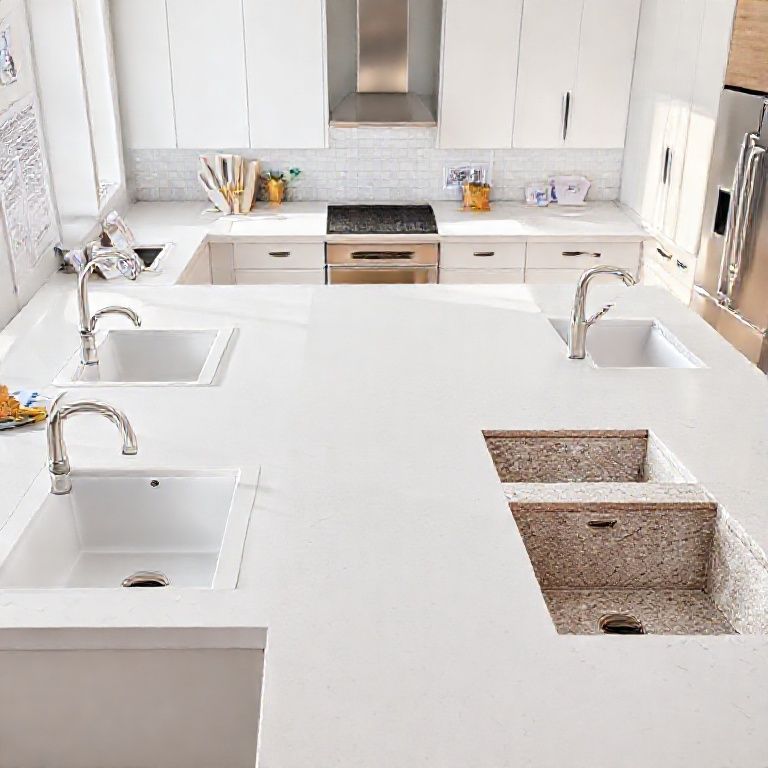
The manufacturing process for Corian involves mixing the mineral filler and acrylic resin with pigments and then casting it into sheets or shapes. This process allows for incredible design flexibility. Because Corian is homogenous, it can be cut, routed, sanded, and joined seamlessly using special adhesives that render the seams virtually invisible. This ability to create flowing, monolithic surfaces is one of Corian’s most celebrated attributes. Furthermore, its thermoformability means it can be heated and bent into curves and complex shapes, opening up a world of design possibilities that are simply unattainable with rigid slab materials like quartz or granite. Imagine a waterfall countertop that seamlessly transitions into a curved island base, or a reception desk with a gentle, organic form. This plasticity is a hallmark of Corian’s unique character.
The distinction in composition directly impacts their properties and applications. Artificial stone, particularly high-quality quartz surfaces, often excels in environments demanding extreme durability and resistance to heat and abrasion. Think of busy commercial kitchens, laboratories, or high-traffic residential areas where the surface will be subjected to constant use. Its inherent hardness makes it incredibly resistant to chips and scratches. The wide array of colors and patterns available in quartz surfaces allows them to convincingly mimic natural stone, offering a luxurious aesthetic without the associated maintenance.
Corian, while also durable and non-porous, shines in applications where seamless integration, unique forms, and a warmer, more tactile feel are paramount. Its ability to be thermoformed allows for creative architectural features, integrated sinks that blend seamlessly with countertops, and furniture designs that defy conventional limitations. The homogenous nature means that scratches or minor damage can often be sanded out, restoring the surface to its original beauty. This reparability is a significant advantage for long-term value. The aesthetic of Corian is often described as more matte and softer to the touch compared to the often glossy finish of quartz surfaces. This can lend itself to different design sensibilities, offering a more understated elegance.
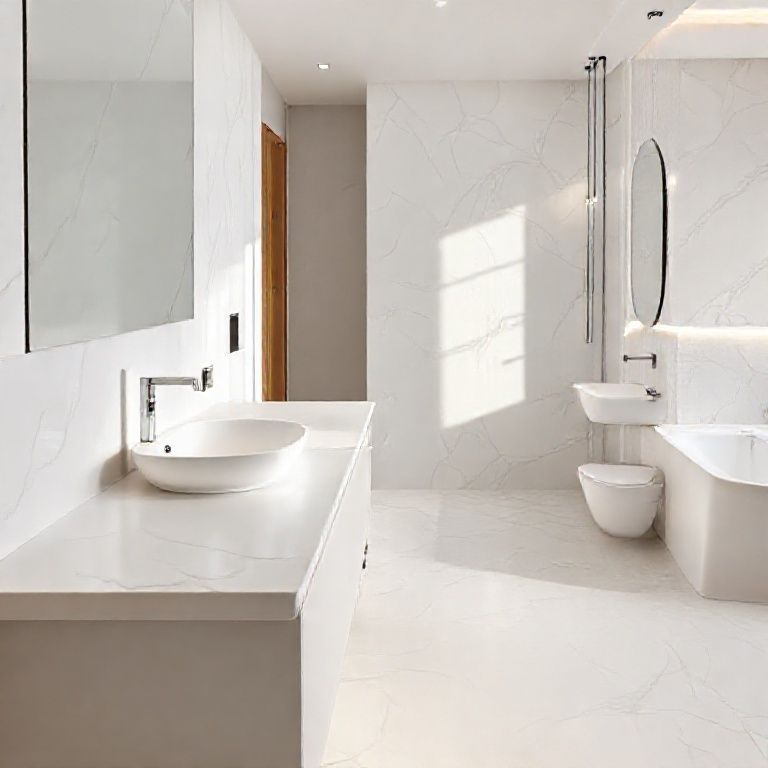
The journey into the world of artificial stone and Corian continues as we delve deeper into their aesthetic characteristics, practical advantages, and the nuanced considerations that guide their selection for various projects. While both offer modern, sophisticated alternatives to traditional materials, their visual languages and functional strengths cater to distinct design aspirations.
Aesthetically, the difference often lies in the inherent nature of their composition and the way they are presented. Artificial stone, especially quartz surfaces, aims to replicate or enhance the natural beauty of stone. This often translates into designs that mimic the organic variations, veining, and speckling found in granite, marble, or onyx. The pigments and binders are carefully formulated to achieve these intricate patterns, offering a visually rich and often dramatic appearance. The finish of quartz surfaces is typically polished to a high gloss, reflecting light and adding a sense of opulence to a space. While patterns can be very consistent, skilled manufacturers can introduce subtle variations to enhance the naturalistic feel. The sheer breadth of design options available in quartz surfaces is remarkable, ranging from classic marble looks with dramatic veining to contemporary concrete finishes and bold, abstract patterns. This versatility makes it a popular choice for those seeking the timeless appeal of natural stone with enhanced performance.
Corian, on the other hand, presents a different aesthetic palette. Its homogenous nature means that its colors and patterns are uniform throughout. This can lead to a more minimalist and clean aesthetic, characterized by solid colors, subtle mottling, or gentle, abstract patterns. The matte finish of Corian can offer a sophisticated, understated elegance that complements a wide range of interior styles, from modern and minimalist to Scandinavian and even some contemporary traditional designs. The seamless integration possible with Corian, particularly with sinks and backsplashes, contributes to an unbroken, fluid visual line that enhances the sense of spaciousness and cleanliness. While it doesn’t aim to perfectly mimic natural stone, Corian offers its own unique beauty, characterized by its smooth texture, consistent color, and the ability to create visually striking, custom-designed elements. The thermoforming capability also allows for unique, sculpted forms that are inherently artistic.
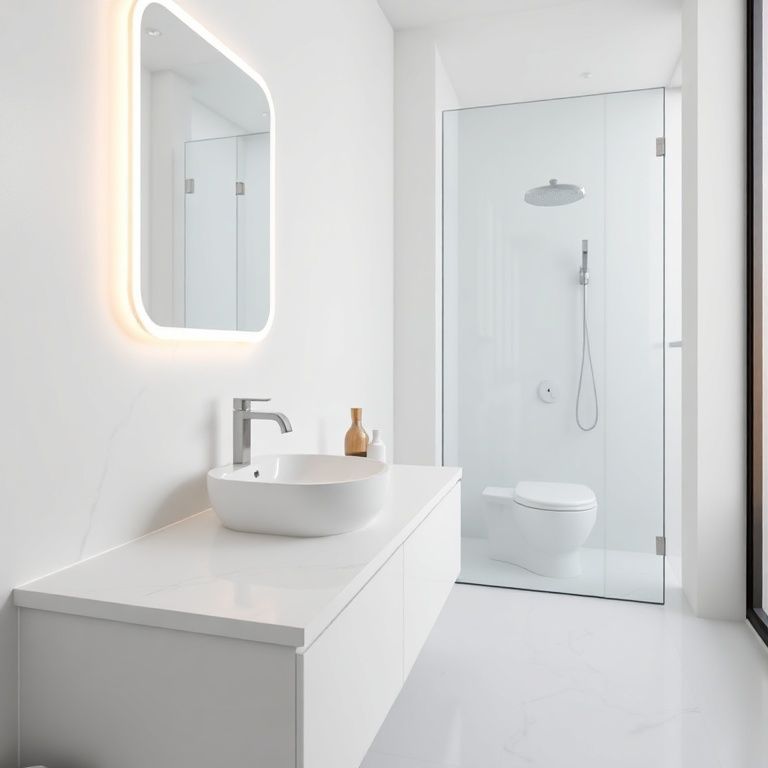
When considering practical advantages, both materials offer significant benefits over natural stone, but their strengths lie in different areas. For artificial stone, particularly quartz surfaces, the primary advantage is its exceptional durability and low maintenance. Its non-porous nature means it is highly resistant to staining from common household culprits like wine, coffee, and oil. This makes it an ideal choice for kitchens and bathrooms where spills are frequent. Its resistance to scratches and impact is also a major selling point, allowing homeowners to chop directly on the surface in some cases (though cutting boards are always recommended for longevity). The heat resistance of quartz surfaces is generally very good, but it’s important to note that prolonged exposure to extreme heat can still cause damage, so trivets are advisable. Cleaning is typically a simple matter of wiping with soap and water or a mild household cleaner.
Corian’s practical advantages are centered around its seamlessness, reparability, and design flexibility. The ability to create integrated sinks and backsplashes eliminates grout lines and crevices, which are notorious breeding grounds for bacteria and difficult to clean. This makes Corian an excellent choice for healthcare settings, laboratories, and any environment where hygiene is paramount. As mentioned earlier, its thermoformability opens up a world of design possibilities, allowing for custom-designed countertops, integrated seating, reception desks, and even artistic installations. The reparability of Corian is another significant advantage. Minor scratches, chips, or even burns can often be sanded out by a professional, effectively restoring the surface to its original condition. This can be a substantial cost-saving measure over the lifetime of the material. While Corian is resistant to stains and impacts, its acrylic composition means it may be slightly more susceptible to scratches and heat damage compared to high-quality quartz surfaces. However, the ease of repair often mitigates these concerns.
The choice between artificial stone and Corian often comes down to a careful consideration of priorities. If the primary goal is to achieve the look of natural stone with superior durability and minimal maintenance, and the design favors classic slab applications, then artificial stone, particularly quartz surfaces, is likely the preferred choice. Its hardness, stain resistance, and wide range of naturalistic patterns make it a workhorse for busy kitchens, bathrooms, and commercial spaces.
However, if the design calls for seamless integration, unique shapes, custom curves, a more tactile and understated aesthetic, or a material that can be easily repaired and renewed, then Corian emerges as the superior option. Its ability to be thermoformed and seamlessly joined makes it ideal for creating flowing, monolithic designs that push the boundaries of conventional interior design. It offers a different kind of beauty – one of fluidity, seamlessness, and adaptable form.
Ultimately, both artificial stone and Corian represent advancements in surfacing materials, offering compelling alternatives to traditional options. They are testament to human ingenuity in creating materials that are not only beautiful and functional but also designed to enhance our daily lives. Whether one chooses the robust elegance of quartz or the adaptable artistry of Corian, the result is a surface that tells a story of modern living, where aesthetics and performance converge to create spaces that are both inspiring and enduring. The “difference” is not a matter of superiority, but of distinct capabilities, each waiting to be harnessed for the perfect design vision.









