
In the realm of contemporary design, the materials we choose for our surfaces speak volumes. They are the silent storytellers of our spaces, dictating not only aesthetics but also functionality and longevity. Among the most popular and versatile contenders are acrylic and solid surface, often grouped under the umbrella of “artificial stone” but possessing distinct personalities and capabilities. For those navigating the exciting landscape of renovation or new construction, understanding the nuances between these two materials is key to making informed decisions that will resonate for years to come. This article embarks on a visual and intellectual journey, dissecting the differences between acrylic and solid surface, aiming to equip you with the clarity needed to select the perfect foundation for your design aspirations.

Let’s begin by demystifying the terms. While both acrylic and solid surface are engineered materials, their compositions and manufacturing processes lead to significant divergences. Acrylic, often referred to by brand names like Corian® (though Corian is technically a type of solid surface that pioneered the category, it’s sometimes used colloquially), is a polymer-based material. Its primary component is methyl methacrylate (MMA) and poly (methyl methacrylate) (PMMA). This composition lends acrylic a certain pliability during fabrication, allowing for seamless curves, thermoforming into complex shapes, and an almost liquid-like ability to be molded. Visually, acrylic often presents a more translucent quality, allowing light to pass through it, which can create a beautiful, ethereal glow, especially in lighter colors. Its surface is non-porous, making it highly resistant to stains and bacteria, a significant advantage in hygiene-sensitive environments like kitchens and bathrooms. The ability to seamlessly integrate sinks and backsplashes is a hallmark of acrylic, contributing to its sleek, monolithic aesthetic. When scratched, acrylic can often be repaired by sanding and polishing, a testament to its homogeneous nature – the color and pattern extend all the way through the material. This inherent reparability is a significant draw for designers and homeowners seeking enduring beauty.
Solid surface, on the other hand, is a composite material typically made from a blend of acrylic or polyester resins and natural minerals, most commonly alumina trihydrate (ATH). The ATH acts as a filler, contributing to the material’s hardness and fire-retardant properties. While acrylics are primarily resin-based, solid surfaces incorporate a more substantial mineral component. This difference in composition impacts their physical properties and aesthetic range. Solid surfaces also boast a non-porous, hygienic surface, mirroring acrylic’s benefits in resisting stains and microbial growth. However, the visual character can differ. While many solid surfaces mimic the appearance of natural stone, some also offer a spectrum of solid colors and patterns, including those that emulate the translucence of acrylic. The fabrication of solid surface is similar to acrylic in that it can be cut, routed, and seamed to create a seamless appearance. However, its thermoforming capabilities might be more limited compared to pure acrylic, especially for very intricate or tight curves. The depth of color and pattern in solid surface can vary; some designs have a more uniform distribution, while others feature particulates that mimic the veining or speckling of natural stone. Repairing solid surface also involves sanding and polishing, but the depth of the repair might be influenced by the specific composition and the depth of the scratch. The sheer diversity of designs available within the solid surface category is vast, offering options that range from minimalist elegance to bold, statement-making patterns.
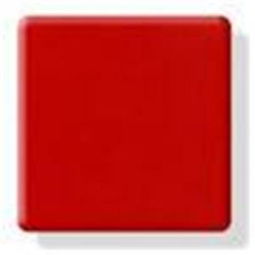
The visual comparison is where these materials truly reveal their souls. Imagine a sleek, minimalist kitchen island. In acrylic, it might exhibit a soft, diffused luminescence, with a countertop that seems to flow effortlessly into an integrated sink, creating a singular, sculpted form. The edges might be radiused with a gentle, organic curve, inviting touch. The color, perhaps a pearlescent white or a soft dove grey, would possess a subtle depth, hinting at the material’s internal structure. Now, picture the same island rendered in solid surface. It could present a bolder, more grounded presence, perhaps with a pattern that mimics the subtle marbling of quartz or the earthy tones of granite. The edges might be crisper, sharper, lending a more architectural feel. If the design calls for it, a solid surface can convincingly replicate the look of natural stone, offering a sophisticated alternative that bypasses the inherent porosity and maintenance challenges of its natural counterparts. The tactile experience also differs subtly. Acrylic often feels warmer to the touch, a pleasant characteristic in living spaces. Solid surface, with its higher mineral content, can sometimes feel cooler, more akin to stone.
The choice between acrylic and solid surface often boils down to specific design intentions and functional priorities. For applications demanding intricate curves, seamless integration of complex shapes, or a luminous, ethereal quality, pure acrylic often takes the lead. Think of bespoke reception desks, futuristic furniture, or bathroom vanities where a seamless, sculpted basin is paramount. The inherent thermoforming capabilities of acrylic open up a world of design possibilities that are challenging to achieve with other materials. Its ability to be shaped and molded into virtually any form makes it a designer’s dream for creating unique, statement pieces. Furthermore, the subtle translucence of acrylic can be leveraged to create backlighting effects, adding another layer of visual interest and ambiance to a space. This characteristic is particularly appealing in hospitality and retail design, where creating a memorable and engaging atmosphere is crucial.
On the other hand, solid surface excels when a broad spectrum of realistic stone imitations is desired, or when a material that offers a robust, stone-like feel with the benefits of engineered consistency is preferred. For kitchen countertops where the look of granite or marble is sought without the sealing and maintenance requirements, solid surface is an excellent choice. Its durability and resistance to impact, coupled with its non-porous nature, make it a highly practical option for high-traffic areas. The vast array of colors and patterns available within the solid surface category means that achieving a specific aesthetic, from classic elegance to contemporary boldness, is readily achievable. The ability to create seamless joints and integrate sinks further enhances its appeal for functional yet beautiful surfaces. The economic aspect can also play a role; while both are premium materials, the price point can vary significantly depending on the specific product, brand, and complexity of the design. Generally, solid surface might offer a more accessible entry point into the world of engineered countertops, while some of the more specialized or highly customized acrylic applications can command a higher price. However, this is not a hard and fast rule, and comparing quotes for specific projects is always advisable.
Continuing our exploration into the nuanced world of acrylic and solid surface, we delve deeper into their practical considerations and the subtle ways they influence the overall user experience. Beyond their aesthetic appeal and fundamental composition, the performance characteristics of these materials in daily life are paramount. Both acrylic and solid surface are celebrated for their non-porous nature, a feature that offers significant advantages in terms of hygiene and ease of maintenance. This inherent quality means that spills, whether they be red wine, coffee, or oil, do not penetrate the surface, preventing staining and the proliferation of bacteria. Cleaning is typically straightforward, often requiring nothing more than a damp cloth and mild detergent. This low-maintenance aspect is a major selling point for busy households and commercial spaces where time and resources for upkeep are at a premium.
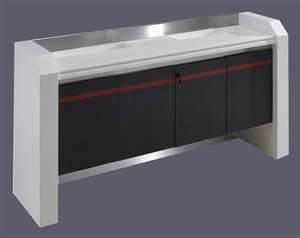
However, the degree of scratch resistance and heat resistance can vary between different formulations of acrylic and solid surface. While both are generally more resistant to scratches than natural stone like marble, deep gouges or abrasive cleaning can still leave their mark. Acrylic, being a polymer, can be somewhat softer than some solid surfaces. This means that while it’s easy to repair, it might be more susceptible to fine scratches from everyday use if not treated with care. Using cutting boards and avoiding abrasive scouring pads are universal recommendations for both materials. Solid surfaces, particularly those with a higher mineral content, can offer a more robust resistance to scratches. When it comes to heat, neither material is entirely impervious to damage from direct contact with hot pots and pans. Trivets and heat pads are essential for both. However, some solid surfaces might exhibit slightly better thermal stability than certain acrylics. It’s always prudent to consult the manufacturer’s specifications for the particular product being considered, as performance can differ significantly even within the same broad category.
Fabrication is another area where subtle differences emerge, impacting design flexibility and installation. As mentioned earlier, acrylic’s polymer base lends itself exceptionally well to thermoforming. This means it can be heated and bent into complex curves and shapes, allowing for truly bespoke designs that are difficult or impossible to achieve with solid surface. Imagine a reception desk that sweeps in a graceful arc, or a countertop that incorporates an organically shaped, integrated drainboard. These are the kinds of unique forms that acrylic can readily embody. Seams in acrylic can be rendered virtually invisible, creating a seamless, monolithic appearance that enhances its fluidity. The ability to machine acrylic with precision also allows for intricate detailing and inlay work.
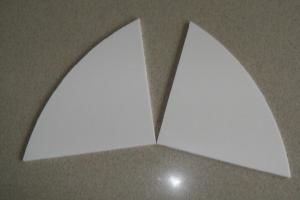
Solid surface fabrication is also highly skilled, enabling seamless joints, integrated sinks, and edge profiles of various designs. While some solid surfaces can be thermoformed, the radius achievable might be more limited compared to pure acrylic, particularly for very tight curves. The beauty of solid surface lies in its versatility in mimicking the look of natural stone, and its fabrication techniques are optimized to achieve this realism. The seamless integration of sinks and backsplashes is a hallmark of solid surface, contributing to its clean, hygienic, and aesthetically pleasing finish. The jointing in solid surface is also designed to be inconspicuous, often filled with a color-matched adhesive that creates a visually unbroken surface. This aspect is crucial for achieving the desired seamless aesthetic, especially in kitchens and bathrooms where water resistance and ease of cleaning are paramount.
The visual impact of these differences can be significant in the final application. In a modern kitchen, an acrylic countertop might offer a subtly luminous surface that feels almost warm to the touch, with a waterfall edge that flows seamlessly to the floor, creating a dramatic and sculptural centerpiece. The integrated sink, also in acrylic, would appear as a natural extension of the countertop, eliminating grout lines and creating an unparalleled level of hygiene. Conversely, a solid surface countertop might present a more grounded and substantial feel, perhaps featuring a veined pattern that convincingly emulates natural marble. The edge might be a classic bullnose or a modern eased edge, offering a refined finish. The integrated sink in solid surface would also be seamless, providing the same practical benefits. The choice here often hinges on whether the desired aesthetic leans towards the fluid, sculptural possibilities of acrylic or the more classic, stone-like realism offered by solid surface.
Color and pattern variety is another key differentiator. Acrylics are available in a wide spectrum of colors, from vibrant hues to subtle pastels and sophisticated neutrals. Many acrylics also offer a degree of translucence, allowing for creative backlighting applications that can transform a space. Some acrylics feature subtle speckles or veining, but their primary strength often lies in their solid, uniform colors and their ability to capture light. Solid surfaces, on the other hand, boast an extensive range of designs that aim to replicate the aesthetics of natural materials like granite, marble, quartz, and even concrete. The particulate and veining patterns in solid surface are often more pronounced, designed to mimic the natural variations found in stone. This vast selection makes solid surface a compelling choice for designers who want the look and feel of natural stone without its associated maintenance or cost. However, solid surface also offers a substantial collection of solid colors, ranging from matte finishes to high-gloss options, providing a broad palette for diverse design schemes.
When considering the long-term value and repairability, both materials offer advantages. The homogeneous nature of acrylic means that scratches and minor damage can often be sanded out and the surface polished back to its original glory. This makes acrylic a durable choice for areas that experience significant wear and tear, as its beauty can be restored. Similarly, solid surface can be repaired through sanding and polishing, though the depth of repair might be influenced by the specific composition and the design of the material. For instance, a heavily patterned solid surface might be more forgiving of minor imperfections than a very uniform, high-gloss finish. The key takeaway is that both materials are designed for longevity and are repairable, extending their lifespan and offering a sustainable choice in surface materials.
Ultimately, the decision between acrylic and solid surface is a personal one, guided by the specific requirements of the project, the desired aesthetic, and the practical considerations of daily use. Visual comparison, as facilitated by images and videos (like those suggested by the theme “亚克力与人造石的区别图片对比大全视频”), is an invaluable tool in this process. By carefully examining the way light interacts with each material, the depth and complexity of their patterns, and the way they can be shaped and integrated into a design, one can begin to appreciate their unique strengths. Whether the vision calls for the fluid, sculptural artistry of acrylic or the robust, natural-inspired elegance of solid surface, understanding their distinctions empowers designers and homeowners to create spaces that are not only beautiful but also functional and enduring. The world of engineered surfaces offers a wealth of possibilities, and a thorough understanding of acrylic and solid surface is a crucial step towards unlocking their full potential.









