
The world of surfaces is a fascinating one, a canvas upon which we paint our living spaces. Among the most enduring and sought-after materials are stones, each possessing a unique story, a distinct character. For centuries, natural stone has reigned supreme, its raw beauty a testament to the slow, deliberate artistry of nature. Yet, in recent decades, a formidable contender has emerged: man-made stone. This engineered marvel offers a compelling alternative, blurring the lines between nature’s perfection and human ingenuity. The choice between the two is not merely a matter of preference; it’s an exploration of origins, aesthetics, performance, and the very essence of the spaces we create.

Natural stone is, quite literally, a piece of the Earth’s history. Formed over millennia through geological processes, it carries an inherent depth and complexity that is virtually impossible to replicate. Think of granite, born from the fiery heart of volcanoes, its crystalline structure shimmering with a thousand tiny facets, each a testament to immense pressure and heat. Or consider marble, the elegant metamorphosed limestone, its veins a delicate whisper of ancient seabeds, its smooth, cool surface a tactile delight. Then there’s travertine, with its distinctive Pockmarks, a porous beauty sculpted by mineral-rich waters, or slate, a metamorphic marvel that cleaves into thin, durable sheets, revealing its layered past. Each type of natural stone offers an unparalleled aesthetic, a one-of-a-kind masterpiece forged by time. The variations within a single slab are astounding – no two pieces are ever truly identical. This inherent uniqueness is part of its allure, a guarantee that your countertop, your floor, or your fireplace will be unlike any other. It’s this raw, untamed beauty that captivates designers and homeowners alike, a connection to something ancient and profound.
However, this natural artistry comes with certain considerations. The very processes that create natural stone also imbue it with characteristics that can influence its performance in a domestic setting. Porosity, for instance, is a significant factor. Many natural stones, like marble and travertine, are relatively porous, meaning they can absorb liquids. This makes them susceptible to staining if spills are not wiped up promptly, and can also make them more vulnerable to etching from acidic substances like lemon juice or vinegar. While regular sealing can mitigate these risks, it’s a maintenance task that needs to be incorporated into your routine. The hardness of natural stones also varies. While granite is renowned for its exceptional durability and resistance to scratches and heat, softer stones like marble can be more prone to damage from sharp objects or hot pans.
Furthermore, the sourcing of natural stone has environmental implications. Quarrying is an energy-intensive process, and the transportation of heavy slabs across continents contributes to carbon emissions. While many quarries are striving for more sustainable practices, the inherent nature of extracting large quantities of rock from the Earth is a complex issue. The variability of natural stone can also present challenges during installation. Sourcing multiple slabs that perfectly match in color and pattern can be difficult, and the natural imperfections, while beautiful, may require careful consideration during layout to achieve a desired visual effect. Despite these points, the enduring appeal of natural stone remains undeniable. Its timeless elegance, its inherent beauty, and the sense of connection it provides to the natural world continue to make it a cherished material in countless homes and architectural marvels. It speaks of tradition, of permanence, and of a beauty that transcends fleeting trends.

In contrast to the geological ballet of natural stone, man-made stone, often referred to as engineered stone, is a product of precise human engineering. This category encompasses a range of materials, with quartz surfaces being the most prominent and widely adopted. These surfaces are typically composed of approximately 90-95% natural quartz crystals, bound together with polymer resins and pigments. The manufacturing process allows for an extraordinary degree of control over the final product. The raw quartz is crushed and mixed with resins, creating a dense, non-porous material. Pigments are added to achieve a vast spectrum of colors and patterns, from solid hues to intricate veining that mimics natural marble or granite with remarkable fidelity. This engineered nature brings with it a host of performance advantages that have made man-made stone a popular choice for kitchens, bathrooms, and high-traffic areas.
The most significant benefit of engineered stone, particularly quartz, is its exceptional durability and low maintenance. Because it is non-porous, it is highly resistant to staining, making it ideal for surfaces that come into contact with food, beverages, and household chemicals. You can spill red wine, coffee, or even harsh cleaning agents, and with a quick wipe, the surface will remain pristine. This inherent resistance also means that engineered stone is less prone to harboring bacteria, contributing to a more hygienic environment. Furthermore, the high quartz content makes these surfaces incredibly hard, offering excellent resistance to scratches and chips. While no material is entirely indestructible, engineered quartz comes remarkably close for everyday use. It can withstand the rigors of a busy kitchen, from chopping and dicing to the placement of hot pots and pans (though the use of trivets is always recommended to protect the resin binders).
The controlled manufacturing process also allows for a consistent and predictable aesthetic. If you fall in love with a particular pattern and color, you can be assured that subsequent slabs will be virtually identical, simplifying the selection and installation process. This consistency is invaluable for large projects or when matching existing elements in a design. The design possibilities are also virtually limitless. Manufacturers can create surfaces that replicate the look of classic marble without the inherent maintenance issues, offer bold, contemporary colors, or even incorporate unique textures and finishes. This versatility allows designers and homeowners to achieve a specific aesthetic vision with confidence. From a sleek, minimalist kitchen to a grand, traditional bathroom, engineered stone can adapt to a wide range of styles.
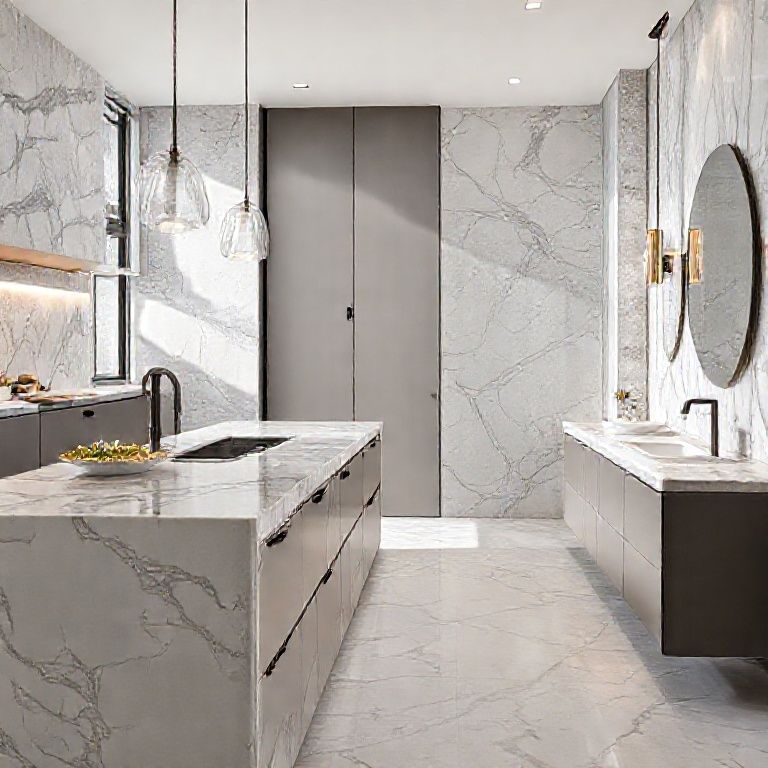
From a sustainability perspective, engineered stone offers a different, though not necessarily superior, story to natural stone. The manufacturing process is energy-intensive, but by utilizing natural quartz, a widely abundant mineral, and creating a highly durable product that is designed to last for decades, it can be considered a long-term, sustainable choice. Furthermore, many manufacturers are incorporating recycled content into their products and are investing in more energy-efficient production methods. The consistency in size and shape of engineered slabs can also lead to less waste during fabrication compared to the irregular shapes and patterns of natural stone.
Ultimately, the choice between man-made and natural stone is a personal one, guided by your aesthetic preferences, your lifestyle, and your priorities. Natural stone offers a unique, timeless beauty and a connection to the Earth’s history, a testament to the slow, exquisite artistry of nature. Man-made stone, on the other hand, provides a remarkable combination of durability, low maintenance, and design versatility, born from human innovation and precision. Both materials have the power to transform a space, to elevate its character, and to become a cherished part of your home for years to come. Understanding their individual strengths allows you to make a decision that is not only beautiful but also perfectly suited to your needs.









