
The world of interior design is a fascinating tapestry woven with threads of innovation, functionality, and aesthetics. Among the most impactful choices we make in shaping our living and working spaces are those concerning surfaces. From the heart of the kitchen to the serenity of the bathroom, countertops and wall claddings play a starring role, influencing both the mood and the practicality of an environment. Today, we’re diving deep into two prominent contenders in the realm of seamless, customizable, and contemporary surfacing: acrylic and solid surface. While often mentioned in the same breath, these materials possess distinct characteristics that can significantly sway the outcome of your design aspirations.

Imagine a material that can be molded into virtually any shape, boasts a luminous depth, and offers a palette of colors as diverse as your imagination. This is the allure of acrylic, a polymer renowned for its versatility and modern appeal. Often confused with its close relative, solid surface, acrylic (specifically, polymethyl methacrylate or PMMA) is a thermoplastic that can be cast or extruded. Its inherent translucence allows for stunning backlighting effects, creating an ethereal glow that can transform a space. Think of softly lit bar tops, reception desks that command attention, or shower walls that emanate a spa-like ambiance. The seamless nature of acrylic is a significant draw. Joints can be virtually eliminated through specialized bonding techniques, resulting in a smooth, hygienic surface that is remarkably easy to clean and maintain. This lack of grout lines makes it an excellent choice for healthcare settings or any environment where cleanliness is paramount. Furthermore, acrylic’s non-porous nature means it resists staining from common household spills, from coffee to red wine.
The aesthetic possibilities with acrylic are vast. It can mimic the look of frosted glass, natural stone, or even vibrant, opaque colors. Its workability allows designers to achieve intricate curves, sharp angles, and integrated sinks and backsplashes that flow seamlessly from the countertop. This level of design freedom is particularly valuable for bespoke projects where unique forms and visual statements are desired. When it comes to durability, acrylic is known for its impact resistance, making it less prone to chipping or cracking than some natural materials. However, it’s important to note that acrylic can be susceptible to scratching, especially in high-traffic areas. While scratches can often be buffed out, this is a consideration for kitchens or areas prone to abrasive use. The repairability of acrylic is a double-edged sword; minor scratches can be addressed, but significant damage might require more involved repairs or even replacement of sections.
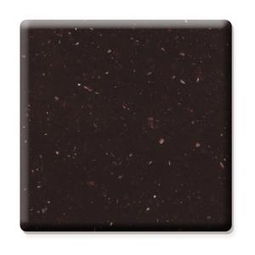
The cost of acrylic surfaces can vary significantly depending on the manufacturer, the complexity of the design, and the specific type of acrylic used. Generally, it falls into a mid to high-end price bracket. Custom fabrication, intricate designs, and specialized finishes will naturally command a higher price point. However, when you consider the design flexibility, the luminous aesthetic, and the hygienic properties, the investment can be well justified for projects seeking a truly unique and modern statement. Many designers and architects find acrylic to be an indispensable tool in their creative arsenal, enabling them to push the boundaries of conventional design and create spaces that are both visually striking and functionally superior. The material’s ability to be thermoformed – meaning it can be heated and bent into curves – opens up a world of possibilities for fluid, organic designs that are difficult or impossible to achieve with more rigid materials. This transformative quality makes acrylic a compelling choice for those who dare to be different.
Now, let’s turn our attention to the material often compared to acrylic: solid surface. While sharing some superficial similarities, solid surface is a composite material typically made from acrylic polymers and alumina trihydrate (ATH), a mineral filler derived from bauxite ore. This unique blend gives solid surface its characteristic durability, resilience, and its own set of aesthetic advantages. It is perhaps best known for its ability to create truly seamless installations, a feature that has revolutionized kitchen and bathroom design. Unlike many other countertop materials that require visible seams, solid surface can be fabricated and joined in such a way that the seams are virtually invisible to the naked eye. This not only creates a sleek, uninterrupted look but also eliminates potential breeding grounds for bacteria and makes cleaning incredibly easy.
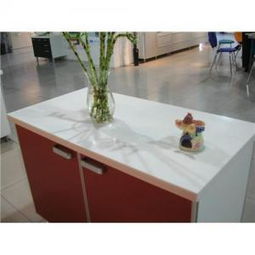
The non-porous nature of solid surface is a significant advantage. It means that liquids, spills, and stains don’t penetrate the material, preventing discoloration and making it highly resistant to mold and mildew. This makes it an ideal choice for kitchens, bathrooms, and even laboratories. The hygienic properties are a major selling point, especially in residential and commercial settings where cleanliness is a priority. In terms of aesthetics, solid surface offers a vast spectrum of colors, patterns, and textures. From the subtle elegance of muted tones to bold, vibrant hues and patterns that mimic natural stone or granite, there’s a solid surface option to suit almost any design scheme. The material can also be translucent, allowing for some light to pass through, though typically not to the same luminous extent as pure acrylic. This offers a more subdued, sophisticated light play.
The durability of solid surface is another key factor in its popularity. It is resistant to impact and chipping, and importantly, it is repairable. Minor scratches, chips, or even burn marks can often be repaired by a qualified professional, restoring the surface to its original condition. This repairability contributes to the longevity of the material and can save homeowners significant costs over time compared to replacing damaged sections of other materials. The fabrication process for solid surface involves cutting, routing, and sanding, similar to woodworking. Integrated sinks and backsplashes are easily incorporated, contributing to the overall seamless and streamlined aesthetic. The warm-to-the-touch feel of solid surface is another subtle but appreciated characteristic, making it a more comfortable material to interact with than cold stone or metal. This tactile quality adds to the overall user experience.
When considering the price, solid surface typically falls into a mid-range category, often comparable to or slightly less expensive than granite or quartz, depending on the specific brand and color chosen. It offers a strong balance of performance, aesthetics, and cost-effectiveness, making it a very popular choice for both residential renovations and commercial projects. The ability to achieve a high-end look with a seamless finish at a competitive price point has cemented solid surface’s position as a go-to material for designers and homeowners alike. Its inherent flexibility in design, coupled with its practical benefits, makes it a truly multifaceted material capable of enhancing a wide array of spaces. The widespread availability of solid surface from numerous manufacturers means there’s a broad range of choices in terms of color, pattern, and price, allowing for tailored solutions for diverse budgets and design visions.
Continuing our exploration into the fascinating world of surfacing materials, we delve deeper into the practical considerations and comparative advantages of acrylic and solid surface. The initial choice between these two often hinges on the desired aesthetic, the intended use of the space, and budgetary constraints. While both offer seamless integration and a modern appeal, their performance characteristics, repairability, and cost structures present distinct profiles for discerning homeowners and designers.
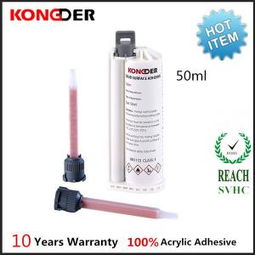
Let’s revisit the concept of ‘seamlessness’. Both acrylic and solid surface excel in this regard, offering a sleek, uninterrupted aesthetic that is both visually appealing and hygienically superior. However, the method of achieving this seamlessness and the degree of invisibility can differ. For solid surface, the proprietary adhesive used to bond pieces together is color-matched to the material itself, and the joint is then sanded and polished to a point where it becomes virtually undetectable. This is a testament to the material’s inherent blendability. Acrylic, on the other hand, relies on a specialized acrylic adhesive that essentially melts and fuses the two pieces of acrylic together at a molecular level. This creates an incredibly strong bond, and when executed correctly by experienced fabricators, the seam is also rendered nearly invisible. The key differentiator here might be the visual depth perception. With solid surface, the seam is a bond line within a composite material. With acrylic, especially when dealing with translucent variants, the bonded area can sometimes appear slightly different in light transmission compared to the rest of the sheet, though this is often subtle and depends heavily on the skill of the fabricator and the specific formulation of the acrylic.
When we talk about durability and longevity, the conversation becomes more nuanced. Acrylic is generally less dense than solid surface. This means it can be more susceptible to scratches and abrasions from daily wear and tear. While minor scratches on acrylic can often be buffed out, requiring specific polishing compounds and techniques, deeper gouges or significant damage might necessitate professional repair or even panel replacement. Think of it like a car’s clear coat; minor swirls can be polished out, but a deep scratch needs more attention. Solid surface, due to its composition with mineral fillers, tends to be more resistant to everyday scratches than pure acrylic. Moreover, its repairability is a major advantage. A qualified fabricator can often sand down and repair scratches, chips, and even minor burns, effectively making the surface look like new again. This is a significant factor for kitchens, where knives, hot pans, and heavy pots are regularly used.
The ‘warmth’ of a surface is a subjective but important sensory aspect. Both acrylic and solid surface are generally warmer to the touch than materials like natural stone or quartz. This is because they are less thermally conductive, meaning they don’t absorb heat from your hands as quickly. This creates a more inviting and comfortable tactile experience, particularly for areas like kitchen countertops where you’ll be leaning, preparing food, or simply resting your arms. Some users report a slight difference, with solid surface perhaps feeling marginally warmer, but this is often a matter of individual perception.
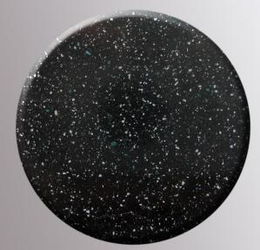
The visual spectrum offered by each material is another area of significant divergence. Acrylic, particularly cast acrylic, can achieve a remarkable depth and luminosity. Its inherent translucence makes it ideal for backlighting, creating dramatic effects that are difficult to replicate with solid surface. Imagine a waterfall edge countertop that appears to glow from within, or a reception desk that casts a soft, inviting light. This makes acrylic a favored choice for high-end commercial spaces, architectural features, and luxury residential projects where a unique visual statement is desired. Solid surface, while offering an extensive range of colors and patterns, typically has a more opaque quality. While some solid surface materials can be specified with a degree of translucence, it generally doesn’t offer the same vibrant, light-diffusing capabilities as pure acrylic. However, solid surface excels in mimicking the look of natural materials. You can find options that convincingly replicate granite, marble, or quartz, offering a sophisticated aesthetic without the inherent porosity or maintenance challenges of natural stone. The patterns within solid surface are often particulate or veined, giving it a rich, layered appearance.
When we consider cost, the landscape is varied, but some general trends emerge. Pure acrylic, especially in custom shapes or with specialized finishes like translucence, can often be at the higher end of the spectrum. The complexity of fabrication, the need for specialized tools and expertise, and the cost of the raw material itself contribute to this. However, standard acrylic sheets in opaque colors might be more competitive. Solid surface, on the other hand, typically sits in a mid-range price point, often comparable to mid-grade granite or quartz. Its widespread availability, established manufacturing processes, and the balance it strikes between performance and aesthetics make it a very cost-effective choice for many applications. It’s crucial to get detailed quotes for both materials, factoring in fabrication, installation, and any specific design elements, as prices can fluctuate significantly based on these factors. For instance, a simple, straight-edged solid surface countertop in a standard color might be considerably less expensive than a similarly sized acrylic countertop with complex curves and a special finish.
In terms of application, the choice often becomes clearer. For environments where exceptional hygiene is paramount and a seamless, non-porous surface is non-negotiable, both materials shine. However, if the goal is to create dramatic visual effects with backlighting, or to achieve truly unique, organic shapes, acrylic might have the edge. For kitchens that see heavy daily use, where resistance to scratches and easy repairability are top priorities, solid surface often presents a more robust solution. In commercial settings like bars, restaurants, or retail spaces, the choice might depend on the desired brand image and the specific functional requirements. A bar that wants a glowing, modern look might opt for acrylic, while a restaurant seeking a durable, easy-to-clean surface for its dining tables or server stations might lean towards solid surface.
Ultimately, the decision between acrylic and solid surface is not about which material is definitively “better,” but rather which material is better suited to your specific project needs. Both offer modern aesthetics, hygienic properties, and design flexibility. Acrylic excels in luminosity, formability, and creating dramatic visual statements, making it a darling of avant-garde design. Solid surface, with its impressive durability, ease of repair, and wide range of finishes that can mimic natural materials, offers a practical and elegant solution for a vast array of applications. Understanding these distinctions – from the visual depth and light play of acrylic to the robust resilience and repairability of solid surface – is the key to unlocking the full potential of your design vision and making a choice that you will appreciate for years to come.









