
The landscape of interior design and architecture is in a constant state of evolution, driven by a relentless pursuit of materials that blend beauty with unwavering functionality. For decades, natural stone held an almost unchallenged reign in defining luxury and permanence in our living spaces. However, the dawn of the 21st century has witnessed the rise of a formidable contender: artificial stone, also known as engineered stone or quartz surfaces. These materials, meticulously crafted through advanced technological processes, offer a compelling alternative, often surpassing their natural counterparts in terms of consistency, durability, and a spectrum of aesthetic possibilities. They are not simply imitations; they are sophisticated creations born from innovation, designed to meet the demands of modern living and ambitious design visions.

The appeal of artificial stone lies in its inherent strengths. Unlike natural stone, which can be prone to variations in color, pattern, and even structural integrity due to its geological origins, engineered stone boasts a remarkable uniformity. This predictability is a boon for designers and homeowners alike, ensuring that the slab selected is precisely the slab that will be installed, eliminating costly surprises and facilitating seamless integration into any design scheme. Furthermore, the manufacturing process allows for the incorporation of pigments and resins that create an astonishing array of colors and patterns, from the timeless elegance of marble veining to the bold, contemporary hues that natural stone simply cannot replicate. This creative freedom opens up a universe of design possibilities, allowing for personalized spaces that truly reflect individual style.
Beyond aesthetics, the practical advantages of artificial stone are undeniable. Its non-porous nature makes it exceptionally resistant to stains, from the daily spills of coffee and wine to the more persistent challenges posed by oils and acids. This inherent resistance translates to a surface that is not only easier to clean and maintain but also more hygienic, inhibiting the growth of bacteria and mold. For busy households and commercial spaces where hygiene and resilience are paramount, this is a significant benefit. The durability is another key selling point. Engineered quartz, a prominent type of artificial stone, is renowned for its hardness, making it resistant to scratches, chips, and heat. This robust performance means that these surfaces can withstand the rigors of daily use without showing signs of wear, promising a long-lasting investment in your home or project.
The global market for artificial stone is vast and dynamic, with numerous brands vying for recognition and market share. These companies are not just manufacturers; they are innovators, constantly pushing the boundaries of material science and design. They invest heavily in research and development, exploring new formulations, enhancing performance characteristics, and refining aesthetic appeal. From pioneering new color palettes to developing textures that mimic the tactile feel of natural materials, these brands are at the forefront of shaping the future of surfaces. Choosing the right artificial stone brand can feel like a daunting task, given the sheer volume of options available. However, understanding the strengths and unique offerings of the leading players can illuminate the path towards making an informed decision that aligns with both your design aspirations and practical needs.
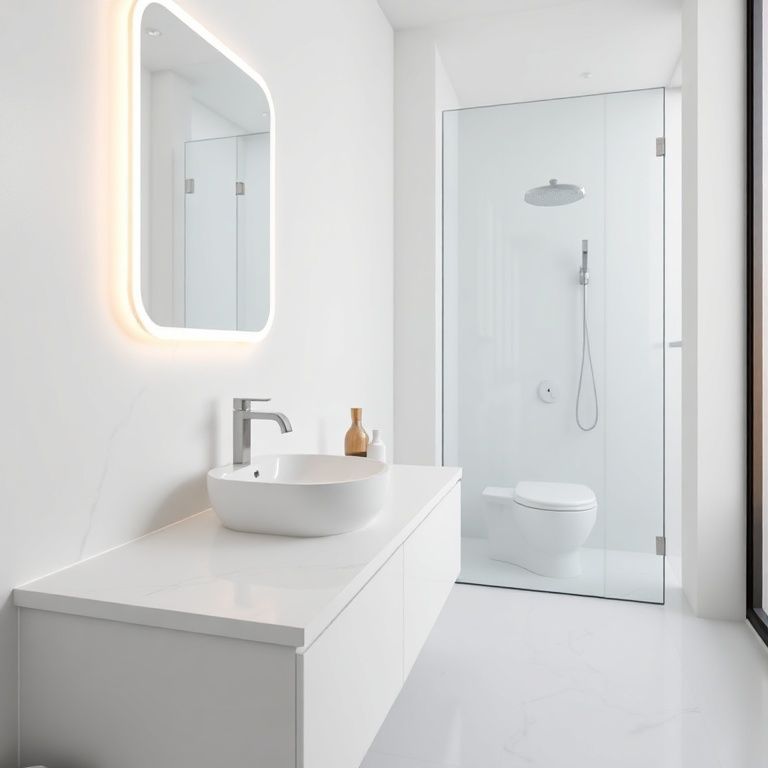
This article aims to demystify this complex market by presenting a curated selection of the top 10 artificial stone brands, recognized globally for their quality, innovation, and commitment to excellence. We will delve into what sets each of these brands apart, exploring their flagship product lines, their design philosophies, and the unique advantages they bring to the table. Whether you are embarking on a complete kitchen renovation, designing a luxurious bathroom, or seeking a durable and aesthetically pleasing surface for a commercial project, this guide will equip you with the knowledge to navigate the world of engineered stone and discover the brand that best suits your vision. The journey to finding the perfect surface is an exciting one, and with these leading brands, you are sure to find a material that not only elevates your space but also stands the test of time.
The meticulous crafting of artificial stone involves a sophisticated process that typically combines natural quartz crystals with resins, polymers, and pigments. This fusion, often achieved under intense heat and pressure, results in a composite material that inherits the desirable qualities of quartz – its strength and beauty – while overcoming the limitations of its natural counterpart. The resin binders are crucial, not only for holding the quartz particles together but also for creating the non-porous surface that is so prized for its stain and bacteria resistance. The precise ratios and manufacturing techniques employed by each brand contribute to their unique product characteristics, from the subtle variations in veining to the overall hardness and heat resistance.
For instance, some brands specialize in replicating the intricate patterns of natural marble with astonishing accuracy, offering a way to achieve the luxurious look without the inherent fragility or maintenance demands of real marble. Others focus on creating bold, solid colors or unique abstract designs that are impossible to find in nature, catering to a more avant-garde design sensibility. The development of different finishes – from high-gloss polished surfaces to more subtle matte or textured options – further expands the creative palette available to designers. These finishes can significantly alter the perceived quality and aesthetic of a space, and leading brands offer a diverse range of choices to suit various interior styles.
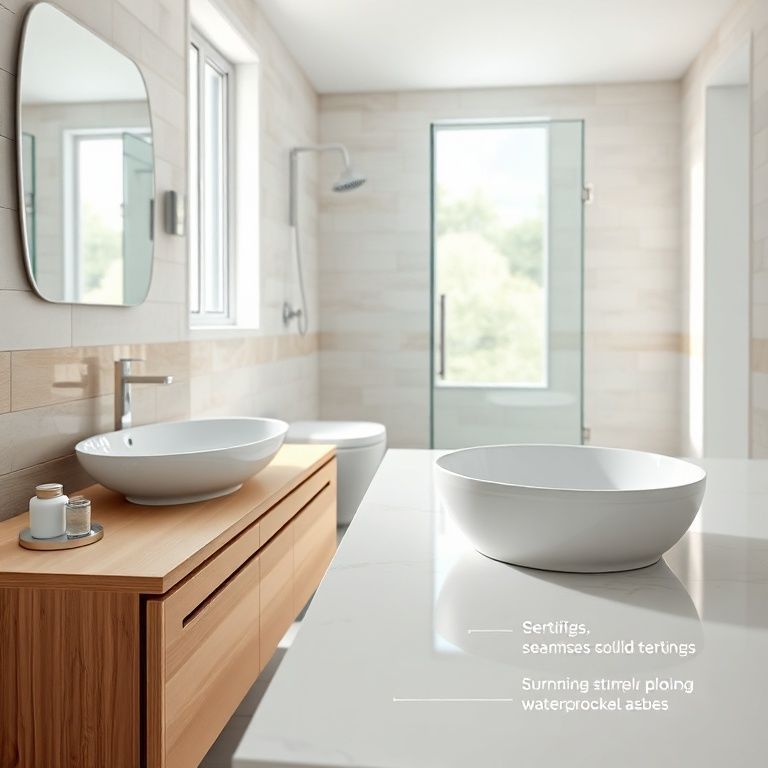
The environmental impact of building materials is also an increasingly important consideration for consumers and manufacturers alike. Many artificial stone brands are making significant strides in sustainability, utilizing recycled content in their products, optimizing manufacturing processes to reduce energy consumption and waste, and offering products that contribute to healthier indoor environments by emitting low VOCs (Volatile Organic Compounds). This commitment to eco-friendly practices is not just a trend; it’s a fundamental shift in how materials are conceived and produced, ensuring that beauty and functionality do not come at the expense of our planet. As we explore the top brands, we will touch upon their efforts in this crucial area, recognizing those who are leading the charge towards a more sustainable future for the design industry. The pursuit of the perfect surface is, therefore, a journey that encompasses not only aesthetics and performance but also responsibility and innovation.
Continuing our exploration into the world of superior surfaces, we now delve into the specific titans of the artificial stone industry that have consistently demonstrated innovation, quality, and design excellence. These are the brands that have not only mastered the art of creating visually stunning materials but have also set benchmarks for durability, performance, and customer satisfaction. Their commitment to pushing the boundaries of what’s possible with engineered stone has cemented their positions at the forefront of interior and architectural design.
At the pinnacle of the industry, brands like Caesarstone and Silestone have become synonymous with premium quartz surfaces. Caesarstone, a pioneer in the field, is renowned for its extensive range of colors and patterns, offering everything from classic neutrals to vibrant, on-trend hues. Their focus on meticulous craftsmanship ensures a consistent, high-quality product that is both aesthetically pleasing and exceptionally durable. Silestone, another global leader, distinguishes itself with its innovative features, such as its patented “Microban®” antimicrobial protection, which actively inhibits the growth of bacteria and mold, making it an ideal choice for kitchens and bathrooms where hygiene is paramount. Their ‘Eternal’ collection, which mimics the natural beauty of marble and other stones with remarkable realism, has been particularly well-received by designers and homeowners seeking the luxury of natural stone with the practicality of engineered quartz.
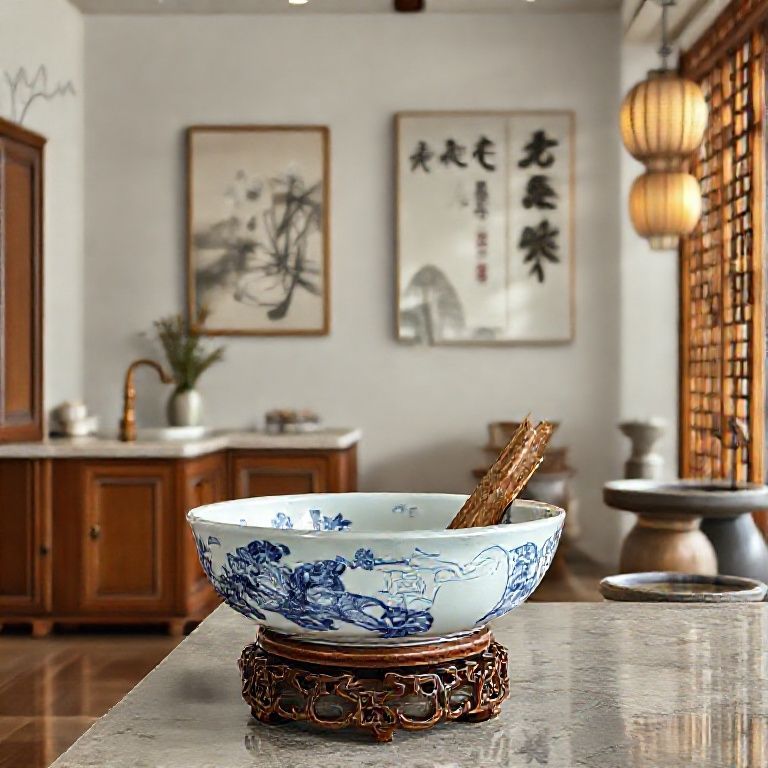
Emerging as a strong contender, Compac offers a sophisticated collection of engineered quartz surfaces that blend cutting-edge technology with artistic design. Compac’s commitment to innovation is evident in their diverse range of textures and finishes, including their unique “The Origins Collection,” which draws inspiration from natural elements, offering a tactile and visual experience that is both modern and timeless. Their surfaces are engineered for exceptional performance, boasting high resistance to stains, scratches, and impact, making them a reliable choice for high-traffic areas. The brand’s dedication to sustainability is also noteworthy, with many of their products incorporating recycled materials and manufactured using energy-efficient processes.
Further establishing their presence, brands like HanStone Quartz and Cambria have carved out significant niches through their distinct approaches. HanStone Quartz is celebrated for its broad spectrum of designs, from subtle, understated patterns to bold, statement-making surfaces. Their manufacturing process emphasizes the creation of surfaces that are not only beautiful but also highly functional, offering superior durability and ease of maintenance. Cambria, on the other hand, has positioned itself as a luxury quartz brand, focusing on intricate and unique designs that often mimic rare and exotic natural stones. Their commitment to producing 100% natural quartz, combined with advanced manufacturing, results in surfaces that are exceptionally hard, non-porous, and resistant to staining and scratching. Cambria’s emphasis on a fully integrated supply chain, from quarrying to fabrication, allows for unparalleled quality control and a consistent, premium product.
The realm of artificial stone also includes brands that excel in specific applications or offer unique aesthetic properties. Vicostone, for instance, has gained international recognition for its high-quality engineered quartz surfaces that are produced using advanced Bretonstone technology. Their collections are characterized by a sophisticated color palette and patterns that are both versatile and elegant, making them suitable for a wide range of residential and commercial projects. Vicostone’s focus on R&D ensures that their products continually meet evolving design trends and performance demands.
In the competitive landscape, LX Hausys (now LG Hausys), with its HI-MACS® brand, stands out as a leader in solid surface materials, which, while distinct from quartz, also falls under the umbrella of engineered stone. HI-MACS® is known for its seamless appearance, thermoformability, and a vast array of colors and patterns, offering incredible design flexibility for seamless countertops, integrated sinks, and complex architectural features. Its non-porous nature and ease of repair make it a practical and hygienic choice. Though often grouped with quartz, solid surface materials offer a different set of advantages, particularly for intricate designs and integrated applications where a truly seamless look is desired.
Finally, brands such as Radianz Quartz, Q Premium Quartz, and Inno Quartz continue to impress with their commitment to quality and design. Radianz Quartz, known for its innovative use of recycled glass and mirror flecks within its quartz matrix, offers a unique sparkle and aesthetic appeal. Q Premium Quartz distinguishes itself through its exceptional durability and a diverse range of designs that cater to various tastes, from minimalist to luxurious. Inno Quartz, while perhaps less globally ubiquitous than some of its counterparts, is recognized for its dedication to producing high-performance quartz surfaces that offer excellent value and a strong focus on customer service, ensuring that their materials integrate seamlessly into any design project.
The collective contributions of these top artificial stone brands paint a compelling picture of a material that is not only a practical choice but also a design-forward one. They have democratized luxury, offering the beauty and resilience once reserved for exclusive natural materials to a broader audience. Their ongoing innovation ensures that the future of surfaces will be even more exciting, with new possibilities in color, texture, performance, and sustainability continuing to emerge. Whether you prioritize the flawless mimicry of natural stone, the vibrant originality of contemporary design, or the unwavering resilience for demanding environments, one of these leading brands is sure to offer the perfect solution to elevate your space. The decision of which brand to choose ultimately rests on a combination of aesthetic preference, functional requirements, and budgetary considerations, but understanding these frontrunners provides a solid foundation for making that informed and inspired choice.









