
The hum of the kitchen, the quiet contemplation of a bathroom sanctuary – these spaces, more than any other, are where our daily lives unfold. They are stages for culinary creativity, havens for relaxation, and reflections of our personal style. For years, natural stone, with its inherent beauty and timeless appeal, reigned supreme as the material of choice for these intimate settings. However, a quiet revolution has been taking place, a sophisticated shift driven by innovation, versatility, and an ever-growing appreciation for the power of “Ren Zao Shi” – artificial stone.

The term itself, “Ren Zao Shi,” literally translating to “man-made stone,” might initially conjure images of something less authentic, a pale imitation. But to dismiss it as such would be to overlook a brilliant evolution in material science and design. Far from being a mere substitute, artificial stone has emerged as a distinct and compelling category, offering a unique set of advantages that are reshaping how we conceive of and create our living spaces. It’s a story of ingenuity, where science and art converge to deliver surfaces that are not only aesthetically captivating but also remarkably practical.
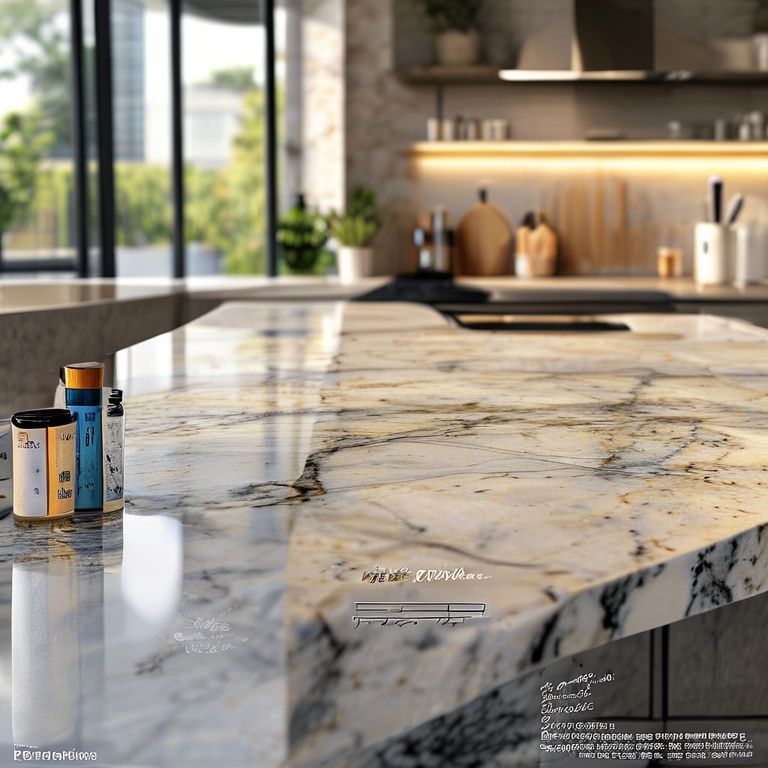
What exactly is this “Ren Zao Shi”? The landscape is wonderfully diverse, encompassing several key categories, each with its own unique composition and characteristics. Quartz surfaces, perhaps the most prominent player in the artificial stone arena, are engineered by combining approximately 90-95% natural quartz crystals with polymers and pigments. This fusion results in a material of exceptional hardness, density, and durability. The inherent strength of quartz translates into surfaces that are highly resistant to scratches, stains, and heat – a dream come true for busy kitchens where spills and hot pans are par for the course. The manufacturing process allows for an astonishing array of colors and patterns, from the pristine whites and subtle grays that evoke modern minimalism to the bold veining and intricate marbling that mimic the grandeur of natural granite and marble. This uniformity in design is a significant advantage, ensuring that the slab you choose will look precisely as intended, a far cry from the often unpredictable variations found in natural stone.
Beyond quartz, we encounter solid surfaces, a composite material typically made from acrylic or polyester resins and a high concentration of mineral fillers. While not as heat-resistant as quartz, solid surfaces boast an unparalleled ability to be seamlessly integrated. Seams are virtually invisible, allowing for the creation of expansive, uninterrupted countertops, integrated sinks, and even curved design elements that would be impossible with most natural stones. Their non-porous nature makes them highly hygienic and easy to clean, a significant benefit in areas where cleanliness is paramount. Furthermore, solid surfaces can be repaired and refinished, breathing new life into surfaces that may show signs of wear over time.
Then there are the porcelain slabs, a relatively newer entrant but one that is rapidly gaining traction. Crafted from a blend of clays and minerals fired at extremely high temperatures, porcelain achieves a level of density and durability that is truly remarkable. These slabs are exceptionally resistant to heat, stains, and UV rays, making them suitable for both indoor and outdoor applications. Their non-porous quality also contributes to their hygienic properties. Porcelain offers a vast spectrum of design possibilities, from realistic imitations of natural stone and wood to bold, abstract patterns, providing designers with an incredibly versatile palette.
The allure of “Ren Zao Shi” extends far beyond its technical prowess. It’s in the vast aesthetic vocabulary it offers. Imagine a kitchen island that commands attention, clad in a dramatic black quartz with shimmering flecks that catch the light like a starlit sky. Or a bathroom vanity topped with a serene, milky white solid surface, its smooth, seamless finish a testament to understated elegance. Consider a backsplash crafted from a porcelain slab that mimics the rich texture of reclaimed wood, adding warmth and character to a modern culinary space. The possibilities are, quite literally, endless. Manufacturers are constantly pushing the boundaries of design, developing new finishes, textures, and patterns that cater to every conceivable interior style, from the ultra-contemporary to the classically inspired.
The pricing of artificial stone is a complex equation, influenced by a multitude of factors, much like the natural world. It’s not a simple matter of one price fits all. The “Ren Zao Shi” brand itself plays a significant role. Just as certain luxury car brands command higher prices due to their reputation for engineering excellence, design innovation, and perceived prestige, established and highly regarded artificial stone brands often carry a premium. These brands invest heavily in research and development, ensuring the highest quality materials and manufacturing processes. They also often offer more extensive warranties and a wider range of sophisticated designs, contributing to their higher price point. Think of a globally recognized quartz brand known for its consistent quality and extensive color palette; its pricing will likely reflect this established reputation.
The specific type of artificial stone also dictates the cost. Quartz, with its complex manufacturing process and exceptional durability, generally falls into the mid to high-end price range. Solid surfaces, while offering unique fabrication advantages, are often priced in a similar bracket to mid-range quartz, sometimes slightly lower depending on the brand and complexity of the design. Porcelain slabs, due to the energy-intensive firing process and the specialized equipment required for their fabrication, tend to be at the higher end of the artificial stone spectrum, often comparable to or exceeding the price of premium quartz.
Then there’s the crucial element of design complexity. A solid color quartz slab in a standard finish will be more budget-friendly than a slab that mimics intricate marble veining with a high degree of realism or features a specialized textured finish. Similarly, a simple, unadorned solid surface countertop will be less expensive than one that incorporates a custom-molded sink or a complex edge profile. The more intricate the pattern, the more sophisticated the finish, or the more involved the manufacturing process, the higher the price is likely to be. This is where the artistry of “Ren Zao Shi” truly shines, offering unique aesthetic possibilities that come with a commensurate investment. Understanding these nuances is key to navigating the market and making an informed decision that aligns with both your design aspirations and your financial considerations.
Continuing our exploration into the captivating world of “Ren Zao Shi,” we delve deeper into the practical considerations that influence its selection and integration into our homes. The allure of artificial stone is not solely rooted in its aesthetic versatility and material innovation; it’s also profoundly shaped by its performance characteristics and the long-term value it offers. For homeowners and designers alike, understanding the nuances of durability, maintenance, and cost-effectiveness is paramount in making choices that will stand the test of time and daily use.
The price of artificial stone, as we’ve begun to understand, is a multifaceted consideration. Beyond the brand and the material type, the chosen design and finish play a pivotal role. A pure white quartz surface, while sleek and modern, might be less expensive than a design that meticulously replicates the complex veining patterns of Calacatta marble. The intricate processes involved in achieving such realism, often employing advanced digital printing and multiple coloration techniques, add to the manufacturing cost and, consequently, the retail price. Similarly, textured finishes, such as a honed, leathered, or brushed effect, which require additional steps in the fabrication process, will generally command a higher price than a standard polished finish. These finishes can dramatically alter the tactile and visual experience of the surface, offering a sophisticated alternative to the high-gloss aesthetic, but they come at a premium.
Furthermore, the origin and manufacturing location of the artificial stone can influence its price. Brands produced in regions with lower manufacturing costs might offer more competitive pricing, while those manufactured in countries with higher labor and energy expenses might naturally carry a higher price tag. While the quality of the end product is paramount, these geographical factors can contribute to variations in the market.
The installation process also contributes to the overall cost of artificial stone. While the material itself is a significant investment, the labor involved in templating, cutting, and fitting the stone perfectly into your kitchen or bathroom can be substantial. Intricate countertop designs, requiring precise cuts for sinks, faucets, or cooktops, will naturally incur higher installation fees than simpler, straight-edge applications. The expertise of the fabricator and installer is critical; a poorly installed countertop can diminish the beauty and functionality of even the most exquisite material. This is an area where economizing can lead to costly regrets down the line, so selecting reputable and experienced professionals is a wise investment.
The concept of “value” in artificial stone is not just about the initial purchase price; it’s also about long-term performance and maintenance. This is where “Ren Zao Shi” truly shines and often justifies its investment. Unlike some natural stones that require regular sealing to prevent staining and etching, many artificial stones, particularly quartz and porcelain, are inherently non-porous. This means they resist staining from common household spills like wine, coffee, and oil, without the need for frequent sealing. For busy households, this translates into significant savings in both time and the cost of specialized cleaning and maintenance products.
The scratch and heat resistance of materials like quartz are legendary. While no surface is indestructible, quartz countertops can generally withstand the rigors of daily kitchen use without showing significant signs of wear. This durability means that the investment made in a quality artificial stone countertop is likely to last for many years, potentially a lifetime, without needing replacement. This longevity contributes to a lower cost of ownership over time, making it a more economical choice than materials that require more frequent repairs or replacements.
When comparing the price of artificial stone to natural stone, it’s important to consider the entire lifecycle. While a slab of exotic natural marble might have a lower initial per-square-foot cost, the added expense of sealing, potential for etching and staining requiring professional restoration, and a shorter lifespan in high-traffic areas can make artificial stone a more cost-effective solution in the long run. The predictability of artificial stone’s performance and its resistance to common household damage provide a peace of mind that is difficult to quantify but incredibly valuable.
The economic landscape of artificial stone brands and prices is, therefore, a dynamic interplay of material science, design aspiration, manufacturing efficiency, and long-term performance. The initial outlay for a “Ren Zao Shi” surface is an investment, but one that is increasingly being recognized for its tangible returns in terms of beauty, durability, and ease of maintenance. As technology continues to advance, we can anticipate even more sophisticated designs, enhanced performance characteristics, and potentially more accessible price points, further solidifying artificial stone’s position as a leading material in contemporary interior design. The choice of “Ren Zao Shi” is not merely a selection of a surface; it is a conscious decision to embrace innovation, celebrate artistry, and invest in a future where our living spaces are as resilient as they are beautiful.









