
The allure of stone has captivated human civilization for millennia. From the monumental grandeur of ancient temples to the intricate details of Renaissance sculptures, natural marble has consistently symbolized luxury, permanence, and refined taste. However, the inherent limitations of natural stone – its cost, porosity, and the environmental impact of extraction – have paved the way for innovative alternatives. Among these, artificial marble, also known as solid surface or engineered stone, has emerged as a design chameleon, offering a breathtaking spectrum of colors that can rival, and in many ways, surpass, the natural world.
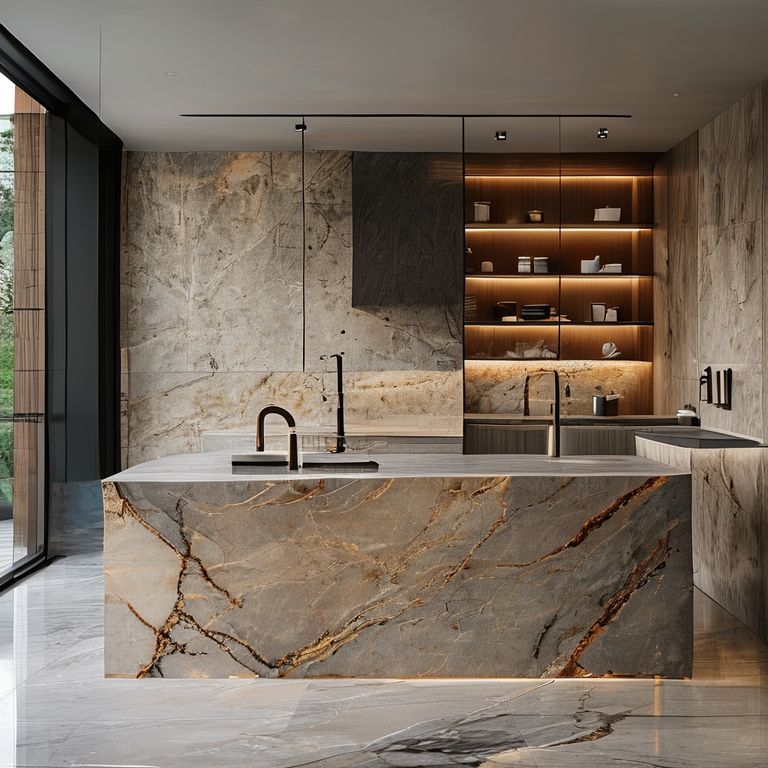
The term “artificial marble” itself conjures images of a manufactured material that mimics the beauty of its natural counterpart. While early iterations might have been somewhat rudimentary, today’s advanced manufacturing processes allow for an astonishing fidelity to detail, capturing the veining, marbling, and depth that make natural stone so desirable. But the true magic lies in the color. Unlike the constraints imposed by geological formations, artificial marble can be engineered in virtually any shade imaginable. This opens up a universe of design possibilities, allowing architects, interior designers, and homeowners to move beyond the traditional palette and embrace hues that perfectly complement their vision.
Consider the profound impact of color on our perception of space and mood. Neutrals, often the first choice for artificial marble, offer a foundation of understated elegance. Whites, from crisp, pure snow to creamy, off-white ivories, create a sense of spaciousness and light. They are timeless, versatile, and serve as a perfect canvas for accent pieces or vibrant décor. Think of a pristine white artificial marble countertop in a modern kitchen, reflecting light and making the space feel open and airy. It’s a classic choice that never goes out of style, exuding cleanliness and sophistication.
Grays, another popular neutral, offer a more grounded and contemporary feel. From the soft, dove-gray to the dramatic charcoal, these shades provide a sophisticated backdrop. A medium-gray artificial marble can lend a sense of warmth and depth to a bathroom vanity, offering a serene escape from the day’s stresses. The subtle variations in its pattern can mimic the natural elegance of granite or slate, but with the added benefit of superior stain and scratch resistance.
Beiges and warm earth tones bring a sense of organic comfort and natural beauty. These colors evoke the tranquility of a spa or the coziness of a rustic retreat. A creamy beige artificial marble can create an inviting atmosphere in a living room, perhaps as a fireplace surround or a unique coffee table. These hues are incredibly adaptable, blending seamlessly with a variety of other materials like wood, metal, and glass.
But artificial marble is not confined to the realm of the subdued. The true artistry of this material shines when designers venture into bolder and more vibrant territories. Imagine the dramatic impact of a deep, sapphire-blue artificial marble in a sophisticated bar area, or a rich emerald green gracing the surface of a bespoke desk. These colors inject personality and a sense of opulence into a space, transforming the ordinary into the extraordinary.
The beauty of engineered color lies in its consistency and control. While natural marble might present unique veins and color variations from slab to slab, artificial marble offers predictable and repeatable patterns. This is invaluable for large-scale projects where a uniform aesthetic is paramount. For instance, a hotel chain looking to create a signature look across its properties can rely on the exact shade and veining of artificial marble to ensure brand consistency, from guest room vanities to lobby reception desks.
Furthermore, the development of sophisticated digital printing and embedding technologies allows for the creation of incredibly realistic marble imitations. These processes can replicate the intricate veining of Carrara marble, the dramatic swirls of Calacatta, or even introduce entirely new, fantastical patterns. This means that the dream of having a marble-like surface in a color that doesn’t exist in nature is now a tangible reality.
The versatility of artificial marble colors extends beyond just countertops and vanities. Walls clad in these stunning materials can become dramatic focal points. A feature wall behind a bed, or a striking backsplash in a culinary space, can elevate the entire room. The ability to create large, seamless panels means that the visual flow is uninterrupted, further enhancing the luxurious feel. This is particularly true for the more dramatic, veined patterns that can mimic the movement and drama of natural stone.
Beyond the aesthetic, the practical advantages of artificial marble in these diverse colors are significant. Many formulations are non-porous, meaning they resist stains from liquids like wine, coffee, or oil. This makes them ideal for busy kitchens and bathrooms where spills are common. They are also generally resistant to etching from acidic substances, a common issue with natural marble. Cleaning is typically straightforward, requiring only soap and water or a mild detergent. This ease of maintenance, combined with the stunning visual appeal of its diverse color palette, makes artificial marble a compelling choice for modern living. The sheer adaptability of its color offering means that whether you are aiming for a minimalist sanctuary, a bold statement piece, or a timeless classic, there is an artificial marble color waiting to bring your vision to life.
The conversation around artificial marble colors often begins with the practicalities – its durability, its ease of maintenance, its consistency. But to focus solely on function would be to miss the profound emotional and aesthetic impact that color has on our living spaces. Artificial marble, in its boundless chromatic possibilities, offers designers and homeowners an unparalleled tool to craft environments that are not only beautiful but also deeply resonant.
Let’s delve deeper into the expressive power of artificial marble in specific color families. Beyond the ubiquitous whites and grays, consider the earthy richness of browns and taupes. These colors evoke a sense of grounding and natural warmth. A deep, chocolate-brown artificial marble can lend a sophisticated and intimate feel to a study or a library, providing a comforting backdrop for intellectual pursuits. Lighter taupe shades can offer a softer, more approachable alternative to stark white, bringing a subtle elegance to a family kitchen or a guest bathroom. These colors pair beautifully with natural wood grains, creating a harmonious and inviting atmosphere.
Then there are the blues and greens, colors that connect us to the natural world and evoke feelings of calm and serenity. Imagine a tranquil bathroom vanity surfaced in a soft, seafoam green artificial marble. The effect is instantly spa-like, inviting relaxation and rejuvenation. Or consider a deep, oceanic blue in a home bar or a statement island, adding a touch of sophistication and a hint of mystery. These cooler tones are known for their calming properties, making them excellent choices for spaces designed for unwinding and de-stressing. The ability to mimic the subtle variations of natural stones like lapis lazuli or malachite, but with superior performance, is a testament to the innovation in this field.
The vibrant end of the spectrum, where artificial marble truly unleashes its creative potential, is where the magic happens for those seeking to make a bold statement. Fiery reds, sunny yellows, and passionate purples are no longer confined to paint or upholstery. They can be integrated as permanent, luxurious features. A striking red artificial marble countertop can become the undeniable heart of a modern kitchen, a conversation starter that injects energy and personality. A soft, buttery yellow in a sunroom or breakfast nook can imbue the space with cheerfulness and optimism.
These bold colors aren’t just about visual impact; they can also influence the mood and atmosphere of a room. Red is known to stimulate appetite and conversation, making it a great choice for dining areas or kitchens. Yellow is associated with happiness and creativity. Blue is calming and contemplative. Green is often seen as balanced and restorative. By carefully selecting the color of artificial marble, one can subtly, or dramatically, influence the emotional tenor of a space.
The development of advanced digital imaging and layering techniques has enabled the creation of incredibly sophisticated patterns. It’s no longer just about solid colors. We are seeing artificial marble that masterfully replicates the complex veining of rare natural stones, sometimes even enhancing them with metallic flecks or subtle gradients. Imagine a countertop that mimics the dramatic, almost painterly, swirls of a high-end quartzite, but with the consistent performance of solid surface. This allows designers to achieve a look of extreme luxury without the associated cost or maintenance challenges of certain natural stones.
The applications of these diverse colors are as varied as the hues themselves. Beyond the traditional kitchen and bathroom, artificial marble is finding its way into commercial spaces, architectural features, and artistic installations. Office reception desks can make a powerful first impression with a bold, branded color. Hotels can create unique guest experiences with distinct color palettes in different wings or suites. Retail spaces can use custom colors to reinforce brand identity and create an inviting shopping environment.
The trend towards personalization in interior design has been a significant driver for the popularity of artificial marble colors. People are no longer content with mass-produced, cookie-cutter solutions. They want their homes and workspaces to reflect their individual tastes and personalities. Artificial marble, with its vast color library, empowers them to do just that. Whether it’s a subtle shade that complements existing décor or a dramatic hue that takes center stage, the ability to choose from such a broad spectrum ensures that the final result is uniquely yours.
Furthermore, the environmental considerations are often a part of the design decision-making process. While natural marble extraction can be resource-intensive, the production of artificial marble often involves more controlled processes, and many manufacturers are increasingly focused on sustainable practices and recycled content. When choosing a color, consumers can also look for manufacturers who prioritize eco-friendly production methods.
Ultimately, the color of artificial marble is not merely a surface treatment; it’s a fundamental design element that shapes our experience of a space. It’s the foundation upon which a room’s aesthetic is built, the mood setter, and the expression of personal style. From the quiet sophistication of muted tones to the exhilarating vibrancy of bold hues, the artificial marble color palette offers a universe of possibilities. It’s a testament to how innovation can not only replicate beauty but also expand its horizons, offering a durable, versatile, and endlessly inspiring material for creating the spaces of our dreams. The next time you consider a renovation or a new build, take a moment to truly explore the spectrum of artificial marble colors. You might just discover the perfect shade to tell your unique story.









