
Sure, I can help you with that! Here’s a soft article about artificial marble, presented in two parts as you requested.
The allure of marble has captivated humanity for centuries. Its veined beauty, natural elegance, and inherent sense of luxury have adorned palaces, inspired artists, and graced the homes of the discerning. Yet, the very qualities that make natural marble so desirable – its unique patterns, its rarity, and its formation over millennia – also present challenges. Sourcing, installation, maintenance, and even the environmental impact can be significant considerations. Enter artificial marble, a modern marvel that captures the essence of natural stone while offering a compelling suite of advantages. This isn’t just a compromise; it’s an evolution, a testament to human ingenuity in recreating and enhancing one of nature’s most beloved materials.
The term “artificial marble” is broad, encompassing a range of engineered materials designed to mimic the aesthetic of natural marble. These materials are not simply imitations; they are sophisticated composites that leverage advanced technology to achieve remarkable beauty and performance. Among the most prominent are quartz surfaces and solid surfaces, each with its own unique characteristics and manufacturing processes.
Quartz surfaces, often referred to as engineered quartz, are a dominant force in the world of artificial marble. They are typically composed of around 90-95% ground natural quartz crystals, mixed with polymers and pigments. This composition results in a material that is exceptionally hard, non-porous, and incredibly durable. The quartz crystals provide the structural integrity and a subtle sparkle, while the resins bind the particles together and allow for a vast spectrum of colors and patterns. This is where the “picture gallery” aspect truly comes into play. Manufacturers have mastered the art of replicating the intricate veining, subtle color variations, and the overall visual depth of natural marble with astonishing accuracy. From the classic Carrara and Calacatta looks with their soft grey veining on a pristine white background, to bold, dramatic patterns with deep black or rich earthy tones, the range of aesthetics achievable with quartz is virtually limitless.
Imagine a kitchen countertop that boasts the timeless elegance of white marble, but with the added peace of mind that comes from a surface resistant to stains, scratches, and heat. Picture a bathroom vanity that evokes the grandeur of a Roman bath, yet is impervious to the moisture and daily wear and tear of a busy household. This is the promise of quartz surfaces. The manufacturing process allows for a level of control that natural stone simply cannot offer. Veining can be engineered to flow in specific directions, creating seamless patterns across large slabs. Colors can be precisely matched and pigments can be added to achieve hues that might be rare or even impossible to find in nature. This precision also means consistency. Unlike natural marble, where each slab can vary significantly, engineered quartz offers a predictable and uniform appearance, which is a significant advantage for large-scale projects or when matching existing elements.
Solid surfaces, while also artificial, represent a different approach. These are typically made from acrylic or polyester resins combined with mineral fillers, often derived from bauxite ore. The key characteristic of solid surfaces is their non-porous nature and their ability to be thermoformed. This means they can be heated and molded into virtually any shape, allowing for seamless sinks, integrated backsplashes, and complex curved designs. While solid surfaces can mimic marble’s appearance, they often achieve a more uniform look, with less pronounced veining than engineered quartz or natural marble. However, their true strength lies in their seamlessness and repairability. Minor scratches or chips can often be buffed out or repaired with relative ease, making them an excellent choice for high-traffic areas.
The “picture gallery” of artificial marble is not just about replicating nature; it’s about pushing the boundaries of design. We see “marbled” surfaces in shades of blues, greens, and even vibrant oranges, offering designers the freedom to create spaces that are both luxurious and highly personalized. Patterns can range from delicate, subtle wisps of color to bold, graphic statements that become the focal point of a room. The scale of these patterns can also be varied, allowing for everything from a gentle marble-like texture to dramatic, large-scale veins that command attention.
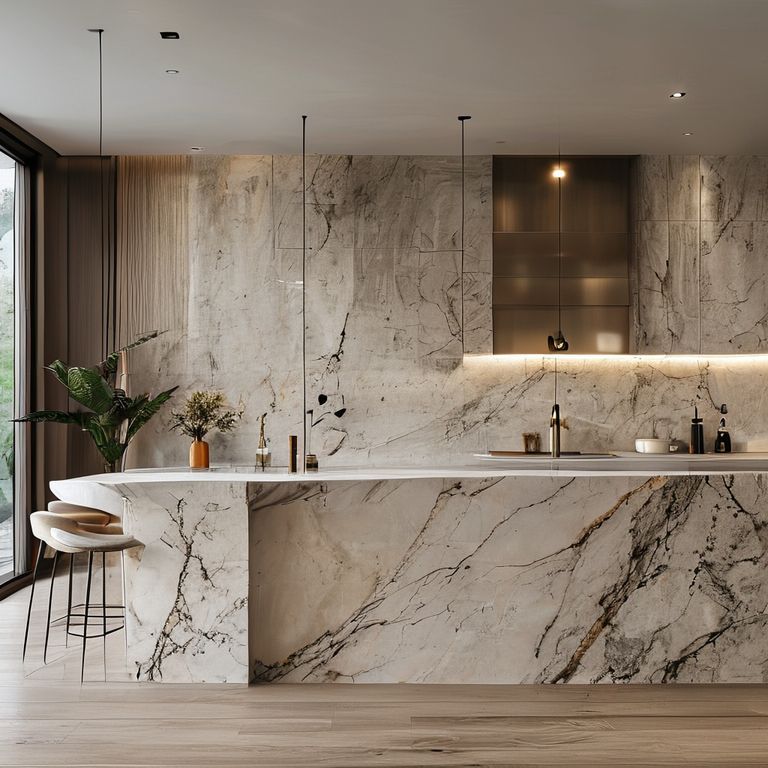
Furthermore, artificial marble opens up possibilities for finishes that go beyond the traditional polished look. Matte finishes offer a more contemporary and understated elegance, while textured surfaces can add tactile interest and depth. The ability to create large, seamless slabs also means that the visual continuity can be maintained across vast expanses, be it a sprawling kitchen island, an expansive wall paneling installation, or a striking reception desk in a commercial space. The visual impact of such continuous, veined surfaces is undeniable, creating a sense of flow and sophistication that is difficult to achieve with smaller, jointed pieces of natural stone. The sheer variety available in high-resolution imagery showcases this evolution, from the hyper-realistic reproductions of classic marble to entirely new interpretations of what a “marbled” surface can be. This visual exploration is the first step in understanding the transformative power of artificial marble in contemporary design.
The visual appeal of artificial marble, as showcased in extensive image collections, is only half the story. The true magic lies in its unparalleled versatility and the transformative impact it has on virtually any interior space. Beyond its stunning aesthetics, artificial marble offers a potent combination of durability, low maintenance, and design flexibility that makes it a favored choice for homeowners, architects, and designers alike. The comprehensive visual archives serve not just as inspiration, but as a testament to the material’s ability to adapt and excel in diverse applications, from the most intimate of homes to the most demanding of commercial environments.
In the heart of the home, the kitchen, artificial marble truly shines. Countertops, arguably the most hardworking surfaces in any kitchen, benefit immensely from the properties of engineered quartz and solid surfaces. The non-porous nature of these materials makes them highly resistant to common kitchen culprits like wine, coffee, oil, and fruit juices. Spills can be wiped away with ease, and the risk of staining is significantly reduced compared to natural marble, which can be porous and prone to etching from acidic substances. This inherent resistance to stains and bacteria means that kitchens equipped with artificial marble surfaces are not only beautiful but also hygienically superior, a crucial consideration for any food preparation area. The visual galleries reveal an array of kitchen designs where these surfaces take center stage: sleek, modern kitchens with minimalist white quartz countertops featuring subtle grey veining; warm, inviting spaces with granite-like patterned engineered stone; and even bold, contemporary kitchens with dark, dramatic marbled surfaces that serve as a striking contrast to lighter cabinetry. The large slab sizes also allow for expansive countertops with minimal or no seams, creating a streamlined, hygienic, and visually uninterrupted work surface.
Moving to the bathroom, artificial marble provides a luxurious yet practical solution for vanities, shower surrounds, and wall cladding. The resistance to moisture and water damage is paramount in these humid environments. Engineered quartz, with its non-porous composition, effectively prevents water from seeping into the material, thus avoiding mold and mildew growth. This makes it an ideal choice for shower walls and floors, offering a seamless and sophisticated alternative to traditional tiles, which often require grout that can be prone to staining and discoloration. The visual documentation showcases bathrooms transformed by artificial marble: elegant vanities with integrated sinks, creating a fluid and easy-to-clean design; dramatic shower enclosures with veined patterns that evoke a spa-like ambiance; and feature walls that add a touch of opulence to even the smallest powder room. The ability to achieve large, continuous panels also minimizes grout lines in shower areas, further enhancing both the aesthetic and the hygiene.
Beyond the kitchen and bathroom, the applications of artificial marble extend to virtually every corner of an interior design scheme. Wall paneling is a prime example. Imagine entire living room walls clad in a dramatic, veined artificial marble, creating a breathtaking focal point that exudes sophistication. This can be achieved with thinner slabs, making it a more manageable and cost-effective option than solid slabs of natural stone. The visual collections often feature these stunning wall installations, demonstrating how artificial marble can elevate the entire ambiance of a room. It’s also increasingly used for fireplace surrounds, adding a touch of warmth and luxury to the hearth.
In commercial settings, artificial marble is a highly sought-after material due to its durability and aesthetic appeal. Reception desks in hotels, corporate offices, and retail spaces often feature artificial marble, presenting a welcoming and impressive first impression. The material’s resilience to heavy foot traffic and frequent cleaning makes it ideal for these high-use areas. Restaurants and bars utilize it for tabletops and bar tops, combining visual elegance with the practicality needed to withstand spills and daily wear. Retail displays can incorporate artificial marble elements to showcase merchandise with a premium feel. The images captured in these commercial environments highlight the material’s ability to convey a sense of quality and prestige.
The ease of maintenance is a significant draw for artificial marble. Unlike natural marble, which often requires specialized cleaners and regular sealing to protect it from stains and etching, most artificial marbles can be cleaned with mild soap and water. This low-maintenance aspect is particularly appealing to busy households or commercial establishments where time and resources for upkeep are limited. The visual evidence speaks for itself: pristine surfaces in countless settings, looking as good as the day they were installed, a testament to the material’s inherent resilience.
Furthermore, the environmental considerations are increasingly important. While natural stone extraction can have a significant environmental footprint, many artificial marble manufacturers are focusing on sustainable production processes, using recycled content and minimizing waste. This growing emphasis on eco-friendly practices makes artificial marble an attractive option for those seeking both style and sustainability.
In essence, the “artificial marble picture gallery” is a window into a world of design possibilities. It showcases a material that, by intelligently harnessing technology and understanding our desire for beauty and practicality, has redefined the concept of luxurious surfaces. From the everyday functionality of a kitchen countertop to the grand statement of a feature wall, artificial marble offers a compelling blend of natural inspiration and modern innovation, empowering designers and homeowners to create spaces that are as enduring as they are beautiful. The sheer volume and diversity of images available underscore its status as a cornerstone of contemporary interior design.









