
In the grand theater of home design, bathrooms often play a starring role. They are spaces of personal ritual, quiet contemplation, and sometimes, a frantic dash before facing the day. And at the heart of this intimate stage sits the vanity, the silent workhorse that anchors the room. Upon this stage, a crucial element dictates not only the visual flow but also the daily dance of usability: the sink. Today, we delve into the captivating world of two prominent contenders in the sink arena: the integrated basin (一体盆, yī ti basin) and the undermount basin (台下盆, tái xià basin). While both promise to bring elegance and functionality to your washroom, they perform their roles with distinctly different styles and offer unique advantages.

The integrated basin, or “一体盆,” is a marvel of seamless design. Imagine a sink and countertop that are one continuous, flowing entity, as if sculpted from a single block of material. This is the essence of the integrated basin. Often crafted from materials like solid surface (think Corian or similar composites), cultured marble, or even high-quality acrylics, these sinks boast a smooth, unbroken surface. The transition from the countertop to the basin is imperceptible, creating a sleek, minimalist aesthetic that speaks volumes in its simplicity. There are no awkward seams, no hidden crevices where water and grime can wage a silent war. Cleaning becomes a dream; a single swipe of a cloth can effortlessly glide from the faucet area all the way into the basin, leaving nothing behind but a pristine gleam. This uninterrupted surface also contributes to a sense of spaciousness, making smaller bathrooms feel more expansive and giving larger ones a touch of sophisticated minimalism.
The beauty of the integrated basin lies in its inherent practicality. For those who value ease of maintenance above all else, this style is a veritable gift. The lack of edges and joints means that spills, toothpaste splatters, and water droplets are less likely to become entrenched. This is particularly beneficial for busy households, families with young children, or anyone who simply prefers to spend less time scrubbing and more time enjoying their meticulously designed space. Furthermore, the consistent material from countertop to basin can create a cohesive and visually unified look. If you opt for a solid surface material, you can often choose from an extensive palette of colors and finishes, allowing you to perfectly match your basin to your overall bathroom décor. This is where the integrated basin truly shines – in its ability to present a unified, elegant, and incredibly user-friendly surface.
However, the integrated basin isn’t without its considerations. While the seamless design is a primary draw, it can also present certain limitations. The materials typically used for integrated basins, while beautiful and easy to clean, might not offer the same breadth of options as natural stone countertops, which are commonly paired with undermount sinks. If you have your heart set on a particular slab of granite, marble, or quartz with unique veining and character, an integrated basin might not be the perfect fit, as these natural stones are generally not fabricated into one-piece units with their basins. Additionally, while durable, some solid surface materials can be susceptible to scratching if subjected to abrasive cleaning or heavy use with sharp objects. Repairing such scratches, however, is often straightforward with these materials, typically involving a light sanding and buffing process. The aesthetic is undeniably modern and streamlined, but it may not resonate with those who prefer the more traditional or luxurious feel of natural stone.
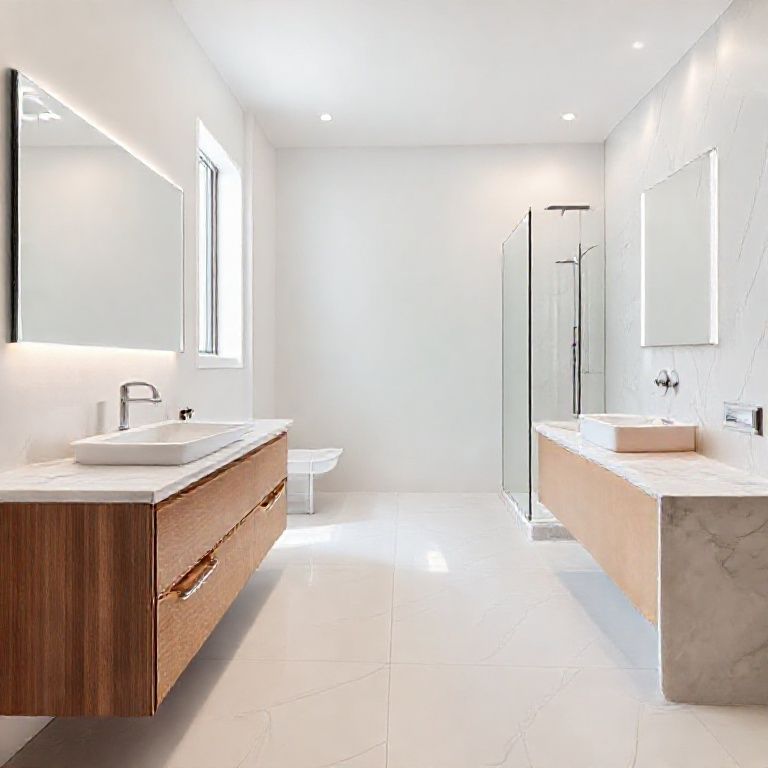
The integrated basin is, in many ways, a statement of intent. It declares a commitment to simplicity, to effortless elegance, and to a more streamlined approach to daily living. It’s a choice for those who appreciate the quiet confidence of a design that prioritizes both form and function, where the practicalities of cleaning and maintenance are addressed with an almost artistic flair. It’s the embodiment of a “less is more” philosophy, where the absence of visual clutter translates into a more serene and calming environment. When you choose an integrated basin, you’re not just selecting a sink; you’re embracing a lifestyle that values clean lines, effortless upkeep, and a subtly sophisticated aesthetic. It’s a decision that speaks to an appreciation for design that works harmoniously with the rhythm of daily life, transforming a utilitarian space into a sanctuary of calm and order.
Transitioning from the fluid unity of the integrated basin, we arrive at the sophisticated allure of the undermount basin, or “台下盆.” This style offers a different, yet equally compelling, approach to bathroom design, one that prioritizes the natural beauty of countertop materials and a clean, uncluttered deck. The defining characteristic of an undermount sink is its installation beneath the countertop. This means the lip of the sink is completely hidden, with the countertop extending seamlessly over it. The result is a sleek, uninterrupted expanse of countertop surface that truly accentuates the chosen material, be it the dramatic veining of a marble slab, the subtle shimmer of quartz, or the earthy texture of granite.
The aesthetic advantages of the undermount basin are profound. By eliminating the raised rim of a drop-in sink and the transitional edges of an integrated one, the undermount design creates an exceptionally clean and modern look. This visual continuity enhances the perceived size of the countertop, making the entire vanity area feel more open and airy. It’s a choice that celebrates the inherent beauty of the countertop material, allowing its natural patterns and colors to take center stage without the visual interruption of a sink’s edge. For those who invest in high-quality, visually striking countertop materials, the undermount installation is often the preferred method to showcase their selection. This style exudes a sense of understated luxury and refined taste, appealing to those who appreciate the subtle nuances of sophisticated design.

Beyond its aesthetic appeal, the undermount sink offers a significant practical benefit: effortless cleaning of the countertop. With no rim to trap crumbs, water, or soap scum, spills and debris can be easily wiped directly from the countertop into the basin. This creates a truly seamless cleaning experience for the horizontal surfaces. Imagine being able to sweep away any mess with a single, fluid motion, without encountering any obstructions. This simplicity in cleaning contributes to a more hygienic and visually tidy bathroom. Furthermore, the undermount installation often allows for a greater variety of countertop materials to be used. Natural stones like granite and marble, as well as engineered quartz, are frequently paired with undermount sinks, offering a vast array of colors, patterns, and finishes to suit any design preference. This versatility in material choice is a significant draw for many homeowners looking to personalize their bathroom spaces.
However, the installation of an undermount sink does come with its own set of considerations. The process is generally more complex than that of a drop-in sink and requires precise fabrication and installation to ensure a watertight seal between the sink and the countertop. This often translates to a higher installation cost compared to other sink types. Additionally, the undermount design is typically more suitable for solid countertops, such as stone or quartz, which can provide the necessary structural support. Laminate countertops, while common, are generally not recommended for undermount sinks due to their susceptibility to water damage and lack of durability at the exposed edge. While the cleaning of the countertop surface is exceptionally easy, the underside of the countertop where the sink is attached can, in rare cases, be prone to water marks or mold if the seal isn’t perfectly maintained or if there are persistent leaks. However, with proper installation and regular maintenance, these issues are rare and easily preventable.
The choice between an integrated basin and an undermount basin is, in essence, a stylistic and practical decision that reflects personal priorities. The integrated basin champions a fluid, unbroken aesthetic with unparalleled ease of cleaning on its surface. It’s a statement of minimalist chic and straightforward functionality. The undermount basin, on the other hand, offers a more traditional yet still contemporary look, celebrating the beauty of the countertop material and providing an exceptionally clean deck for effortless countertop maintenance. It’s a choice that speaks to a love for natural materials and a desire for a visually uncluttered vanity.

Ultimately, the “basin ballet” is about finding the perfect partner for your countertop and your lifestyle. Whether you’re drawn to the seamless elegance of the integrated basin or the refined sophistication of the undermount, both styles offer compelling advantages. The key lies in understanding your priorities – be it the ultimate in low-maintenance design, the celebration of natural stone, or a particular aesthetic vision. By carefully considering these factors, you can ensure that the sink you choose will not only serve its purpose flawlessly but will also contribute beautifully to the overall harmony and character of your personal sanctuary.









